








Introduction:As one of the classic representatives of Sumatran Mandheling, Tiger Mandheling is widely loved by pour over enthusiasts for its rich base tone and unique pine wood character. This article delves into its growing environment, wet hulling processing features, variety composition, and roasting strategy, and provides professional-level pour over recommendations — including the use of a Kono filter, water temperature control, and a three-stage pouring method — to help you fully unlock the potential of this medium-dark roasted bean and grasp the essence of Sumatran coffee.
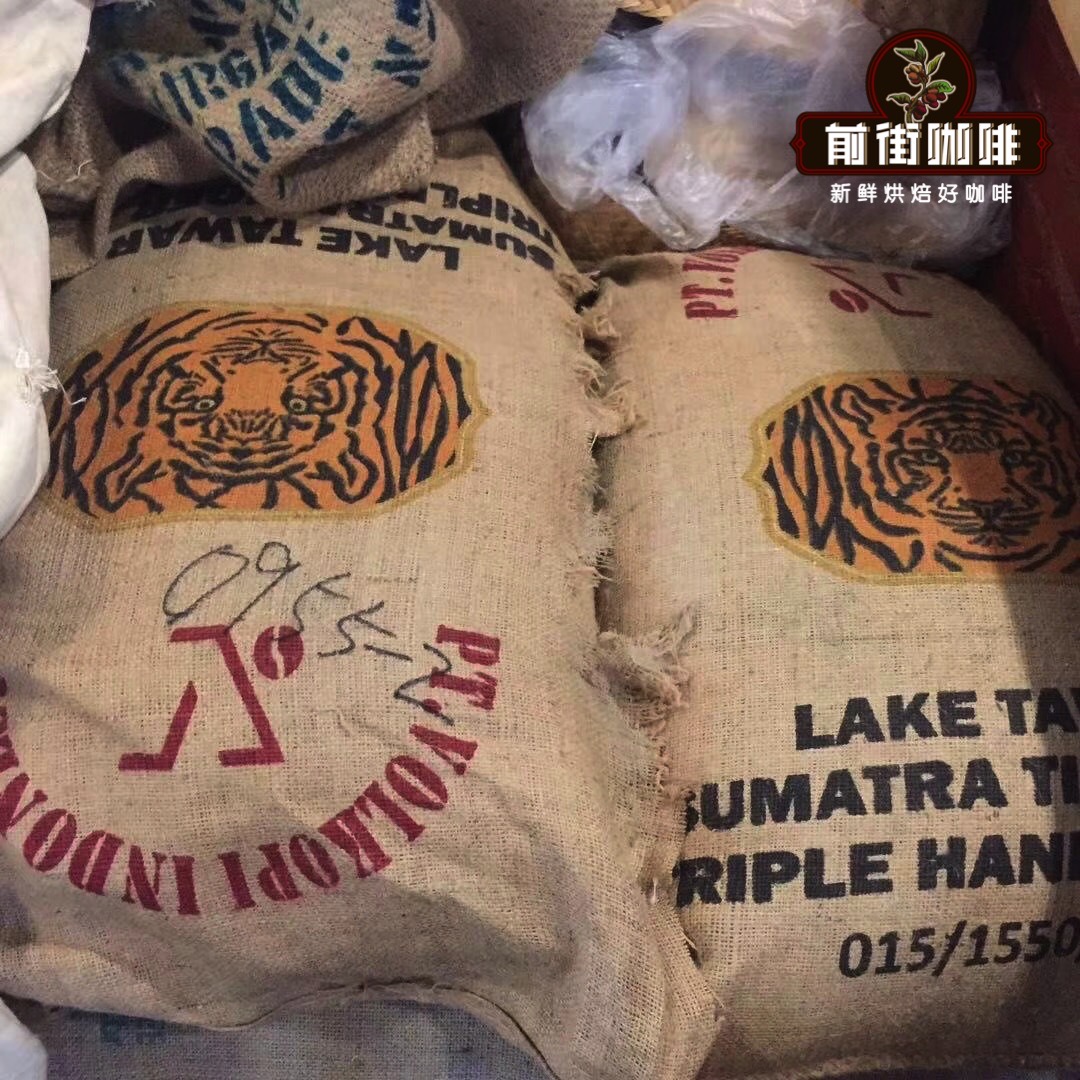
Among the many coffees from Indonesia’s Sumatra region, Tiger Mandheling stands out with its distinctive pine aroma and intense herbal notes, making it a popular entry point for those exploring the Mandheling flavor profile. This coffee comes from Tiger Estate in northern Sumatra, grown at an altitude of about 1,500 meters, with main varieties including Catucai, Typica, and Sidikalong. Processed using the traditional wet hulling method, it boasts a bold and layered taste profile.
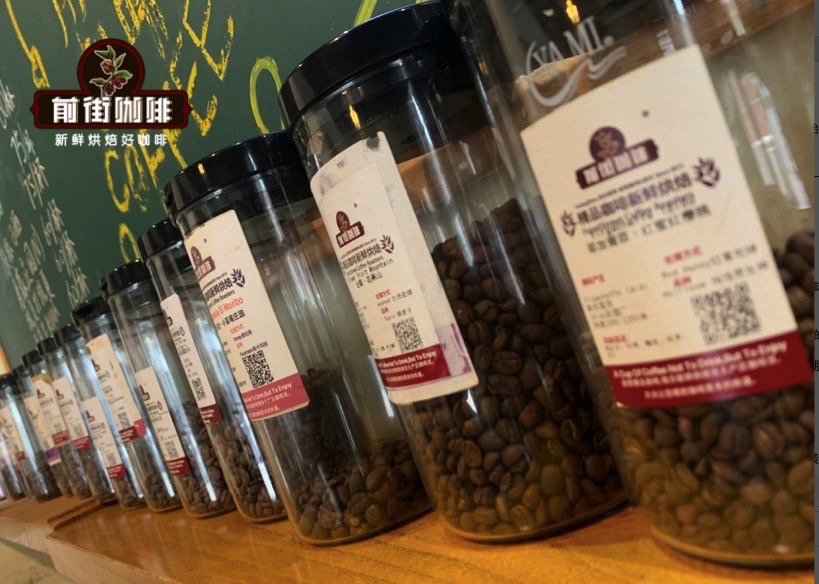
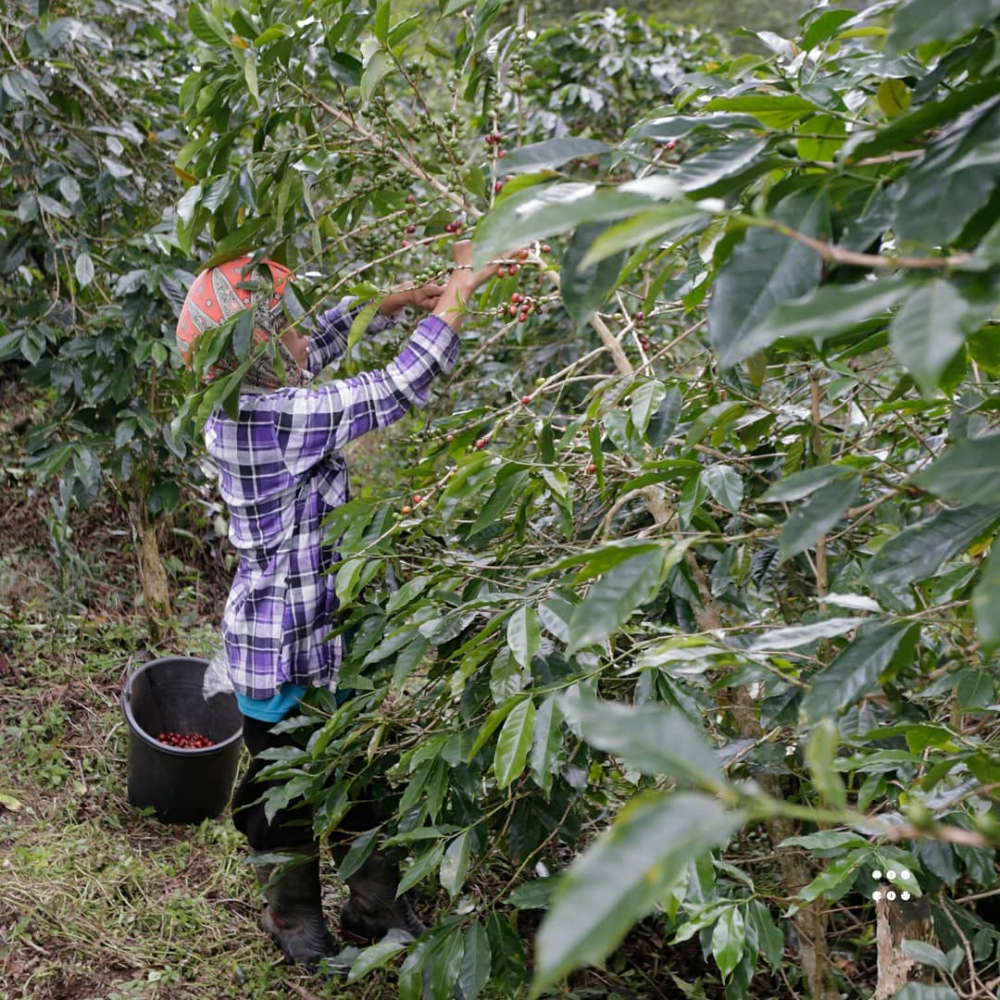
Sumatra, as Indonesia’s primary coffee-producing region, encompasses several well-known coffee areas, among which Lake Tawar in Aceh Province and Lake Toba in North Sumatra are the most renowned. Due to the area’s consistently humid climate, with annual rainfall reaching up to 2,000 mm, and fertile volcanic soil, it provides ideal natural conditions for coffee cultivation. However, due to the remote terrain and limited transportation, coffee farming here largely maintains traditional shaded methods and is mostly organically grown without pesticides.
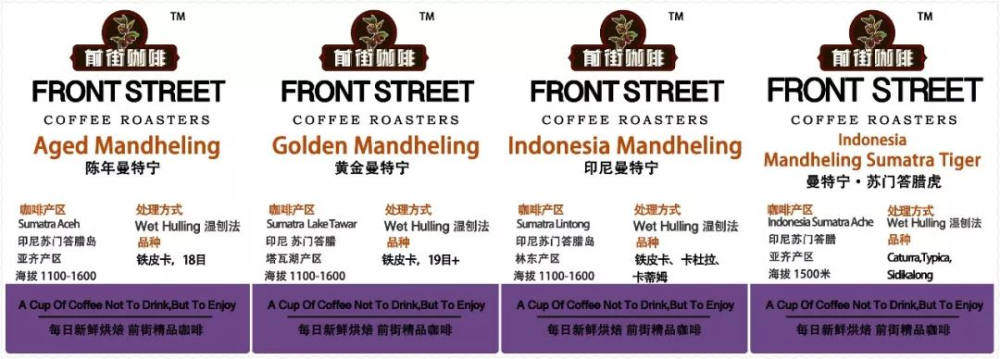
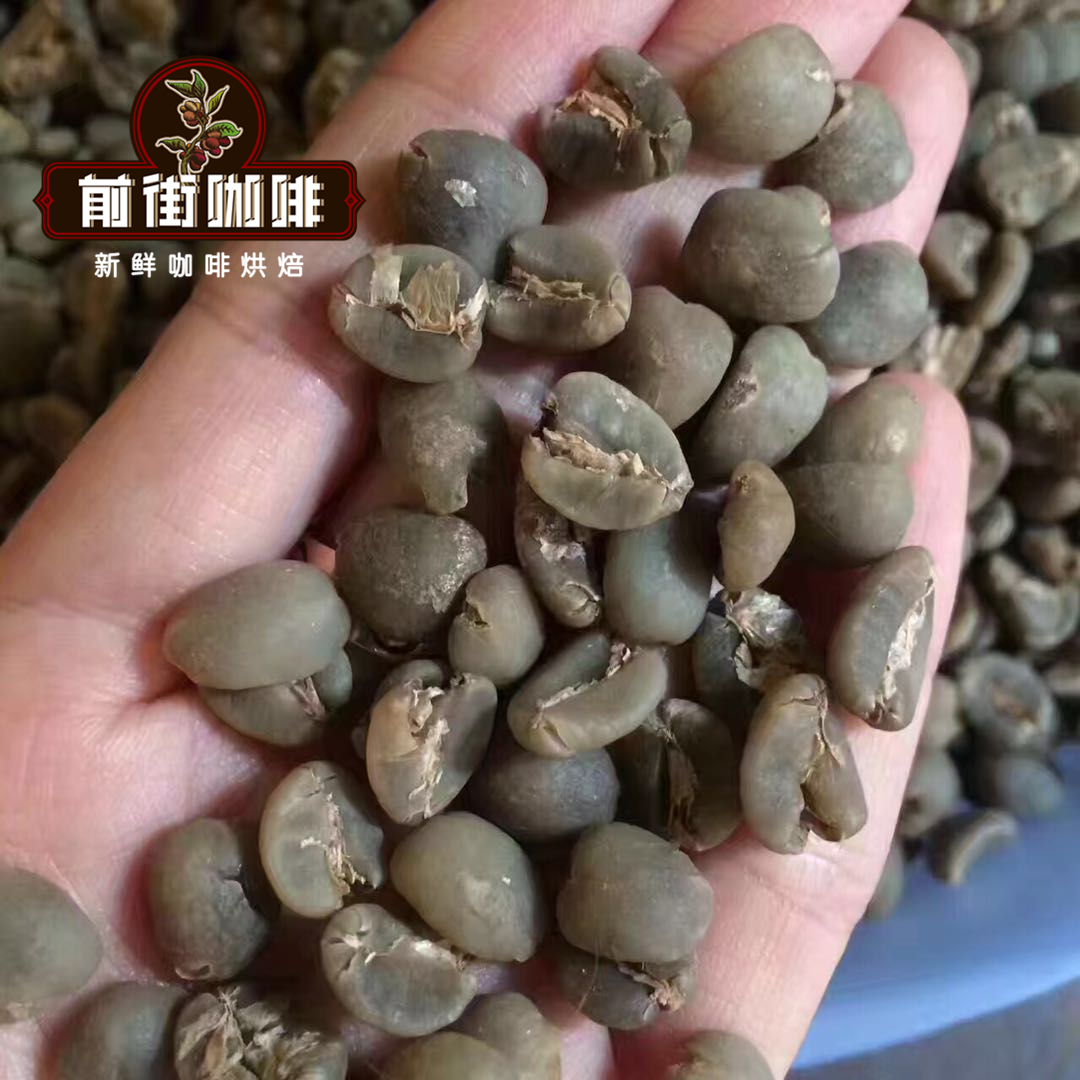
The wet hulling process (known as Giling Basah in Indonesian) used for Tiger Mandheling is key to shaping its unique flavor. Compared to the more common washed process, wet hulling involves removing only the pulp and mucilage after the coffee cherries are depulped, leaving the parchment and mucilage intact. It then undergoes short-term fermentation and washing, followed by hulling the parchment at around 20–24% moisture content, and continuing to dry to the target moisture level. Because the process is fast and the beans are still relatively soft when hulled, it can easily produce defective beans, but this also contributes to its bold, heavy, and distinctive flavor — one of the hallmarks of Mandheling.
The variety blend of Tiger Mandheling includes Catucai, Typica, and Sidikalong. Among them, Catucai offers pronounced citrus acidity and moderate sweetness, but requires frequent fertilization and pruning, resulting in higher cultivation costs; Typica is one of the most traditional Arabica heirloom varieties, with clean acidity and a good aftertaste, but is susceptible to disease and has low yield. Sidikalong is a locally improved Indonesian variety that provides a stable foundation and unique character to the overall flavor.
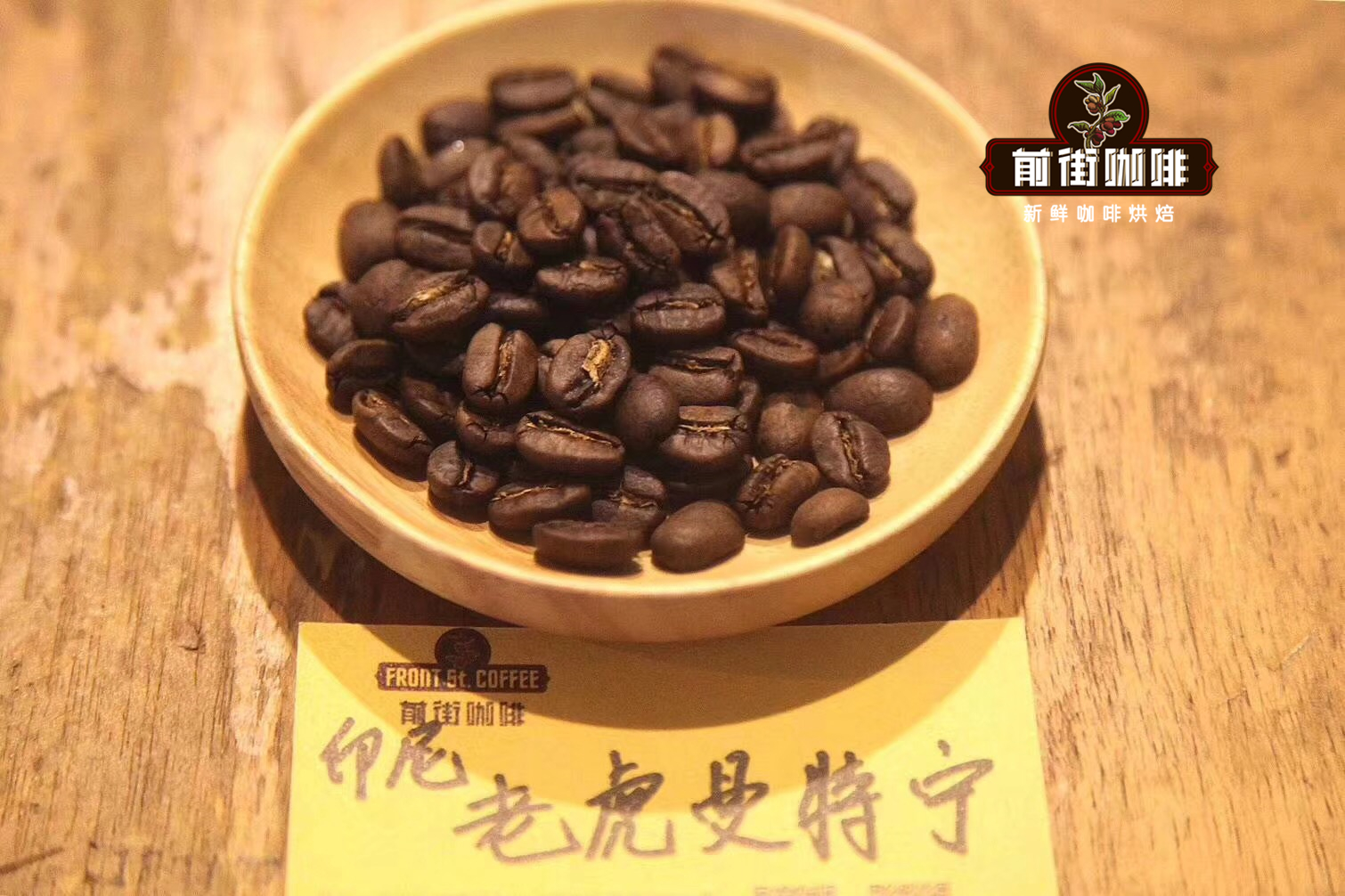
In terms of roasting strategy, a certain coffee brand positions Tiger Mandheling as a medium-dark roast, aiming to balance its inherent acidity while enhancing body and sweetness. During roasting, the drop temperature is set at 200°C. Initially, a relatively high heat is applied to facilitate dehydration, but in response to its altitude and bean characteristics, the heat is reduced midway and the dehydration time is extended to avoid sour or astringent notes. Roasting continues after first crack until about 4 minutes after first crack, at around 203°C, to fully develop caramelization reactions, bringing out rich notes of cream, dark chocolate, and nuts.
For brewing recommendations, since this bean is medium-dark roasted, to avoid over-extraction that could lead to bitterness, it is advised to use a lower water temperature of about 88°C, paired with a Kono filter that has a relatively slow flow rate to stabilize the extraction rhythm. Specific parameters are: 15 grams of coffee grounds, a 1:15 coffee-to-water ratio, and a grind size set to 70–75% passing through a #20 sieve, roughly between medium-fine and slightly finer than medium-fine.
In practice, it is recommended to use a three-stage pouring method: start with a 30-second bloom using 30 grams of water to activate flavor release; then, in the first pour, add water in small circular motions up to 125 grams before stopping, wait for the liquid level to drop close to the coffee bed, then proceed to the second pour up to a total of 225 grams. The overall extraction time is controlled to around 2 minutes. This method helps effectively balance extraction efficiency and flavor expression in a low-temperature environment, allowing the richness and delicate layers of Tiger Mandheling to fully shine.
The final flavor profile presents a creamy-smooth mouthfeel as the base, accompanied by distinct notes of dark chocolate and nuts, with hints of subtle spices and a touch of herbal aftertaste in the mid-palate. The overall profile is balanced and layered, making it a classic choice for experiencing the charm of Sumatran Mandheling. If you’re looking for a bean that showcases the deep character of Indonesian coffee, Tiger Mandheling is definitely worth adding to your pour over list.
The above content is compiled by CoffeeHunters, a coffee news website.


