







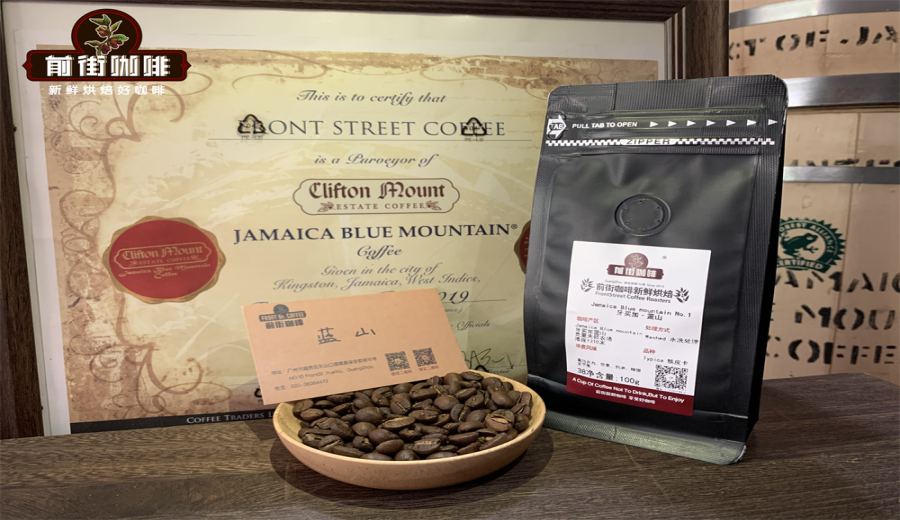
Introduction:Blue Mountain coffee is hailed as one of the world’s top-tier coffees, and the Mavis Bank Processing Factory in Jamaica is a key driving force behind it. This article will delve into the historical background of Mavis Bank, the legal growing region environment of Blue Mountain No.1, as well as the complete process from harvesting, processing to grading. It will also analyze the No.1 grade standards and the classic flavor profile under medium-dark roasting, helping you fully understand the secrets of this rare coffee.
Blue Mountain coffee is the most representative specialty coffee of Jamaica, and Mavis Bank is not only a key green bean processing facility in the region, but also a model of century-old family-run operation. The factory is located within the officially designated Blue Mountain No.1 legal growing area, and has been operated by the Munn Family since 1885, boasting a long history and consistent quality.
Mavis Bank is situated about 10 miles northeast of the capital, Kingston, at the foothills of the Blue Mountains, and is one of the officially certified processing facilities. As early as 1920, Victor Munn founded this processing plant, which was later taken over by his nephew Keble Munn. He was not only a successful coffee farming entrepreneur but also Jamaica’s first internationally certified professional cupper. Today, Mavis Bank has become the largest coffee distribution hub in the Blue Mountain region, focusing on processing high-quality green beans from high-altitude single farms or smallholders.
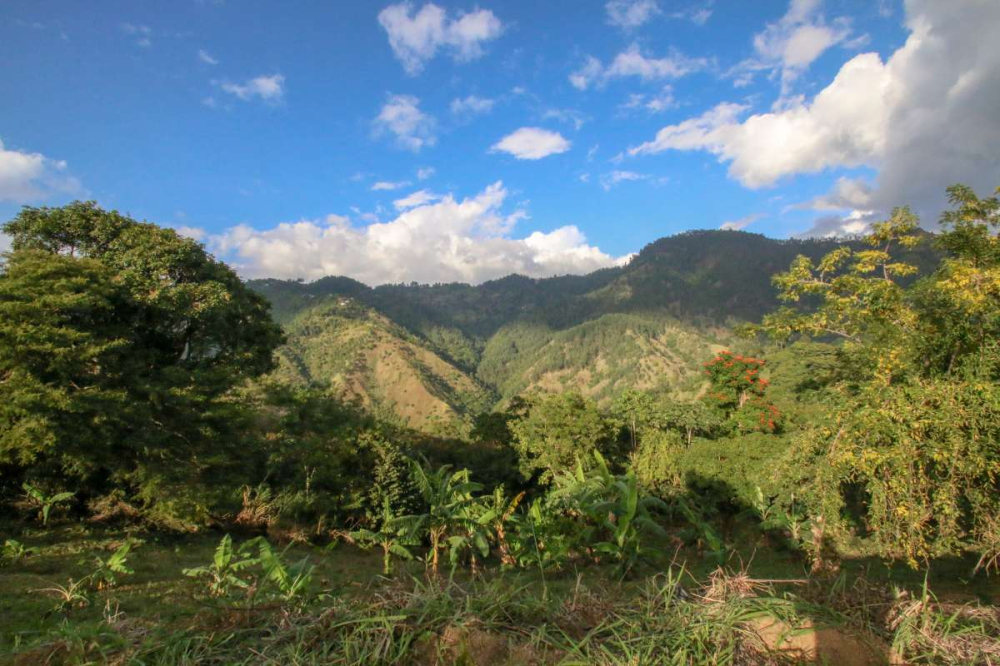
The growing region of Blue Mountain No.1 coffee is located in the Blue Mountain range in eastern Jamaica. The area is often shrouded in clouds and mist, hence the name “Blue Mountain.” The entire growing region spans approximately 45 kilometers in length and 20 kilometers in width, with the highest elevation reaching 2,260 meters, making it the highest peak in the entire Caribbean. The region features steep terrain, cool climate, well-drained and mineral-rich fertile soil, providing ideal growing conditions for coffee trees and laying the unique flavor foundation for Blue Mountain coffee.
The processing of Blue Mountain No.1 coffee beans is extremely rigorous, with strict quality control starting from the harvesting stage. Only fully ripe red coffee cherries are selected, and they undergo manual sorting and floatation to initially remove unripe or defective beans. Next, these screened coffee cherries are sent to the washing station for a second inspection and are depulped by the evening of the same day to minimize fermentation risks.
After depulping, the coffee beans are soaked in large water tanks, where technicians re-inspect and remove beans that are over-fermented, insect-damaged, or unripe, ensuring that only the highest-quality parchment beans proceed to the next stage. Subsequently, these beans are evenly spread on cement slabs for a five-day sun-drying process, during which temperature and humidity are closely monitored to ensure stable and even drying.
Once drying is complete, the parchment beans are stored in warehouses for at least ten weeks to allow their flavors to stabilize and mature further. Finally, another round of manual sorting is conducted to remove any beans with obvious defects, retaining only those with intact appearance and uniform size.
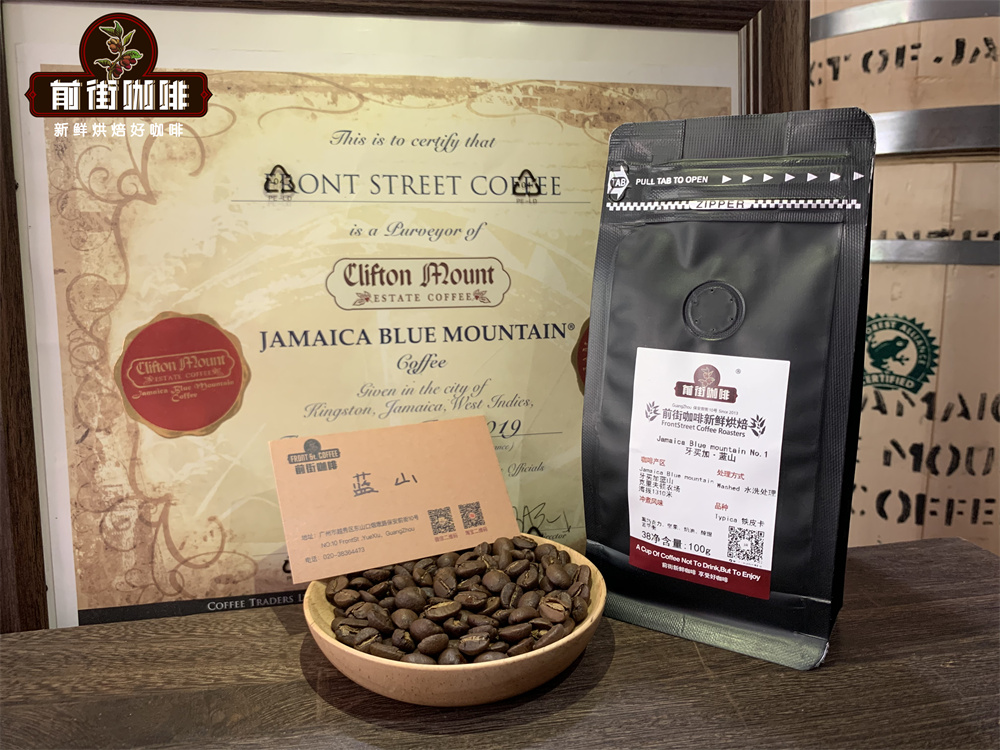
In terms of grading, Blue Mountain No.1 selects onlybeans sized at 17/18 meshand with a defect rate ofless than 2%to meet the strict standards of the No.1 grade. This screening mechanism ensures that every coffee bean has top-tier potential.
Taking this batch of Blue Mountain No.1 coffee beans as an example, when medium-dark roasted, it can fully bring out its rich layers of aroma. The brewed black coffee often exhibits pronounced nutty notes, accompanied by a mellow chocolate and caramel aftertaste, with a smooth mouthfeel and long-lasting finish — a dream coffee for many enthusiasts.
If you wish to replicate a similar flavor experience at home, look for authentic Blue Mountain No.1 coffee beans on the market, choose processing batches suitable for medium-dark roasting, and adjust water temperature and grind size according to your brewing equipment to fully showcase its delicate and balanced characteristics.
The above content is compiled by CoffeeHunters, a coffee news website.


