







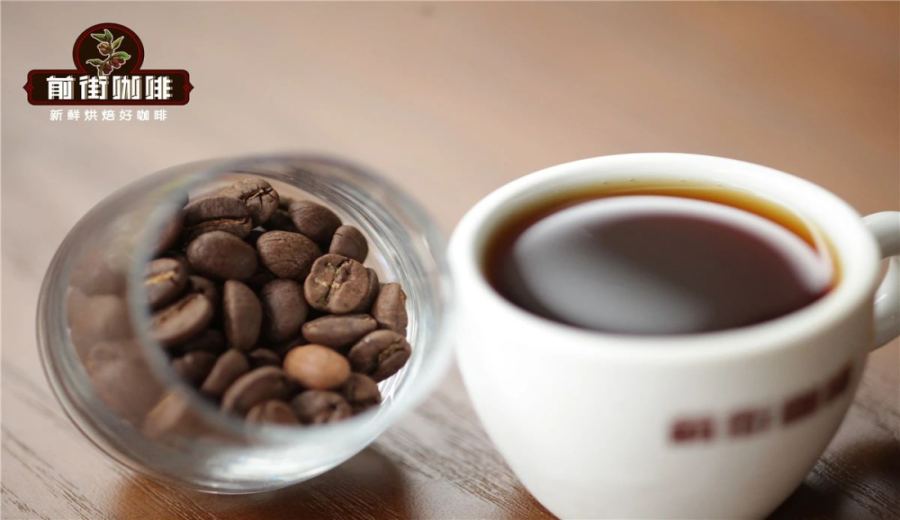
Introduction:Civet coffee (also known as kopi luwak or cat poop coffee) is renowned for its unique origin and high price, yet it is also highly controversial due to animal welfare concerns. This article delves into the origins, unique fermentation process, flavor characteristics, and market positioning of this rare Indonesian Bali coffee, while exploring the ethical dilemmas behind caged bean harvesting. Additionally, it provides expert-level pour over recommendations and parameter settings, along with suggestions for several premium alternative beans with similar flavor profiles, allowing coffee enthusiasts to enjoy a comparable tasting experience without ethical controversy.
Civet coffee, also known as Kopi Luwak or cat poop coffee, is one of the most controversial and expensive coffee varieties in the world. What makes this coffee unique is that its beans have been fermented in the digestive tract of civets before being collected, cleaned, and roasted from their feces. Although its annual production is extremely limited and it boasts distinctive herbal and full-bodied flavors, the production method behind it raises numerous ethical questions.

Civets mainly inhabit tropical and subtropical mountainous regions below 2100 meters in altitude, including jungles, shrublands, and natural habitats such as rock crevices. These animals are omnivorous by nature and, although they occasionally consume coffee cherries, their diet primarily consists of insects, small animals, and certain plants. Due to the uniqueness of their digestive system, the outer fruit pulp of the coffee beans is broken down as they pass through the digestive tract, while the inner green beans are excreted, resulting in what is known as "civet poop coffee beans."
Traditionally, beans excreted by wild civets after naturally consuming ripe coffee fruits were collected and processed by local residents, giving rise to a unique "in-body fermentation" processing method. However, as market demand increased, many businesses began caging civets to boost production, force-feeding them unripe or mixed-quality coffee cherries, severely impacting animal health and the final flavor of the coffee. This practice is not only inhumane but also casts a heavy ethical shadow over this type of coffee.

In terms of flavor profile, since most civet coffee uses low-altitude-grown Robusta beans, which inherently have a distinct earthy and herbal base note. Coupled with the unique fermentation through the animal’s digestive tract, such coffee often presents a rich, full-bodied, and syrupy mouthfeel, sometimes accompanied by faint fermented aromas. However, if the bean source is impure or the processing is improper, the flavor profile tends to be rather one-dimensional, and issues such as excessive fishiness or astringency can easily arise.
As for the claim that "digestive fluid proteases break down proteins, thereby enhancing flavor," there is actually no solid scientific evidence to support it. In most cases, civets excrete the coffee beans within one to two hours after ingestion, which is far from enough time for digestive enzymes to have a significant impact on the beans. Therefore, the notion that "flavor is enhanced through digestion in the animal’s body" is more a result of marketing than of scientific fact.
Regarding the production method of this type of coffee, many industry professionals and consumers have begun to reconsider its rationale. If, as some suggest, merely passing through the digestive tract could enhance flavor, then feeding any quality of coffee beans should produce delicious coffee—but that is not the case. Therefore, a more reasonable approach would be to allow civets to freely choose ripe coffee cherries in their natural environment and provide them with a diverse food source, rather than forcing captivity and controlling their diet.
Furthermore, with advancements in biotechnology and microbial fermentation techniques, research has been conducted to artificially simulate the civet’s digestive tract environment, using specific strains and fermentation conditions to process green coffee beans, aiming to replicate similar flavor characteristics while avoiding harm to wild animals. If this technology matures, it may offer a more sustainable and ethical alternative in the future.
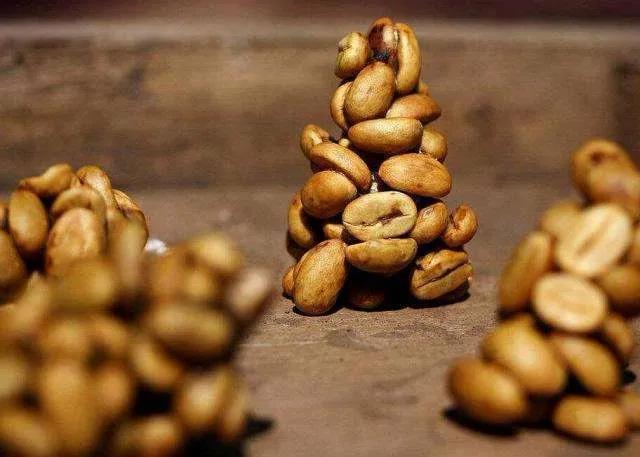
In terms of brewing recommendations, since civet coffee is usually medium to dark roasted to enhance its full-bodied traits and herbal notes, it is advised to use a coarse grind (approximately as fine as white sugar) and brew via pour over at 86–87°C water temperature. The coffee-to-water ratio can be set at 1:15 (for example, 15 grams of coffee grounds to 225 milliliters of water), and using a KONO filter cone can better highlight its round and full-bodied mouthfeel.
The specific brewing steps are as follows: first, perform a 30-second bloom with 30 grams of water, then pour water in small circular motions until reaching 125 grams for the first pour. When the water level drops and is about to expose the coffee bed, continue pouring until reaching 225 grams, then stop. Finally, wait for the water level in the filter cone to drop and just before the coffee grounds are exposed, remove the filter cone. The total extraction time should be controlled to around 2 minutes.
In terms of flavor, civet coffee is commonly described as having herbal, nutty, dark chocolate, and faint fermented aromas, with a thick, syrupy mouthfeel and a long-lasting finish that carries a certain level of complexity. However, considering its high price and ethical controversies, many coffee enthusiasts turn to seeking alternatives with similar flavors but more sustainable sourcing.
If you prefer floral notes and complex flavors, you might consider trying Panamanian Geisha coffee; for those who enjoy bright acidity and red tea-berry profiles, Ethiopian Huila coffee beans are a great choice; if you prefer balanced nutty and caramel flavors, Brazilian beans can offer a stable and smooth performance; and for consumers who still wish to experience the bold and full-bodied character of Indonesian coffee, it is recommended to opt for high-grade Golden Mandheling, which undergoes multiple hand-sortings with an extremely low defect rate, offering clear aroma and elegant aftertaste. All the above alternative beans can ensure quality while avoiding animal welfare controversies, making them more recommendable everyday choices.
The above content is compiled by CoffeeHunters, a coffee news website.


