







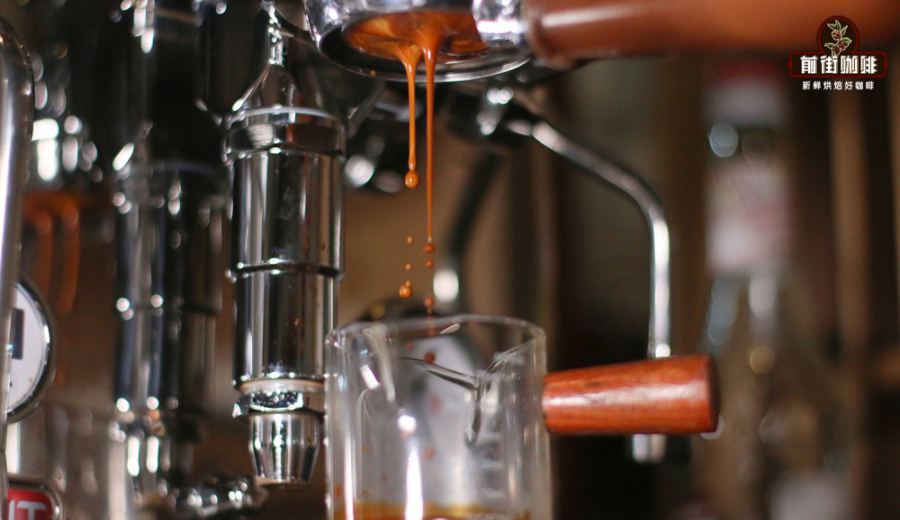
Introduction:To consistently brew a well-balanced espresso with harmonious flavors, the key lies in precisely controlling the delicate balance among grind size, dose, extraction time, and yield. This article delves into the logic behind espresso extraction parameter settings—from brew ratios and grind selection to flow rate and flavor assessment—guiding you from the basics step by step to adjust your espresso to suit your preferred flavor profile, making each extraction closer to the ideal state.
Espresso is known for its rich and intense mouthfeel, but consistently producing a high-quality shot actually requires finding the optimal balance among multiple parameters. Not only must grind fineness be taken into account, but other variables such as dose, extraction time, yield, and water temperature also directly affect extraction efficiency and flavor expression. Based on practical experience, this article explores how to control extraction flow rate by adjusting brew ratio and grind size, thereby bringing out the layers and balance of the coffee.
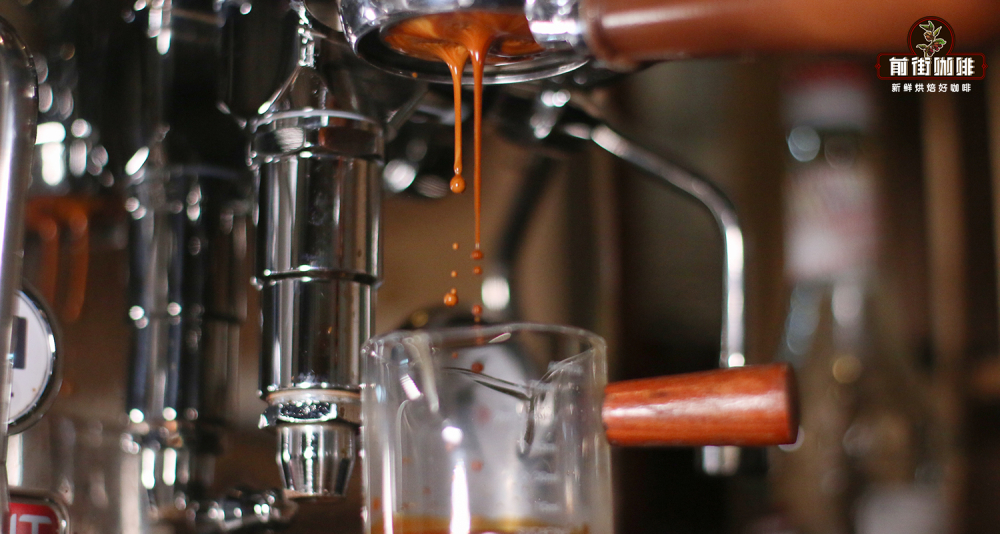
The brew ratio can be considered one of the core factors influencing espresso flavor. While there is no one-size-fits-all absolute standard, the commonly accepted range in the industry falls between 1:1.5 and 1:2.5, meaning 1.5 to 2.5 grams of espresso liquid is extracted per gram of coffee grounds. Taking the common double shot as an example, many cafés use a 1:2 brew ratio—20 grams of coffee grounds to yield 40 grams of espresso, with an extraction time typically controlled between 25 to 30 seconds. This ratio balances richness and clarity of flavor, making it a favorite among baristas for both beginners and practical operations.
In actual practice, dose setting is often closely related to the capacity of the portafilter basket. For example, a common double basket usually has a capacity of around 20 grams, and it is recommended to use a similar dose to form a compact and stable coffee puck. Increasing the dose will make the puck denser, slowing down water flow, extending extraction time, and increasing extraction yield and concentration. However, too much coffee can also lead to channeling or over-extraction, so slight adjustments should be made based on actual flow rate and flavor performance to find the best balance.
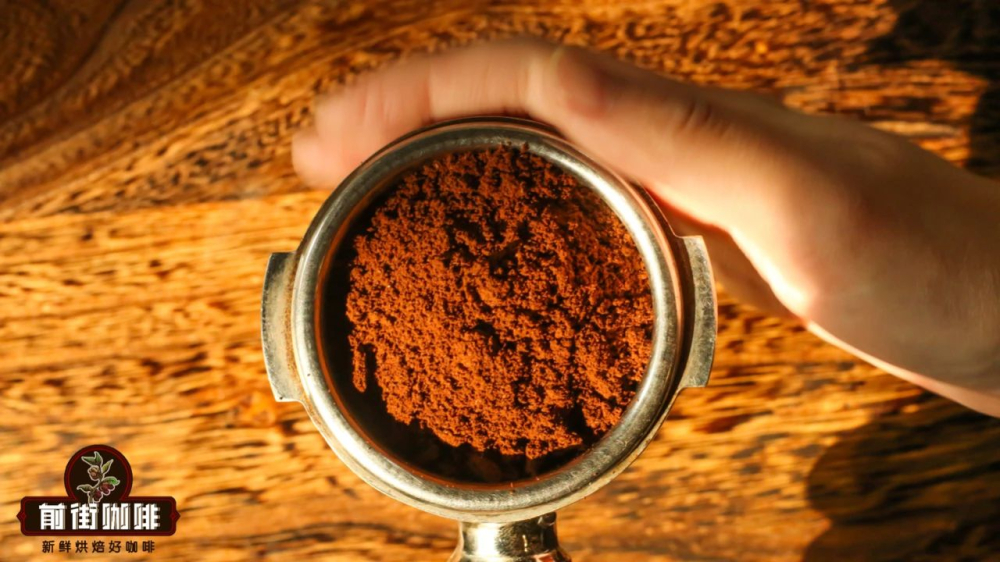
As for grind size, it is another crucial factor affecting extraction. Since espresso extraction time is extremely short—usually just over 20 to 30 seconds—the coffee grounds must be ground very fine to release enough flavor compounds within that brief period. But this also means grind size needs to be extremely precise; even a slight deviation can lead to under-extraction or over-extraction. If the grind is too coarse, water flows through the coffee bed too quickly, resulting in incomplete extraction and flavors that often taste thin and overly acidic. Conversely, if the grind is too fine, it can easily cause over-extraction, leading to pronounced bitterness and astringency, along with a sharp mouthfeel.
To adjust extraction parameters, one must first understand the influence of external conditions and coffee bean status. For instance, changes in humidity can alter the water absorption rate of coffee grounds, thereby affecting flow rate and extraction efficiency. In practice, water temperature and pressure are usually kept constant—for example, common settings are 9Bar pressure and 94°C water temperature—to ensure stability during extraction. Daily adjustments typically focus on three main parameters: grind size, dose, and final coffee yield. By observing flow rate and tasting the flavor, one can gradually fine-tune to achieve the ideal extraction state.
For example, if a previous extraction used 19.8 grams of coffee grounds to produce 38 grams of espresso in 29 seconds, but today the same dose finishes in 26 seconds, it indicates the flow rate has sped up, possibly meaning the grind is too coarse or the puck is too loose. In this case, you can try increasing the dose by about 0.1 gram at a time and observe whether the flow rate stabilizes. If adjusting the dose restores the flow rate but the flavor remains flat, you may need to further refine the grind to enhance flavor compound release. Conversely, if the flow rate is too slow, it is advisable to first reduce the dose, and if the effect is limited, then consider coarsening the grind—avoiding overly large adjustments that may destabilize extraction.
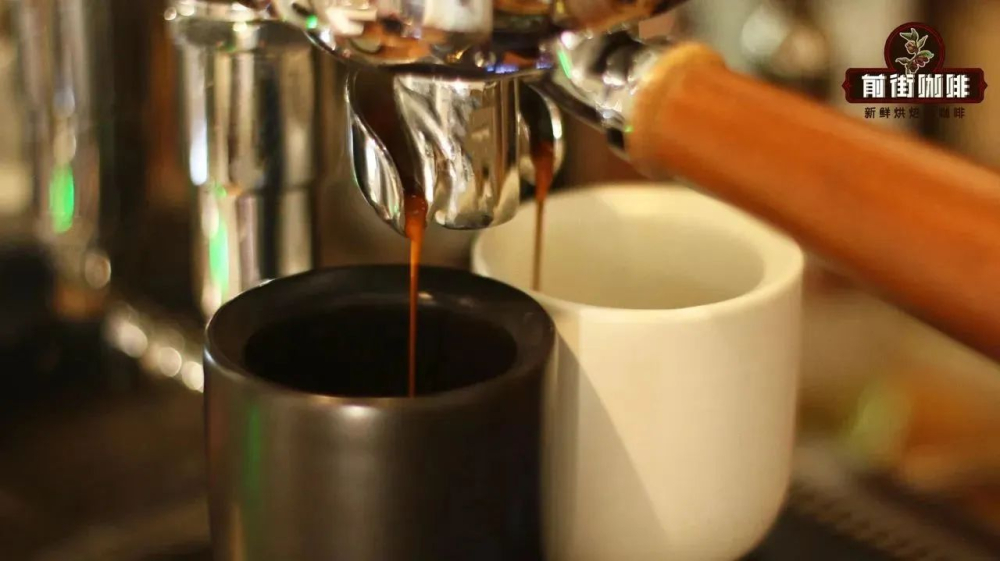
After multiple fine-tunings, if you can grasp the characteristics of the coffee beans and equipment status, you can consistently produce well-balanced espressos. As an example from practical experience, using 20 grams of coffee grounds, following a 1:2 brew ratio, extracting 40 grams of espresso under 9Bar pressure, and controlling the time to around 30 seconds, usually yields good results. Under these parameters, you can often achieve rich notes of wine and berry acidity, and as the temperature drops, layers of vanilla, cream, and dark chocolate gradually emerge. The overall mouthfeel is smooth and balanced—an ideal profile many coffee enthusiasts strive for.
The above content is compiled by CoffeeHunters, a coffee news website.


