







Category: Coffee Knowledge

Complete Guide to Brewing Filter Bag Coffee: Master Water Temperature, Water Volume, and Steps in One Go
Filter bag coffee is a simplified version of pour over coffee, combining convenience with great flavor. However, many people often end up with subpar extraction due to not understanding the correct brewing method. This article provides an in-depth analysis of the differences between filter bag coffee and instant coffee, explains key brewing parameters such as water temperature, water volume, and pouring technique, and offers a practical four-step pouring demonstration to help you easily brew a rich and smooth drip black coffee at home or on the go. [more…]

How to determine the coffee-to-water ratio for pour over? An analysis of the SCA Golden Cup Standard and debunking extraction myths
Want to brew a cup of pour over coffee with balanced flavors? The coffee-to-water ratio and extraction rate are key factors. This article takes an in-depth look at the golden standard of the SCA Golden Cup Theory — an extraction rate of 18%-22% and a concentration of 1.2%-1.45%. It explains the science behind the coffee-to-water ratio, clarifies common misconceptions, and teaches you how to flexibly adjust parameters to avoid under-extraction or over-extraction pitfalls, helping you find your own optimal flavor profile. [more…]

Beginner’s Guide to Cold Brew Drip Coffee: From Bean Selection to Extraction Parameters and Flavor Analysis
Cold drip coffee extracts rich and smooth flavors through a low-temperature slow brewing process, making it an excellent choice for summer beverages. This article delves into the principles and operation procedures of cold drip coffee, introduces the components and usage tips of a cold drip brewer, and shares key extraction parameters—such as grind size, coffee-to-water ratio, and flow rate settings—through practical examples. Additionally, it recommends four major types of coffee beans based on different flavor preferences to help coffee enthusiasts easily brew their ideal cold drip coffee at home. [more…]
Jamaican Blue Mountain Natural vs Washed Flavor Differences | Professional Pour Over Parameters and Techniques Explained
Blue Mountain coffee is renowned for its excellent balance, but did you know that natural and washed processing can yield vastly different flavor profiles? This article takes an in-depth look at Jamaican Blue Mountain No.1 beans from the Clifton Estate, comparing the natural and washed versions through practical testing to highlight differences in aroma, acidity, sweetness, body, and more. It also provides precise pour over brewing parameters. Whether you’re looking to select high-quality coffee beans or improve your brewing skills, you’ll find valuable insights in this comprehensive analysis. [more…]

The Ultimate Guide to Making Cold Brew Coffee: Beginner Ratios, Bean Selection, and Common Storage Questions
Cold brew coffee is favored as the go-to choice for iced coffee in summer due to its simple brewing process and smooth flavor. This guide will take you deep into the brewing principles of cold brew, beginner-friendly coffee-to-water ratios, recommended coffee bean selections, and provide a complete set of home brewing steps with practical illustrations. Not only will it clarify common questions—such as grind size, acidity control, and shelf life—but it will also help you brew refreshing, fruity cold brew coffee using the most basic tools. [more…]

A Comprehensive Guide to Brazil’s Coffee Planting History, Variety Evolution, and Pour Over Techniques
As the world’s largest coffee producer, Brazil is renowned for its consistently rich and full-bodied flavors, often characterized by notes of chocolate and nuts. This article delves into Brazil’s coffee journey—from its origins of introduction, the evolution of major varieties, to the distribution of specialty-growing regions and the characteristics of common processing methods—while focusing particularly on the performance of the Cerrado Mineiro region in Minas Gerais. Practical pour over parameters and flavor notes are also provided to help coffee beginners develop an intuitive understanding of varieties, roast profiles, and processing through this classic origin. [more…]
In-depth Analysis of Brazilian Coffee: A Complete Guide from Origins to Flavors, Varieties, and Pour Over Parameters
Brazil is the world’s largest coffee exporter, known for its rich, full-bodied beans with prominent chocolate and nutty notes, which are beloved by coffee drinkers globally. This article will take you on an in-depth exploration of the history of Brazilian coffee, the evolution of its major varieties, the characteristics of its renowned growing regions, and the impact of natural and pulped natural processing methods on flavor. It also offers practical pour over recommendations and flavor profiles to help you better grasp the essence of this major coffee-producing nation. [more…]
The Evolution of Brazilian Coffee Varieties and Regional Characteristics: A Complete Guide from Cerrado to Natural Processing
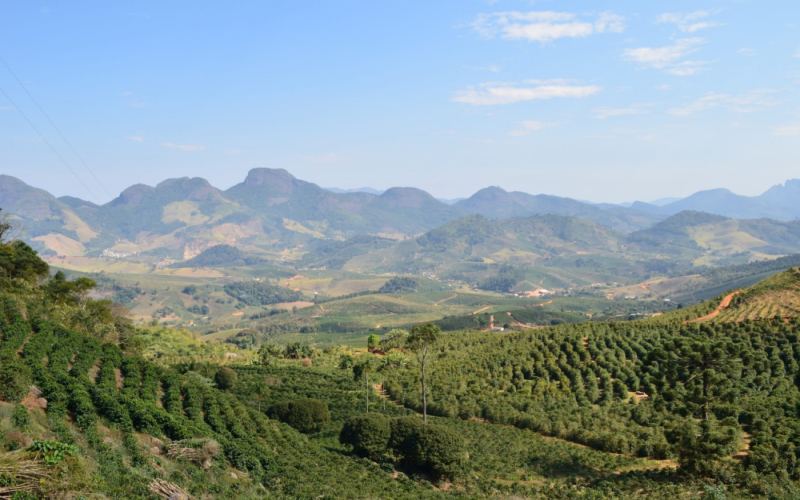
Brazil is the world’s largest coffee producer, and its beans are known for being low in acidity with rich notes of nuts and chocolate. This article delves into the evolution of Brazilian coffee varieties since their introduction in the 18th century, analyzes the terroir characteristics of major regions such as Cerrado, and explains how natural and pulped natural processing methods shape unique flavors. Whether you’re a beginner or a coffee enthusiast looking for everyday beans, you’ll gain key insights for selection and tasting. [more…]
Jamaica Blue Mountain Coffee Tasting Guide: Distinguishing Authenticity from Appearance to Flavor
Blue Mountain coffee is renowned worldwide for its rich and balanced flavor, but the market is flooded with counterfeit products, making it difficult for consumers to discern the genuine article. This guide will take you through the key techniques for identifying authentic Blue Mountain beans — from the appearance and feel of green beans, to their grinding aroma and brewing performance. We’ll also analyze the fundamental differences between so-called “Blue Mountain-blend” coffees and the true traditional product, helping you avoid price traps and choose a Blue Mountain coffee that’s truly worth it. [more…]
Brazilian Coffee Bean Grading Standards and Regional Characteristics: A Comprehensive Analysis of Altitude, Varieties, and Flavors
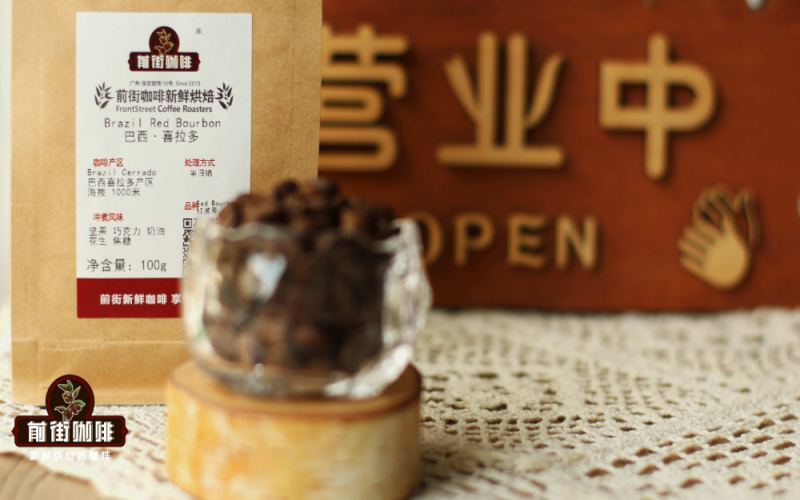
An in-depth exploration of Brazil’s classification system and key regional characteristics as the world’s largest coffee producer—from growing altitude and defect scoring to cupping flavor profiles, this provides a full breakdown of how Brazilian coffee quality is assessed. It also introduces renowned regions such as Cerrado and Mogiana, and recommends the highly popular Yellow Bourbon variety, helping you understand the neutral flavor profile of Brazilian coffee and its practical applications. [more…]
How Are Brazilian Coffee Beans Graded? An Analysis of the Three Major Standards and a Guide to Flavor Characteristics
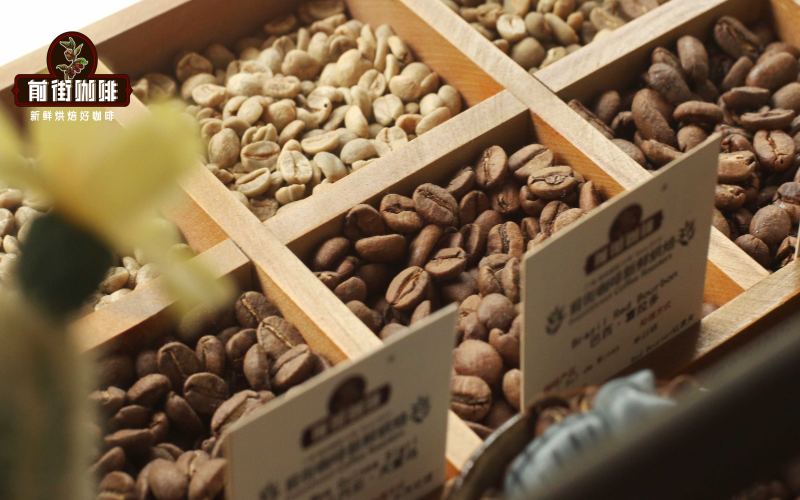
As the world’s largest coffee-producing country, Brazil’s grading system combines defect rates, screen size, and cupping performance to ensure consistent quality. This article provides an in-depth analysis of the three main grading methods for Brazilian coffee beans, including defect grades, green bean size, and flavor evaluation, and explains the meaning of sack markings. It also introduces two representative bean varieties—Cerrado Red Bourbon and Fazenda Rainha Yellow Bourbon—to help you quickly grasp the flavor profile and suitable brewing methods from the grading labels. [more…]
Honduras Coffee Grading and the Flavor Profiles of Its Eight Major Regions | Pour Over Parameters and Geographical Indication Stories
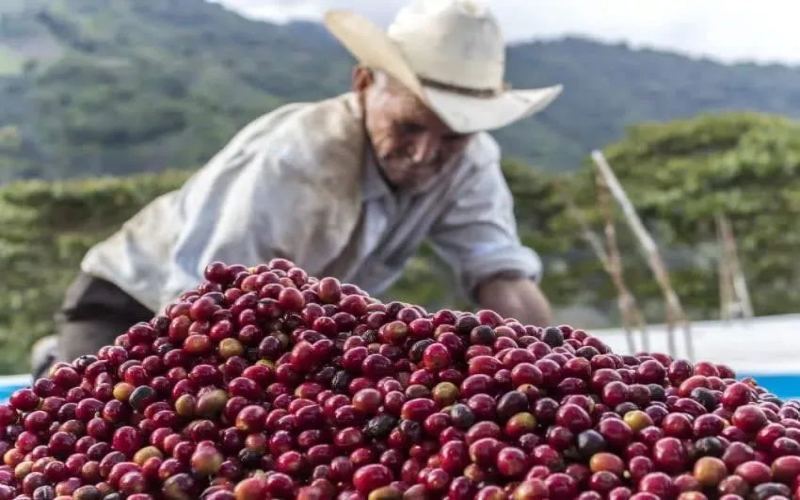
In recent years, Honduran coffee has evolved from bulk trade to the specialty market. Its rigorous grading system and unique geographical indication framework have given rise to a diverse array of flavor profiles. This article delves into the official grading standards of Honduran coffee beans, explores the characteristics of its six main producing regions and eight smaller regions with geographical indications in the west, and provides expert pour over recommendations to help you capture the essence of this Central American coffee origin. [more…]
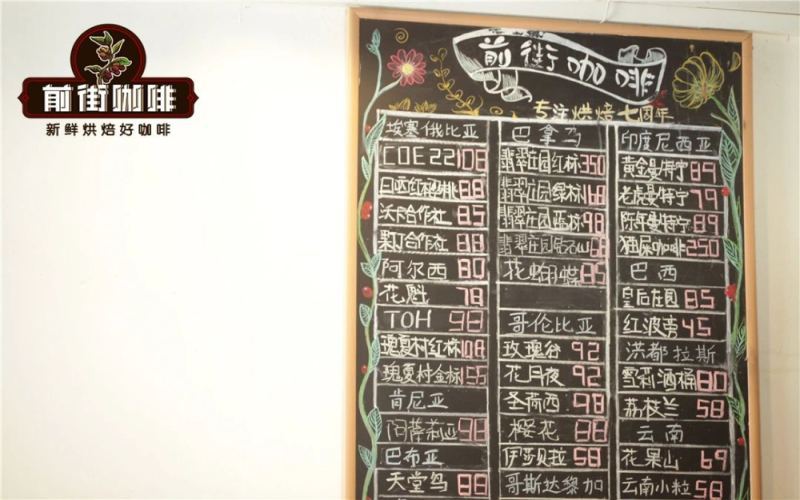
Unveiling Honduras' Six Major Coffee Regions | A Complete Guide to Wine Barrel-Fermented Beans and Varieties
Delve into the distinctive regional characteristics, flagship varieties, and the highly acclaimed wine barrel fermentation process of Honduras, a major coffee-producing country in Central America. This article details the geographical environments and microclimates of its six key regions and their impact on flavor profiles, while also explaining the processing methods and pour over recommendations for two wine barrel-fermented beans—Sherry and Laililan. It’s an essential beginner’s guide for specialty coffee enthusiasts and those exploring unique processing methods. [more…]
Complete Guide to the Flavors and Origins of Honduran Santa Bárbara Coffee
Want to explore the charm of Honduras, an emerging specialty coffee country in Central America? This article delves into the washed Parainema variety from the Santa Bárbara region, analyzing its distinctive floral, citrus, and maple sweetness. It also introduces the distribution of Honduras’ six major coffee-growing regions, processing techniques, grading systems, and offers practical roasting advice to help you better understand this rising star in the world of coffee. [more…]

Complete Guide to Colombian Rose Valley Coffee: Anaerobic Fermentation Process, Flavor Profile & Cold Brew Parameters
Colombian Rose Valley coffee is renowned for its unique double anaerobic enzymatic washed processing method. It comes from the Granja La Esmeralda estate in the Santander region, using the Caturra variety, and exhibits pronounced floral and berry notes. This article provides an in-depth analysis of this popular specialty bean—from regional background, varietal characteristics, processing techniques, to roast profiles and full pour over parameters—and offers practical brewing advice for both hot and cold pour over methods. It's perfect for coffee enthusiasts who want to deeply understand anaerobic beans and hands-on brewing. [more…]

In-depth Analysis of Indonesian Civet Coffee: From Production Regions, Processing Methods to Brewing Recommendations and Flavor Characteristics
Civet coffee, commonly known as "cat poop coffee," is highly controversial due to its unique production method and high price. This article starts with Indonesia’s major producing regions, delves into the internal fermentation process that occurs after civets consume coffee cherries, explains why its price remains so high, and explores how the digestive system actually affects the flavor. Additionally, we’ve compiled practical roasting records and pour over parameters, along with detailed flavor descriptions, to help you fully understand the mysteries and value of trying this special coffee. [more…]
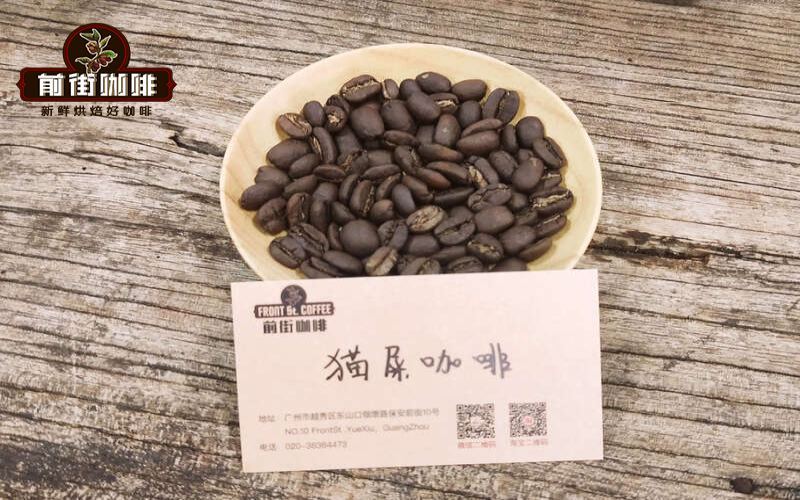
The Secrets Behind Indonesian Civet Coffee's Flavor & Its Producing Regions: Processing Methods, Brewing Tips, and High-Value Alternatives
Civet coffee (Kopi Luwak), one of the most controversial coffees in the world, has sparked widespread discussion due to its unique post-harvest processing and animal ethics issues. This article delves into the scientific principles behind fermentation in the civet’s digestive system, explaining how it creates its distinctive flavor profile. It also introduces the background of its original producing regions in Sumatra, Indonesia, and provides professional-grade roasting and pour over parameters. Additionally, it curates a selection of high-value alternative beans with diverse flavor profiles to help coffee enthusiasts make choices based on their taste preferences. [more…]
A Complete Guide to Specialty Coffee: From Green Bean Selection to Brewing Techniques
Specialty coffee is more than just rich aroma or full-bodied flavor—it's an entire quality chain spanning from green beans, roasting to brewing. This article delves into the evolving definition of specialty coffee, international evaluation standards, and explores how premium green beans, quality roasting, and excellent brewing together create a great cup of coffee. With practical details and industry background, it helps you build a systematic understanding of specialty coffee. [more…]
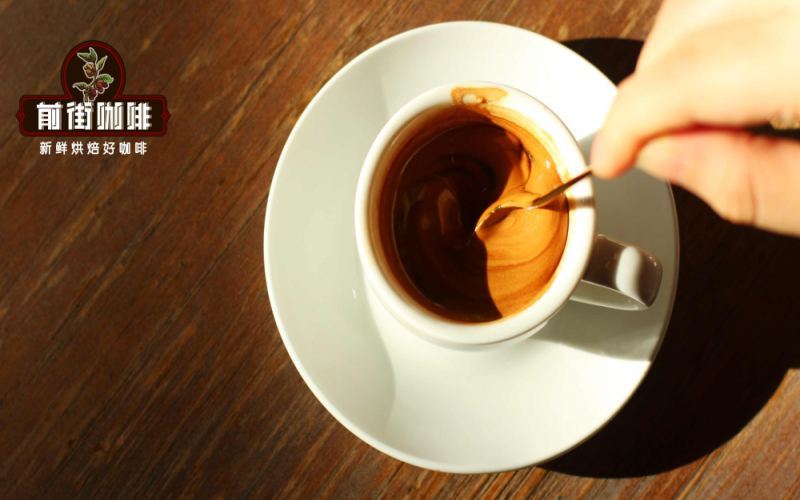
Analysis of Failed Espresso Extraction | Adjusting Ratio, Dose, and Grind Size to Improve Americano Flavor
Do you often find that with the same coffee beans, sometimes your espresso extraction yields a balanced flavor, while other times it turns out overly sour, astringent, or bitter? In fact, this is closely related to the coffee beans’ degassing stage, as well as environmental factors such as temperature, humidity, and air pressure. This article delves into the reasons why extraction parameters change over time and with varying environments, and provides a three-step tuning recommendation: prioritize adjusting the extraction ratio, then fine-tune the coffee dose, and only lastly modify the grind size. It also addresses the aging characteristics of medium-to-dark roasted beans to help readers master the secrets of stable extraction. [more…]
Analysis of Pour Over and Milk-Based Brewing for Indonesian Mandheling | Optimal Extraction Parameters and Bean Variety Selection
Indonesian Mandheling coffee is renowned for its full body, low acidity, and woody spicy notes, making it a classic choice for dark roast enthusiasts. This article delves into Mandheling’s wet-hulled processing method and dark roast characteristics, helping you understand the origins of its unique flavor profile. From pour over techniques to milk compatibility, we provide practical brewing tips and parameter settings to help you brew a balanced and sweet-aftertaste classic Mandheling at home. [more…]