








Introduction:Dark roasted coffee is often perceived as having a bold and rich flavor profile, yet many harbor doubts about its performance in pour over brewing. This article delves into the unique flavor spectrum of dark roast beans, explores the source of their robust texture, and provides specific adjustment suggestions for four key elements in pour over extraction—coffee-to-water ratio, time control, filter choice, and pouring technique. It also highlights several popular single-origin dark roast coffees on the market to help readers build a comprehensive knowledge system for tasting and brewing.
The charm of dark roasted coffee lies in its full-bodied mouthfeel and layered flavor complexity, but many coffee enthusiasts often encounter under-extraction issues when attempting pour over, resulting in a thin-tasting brew. How exactly should dark roast beans be brewed to achieve their best expression? First, it’s essential to understand that what we refer to as “body” is the sense of weight and texture that the coffee liquid creates in the mouth, which is closely related to the extraction yield and concentration of the coffee grounds. Because dark roast beans undergo longer roasting times, their physical structure becomes relatively loose, making it indeed easier for them to release intense flavor characteristics.

Looking back at the evolution of coffee roasting, early roasters preferred dark roasting mainly to enhance the coffee’s intensity and mask certain defects in green beans. With the rise of specialty coffee culture, consumers began to value regional characteristics and bright acidity, leading to the growing popularity of medium and light roasts. Nevertheless, dark roasting still holds an irreplaceable position, especially in showcasing chocolate notes, spicy aromas, and woody aftertastes. Generally speaking, the roast levels available on the market can be divided into three main categories—light, medium, and dark—each with its own distinctive flavor signature.
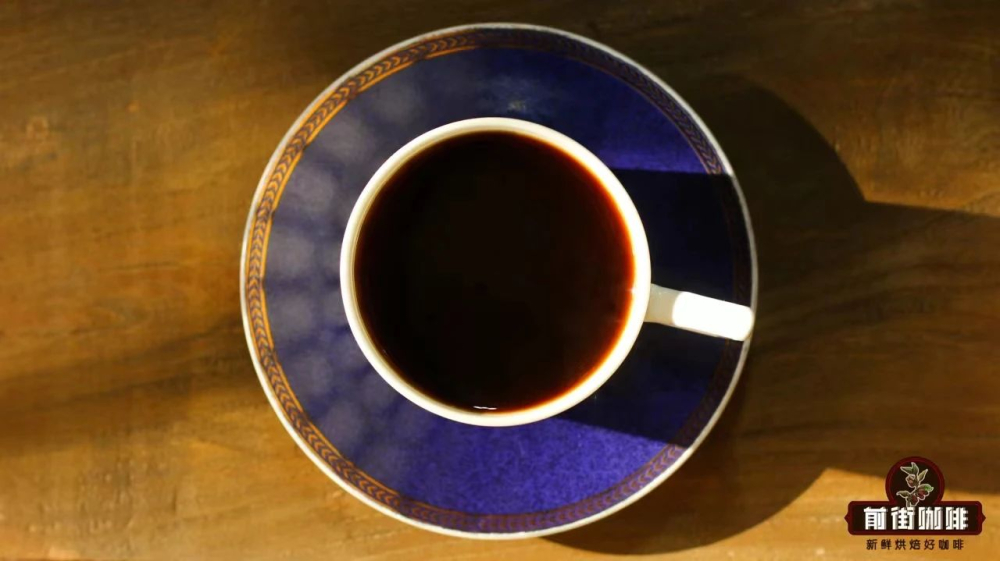
Lightly roasted coffee typically exhibits bright fruit tones, accompanied by lively acidity and floral or fruity aromas. For example, some washed beans from Ethiopian regions often display such characteristics. Medium roasts strike a balance between acidity, sweetness, and bitterness, with a focus on nutty, caramel, and malt flavors, making them suitable for drinkers who enjoy multi-layered profiles. As for dark roasts, their most prominent feature is a rich chocolate base, paired with moderate spices and smoky aromas, while acidity is significantly reduced—this is also why many classic espresso blends favor dark roasted beans as their base.
When it comes to hands-on brewing of dark roast beans, the first step is to master the crucial coffee-to-water ratio. A range of 1:12 to 1:15 is generally recommended, with the exact figure adjusted based on bean freshness and grind size. A ratio that is too high may lead to under-extraction, causing the coffee to lack the desired body, while a ratio that is too low can easily result in over-extraction and produce bitterness. Time control is equally important; ideally, the brew time should be maintained between 2 minutes 30 seconds and 3 minutes to ensure sufficient extraction without excessively prolonging contact time.
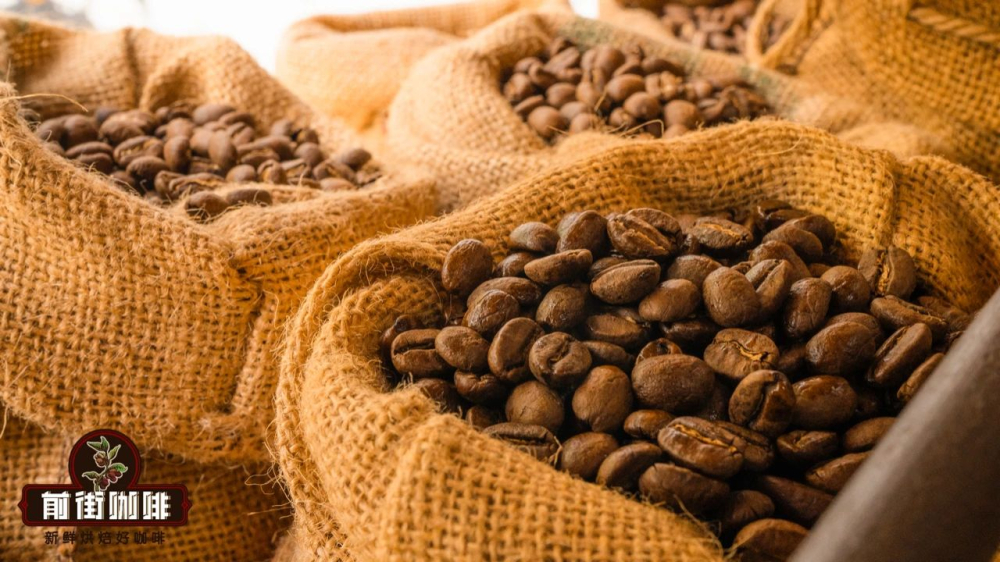
The choice of filter directly affects flow rate and extraction uniformity. For dark roast beans, fan-shaped filters such as V60 or Kalita Wave are recommended, as their design helps to drain excess sediment while maintaining appropriate extraction pressure. If you prefer a richer mouthfeel, you might also try using a metal filter, though be aware that it retains more fine particles, which can affect the smoothness of the cup. Regarding pouring technique, it is advisable to use a multi-pour method: start with a small amount of hot water for blooming, then proceed with the main pour in 2–3 stable pours at a consistent speed, and finally allow adequate time for the coffee bed to fully drain.
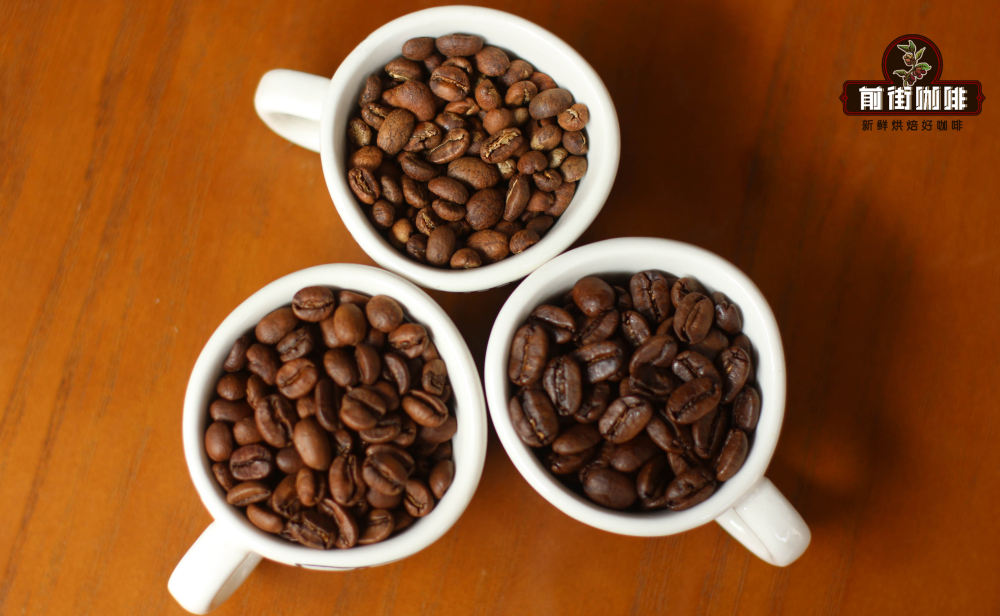
When selecting dark roast beans, there are many classic options worth trying. Indonesian Golden Mandheling is renowned for its unique herbal character and solid mouthfeel; dark roasts from Central and South America often showcase rich chocolate and nutty notes; and island beans such as Jamaican Blue Mountain can maintain a unique balance even under dark roast processing. Regardless of which beans you choose, pay attention to the roast date, and prioritize beans roasted within 1–2 weeks for the most vibrant flavor expression. Remember, although dark roast is known for its intensity, with precise adjustment of brewing parameters, it can still reveal surprising details and layers.
The above content is compiled by CoffeeHunters, a coffee news website.


