







Introduction:Making cold brew coffee at home hinges on mastering the right selection of coffee beans, grind size, and steeping conditions. This article details how to adjust cold brew parameters—such as coffee-to-water ratio and extraction time—to craft an ice coffee with balanced acidity and sweetness, and a crisp mouthfeel. It also offers practical advice based on the characteristics of light and medium-dark roasted beans.
Brewing a refreshing and smooth cold brew coffee at home is not difficult, but there are still a few key details to keep in mind. Cold brew is vastly different from traditional hot brewing methods—it relies entirely on slow extraction using water at temperatures between 4 and 10°C. As such, the roast level of the coffee beans, grind coarseness, coffee-to-water ratio, and steeping time all directly influence the final flavor.
Cold brew coffee generally comes in two forms: cold steeping and cold drip. The former involves soaking coffee grounds directly in cold water, while the latter uses a drip system where water gradually passes through the coffee layer by drop. It’s important to note that cold steeping can only be done using room temperature or iced water—if hot water is used, it cannot be called cold brew. Cold brew takes place entirely in a low-temperature environment, leading to lower extraction efficiency, which helps preserve sugars and organic acids while reducing the release of bitter substances. This results in a coffee flavor that is more balanced in acidity and sweetness, with a clean and crisp mouthfeel.
If you want to make satisfying cold brew coffee, it’s recommended to prioritize medium-light roasted coffee beans. These beans are easier to control in flavor under low-temperature extraction and offer a higher margin for error compared to medium-dark roasted beans. A wide range of single-origin beans with various processing methods and roast levels sold on the market—so long as they are suitable for pour over—can typically also be used for cold brew. Dark roasted beans may deliver rich and full-bodied flavors when hot brewed, but they tend to release excessive carbonized and burnt-bitter notes during cold brew, affecting overall performance.
If you prefer a refreshing, juice-like iced coffee, you can opt for light roasted washed beans, such as Ethiopia’s Yirgacheffe or Kenya AA. For more fruity and wine-like notes, consider honey-processed or wine barrel-fermented beans, such as Colombia Rose Valley, Honduras Sherry, or Strawberry Sugar Gesha blends. For those who dislike pronounced acidity, beans with more balanced flavors, such as Papua New Guinea Bird of Paradise, are a good choice.
In terms of grind size, since cold brew occurs in a low-temperature environment with lower extraction efficiency—and bitter substances are less likely to be released—the control over grind coarseness is not as strict as with pour over coffee. Generally, it is recommended to set the grind size to a 75–80% pass rate through a Chinese No. 20 standard sieve, which is about the fineness of fine sugar. This corresponds to approximately 9.5–10 on the EK43s grinder scale, or if using a C40 hand grinder, it’s advised to set it between 22–26 clicks.
As for steeping time, since the entire process takes place in an environment of 4–10°C, the extraction speed is slow, so more time is needed for the aromatic and acidic-sweet compounds to fully release. The generally recommended steeping time is 8 to 18 hours. Experiments have found that steeping for just 6 hours yields a coffee with thin flavor and insufficient aroma, while 24 hours can easily lead to over-extraction, resulting in noticeable bitterness. Coffee steeped for 10 to 16 hours usually exhibits the best aroma complexity and mouthfeel balance.
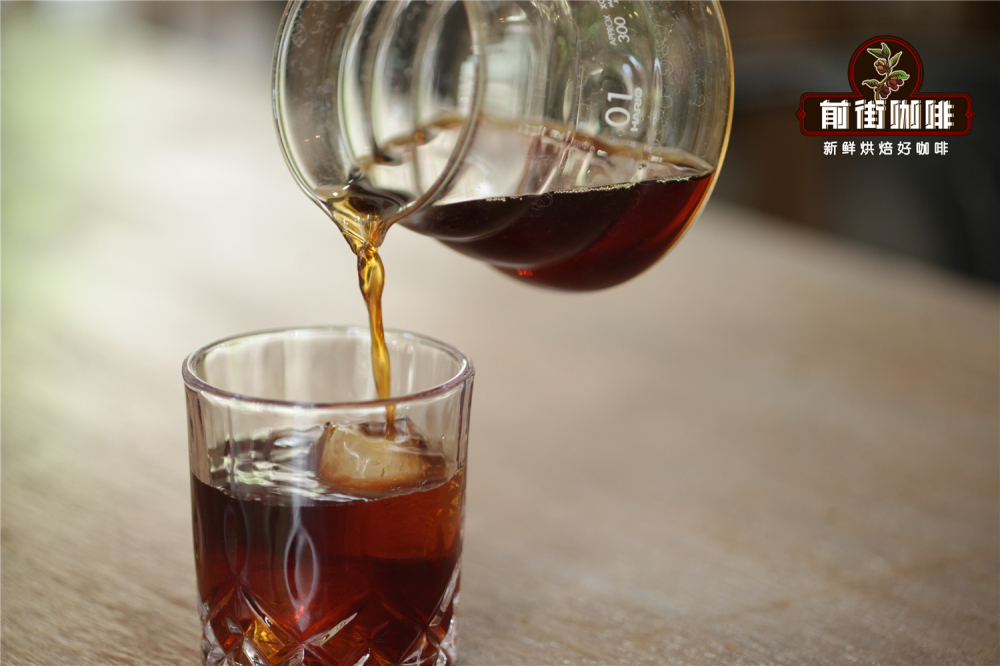
Coffee-to-water ratio is also a crucial factor influencing cold brew flavor. To avoid unstable flavors due to arbitrary mixing, it’s recommended to maintain a ratio between 1:10 and 1:13. If the ratio is too high, you can adjust concentration by adding ice cubes. Additionally, for a better flavor experience, it’s advisable to use a clean, sealable container for steeping.
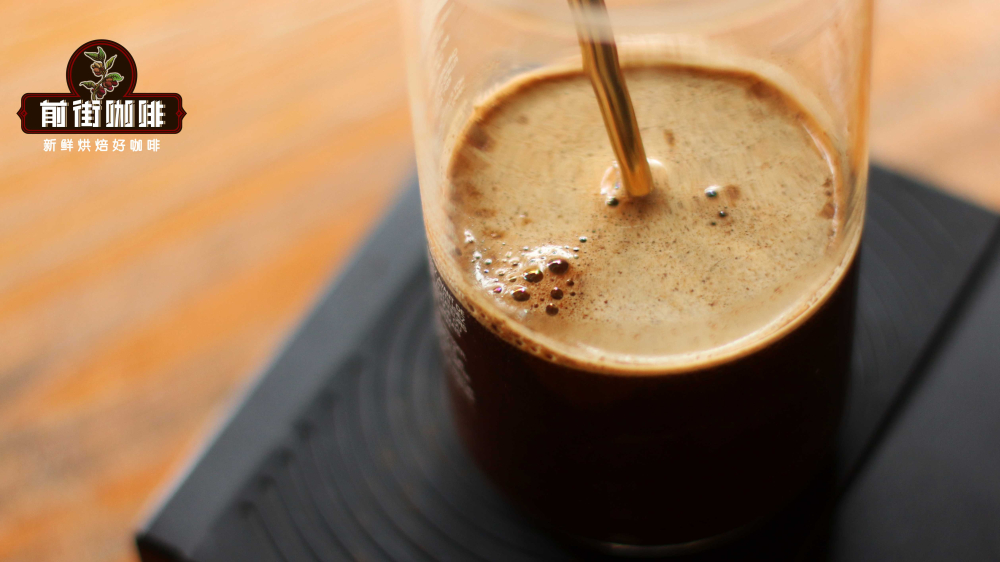
In practice, you can start by preparing about 40 grams of coffee beans, grind them to the aforementioned fineness, and then place them in a container with 480 milliliters of cold water. Stir gently to mix evenly and cover the container. To prevent off-flavors, you can cover the container with plastic wrap before refrigerating it for about 12 hours. After steeping, filter out the coffee grounds to enjoy clear cold brew coffee. For an enhanced flavor, you can also bottle the filtered coffee liquid and refrigerate it for another 4 hours.
Whether it’s cold brew or cold drip, since both are extracted in a low-temperature environment, to ensure optimal flavor and drinking safety, it’s recommended to consume the coffee within five days of preparation.
The above content is compiled by CoffeeHunters, a coffee news website.


