







Introduction:The essence of espresso extraction lies in the perfect balance between grind size and time—especially the golden 25 to 30-second window, which is critical for releasing the flavors of the shot. This article delves into grind settings and extraction parameters for different roast levels, teaching you how to adjust grind size based on extraction time, assess extraction stability, and offers practical advice for light to medium roasts and pre-infusion systems to help you master the flavor balance of every espresso shot.
When crafting a high-quality espresso, grind size and extraction time are like the two hands of a barista—closely coordinated and directly determining the final flavor expression. Extraction is the process by which soluble flavor compounds are dissolved from coffee grounds using water, and this process requires just the right amount of time to achieve an ideal balance of aroma, acidity, sweetness, and body.
Different brewing methods have varying time requirements, but among all extraction techniques, espresso is the most sensitive to time. This is because espresso machines operate under high temperature and9-bar pressure, resulting in extremely efficient extraction. Even a difference of just a few seconds can lead to under-extraction or over-extraction, significantly affecting the flavor profile of the coffee.
Looking back at the early standards of espresso preparation—whether single or double shots—the extraction time generally ranged between 20 to 30 seconds, with no strict regulations on dose or yield. However, with advancements in coffee roasting techniques, improvements in machine performance, and growing consumer demand for nuanced flavors, the old standards no longer fully apply to modern espresso extraction.
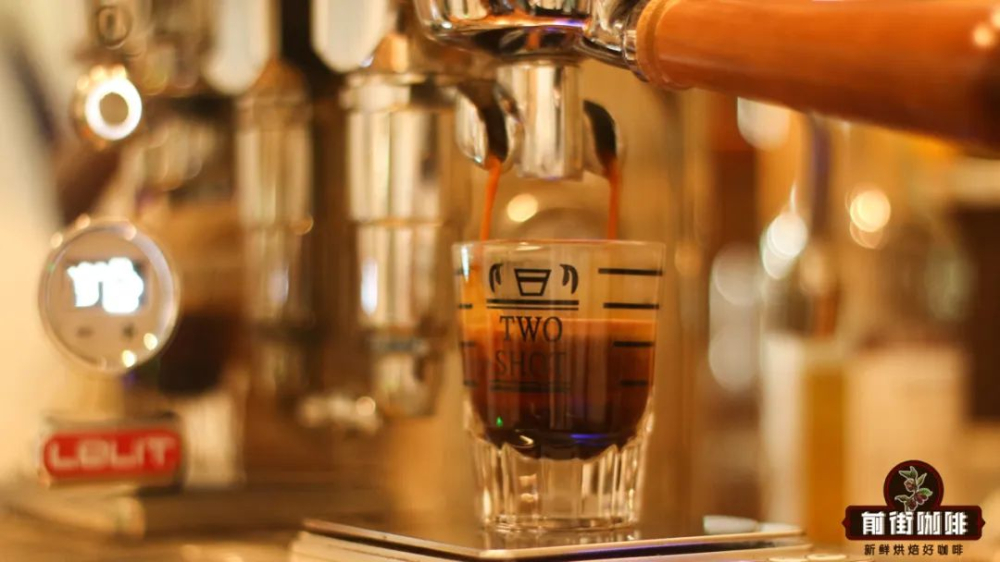
Today, the standard operating procedure used by most professional shops includes: using a double basket as the base, measuring the coffee yield by weight (rather than volume), setting the coffee-to-water ratio close to 1:2, and keeping the extraction time within25 to 30 seconds. This set of parameters helps quickly find the appropriate grind size while ensuring sufficient extraction and harmonious flavors.
In practice, this time range is especially suitable for dark or medium-dark roasted beans. These beans, due to their darker roast level, have a looser fiber structure and release flavors relatively quickly, thus not requiring excessively long extraction times. For example, with 20 grams of dark-roasted coffee beans and a 1:2 coffee-to-water ratio, if the extraction time is less than 25 seconds, under-extraction often occurs, resulting in a light-bodied, overly acidic cup with a lack of complexity; conversely, if it exceeds 30 seconds, over-extraction tends to happen, bringing out pronounced burnt bitterness and astringency.
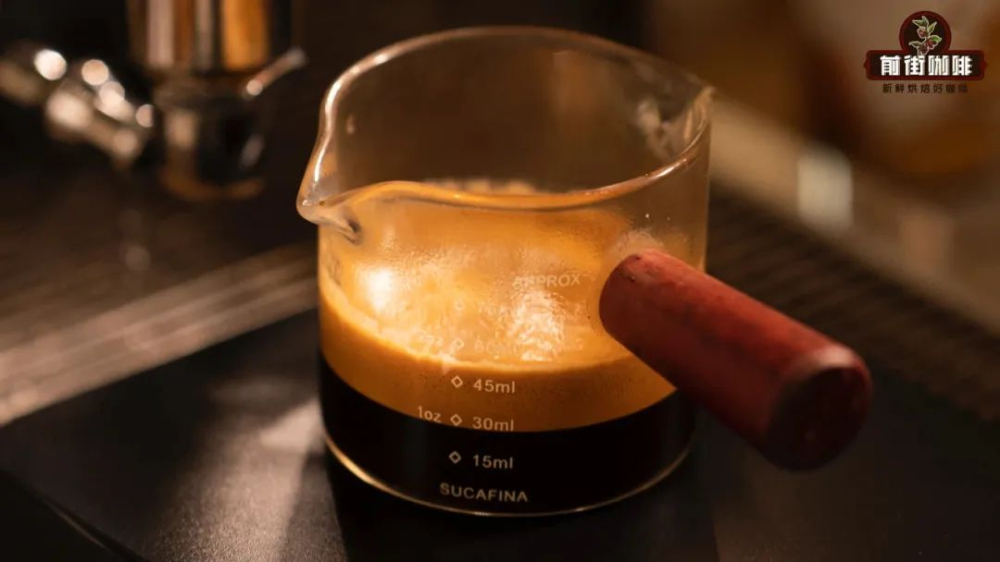
In addition to helping adjust flavor, extraction time is also a key indicator of extraction stability. After pulling a shot with satisfying flavor, you can observe whether the extraction time remains stable for subsequent shots. If the time varies by within 1 second, it indicates that the overall system is operating steadily and the parameters are well set; but if the time fluctuates by more than 2 seconds, it may be influenced by external factors such as portafilter pressure, leftover coffee grounds in the grinder, burr wear, or ambient humidity—in which case, you’ll need to re-evaluate your extraction conditions.
It’s worth noting that the recommended 25 to 30-second extraction time primarily applies to dark and medium-dark roasted beans, and is based on a dose of around 20 grams. But if you’re using light to medium roasted beans—which have higher density and slower flavor release—they often require a longer extraction time to fully express their floral, fruity notes, sweetness, and complexity.
Similarly, if you’re using a pre-infusion system or a dual-stage shower screen (as found in some high-end commercial machines), the initial phase pre-wets the coffee puck, and the subsequent main extraction time will accordingly be extended. In these cases, the extraction time may need to be adjusted to over 30 seconds, even approaching 40 seconds, to achieve the desired extraction effect.
In summary, grind size and extraction time are core elements that influence the flavor of espresso. While mastering the golden 25 to 30-second range is important, it’s equally crucial to flexibly adjust parameters based on the bean roast level, dose, equipment characteristics, and whether a pre-infusion system is used. Only in this way can you consistently pull balanced, complex shots of espresso with rich layers of flavor.
The above content is compiled by CoffeeHunters, a coffee news website.


