








Introduction:These washed coffee beans come from the Banko Gotiti Cooperative, a micro-region at high altitude in Yirgacheffe, Ethiopia, renowned for their bright acidity and berry-creamy flavor profile. This article delves into the background of the producing region, the traditional washed processing method, and provides expert roasting profiles and pour-over parameters to help you fully unlock the potential of this specialty bean — grasping everything from flavor characteristics to brewing techniques in one go.
Yirgacheffe is one of Ethiopia’s most iconic specialty coffee regions, widely praised for its distinctive citrus notes and delicate floral aromas. Among them, the Banko Gotiti Cooperative located in Gedeb town, benefits from high-altitude advantages and traditional washed processing to produce high-quality washed beans with a berry-creamy flavor. This article will detail the regional characteristics and processing methods of this coffee, and offer practical roasting and pour-over recommendations to guide you through its richly layered flavor profile.
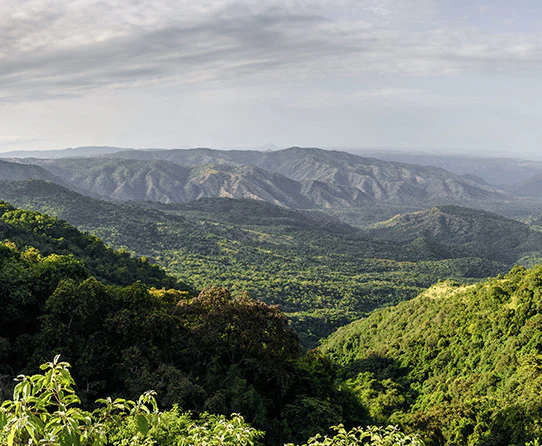
Originally a small town under the Sidamo province of Ethiopia, Yirgacheffe has long been a cradle of high-quality coffee due to its high elevation and cool climate. In the local ancient language, “Yirga” means “to settle down,” while “cheffe” refers to “wetland,” vividly depicting this misty highland environment. Today, Yirgacheffe is not only the name of a producing region but also a symbol of flavor — bright acidity, jasmine and lemon aromas, paired with the sweetness of peach and apricot, along with a tea-like finish, resulting in a clean, refreshing cup with a long-lasting aftertaste.
Gedeb town is located southeast of Yirgacheffe, with elevations generally ranging from 1900 to 2200 meters, higher than the average Yirgacheffe region, which leads to slower coffee ripening and more concentrated flavors. Although it is categorized under the Kochere region in the ECX auction system, its independent microclimate and superior quality have led the specialty coffee community to often regard it as a top-tier sub-region of Yirgacheffe. Well-known villages in the area include Worka Sakaro, Halo Bariti, and the star of this article — Banko Gotiti.
The Banko Gotiti Cooperative was formerly part of the Worka Cooperative under the Yirgacheffe Coffee Farmers Cooperative Union (YCFCU). In 2012, around 300 farmers established the Banko Gotiti Cooperative independently to improve traceability of green beans and quality control. The cooperative adheres to traditional washed and natural processing methods, and is hailed as the “last pure land of Yirgacheffe,” producing coffee beans known for their pure fruit aroma and delicate mouthfeel.
The washed processing procedure at Banko Gotiti is quite meticulous: harvested coffee cherries must be delivered to the processing facility within 6 to 12 hours. They first undergo flotation to remove unripe or defective cherries, then the pulp is removed using a pulper. The depulped coffee seeds enter fermentation tanks and rest for 18 to 36 hours, during which natural enzymes break down the mucilage layer. After demucilagination, the beans are thoroughly washed with clean water to remove residual mucilage, then spread out on raised beds or tarps for drying. The entire process takes about 5 to 14 days until the moisture content is reduced to around 11%, ensuring stability and purity of the green beans’ flavor.
For this washed Yirgacheffe, a light roast is recommended to preserve its bright acidity and fruity-floral character. During roasting, adopt a strategy of slow dehydration with low heat: set the initial drum temperature to 175°C upon dropping the beans, with the air damper open to 3 and the heat at 120; at approximately 1 minute and 32 seconds, the temperature rebounds to 140°C, adjust the air damper to 4, at which point the grassy notes fade and the main dehydration phase begins. Gradually reduce the heat to 100 (at 166°C) and then 80 (at 176°C), keeping the air damper unchanged until the bean surface shows wrinkles and dark spots (around 8 minutes and 28 seconds), when the coffee aroma shifts to a baked bread tone, signaling the approach of first crack.
First crack begins at 9 minutes and 38 seconds. At this point, adjust the air damper to 5 and closely monitor the cracking sounds, avoiding too little heat which could cause the crack to stall. Continue roasting for 1 minute and 30 seconds after first crack, and drop the beans at 193.5°C to lock in the delicate flavors of flower, fruit, and berries.
For pour-over brewing, it is recommended to use a Hario V60 filter cone, with water temperature controlled at 92°C, 15 grams of coffee, a 1:15 coffee-to-water ratio, and a medium-fine grind size (approximately 80% through a #20 sieve). The brewing method suggests a pulse pouring technique: start by pouring 30 grams of water for a 30-second bloom, then continue pouring in small circles until reaching 120 grams for the first pour. When the water level drops and is about to expose the coffee bed, pour again up to 225 grams, then stop. The total extraction time is about 1 minute and 50 seconds. These parameters fully highlight the layers of berry, cream, and citrus, with a clean aftertaste that is refreshing and carries a sweet acidity.
The flavor profile of these Banko Gotiti washed beans is distinct: the cup opens with bright lemon acidity, develops into blueberry and red berry notes in the mid-palate, and finishes with a silky creamy texture and subtle tea-like aroma. Whether you’re a coffee novice or a professional roaster, you can appreciate the unique charm of this Yirgacheffe micro-region through its clear and layered flavors.
The above content is compiled by CoffeeHunters, a coffee news website.


