







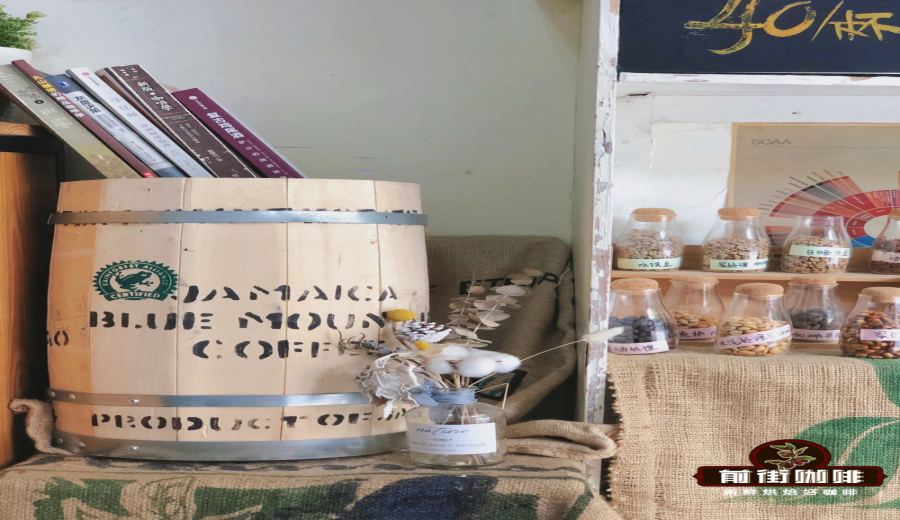
Introduction:Jamaica Blue Mountain No. 1 coffee beans are renowned for their delicate balance and rarity, making them a highly sought-after delicacy among coffee enthusiasts. However, the market is flooded with various products labeled as “Blue Mountain,” making it difficult to discern the genuine from the fake. This article delves into the true Blue Mountain growing region, offering an in-depth analysis of the cultivation conditions and grading system of Jamaica Blue Mountain No. 1, along with an introduction to its classic flavor profile and professional pour over brewing recommendations to help you find a truly worthy cup of authentic Blue Mountain coffee.
When it comes to top-tier coffee, Jamaica Blue Mountain No. 1 is almost a legendary name known to all. It not only boasts an exceptional sense of balance but also commands a high price due to its rarity and premium quality. However, the “Blue Mountain” labels on the market vary widely, with some products containing not a single bean actually grown in the Blue Mountain region. This article will use the Jamaica Blue Mountain No. 1 produced by Clifton Mount Estate in the Blue Mountain range as an example to reveal the true face of Blue Mountain coffee.
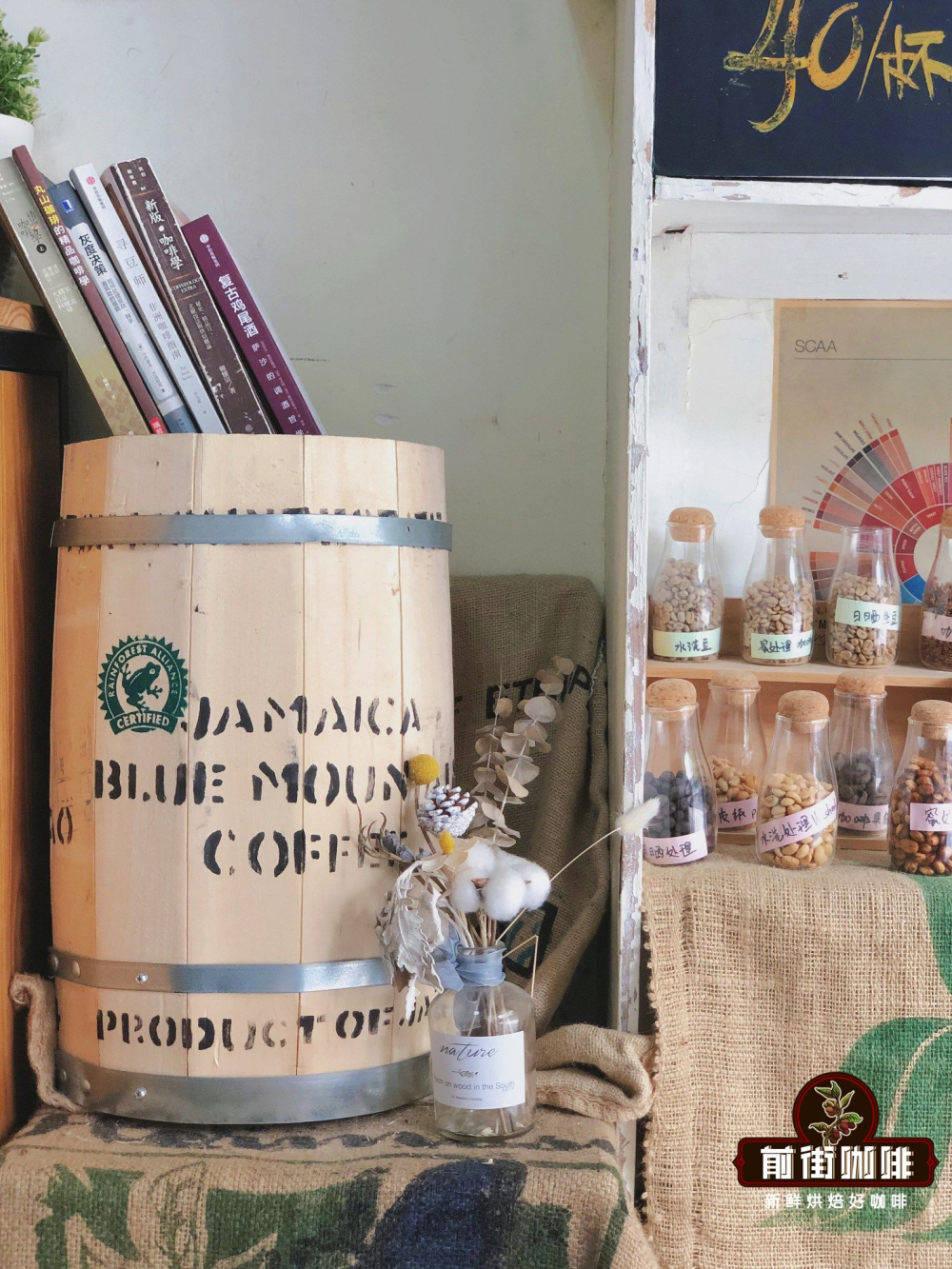
Many people’s impression of Blue Mountain coffee may stem from a classic line in old Hong Kong dramas: “Bring me a cup of Blue Mountain coffee.” This line also reflects the status of Blue Mountain in the specialty coffee world. The reason Blue Mountain coffee is so expensive lies not only in its exquisitely smooth taste but also in the region’s unique geographical location and extremely strict grading classification system.
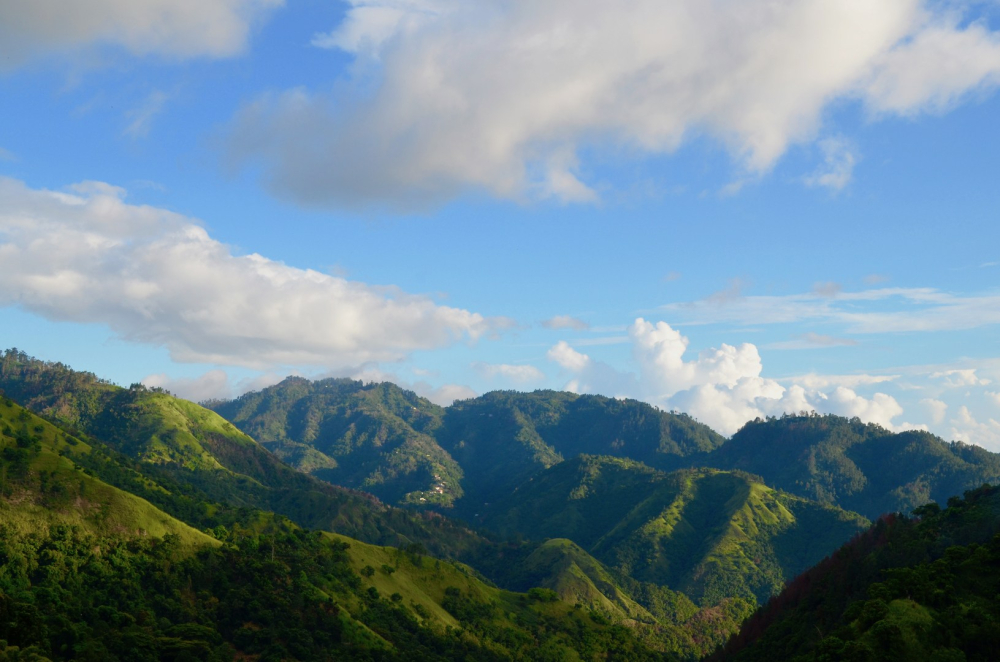
Blue Mountain coffee is grown in the Blue Mountains of eastern Jamaica, a mountainous region embraced by the azure Caribbean Sea. When sunlight shines on the mountaintops, it reflects a dreamlike blue halo, hence the name “Blue Mountain.” The main peak of the mountain range reaches an elevation of 2,256 meters, making it the highest point in the entire Caribbean region and also a world-renowned tourist destination.
This area is located within the so-called “coffee golden belt,” boasting fertile volcanic soil, a mild and stable climate, as well as abundant and evenly distributed rainfall and morning fog. These conditions together create the unique flavor characteristics of Blue Mountain coffee: a well-balanced acidity, sweetness, and bitterness, pure aroma, and a mellow yet not overpowering mouthfeel.
The Blue Mountain range spans four administrative regions: Saint Mary, Saint Andrew, Portland, and Saint Thomas. Based on differences in altitude, local coffee is categorized into three major grades: Jamaica Blue Mountain Coffee, Jamaica High Mountain Coffee, and Jamaica Prime Coffee. Among these, only coffee grown at elevations between 1,000 and 1,700 meters can bear the name “Blue Mountain.” Elevations above 1,700 meters are designated as protected areas, while those below 500 meters mostly produce lower-grade Prime Coffee.
Within Blue Mountain coffee, further distinctions are made into No. 1, No. 2, No. 3, and peaberry. Among them,Jamaica Blue Mountain No. 1 has the most stringent green bean specifications, requiring bean size to be 17/18 mesh and the percentage of defective beans not to exceed 2%. Due to such strict selection criteria, only about one-quarter of all Blue Mountain coffee qualifies for the No. 1 grade, which also contributes to its very high market value.
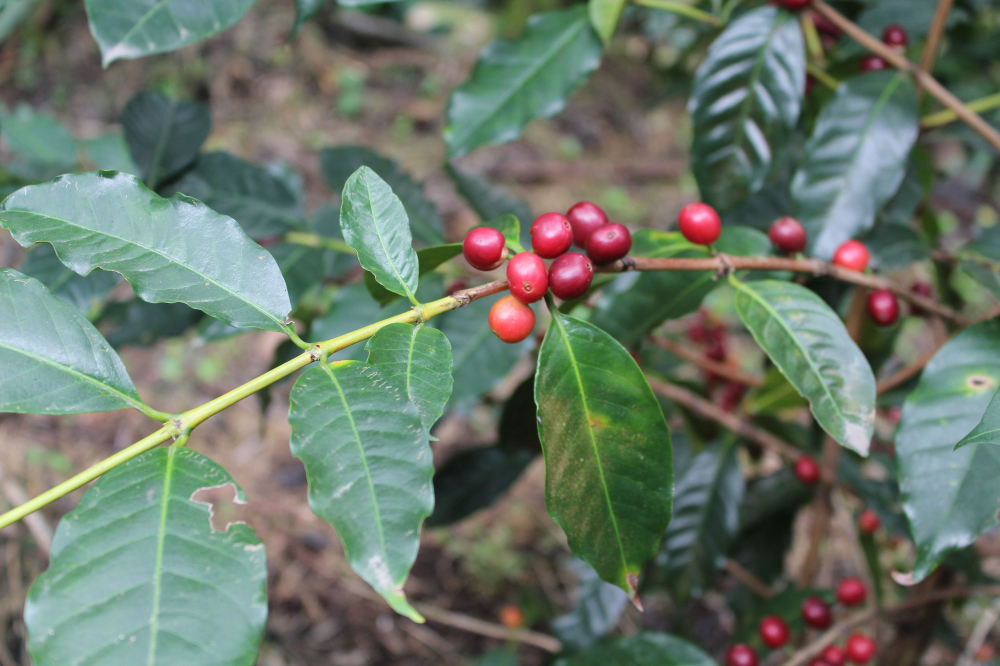
Currently, most well-regarded Jamaica Blue Mountain No. 1 coffee beans come from Clifton Mount Estate in the Blue Mountain range, particularly the section located at Catherine’s Peak. This farm has been operated by the Sharp family for nearly two hundred years, not only preserving traditional cultivation techniques but also achieving Rainforest Alliance certification, excelling in ecological and sustainable practices.
It’s worth mentioning that Jamaica is one of the few places in the world that still uses wooden barrels to transport green coffee beans. Compared to the commonly used jute sacks, wooden barrels better preserve the original flavor and freshness of the beans. If you’ve ever seen the physical packaging of Blue Mountain coffee beans, you’ll likely be impressed by its distinctive woody aroma and refined packaging.
Jamaica Blue Mountain No. 1 mainly uses the Typica variety, processed through the washed method. This particular No. 1 is grown at an altitude of about 1,310 meters and exhibits distinct characteristics of high-quality mountain-grown coffee: elegant aroma, rounded mouthfeel, and rich layers of flavor.
For this deeply roasted Jamaica Blue Mountain No. 1 coffee bean, it is recommended to use a KONO filter for pour over brewing to more efficiently extract its rich body. The suggested water temperature is 88°C, with a coffee dosage of 15 grams and a coffee-to-water ratio of 1:15, using medium grind coffee that passes about 75% through a Chinese standard No. 20 sieve.
Specifically, start by pouring 30 grams of hot water for a 30-second bloom to initiate flavor release. Then, slowly circle the water from the center outward until you reach 125 grams. After the water level drops, continue pouring up to 225 grams, keeping the total extraction time around 2 minutes. This parameter setup minimizes the risk of over-extraction while highlighting the nutty and dark chocolate notes unique to Jamaica Blue Mountain No. 1, while preserving a well-balanced acidity and sweetness.
It’s important to note that due to the deep roast, excessively high water temperature or overly fine grind can easily lead to burnt or bitter flavors. Special attention should be paid to water temperature control and pouring speed during brewing. Additionally, the coffee beans are shipped about 5 days after roasting. By the time customers receive them, they are usually just entering the optimal drinking period (approximately 4–7 days after the resting period), but it is still advisable to perform a 30-second bloom before brewing to effectively release carbon dioxide and ensure a stable extraction.
If you don’t have a grinder, although some shops offer grinding services, please be aware that once ground, the coffee’s flavor compounds will deteriorate more rapidly. For the most authentic and captivating flavor experience of Jamaica Blue Mountain No. 1, it is recommended to purchase whole beans and grind them fresh before brewing.
The above content is compiled by CoffeeHunters, a coffee news website.


