







Introduction:To consistently extract an espresso with balanced flavors, adjusting the grinder’s grind size is absolutely a fundamental key. Whether you’re using a traditional manual grinder or a smart electric grinder, how do you fine-tune based on the beans’ condition and environmental factors? How can you determine if the grind is appropriate by observing the powder appearance, flow rate, and extraction time? This article fully explains the purpose of grind adjustment, the differences between manual and electric grinder operation, the distance between the puck and the outlet, and other details. It teaches you from basic to advanced techniques, helping you easily master professional-level adjustment skills.
To consistently brew an ideal shot of espresso, calibrating the grinder’s grind size is almost a daily essential task. Many professional coffee shops even readjust the grind settings every few hours—especially when there are noticeable fluctuations in air pressure, temperature, or humidity. Changes in the physical state of the coffee beans directly affect the flow rate and extraction efficiency. So why is grind adjustment so important? How can you tell if the grind is just right? Below, we’ll start with the basic principles and then dive deep into the specific adjustment processes for both manual and electric grinders, including the coordination of dose, grind size, and brew ratio—to help you make high-quality espresso at home or in a shop.
Why Do Coffee Shops Need to Adjust Their Grinders Every Day?
In professional coffee preparation, especially under the high-pressure environment of espresso extraction, even the slightest variables can significantly impact the final flavor. The moisture content of coffee beans changes over time, while ambient temperature and humidity also affect bean density. In addition, grinder burrs gradually wear down with use, all of which alter the actual grinding result. Therefore, experienced baristas will re-evaluate the grind size based on extraction performance—at least every few hours. Some shops even recommend checking again every five hours to ensure consistent quality in every shot of espresso.
The Real Purpose of Adjusting the Grinder
Simply put, grind adjustment means controlling the coarseness of coffee grounds by altering the distance between the burrs, thereby regulating the resistance of water flowing through the coffee bed and the extraction time. When the burrs are set to a narrower gap, the resulting coffee grounds are finer, the puck is denser, water resistance is higher, and extraction time is prolonged. Conversely, if the burr gap is wider, the particles are coarser, water flows more easily, and extraction speed is relatively faster. This is similar to the difference between water flowing through stones versus fine sand—the gaps between stones are large, allowing quick passage, while fine sand forms a dense layer that slows the flow. Thus, mastering the correct grind size is key to influencing how coffee flavors are released and ensuring balanced extraction.
How to Determine if the Ground Coffee Is Suitable?
The most straightforward way is to touch and observe it by hand. Ideal espresso grounds should appear as a fine powder but also have a slightly gritty, sandy texture. If the feel is too soft, similar to flour, it indicates the grind is too fine; if it feels rough or even slightly abrasive, the grind is too coarse. These details are directly reflected in the subsequent extraction performance—for example, too fine may lead to over-extraction, bitterness, and astringency, while too coarse may cause under-extraction with sourness dominating.
Detailed Guide to Manual Grinder Adjustment
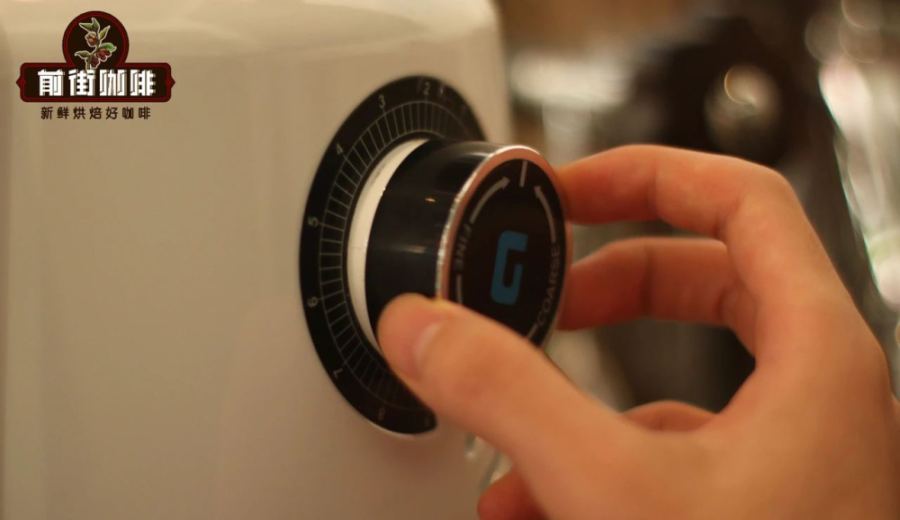
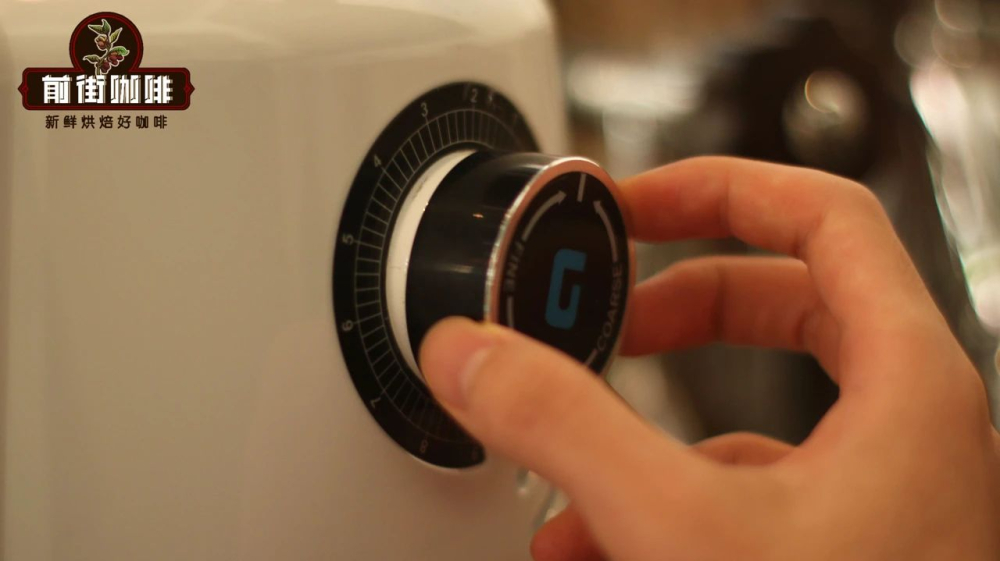
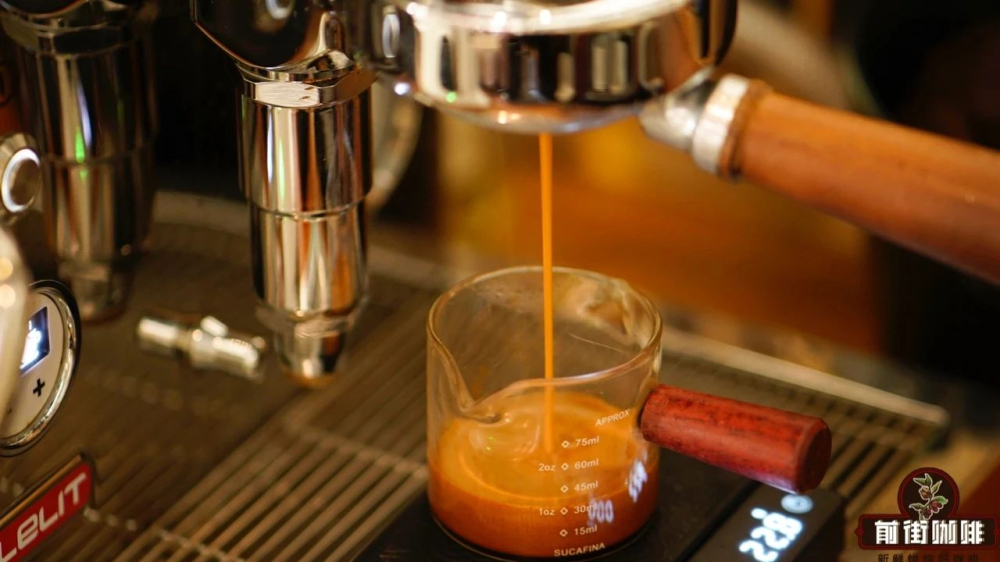
The adjustment scale design varies slightly among different manual grinders. It is recommended to first familiarize yourself with your model’s rotation direction and the scale intervals. Generally speaking, for everyday use, only minor adjustments are needed—usually within a 3-millimeter rotation range can noticeably change the grind coarseness and thus affect the extraction time by about 3 to 5 seconds. Before adjusting, make sure there are enough coffee beans in the hopper and that they can smoothly enter the grinding area. During operation, you may run the grinder empty for about 10 seconds to expel any initial, unadjusted coffee grounds. Then, use the newly adjusted grind to brew a shot of coffee. It is suggested to use a baseline of 18 grams of coffee grounds to extract 18–36 grams of liquid (a brew ratio of 1:1 to 1:2), and observe the extraction time and flavor profile. Gradually fine-tune the scale until the desired state is achieved.
Key Points for Electric Grinder Adjustment
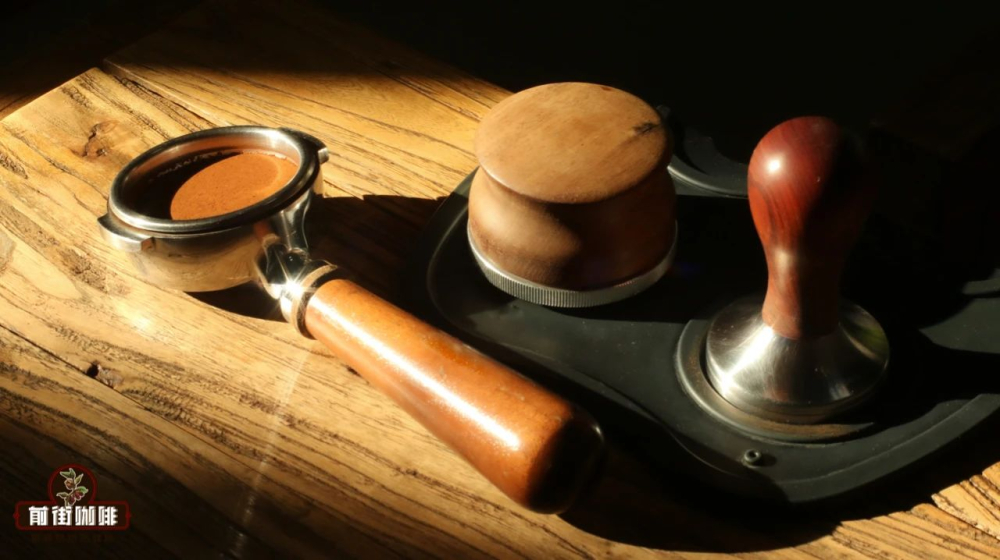
Compared to manual grinders, electric grinders have the added feature of automatic dosage control, but attention is still needed regarding the interrelationship between grind size and discharge time. Most electric grinders control the amount of coffee dispensed by setting time rather than precise weighing. Therefore, when you adjust the grind coarseness, the change in burr gap alters the number of coffee beans passing through in the same amount of time, thus affecting the final dose. Ideally, the puck and the outlet should maintain a distance of 5 to 6 millimeters. If the puck is too high or too low, the discharge time needs to be adjusted (usually by fine-tuning 0.2–0.3 seconds each time), and the coffee’s extraction performance should be reassessed. When making adjustments, it is especially important to note that changing the grind size will also affect the discharge speed. Therefore, it is advised to experiment multiple times to find the best combination for your current beans and environment.
Practical Advice for Mastering Brew Ratio
On the foundation of a stable grind size, the brew ratio is another major factor influencing the flavor of espresso. Beginners are advised to first fix the coffee dose (e.g., 18 grams), then try different extraction volumes (such as 18 grams, 24 grams, 36 grams), and observe the differences in taste, body, and clarity across various brew ratios (like 1:1, 1:1.3, 1:2). The final ratio can be fine-tuned according to personal taste, but it is essential to record each adjustment’s parameters and sensory feedback as a reference for future grind calibration.
Conclusion: Stable Extraction Starts with Precise Grind Adjustment
No matter which type of grinder you use, any slight adjustment will directly reflect in the extraction results. Therefore, professional baristas develop the habit of daily checking and fine-tuning their grinders to ensure the consistent quality of every espresso. Moreover, beyond technical precision, selecting a coffee bean with rich flavor complexity and suitability for espresso extraction is also key to crafting a great cup. If you want to challenge professional-level performance at home, start by stabilizing your grind and brew ratio, and gradually build your own perfect espresso.
The above content is compiled by CoffeeHunters, a coffee news website.


