







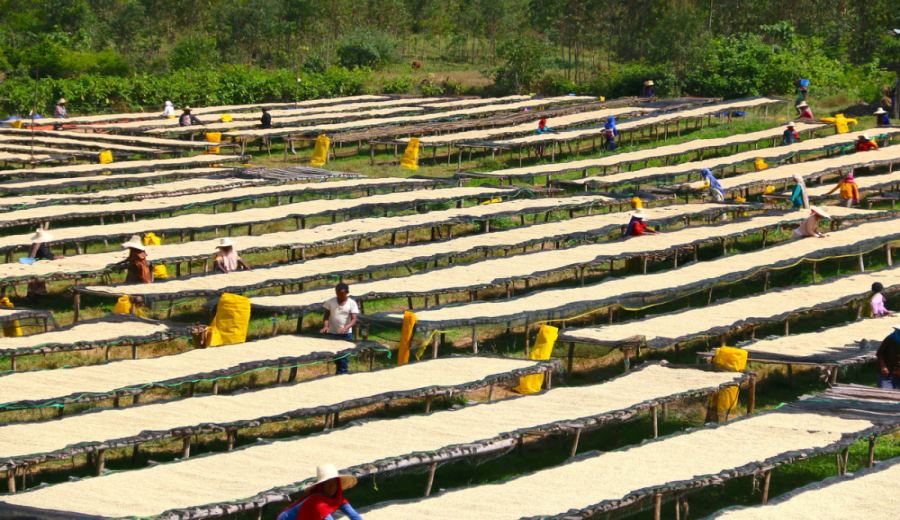
Introduction:Ethiopian coffee is renowned for its bright acidity, especially beans from regions like Yirgacheffe, which often exhibit a refreshing sourness reminiscent of lemon and citrus. Many beginners mistakenly perceive this acidity as a defect, but in fact, it is a natural expression of the bean variety, growing environment, and processing method. This article delves into the sources of coffee acidity, analyzes how light to medium roasts influence acidity, and provides pour over parameters and techniques to help you master the balance of sweet, sour, and bitter, and appreciate the layered charm of specialty coffee.
The acidity of coffee is often the first hurdle for newcomers. Especially when you first taste Yirgacheffe from Ethiopia, with its bright acidity featuring lemon and citrus notes, it’s easy to mistake it for “is this coffee spoiled?” In reality, this characteristic is precisely the essence of Ethiopian coffee and an important indicator distinguishing regional flavor profiles.
Coffee acidity does not stem from a single source, but is jointly shaped by varietal genetics, growing altitude, processing methods, and roast depth.Different regions, due to variations in climate, soil, and microclimates, often produce coffees with distinct acid profiles.For example, Yirgacheffe is known for its crisp acidity, often described as lemon or bergamot; whereas Sidamo’s acidity leans more toward a berry profile, rich in layers and complexity.
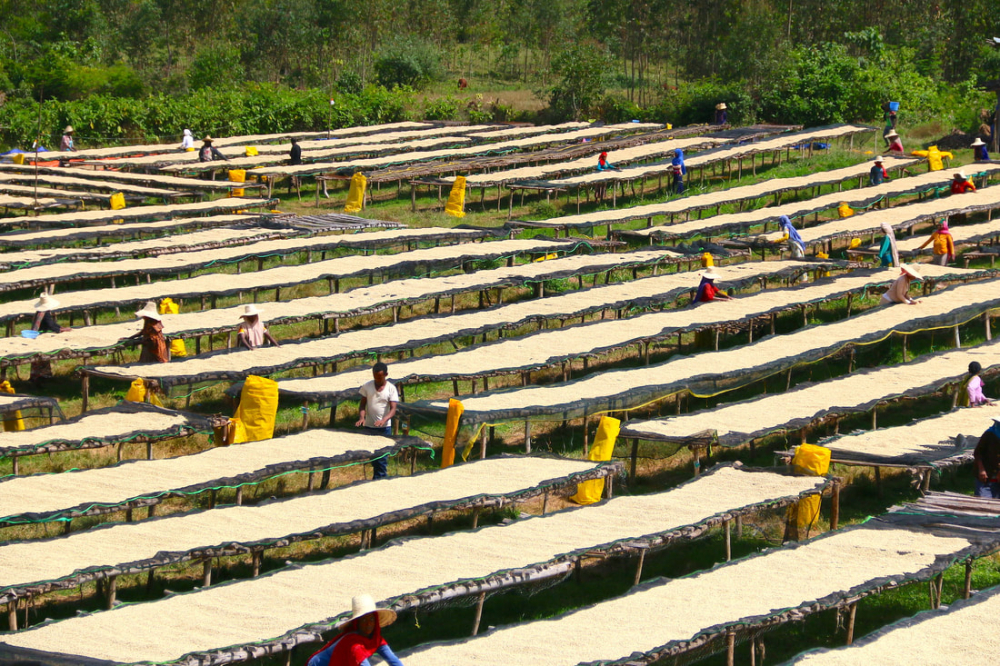
The acidic components in coffee beans mainly come from natural organic acids inherent in green beans, including citric acid, malic acid, quinic acid, and phosphoric acid.These acids undergo a series of chemical changes during roasting, thereby influencing the final flavor profile.Generally speaking, the lighter the roast, the more pronounced the acidity; the darker the roast, the more the acidity is masked by caramelization and other reactions, shifting toward rich bitterness, sweetness, and spice notes.
Therefore, if you prefer coffee with bright acidity, it is recommended to chooselight to medium roasted beans from African regions, such as those from Ethiopia and Kenya. Ethiopia’s Guji Dingding and Natural Red Cherry are representatives of washed and natural processing methods, showcasing distinctly different sweet and sour profiles. If you’re not accustomed to acidity, medium to dark roasted Sumatra Mandheling from Indonesia is a better option, with its low acidity, full body, and subtle herbal aroma, suitable for drinkers who prefer a more stable flavor.
However, factors beyond the beans themselves also play a critical role in the final acidity of a cup of coffee. Pour over parameters are equally key.Grind size, water temperature, and extraction time all directly affect the extraction ratio of sweet, sour, and bitter.Many home brewers often report that even when using the same African beans, the acidity can sometimes be overly strong, sometimes too weak, or even astringent. This is often related to the following factors.
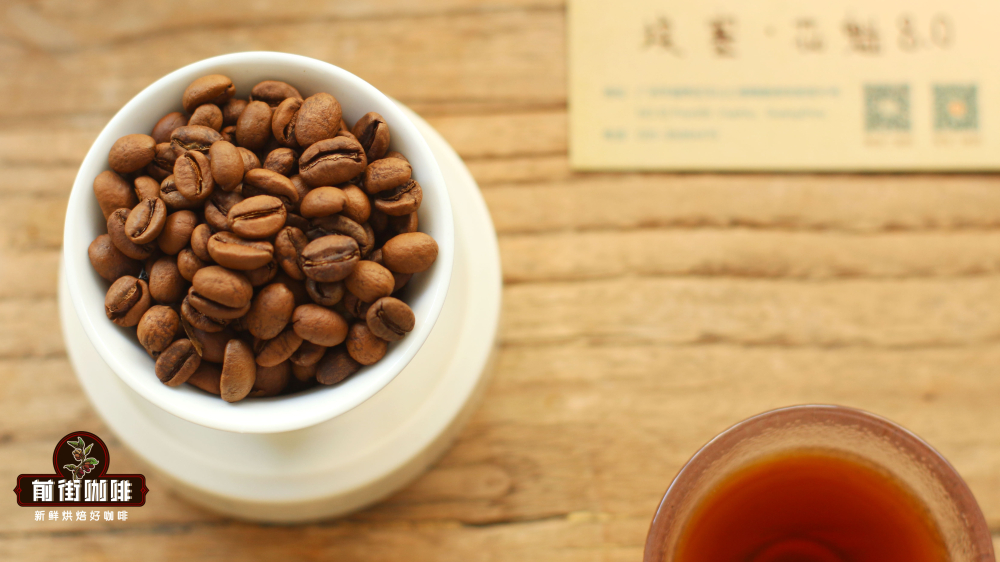
First is grind size.The finer the grind, the greater the contact surface between water and coffee grounds, leading to extraction of more substances, including bitterness and some impurities, while acidity is suppressed.A coarser grind allows acidity to be more easily released, but if too coarse, it may result in under-extraction, where acidity stands out but lacks complexity. Second is water temperature. The generally recommended hot water temperature for pour over is between88°C and 92°C. Light roasted beans suit slightly higher temperatures (around 90°C–92°C), which can fully bring out acidity and floral-fruity notes; medium to dark roasted beans are better at slightly lower temperatures (around 86°C–88°C) to avoid over-extracting bitterness.
If you don’t have a thermometer at home, you can observe the state of boiling water: after the water boils, let it sit briefly until the large bubbles disappear — the temperature will then be around 96°C, and you can let it cool a little further to reach the desired range. Practical tests with varying water temperatures on the same bean show that too high a temperature not only increases bitterness but also masks sweetness; too low a temperature results in sharp acidity, often accompanied by unpleasant astringency, along with insufficient sweetness.
Another key variable is extraction time, or the total duration that coffee grounds are in contact with water.Too long leads to over-extraction, releasing excessive impurities, making the coffee taste heavy, bitter, and unbalanced; too short leads to under-extraction, resulting in weak, sour coffee with a thin, watery mouthfeel.Finding the right extraction time is the foundation of balanced flavor.
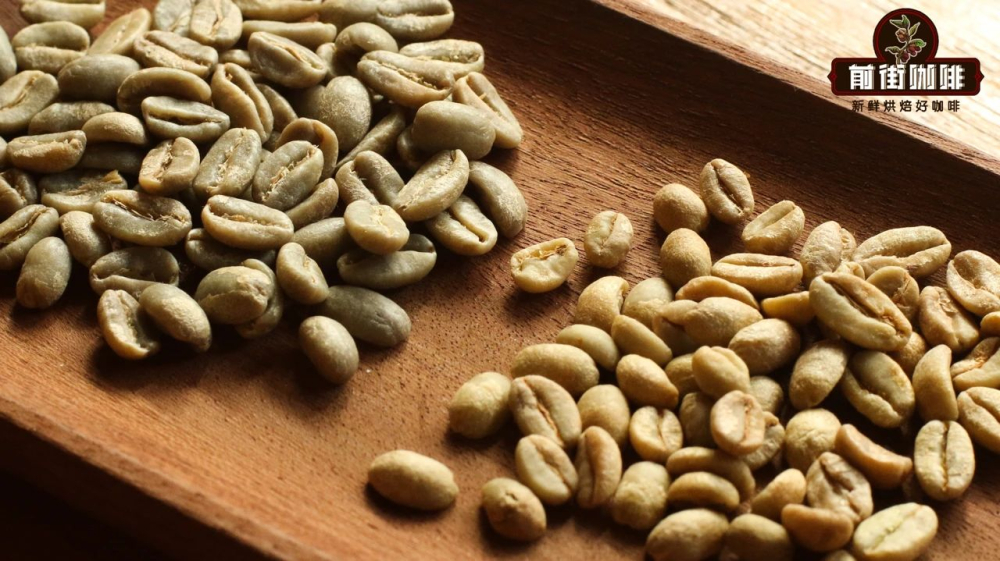
Take Kenya’s Small Tomato coffee beans as an example — these beans from the Kirinyaga region offer a clean and bright acidity with notes of cherry tomato and berries. The flavor is clean and vibrant. Below is a set of tested and effective pour over parameters suitable for use with a V60 filter, which can fully showcase its characteristics:
— Coffee dose:15 grams
— Brew ratio:1:15 (total water volume 225 ml)
— Water temperature:90°C
— Using a V60 filter, extraction is performed viaa three-pour method. The steps are as follows:
The steps are as follows:
1. First pour30 grams of water for blooming, for about 30 seconds, during which the coffee grounds will expand and release a lot of aroma.
2. The second pour involves adding120 grams of water in small circles at the center, at a height of about 5 cm, with a gentle flow to avoid vigorous agitation, and when the water level drops to about halfway down the coffee bed, proceed to the third pour.
3. The third pour involves slowly circling the water from the center outward, controlling the flow at about4 grams per second, for a total of240 grams of water, with a total extraction time of about1 minute and 50 seconds.
These parameters help avoid bitterness from over-extraction, while fully highlighting the balanced sweet and sour profile unique to Kenyan beans. The brewed coffee features a wet aroma of ripe tomatoes and rich floral notes, with a bright and clean mouthfeel where the acidity of cherry tomatoes and black plums intermingle. The aftertaste is long and lingering.

The above content is compiled by CoffeeHunters, a coffee news website.


