







Introduction:As a globally renowned coffee-producing country, Indonesia is home to the distinctive Sumatra Mandheling and West Java coffees. This article delves into the historical background, growing environments, varieties, and processing methods of these two major regions, helping you understand their notable differences in flavor profiles. It also provides practical pour over parameters and step-by-step recommendations to help you extract each bean’s unique character more precisely — an essential beginner’s guide for those eager to explore Southeast Asian coffee flavors.
Indonesia is not only a key coffee exporter in Asia but also one of the few regions in the world that cultivates both Arabica and Robusta beans on a significant scale. Among them, Sumatra’s Mandheling and West Java’s Java coffee are arguably the two most representative classics. This article will compare these two coffees in detail from aspects such as regional history, geography, variety selection, and processing techniques, highlighting their differences in aroma, acidity, sweetness, and body. Paired with practical pour over suggestions, it allows you to experience professional-level brewing results at home.
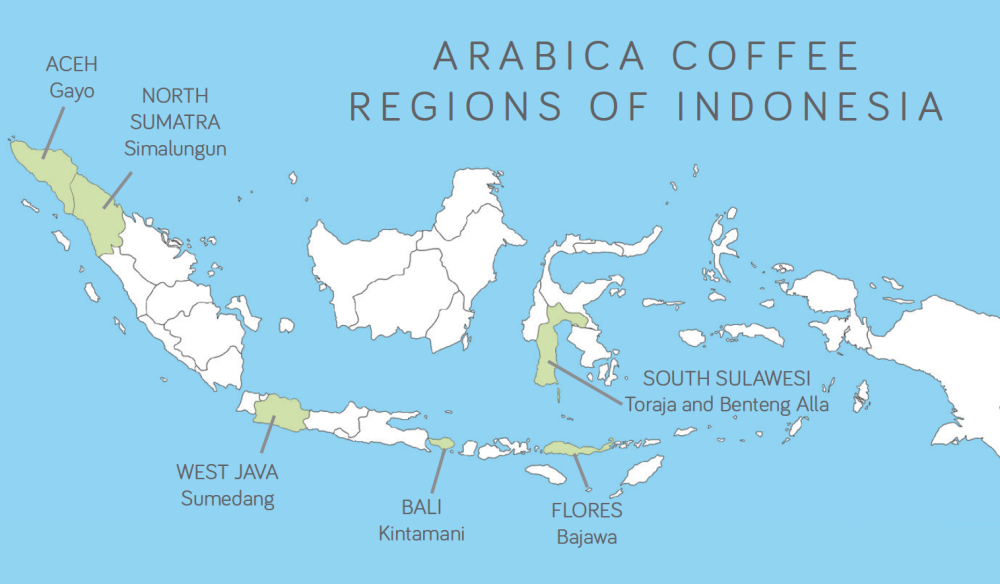
The history of coffee cultivation in Indonesia dates back to 1696, when Dutch colonists introduced the first batch of coffee seedlings and chose Java Island as the primary trial planting area. However, the leaf rust epidemic in 1877 almost destroyed the local Arabica coffee trees, leading to the mass death of the variety. To restore production, Indonesia later imported disease-resistant Robusta from Africa, which gradually became one of the mainstays of the country’s coffee industry. To this day, Robusta still accounts for over 90% of the national output, mainly concentrated in southern Sumatra. In contrast, Arabica is mostly grown in the higher-altitude areas of northern Sumatra and West Java, where Mandheling stands as a classic representative of Arabica.
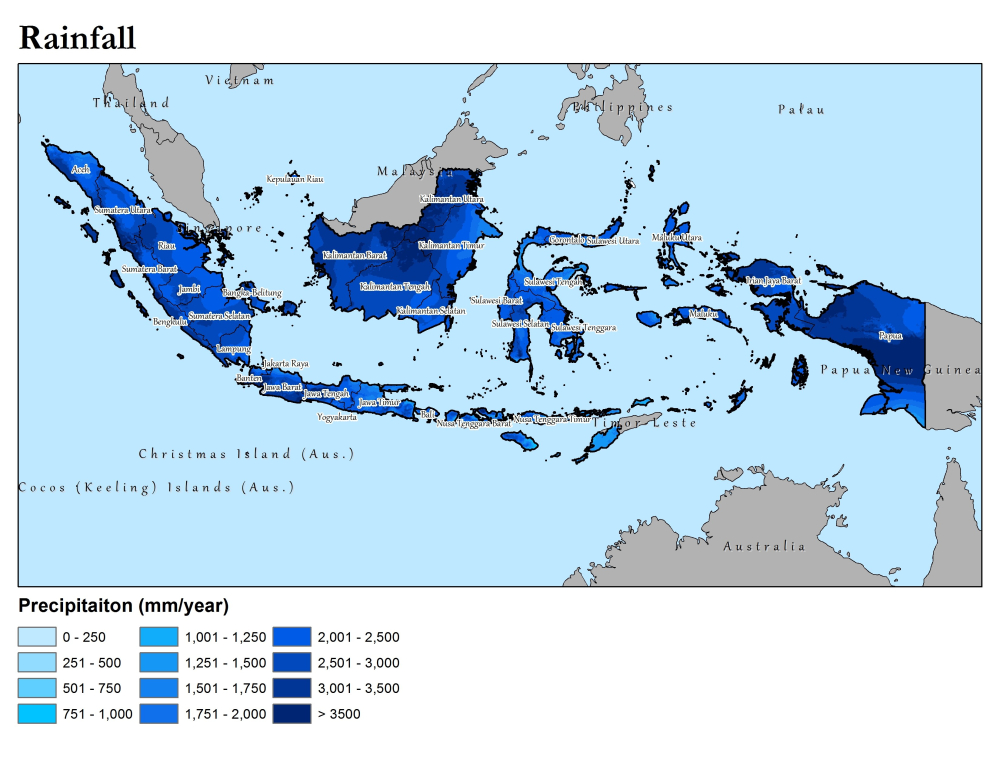
Indonesia has a tropical rainforest climate, characterized by high temperatures and humidity year-round, with average temperatures maintained between 25 to 27 degrees Celsius and abundant rainfall, averaging about 1600 to 2200 millimeters annually. Located in a volcanic zone, the soil is rich in minerals, and the main planting altitudes range between 900 to 2100 meters, with around 1200 meters being ideal. These conditions collectively contribute to the unique terroir of Indonesian coffee.
Indonesia’s coffee harvest season is divided into two phases: the main harvest period runs from September to October each year, while the secondary harvest occurs from May to June. The country’s coffee-growing area exceeds one million hectares, accounting for approximately 24% of the total arable land, with over 60% managed by modern plantations and the rest operated by traditional smallholder farms.
Indonesia’s coffee varieties are diverse, primarily categorized into Arabica, Robusta, and Liberica, with over 20 sub-varieties commonly including Catucai, Catimor, Timor Hybrid, Typica, S288, S795, and Sidikalang. In terms of processing methods, due to the humid and rainy climate, Indonesia generally employs washed and wet-hulled (giling basah) processes to ensure proper drying in wet conditions, with the wet-hulled method being a classic technique for Sumatra Mandheling.
The so-called wet-hulled process is a special treatment procedure that combines pulping, fermentation, partial drying, and parchment removal. First, a wooden pulper is used to remove the skin and pulp, allowing the coffee beans to ferment for about three hours before undergoing initial sun drying until the moisture content drops to 30% to 50% in a semi-dry state. Next, the mucilage and parchment are removed, and drying continues for two to four days until the moisture content stabilizes at 12% to 13%. Some Mandheling beans are further subjected to “aged wet-hulling,” where processed beans are stored in warehouses for two to three years, transforming the acidity into a rounder sweetness and complex layers — such products are commonly referred to as aged Mandheling.
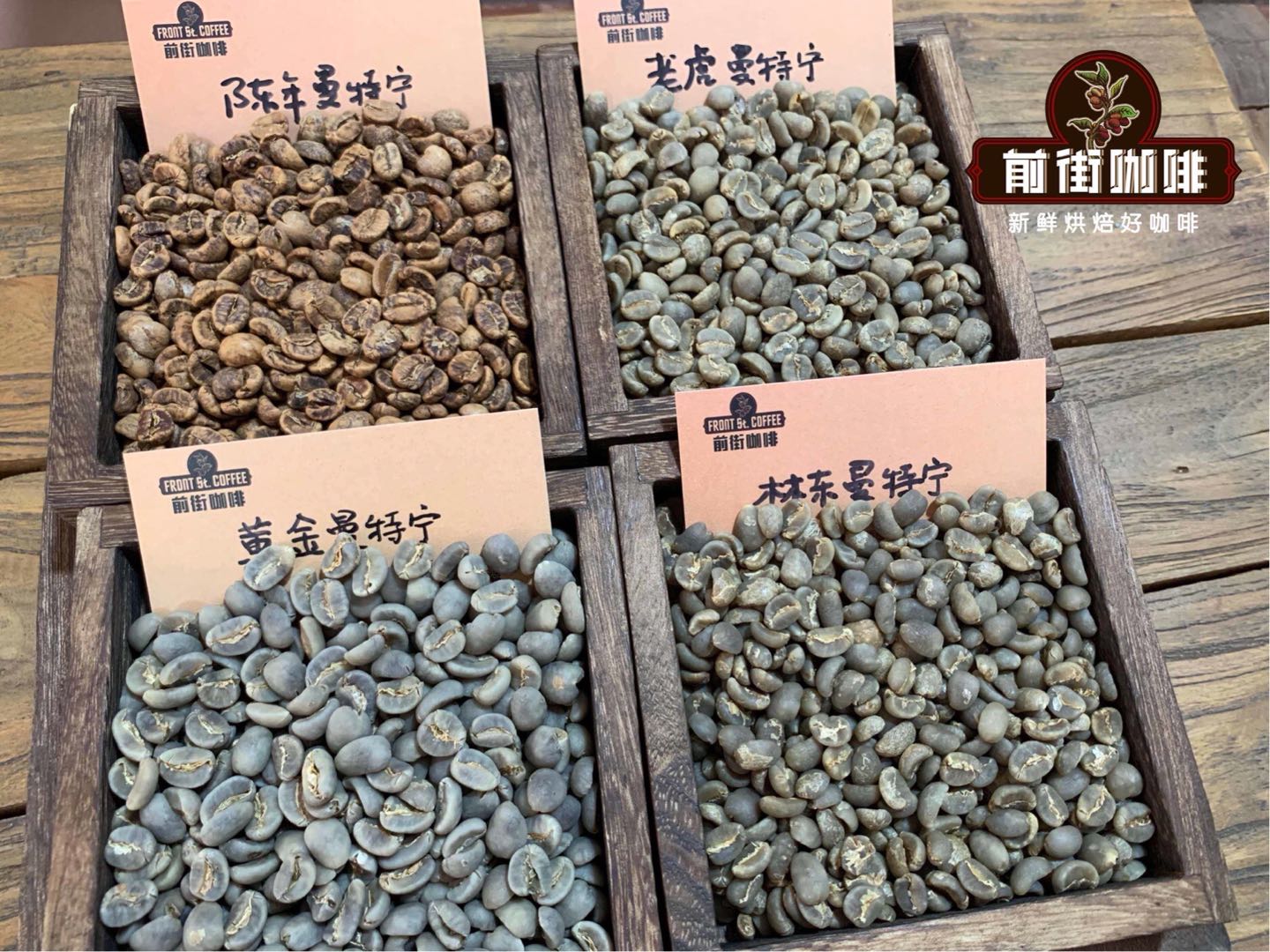
When discussing Sumatran coffee, one cannot overlook Mandheling, a globally renowned name. Its primary production areas are concentrated around Lake Toba in northern Sumatra, with the most representative being Lintong Mandheling, Golden Mandheling, and Aged Mandheling. Lintong Mandheling showcases the most authentic herbal, spicy, and full-bodied characteristics; Golden Mandheling is rigorously selected with large and uniform beans, offering a cleaner and brighter taste; Aged Mandheling, due to prolonged maturation, delivers a richer and deeper flavor profile, suitable for advanced enthusiasts.
Take Lintong Mandheling as an example: it is grown at altitudes of 1100 to 1600 meters in the Lintong region of Sumatra, commonly using Typica and Catucai varieties, and processed via the wet-hulled method. It presents layered flavors of toasted bread, nuts, caramel, pine wood, and herbs. For pour over brewing, it is recommended to use a Kono filter, with water temperature controlled at 88°C, a coffee dose of 15 grams, a 1:15 coffee-to-water ratio, and a grind size set to BG#6W (70–75% passing through a #20 sieve). The Kono filter, with its ribs concentrated at the bottom, reduces airflow exchange and extends extraction time, helping enhance the body. In practice, start with a 30-gram bloom for 30 seconds, then pour in a slow stream up to 125 grams for the first pour, and continue pouring up to 225 grams just before the coffee bed is exposed. Total extraction time is approximately two minutes.
In contrast to the bold and full-bodied profile of Sumatra, West Java coffee exhibits a distinctly different flavor profile. As one of Indonesia’s primary Arabica-growing regions, most high-quality beans from West Java come from volcanic soil plantations at elevations above 1400 meters, where the cool climate and fertile soil produce a delicate flavor, soft acidity, and rich aroma.
This West Java Malabar coffee from the highlands of West Java at altitudes of 1400 to 1800 meters is processed using the natural (sun-dried) method. Its varieties include TIM TIM and Bourbon, graded as G1. This coffee offers bright notes of berries, plums, and citrus, accompanied by creamy, hazelnut, cane sugar, chocolate, and oolong tea-like aftertastes. The overall flavor is layered, balanced, and complex. For pour over brewing, it is recommended to use a V60 filter, with a slightly higher water temperature of 90°C, a coffee dose of 15 grams, a 1:15 coffee-to-water ratio, and a grind size of BG#6S (70–75% passing through a #20 sieve). The brewing process can follow a 30-gram bloom for 30 seconds, a slow pour up to 125 grams for the first pour, and additional pouring up to 225 grams as the water level drops, maintaining a total extraction time of around two minutes to fully highlight its subtle fruity notes and sweetness.
In summary, Sumatra Mandheling and West Java coffee each represent two extreme flavor dimensions of Indonesian coffee: the former is bold, full-bodied, and distinctly herbal and spicy, while the latter is delicate, soft, and layered with fruity and sweet notes. Whether you’re a beginner pour over enthusiast or a seasoned coffee aficionado seeking new flavor inspiration, the beans from these two classic regions are worth savoring and experimenting with. By adjusting water temperature, grind size, and brewing techniques, you can discover your own optimal extraction flavor.
The above content is compiled by CoffeeHunters, a coffee news website.


