







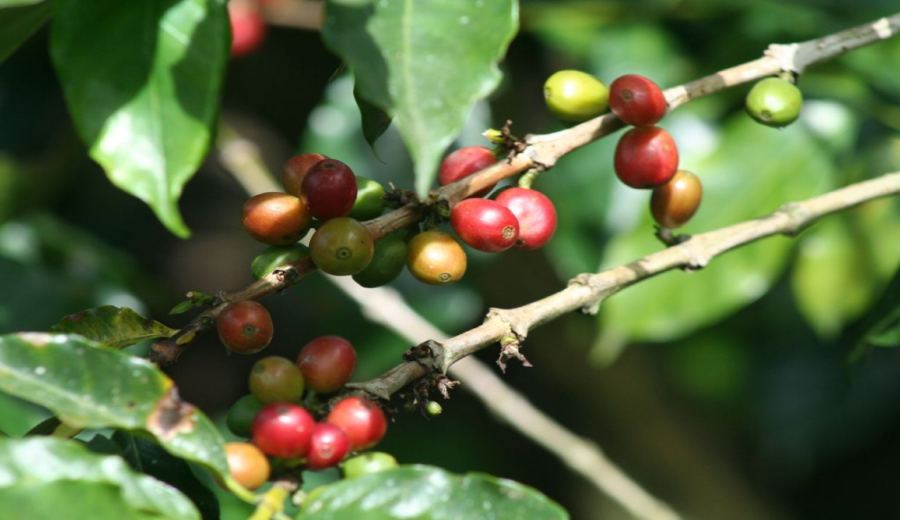
Introduction:Natural (sun-dried) and washed are the two most mainstream processing methods for coffee beans. The difference lies in the fermentation process and drying procedures, resulting in distinctly different aroma profiles and flavor characteristics. This article delves into the technical details and flavor features of these two methods, and selects five high-quality natural-processed beans from Ethiopia, Panama, Brazil, and Yunnan, China. It provides information on altitude, variety, and specific flavor descriptions to help pour over enthusiasts choose the right beans based on personal preference.
The unique flavors of coffee are not only derived from variety and origin, but the processing method is also a key influencing factor. Among them,natural and washed methodsare the two most widely used techniques globally, each creating polar opposite flavor profiles—intense fruity notes versus bright acidity. This article will fully break down the procedural differences between the two methods and recommend five natural-processed coffees suitable for pour over. These cover diverse regions and varieties, with each one detailing altitude, processing specifics, and flavor profiles to help you find your ideal bean.
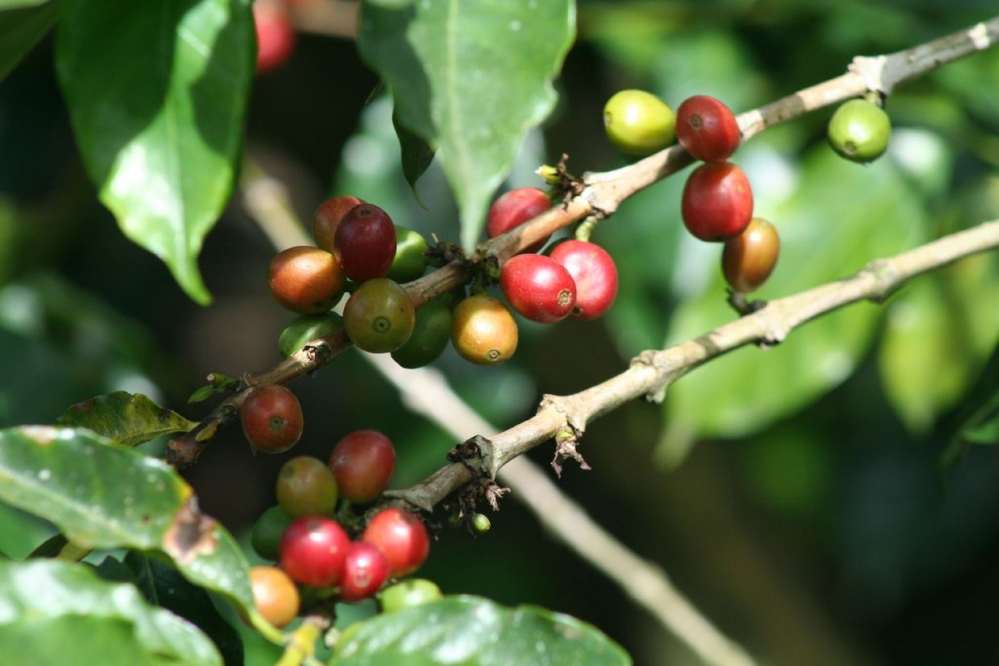
The processing technique of coffee beans determines the direction of the final flavor, among which natural and washed methods are the most common and distinct. Below is a detailed explanation of the processing steps and the resulting flavor characteristics of both:
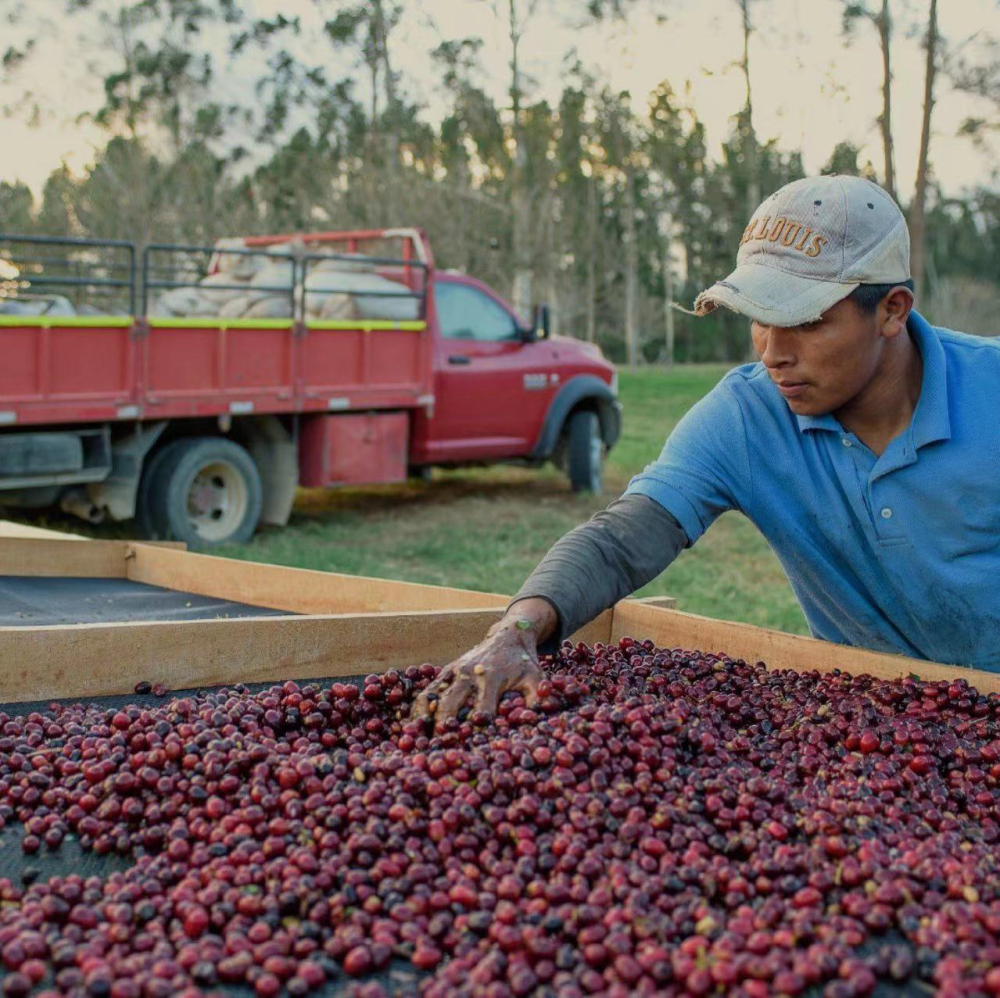
Natural methodis relatively simple yet meticulous in its details. After harvesting, coffee cherries are first sorted to remove unripe fruits, branches, leaves, and other impurities. Then, the whole coffee cherries are spread directly on African-style raised beds or clean ground for sun drying. This process usually lasts two to three weeks or even longer, during which temperature and humidity must be strictly controlled to avoid over-fermentation or mold. Since the pulp layer remains wrapped around the coffee beans, under the combined effect of sunlight and microbes, the beans absorb rich fruity aromas and sugars, ultimately presenting intense tropical fruit and berry notes, along with noticeable sweetness and a full body.
The design of raised beds effectively improves air circulation while isolating ground moisture and foreign contamination, making it a key tool in natural processing. The longer the drying time, the more fully the flavors develop, but daily temperature changes and even turning of the cherries must be closely monitored to ensure consistent drying across the entire batch.
Washed methodis renowned for its precise control over fermentation. After harvesting, coffee cherries first undergo flotation to remove defects, then the outer skin and pulp are removed, leaving the beans coated with mucilage. These beans are then soaked in water for 24 to 30 hours of fermentation, where microbial action breaks down the mucilage, after which they are rinsed clean with water. Some processing facilities opt for dry fermentation instead, skipping the soaking step and relying solely on controlled temperature and humidity to complete the breakdown. After fermentation, the beans are dried by sun or machine until the moisture content meets the standard, ultimately forming a profile with bright acidity and a clean taste.
The key to the washed method lies in fermentation time and water quality management. Over-fermentation can produce off-odors, while temperature control during the drying stage directly impacts the beans’ shelf life and flavor stability.
Regardless of which method is used, strict screening for defective beans is required in the end, followed by light, medium, or dark roasting based on the desired flavor profile. For coffee of the same origin and variety,washed processing typically highlights the foundational flavor characteristics of the region, while the natural method can layer on more complex fruity notes and enhanced sweetness, offering a richer sensory experience for pour over.
Based on market sales data and consumer feedback, the following are five natural-processed coffees suitable for pour over, with detailed origin information and flavor guidance:
1. Natural Red Cherry
Region: Yirgacheffe, Ethiopia
Altitude: 1700–2200 meters
Variety: Local heirloom
Processing: Natural
Flavor Profile: Prominent floral and citrus notes, accompanied by berry acidity and a black tea finish, with fermentation aromas adding layers of complexity.
2. Natural Hua Kui
Region: Guji, Ethiopia
Altitude: 2250–2350 meters
Variety: Local heirloom
Processing: Natural
Flavor Profile: Creamy-textured strawberry and mango as the main notes, paired with the lively acidity of guava and tropical fruits.
3. 2013 Yunnan Typica
Region: Yunnan, China
Altitude: 1300 meters
Variety: Typica
Processing: Natural
Flavor Profile: Gentle brown sugar and nutty base, with the sweet aroma of dried apricots and a soft chocolate finish.

4. Emerald Estate Diamond Mountain
Region: Boquete, Panama
Altitude: 1400–1700 meters
Variety: Caturra, Catuai
Processing: Natural
Flavor Profile: Nutty aroma as the main theme, blended with citrus acidity and berry highlights, elevated by white floral notes that enhance overall refinement.
5. Brazilian Queen Estate
Region: Mogiana, Brazil
Altitude: 1400–1950 meters
Variety: Yellow Bourbon
Processing: Natural
Flavor Profile: Rich chocolate and nutty base, paired with sugarcane sweetness, peanut aroma, and a smooth creamy finish.
The above content is compiled by CoffeeHunters, a coffee news website.


