








Introduction:Even within Yirgacheffe, the washed and natural processing methods can deliver such distinctly different coffee experiences! This article uses coffee beans from the same origin and variety as examples to deeply analyze the differences between the two processing methods in terms of dry aroma, flavor profile, and acidity-sweetness balance. It also provides precise pour over parameters and practical brewing tips, allowing you to fully grasp the flavor profile from aroma to taste. Whether you're a beginner or an advanced enthusiast, you'll find your own key to unlocking unique flavors.
Processing method is one of the key factors that determine a coffee’s flavor profile, with washed and natural being the two most common approaches. Many have heard about their differences, but comparing them using the same coffee beans—such as those from the renowned Yirgacheffe region—makes the distinctions in flavor even more vivid. This article will take you through a comprehensive understanding of the differences between the two, from processing principles and sensory experiences to practical pour over parameters, along with useful brewing advice.
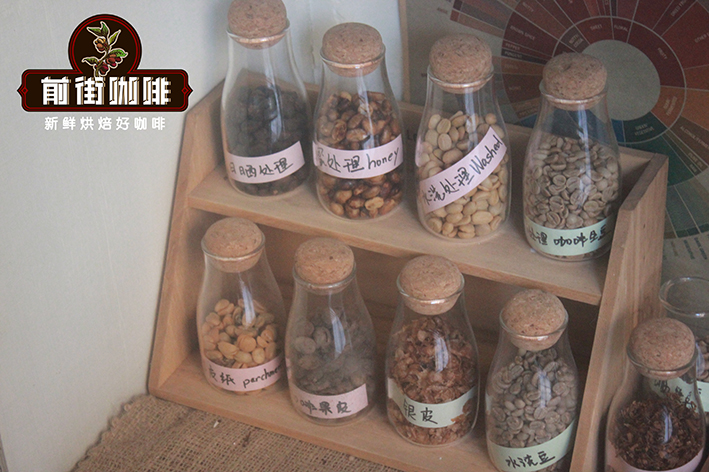
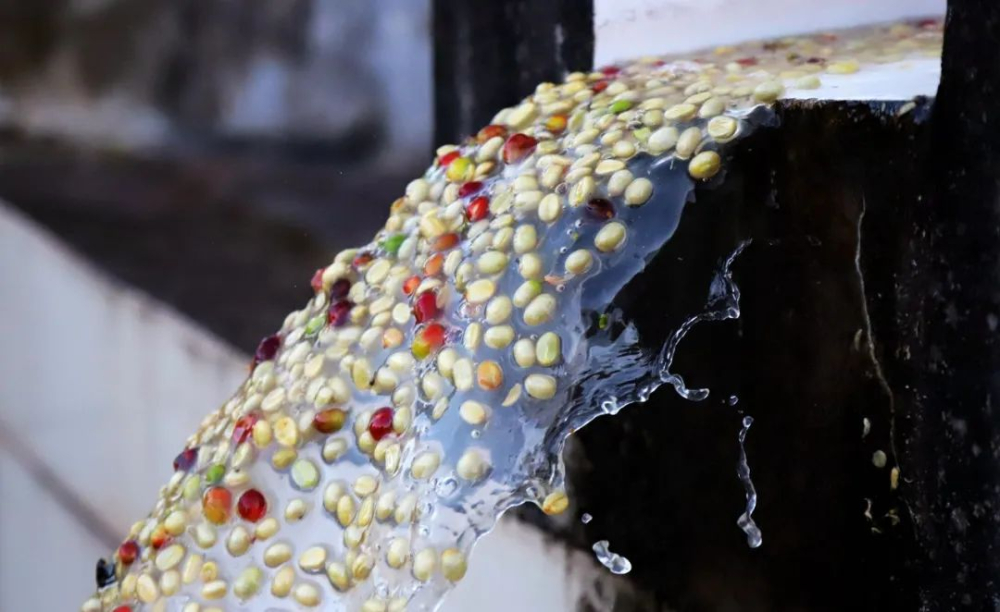
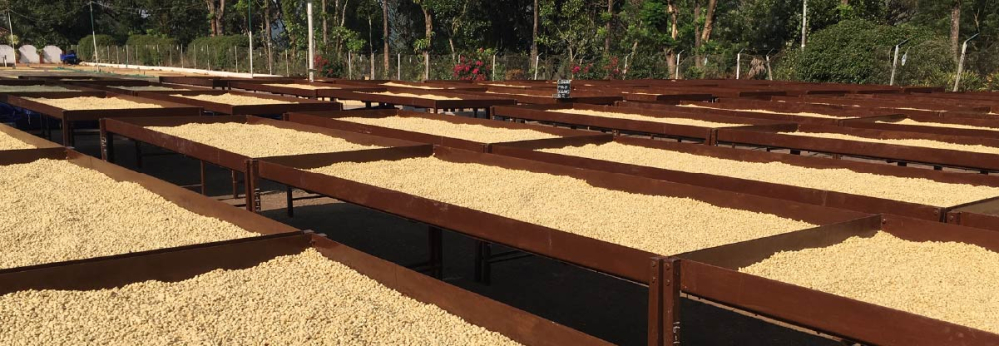
The natural processing method typically uses African raised beds, where freshly harvested coffee cherries are sun-dried with their fruit skins and pulp intact. This process requires strict control of temperature and humidity to avoid uncontrolled fermentation. It takes at least twenty days, allowing the natural sugars and enzymes in the pulp to fully penetrate the beans, resulting in a richer sweetness and tropical fruit character. In contrast, the washed method first uses floatation to remove unripe cherries, then mechanically removes the skin and pulp. After overnight fermentation to remove the mucilage, the beans are rinsed and sorted multiple times with clean water, and finally spread out to dry. This method offers more precise quality control and often presents a clean, bright acidity with elegant floral notes.
When we cupped Yirgacheffe as a sample, the differences immediately became apparent.Dry Aroma Stage: The natural version emits a light fermented wine-like aroma with subtle spicy notes, like opening a bottle of aged fruit wine; the washed version leads with fresh jasmine floral notes, accompanied by lively citrus acidity reminiscent of lemon or lime, as if a morning garden has greeted you face-to-face.
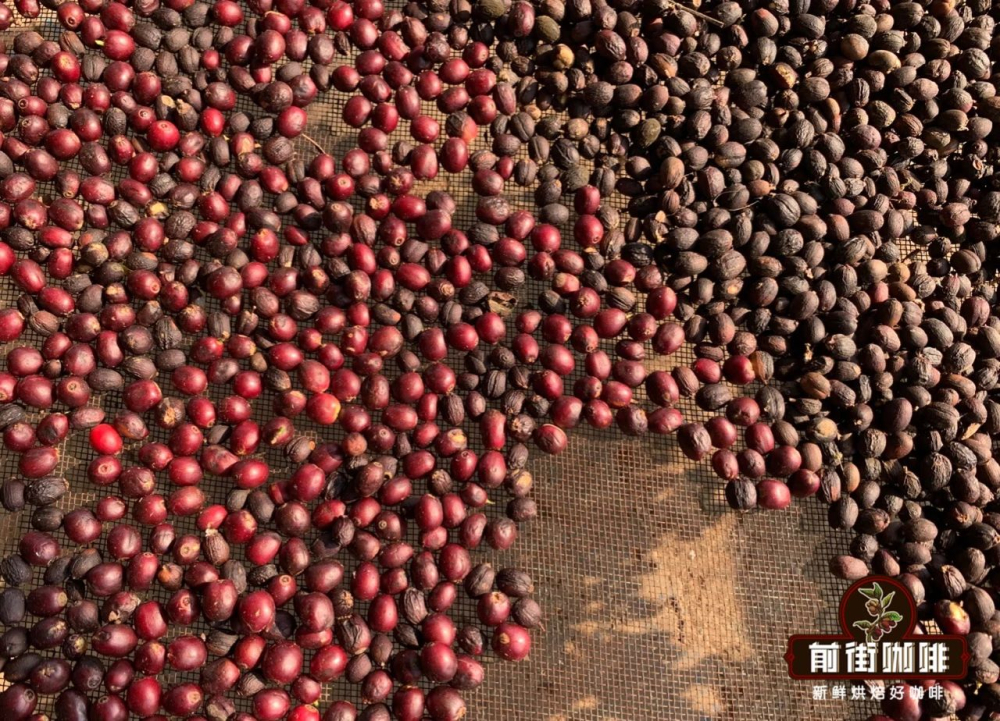
Post-brewflavor contrastis even more intriguing. Natural Yirgacheffe showcases complex layers: initially a light fermented wine note paired with caramelized sweetness, a middle phase where honey and cocoa intertwine, and a finish that carries lingering spicy undertones, with a full, velvety body. The washed version, on the other hand, centers around a bright citrus acidity, complemented by distinct citrus tones, gradually softening in the mid-to-late stages with a tea-like body reminiscent of black tea, delivering an overall crisp and clean profile.
It’s worth noting that although the two styles are vastly different, both retain the signature fruity acidity of Yirgacheffe, though expressed in markedly different ways—the natural’s acidity is gently integrated into the sweetness, while the washed acidity is crystal-clear like a gem.
Practical Pour Over Recommendations:
Natural Yirgacheffe: Recommended using 15 grams of coffee grounds with 230 ml of 89°C water, grind size around small Fuji #4 (medium-coarse to slightly fine), using a V60 filter. After a 25-second bloom, pour 30 grams in the first pour, then pour up to 104 grams before stopping, then continue pouring to a total of 230 grams. Total brew time should be controlled around 2 minutes and 12 seconds, with the final pour stream slightly finer to preserve the rich finish.
Washed Yirgacheffe: Suitable for 92°C water temperature, same 15-gram dose and V60 filter, with a similar grind size. Extend the bloom time to 28–30 seconds. After the initial 30-gram pour, pour up to 110 grams before stopping, then continue to 230 grams total. Total brew time is about 2 minutes and 15 seconds. Be careful to avoid over-extraction which may lead to sharp acidity.
The difference in processing methods not only affects flavor, but also relates to the stability and defect rate of the coffee beans. The washed method, requiring soaking and mechanical processing, can more effectively screen out underdeveloped beans, and the shorter fermentation time also reduces the risk of off-flavors. The natural method preserves more of the original flavor compounds, but demands strict environmental control—any slight misstep can easily result in over-fermentation or moldy notes. This is why auction-grade specialty beans often use the washed method, while natural processing is commonly found in regions like Ethiopia that emphasize regional character.
Whether you’re a beginner pour over enthusiast or a coffee professional pursuing precision extraction, understanding the fundamental differences between these two processing methods will help you make smarter decisions when selecting beans and brewing. Remember: the same Yirgacheffe, depending on its processing method, can transform from a sweet feast reminiscent of a tropical orchard into a refreshing melody echoing a highland tea garden—this is the captivating, multifaceted nature of coffee.
The above content is compiled by CoffeeHunters, a coffee news website.


