







Introduction:Dive deep into the unique charm of Indonesian Sumatra Mandheling coffee, from its traditional wet-hulled processing to the flavor differences among four renowned bean varieties. This article details the characteristics of Golden Mandheling, Lintong Mandheling, Tiger Mandheling, and Aged Mandheling, while also extending the discussion to new flavors brought by sun-dried processing. It provides roasting profiles, pour over parameters, and cupping flavor descriptions to help you fully master the brewing essentials of Mandheling.
Mandheling coffee is the most representative variety from Sumatra, Indonesia, widely praised for its full body, low acidity, and herbal, bitter-sweet flavor profile. However, many may not know that "Mandheling" actually originates from the transliteration of the name of the indigenous Mandailing ethnic group in Indonesia, rather than a region or coffee variety. The distinctive flavor of this coffee is inseparable from Indonesia’s traditional “wet-hulled” (Wet Hulling, or Giling Basah) processing technique. Through multiple cuppings and selections, four representative Mandheling varieties have been carefully chosen: Golden Mandheling, Lintong Mandheling, Tiger Mandheling, and Aged Mandheling. This article will explore their backgrounds, processing methods, flavor profiles, and optimal brewing recommendations in depth.
First, why is most Mandheling on the market roasted dark? This is related to its inherently mixed varieties and relatively high defect rates—dark roasting can effectively suppress undesirable flavors. Additionally, because it was initially promoted by the Japanese market, dark roasting better aligns with local consumer preferences for mouthfeel and body. However, in recent years, more and more coffee enthusiasts have begun to appreciate the unique herbal and full-bodied character of Mandheling, making medium and light roasted Mandheling increasingly noteworthy. Based on long-term cupping and market feedback, the following four representative Mandheling beans have been selected to help consumers more accurately understand the diversity of this classic origin.
The Origin of Mandheling: From Ethnic Name to Coffee Synonym
"Mandheling" is neither a region name nor a coffee variety, but a transliteration of the name of the Indonesian "Mandailing people (Mandheling)." During World War II, Japanese soldiers tasted high-quality coffee in Indonesia and sought the same beans again through traders after the war. However, due to commercial confidentiality, the supplier only referred to them as "Mandailing," and the name was later mistakenly used as the name of the coffee, which has continued to this day. Interestingly, the provider of this coffee was none other than the head of Indonesia’s PWN company, which sources "Golden Mandheling."
Core Production Areas and Definition of Mandheling
Indonesian coffee is mainly produced in Sumatra, Java, and Sulawesi, among which Sumatran Mandheling is the most renowned. In a narrow sense, only coffee produced in the Lake Toba region is considered authentic Mandheling. The coffee from this area is known for its rich, full body, low acidity, and distinctive herbal and earthy notes. Though its appearance is often less aesthetically pleasing compared to beans from other regions, connoisseurs generally believe that "the uglier the Sumatran beans, the richer and smoother the flavor tends to be."
In-Depth Analysis of Four Classic Mandheling Varieties
Four representative Mandheling beans have been carefully selected, each with its own unique flavor and processing background:
1. Lintong Mandheling: Produced in the Lintong region, it is a Typica variant with relatively large beans and high hardness, but due to a higher defect rate, strict screening is required. Its flavor is mainly full-bodied and rich, with mild sweetness and acidity, along with herbal and spicy notes.
2. Golden Mandheling: Registered as a trademark by Indonesia’s PWN company, it is grown in the Gayo highlands of northern Sumatra, with the variety being Ateng (a close relative of Catimor), a hybrid of Arabica and Robusta. Its standout features are four rounds of manual hand selection, uniform bean size of 19 mesh and above, and a clean flavor profile with nutty and spicy notes.
3. Tiger Mandheling: Selected as specialty beans with a defect rate below 4% and bean size of 17 mesh and above, the main varieties are Catucai and Typica. The former brings citrus and lemon acidity, while the latter offers a notable sweet aftertaste, resulting in an overall balanced flavor with high cleanliness.
4. Aged Mandheling: Rather than simply being stored, it is kept in a controlled temperature and humidity environment for 2–3 years, reducing acidity while enhancing sweetness and body. The flavor shifts to that of aged pu-erh, leather, and chocolate, with complex layers.
Wet-Hulling: The Key to Shaping Mandheling’s Flavor
The unique flavor of Mandheling is closely related to its traditional "wet-hulled" (Wet Hulling, or Giling Basah) processing. This method, known in Indonesian as "Giling Basah," means "wet grinding." The process includes: removing the skin and pulp while retaining the parchment and mucilage, undergoing short water fermentation to wash off the mucilage, then sun-drying with parchment until the moisture content reaches 20–24%, followed by hulling off the parchment, and finally drying to 12–13% moisture content before export. This method accelerates the drying process but also gives the coffee a fuller body, lower acidity, and rich earthy and herbal aromas.
Notably, a newly introduced sun-dried Wamena Estate Mandheling from the Lake Toba region of Sumatra, at altitudes of 1000–1700 meters, featuring varieties such as Bourbon and Typica, has recently become available. This bean exhibits distinct fruit notes, with soft acidity and prominent sweetness. Its flavor profile forms an interesting contrast with traditional Mandheling.
Comparison of Green Bean Appearance
Observing the green beans of the four Mandheling types, one can see that Lintong Mandheling varies in size and has a grayish-green color; Golden Mandheling, due to 19-mesh screening, has large, dark green beans; Tiger Mandheling is round and uniform, slightly yellowish-green; Aged Mandheling, due to special storage, appears orange-black and wrinkled, but is relatively consistent in size.
Roasting Curves and Flavor Profiles
Roasting strategies are tailored to the characteristics of each bean, aiming to highlight the unique flavors of the origin and processing method. For example, Lintong Mandheling uses a medium-dark roast, extending the drying phase to reduce acidity and enhance body; Golden Mandheling, due to its higher moisture content, requires careful control of the drying stage to avoid over-development; Tiger Mandheling emphasizes cleanliness and sweetness, opting to extend the caramelization phase after first crack; Aged Mandheling, due to its high bean density, needs careful heat control to avoid scorching.
Overview of Cupping Flavors
Lintong Mandheling presents a balance of herbs, chocolate, and caramel; Golden Mandheling has a clean flavor with nuts, spices, and licorice; Tiger Mandheling shows noticeable sweetness, with cream, dark chocolate, and traditional Chinese herbal notes; Aged Mandheling displays a mellow profile of aged pu-erh, caramel, and herbs.
Pour Over Recommendations Using the KONO Filter
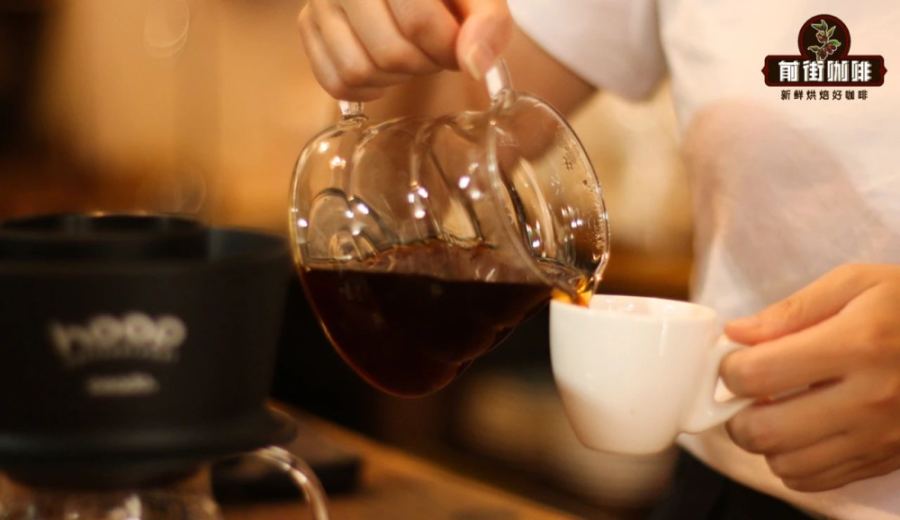
The KONO filter, with its unique rib design, extends the contact time between water and coffee grounds, making it ideal for highlighting the full body of Mandheling. It is recommended to use 15g of coffee, a 1:15 coffee-to-water ratio, and a water temperature of 90°C, with a slightly finer grind (approximately 80% passing through a Chinese No. 20 sieve). Use a staged extraction method: start with a 30g bloom for 30 seconds, then pour in small streams up to 125g, followed by pouring to 225g, with a total extraction time of about 2 minutes. These parameters are suitable for all four Mandheling types and can bring out their respective layers and rich aromatic profiles.
The above content is compiled by CoffeeHunters, a coffee news website.


