








Introduction:Want to master the pour over technique for PWN Golden Mandheling? Learn everything from regional background to hands-on brewing in one go. This article dives deep into the flavor profile of this classic Mandheling from Sumatra, explains how the wet-hulled process shapes its distinctive earthy and nutty character, and provides comprehensive guidance on water temperature, grind size, brew ratio, and pulse pouring. Help yourself extract a rich and balanced cup using scientific methods.
PWN Golden Mandheling is a classic entry-level choice for many beginners stepping into the world of specialty coffee. These beans from Sumatra, Indonesia, are renowned for their full body, bold aroma, and unique processing flavors. This article will take you through the region’s environment, bean variety characteristics, and the key wet-hulling process, offering a complete understanding of the story behind this coffee. It also provides practical and precise pour over recommendations. Whether you’re a beginner or an experienced coffee enthusiast, you’ll find actionable insights here.
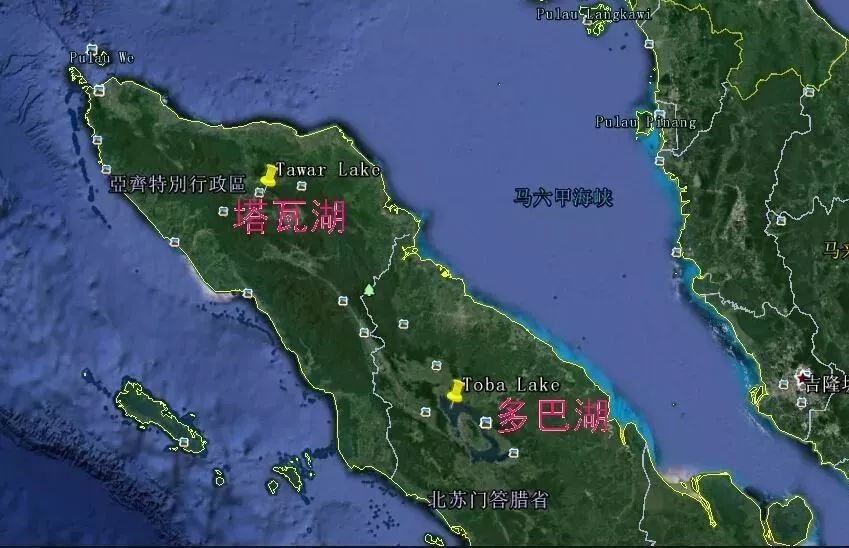
As a globally significant coffee-producing country, Indonesia’s Sumatra Island has become the main origin of Mandheling coffee due to its unique climate and geography. The region features a typical tropical rainforest climate, with high temperatures and humidity year-round, making it highly suitable for coffee tree growth. However, high-altitude areas are limited, so regions capable of growing high-quality Arabica beans are particularly precious. Sumatra is one of the island’s relatively higher-altitude areas, especially the Gayo Mountains in North Sumatra and the regions around Lake Toba and Lindu in South Sumatra, which are the most representative.
Mandheling is actually a general term for Indonesian coffee and is often used interchangeably with “Sumatra coffee.” In the Gayo region of North Sumatra, the Ateng variety dominates, and the coffee often carries herbal and earthy notes. Meanwhile, Lindu and the areas around Lake Toba in South Sumatra are the core production zones for traditional Mandheling, with Mandheling from Lindu considered the local premium representative. Small sub-regions within Lindu, such as Sidikalang and Bergendar, are also important sources of specialty-grade Mandheling.
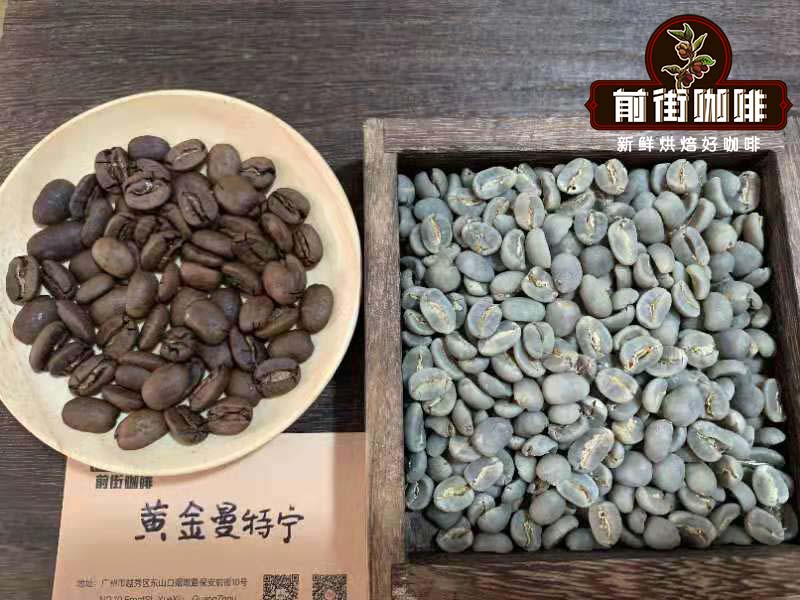
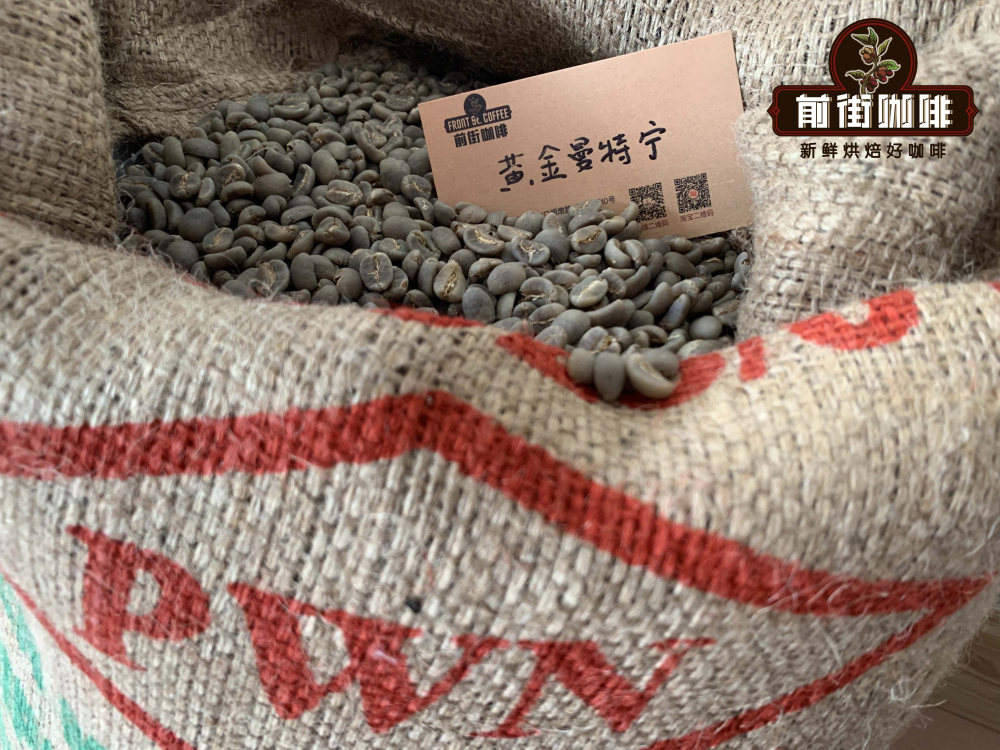
When discussing the unique flavors of Indonesian coffee, one cannot overlook its most iconic processing method: wet hulling. This method originated from the region’s rainy climate and limited sunlight, where traditional washed processing was too costly. As a result, a process was developed where part of the outer skin and pulp is removed first, then the beans are hulled to remove the parchment and mucilage while still semi-dry, followed by continued drying. Because the beans are mechanically pressed in a semi-hard state, they often develop hoof-like cracks. This appearance is not a defect but rather a typical hallmark of the wet-hulled process.
The term PWN is actually an abbreviation for Pwani Coffee Company, a well-known Indonesian coffee trading firm. This company has long been deeply involved in the Mandheling producing region, sourcing and carefully selecting the highest quality beans from the area. Golden Mandheling is PWN’s top-tier product, handpicked bean by bean. Only beans that pass multiple screenings and are plump with no obvious defects qualify for this designation. It’s worth noting that “Golden Mandheling” is a registered trademark of PWN. Many products on the market with the same name are not actually from PWN, and their quality and flavor profiles may differ significantly.
To fully bring out the flavor potential of PWN Golden Mandheling, every step of the pour over process is crucial. First, the basic equipment needed for pour over includes: a narrow-spout pour over kettle (for better water flow control), a suitable dripper (such as fan-shaped, cone-shaped, or wave-shaped, which affect flow rate and taste), corresponding filter paper, a high-precision grinder (blade type can be adjusted based on personal preference), an electronic scale (for accurate brew ratio control), a thermometer (to monitor optimal water temperature), and a sieve (to check if the grind size is appropriate).
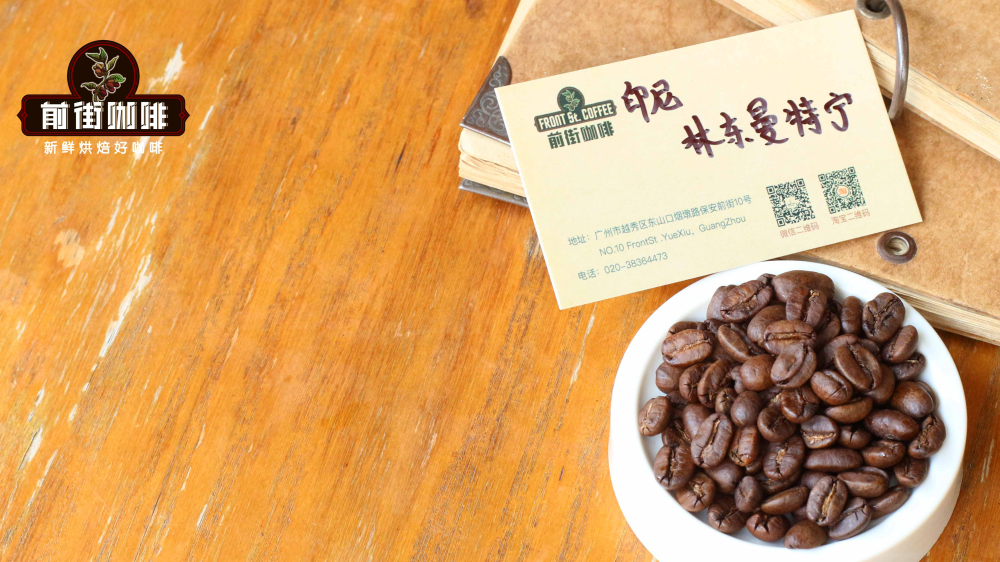
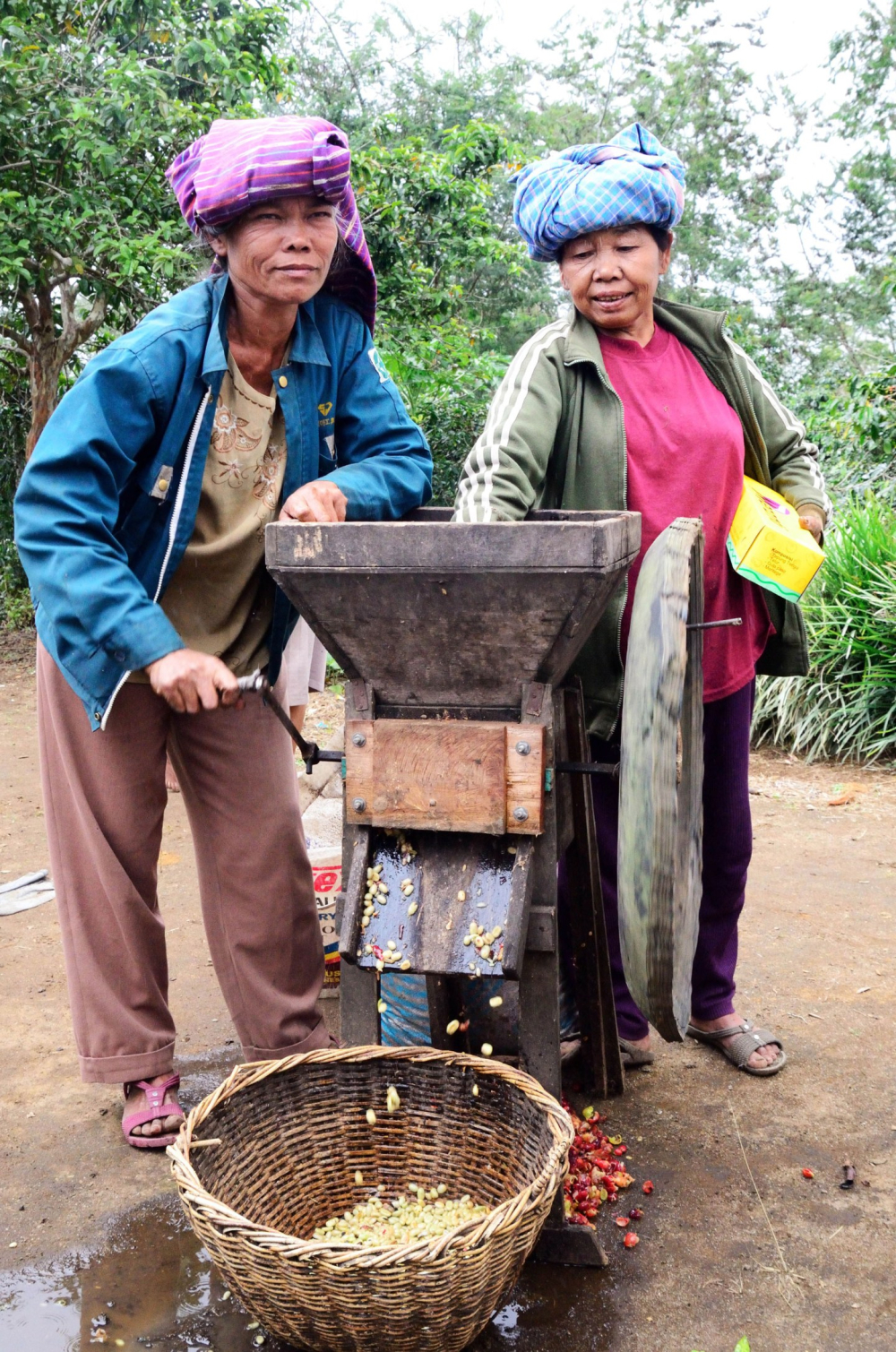
During actual brewing, water temperature and grind size are two key parameters. Generally, for medium-dark roasted beans like PWN Golden Mandheling, a water temperature of 86–88°C is recommended. This avoids excessive bitterness and preserves the rich caramel and nutty aromas. For grind size, a Chinese standard No. 20 sieve passing rate of about 70–80% is suggested. This grind level balances extraction efficiency and taste complexity. If the coffee tastes too sour or too bitter, start by checking whether these two factors are properly adjusted.
The brew ratio is another important factor affecting flavor expression. Common ratios range from 1:13 to 1:16. For PWN Golden Mandheling, a 1:15 ratio is recommended. This ratio highlights the rich nutty and chocolatey tones while maintaining overall smoothness and balance. Specifically, use 15 grams of coffee grounds with a total brew water volume of 225 grams, brewed in three pours: the first pour uses 30 grams of water for a 30-second bloom to initiate flavor release; the second pour slowly circles to reach 125 grams while observing water level changes; the third pour brings the total to 225 grams, stopping just as the coffee bed begins to show. The total brew time should be around 2 minutes.
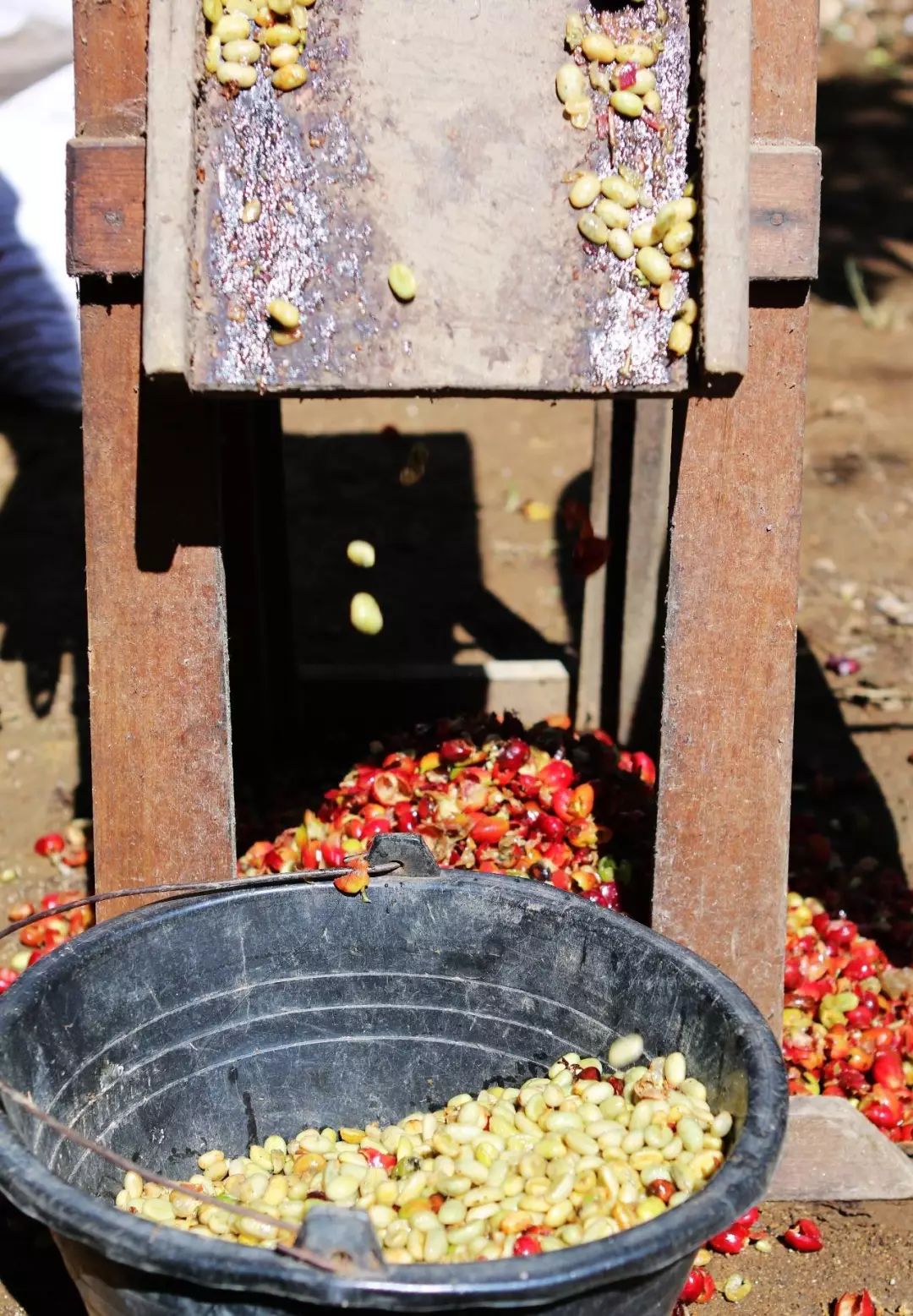
With the above precise parameters and techniques, PWN Golden Mandheling will showcase a richly layered flavor profile: bold and full-bodied on the palate, with distinct notes of nuts, caramel, and chocolate, and a long, lingering finish. The overall cup is balanced and profound. Whether enjoyed alone or shared with friends, this classic Indonesian Mandheling offers a deeply satisfying coffee experience.
The above content is compiled by CoffeeHunters, a coffee news website.


