







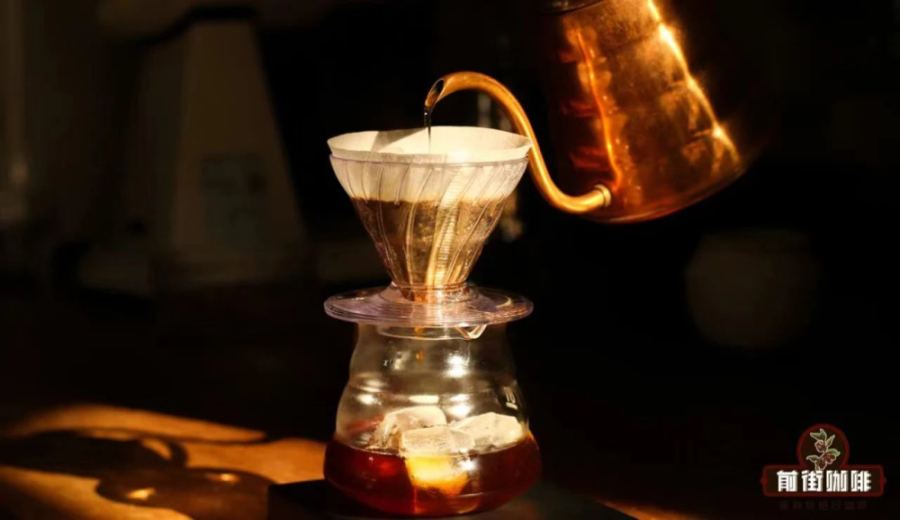
Introduction:The grind size of pour over coffee is one of the key factors that affect extraction efficiency and flavor expression. The right grind size allows water and coffee grounds to interact fully, releasing the optimal aroma and taste. This article details how different grind sizes impact extraction—including how particle size changes the surface area between water and coffee, extraction rate, and final flavor profile—and provides a practical reference chart to help you adjust to the most suitable grind size based on the roast level of your coffee beans and the brewing device you’re using.
In the world of pour over coffee, grind size is undoubtedly one of the core elements that influence extraction performance. It directly affects the contact area between water and coffee grounds, as well as the speed and evenness of extraction, ultimately determining the flavor profile in your cup. To master a delicious cup of pour over coffee, you first need to understand how grind size affects the overall extraction process.
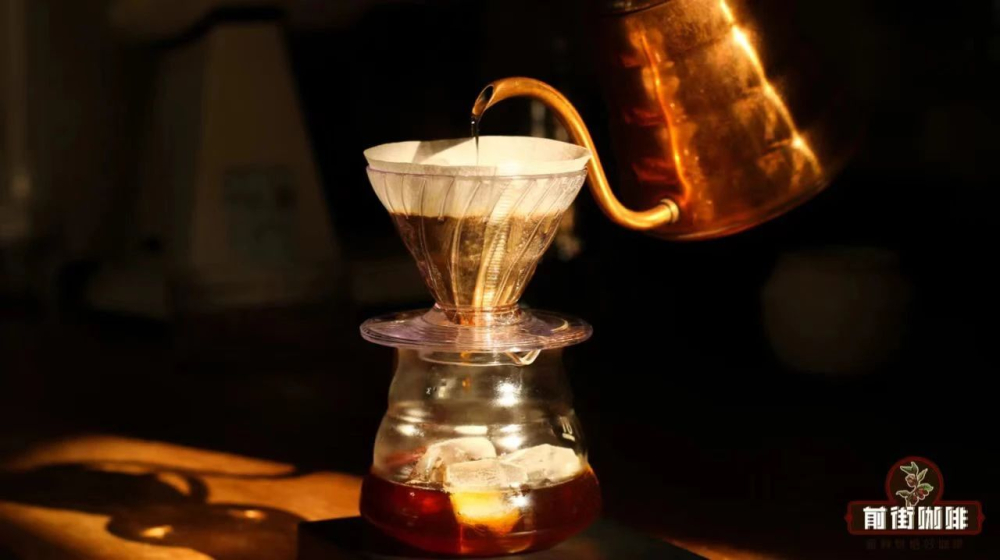
Simply put, grind size determines the total surface area of coffee grounds, as well as the speed and ease with which water penetrates the coffee bed. When coffee is ground finer, the total surface area increases, allowing water to contact more area and extract more thoroughly. However, if it’s ground too fine, it may lead to over-extraction, resulting in excessive bitterness and astringency. Conversely, if the grind is too coarse, water passes through the coffee bed too quickly, leading to under-extraction, making the coffee taste thin and dull, lacking complexity.
When discussing grind settings, the first step is to ensure that the coffee beans you have are in their best condition. It’s recommended to choose coffee beans with a one-way degassing valve packaging. This design allows carbon dioxide released during roasting to escape while preventing oxygen from entering and accelerating oxidation. Pay special attention to the roast date on the package—freshly roasted beans usually require a 3 to 7 day rest period, known as “degassing,” to allow internal CO₂ to release, achieving more stable extraction performance.
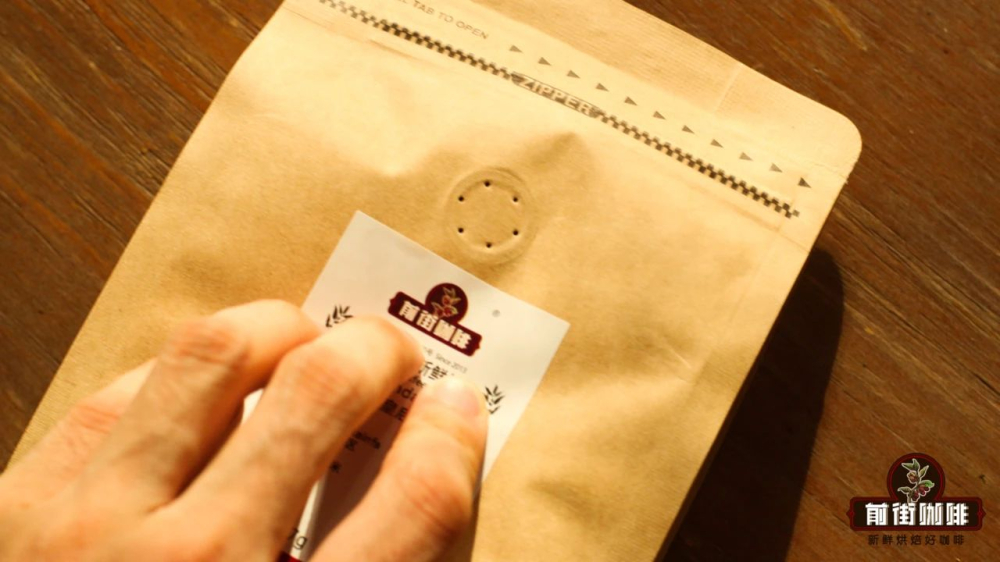
Generally, it’s advised to let medium-light roasted beans rest for 3 to 4 days, and medium-dark roasted beans for 4 to 5 days. This period helps the coffee flavors develop and makes the extraction process smoother. Freshness not only affects aroma expression but also directly relates to whether flavor compounds can be fully released during extraction. Overly old beans may still struggle to deliver good flavor even with grind adjustments.
So, how does grind size affect flavor? The key lies in two factors: contact area and extraction time. When you grind coffee beans finer, the total surface area of each coffee particle increases, allowing more contact between water and coffee, thus extracting soluble substances—including acidity, sweetness, and aroma—more quickly. However, if the grind is too fine, water penetration slows down, causing over-extraction, which leads to overly intense flavors, even with noticeable bitterness and astringency.
On the other hand, if the coffee is ground too coarse, water flows through the coffee bed too quickly, shortening the extraction time, and many delicate flavors don’t have enough time to be released. The result is a cup of coffee that tastes bland and lacks depth. Therefore, choosing the right grind size is key to balancing extraction yield and flavor expression.
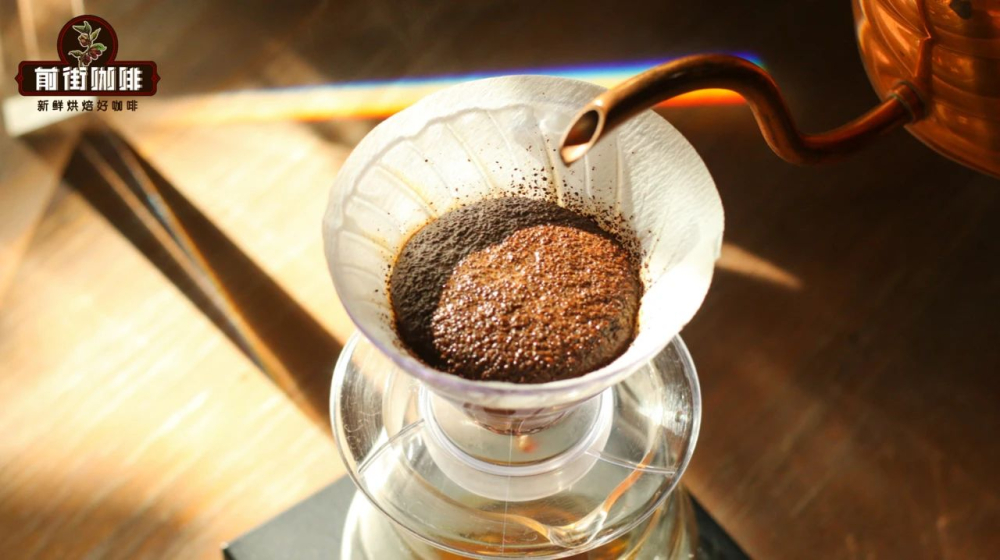
How can you determine the right grind size? A practical and accurate method is to use a 0.85mm cupping sieve to examine the grind size distribution. Specifically, take 10 grams of coffee beans, roughly grind them to your target grind size, pour them into the sieve, and then observe the proportion of coffee powder that passes through. This helps judge whether the grind falls within the ideal range. Generally, for pour over coffee, a pass-through rate of about 75% to 80% is recommended, though this may vary depending on roast level.
For example, for light roasted beans, it’s recommended to use a grind size with a pass-through rate of about 80% to 85%; for medium roasted beans, adjust to 70% to 75%; and for dark roasted beans, it’s suggested to grind slightly coarser, with a pass-through rate of about 65% to 70%. Such adjustments ensure that beans of different roast levels can all showcase their optimal flavor characteristics during extraction.
If you don’t have professional sieve tools on hand, don’t worry. You can refer to the following five common grind sizes, compiled based on actual usage experience, along with their applicable scenarios and devices:
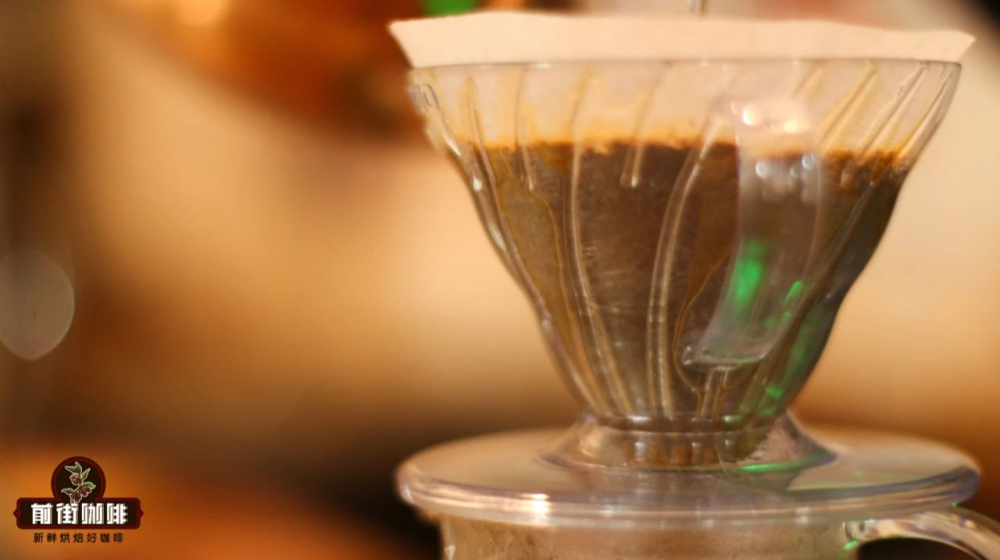
First is extra fine, suitable for espresso machines or moka pots. This grind is extremely fine, designed to create enough resistance when hot water under pressure passes through, in order to extract rich coffee oils and core flavors. Fine grind is suitable for drip bags, as the use of paper filters and fast water flow means a finer grind is needed to improve extraction efficiency. Medium-fine grind is commonly used for medium-light roasted beans, especially when paired with various pour over filter cones. The particle size is similar to that of fine sugar, bringing out clear acidity and sweetness—it's the favorite of many pour over enthusiasts, with a sieve rate of about 75% to 80%.
Medium grind is suitable for medium-dark roasted beans, with a particle size similar to coarse sugar, and a sieve rate of about 70% to 75%. This grind size helps avoid over-extraction caused by unstable water flow at the beginning of pouring, while maintaining flavor balance. Finally, coarse grind is mainly used for French press. The French press extracts coffee through a metal filter and prolonged steeping. Choosing a coarse grind prevents over-extraction and fine particle leakage, resulting in a rounder and smoother coffee flavor.
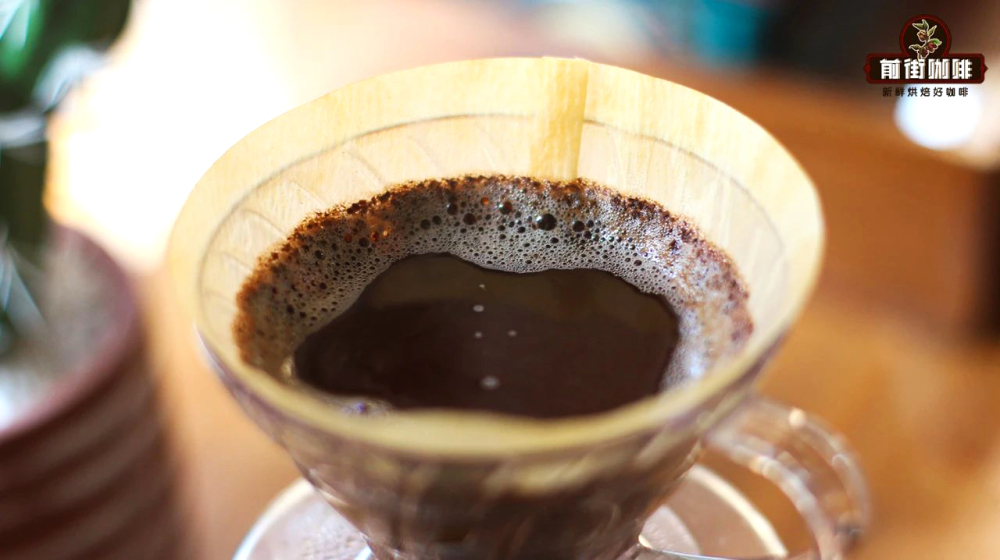
In summary, the grind size for pour over coffee isn’t fixed but needs to be flexibly adjusted based on the roast level of the beans, their flavor characteristics, and the brewing device you’re using. From extra fine to coarse, each grind range has its applicable scenarios and flavor expressions. Mastering these basic principles can help you adjust the grind size more accurately and brew coffee that matches your personal taste preferences.
The above content is compiled by CoffeeHunters, a coffee news website.


