







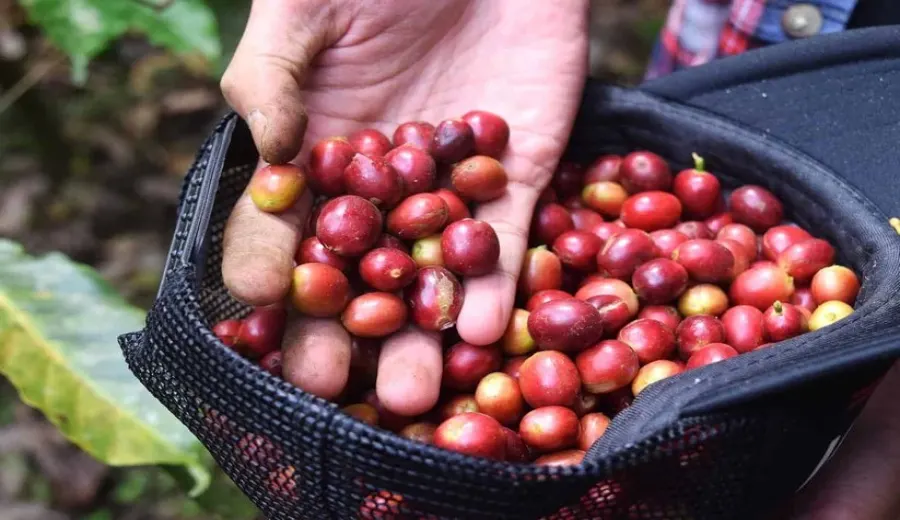
Introduction:An in-depth exploration of the history of Indonesian Sumatran Mandheling coffee, its wet-hulled processing method, and the unique flavor profiles and brewing recommendations of four classic Mandheling types: Lintong, Golden, Tiger, and Aged. This article will help you understand this specialty single-origin bean with prominent dark roast characteristics, rich body, and sweet notes, while mastering its optimal extraction parameters.
Mandheling coffee is often the first Indonesian single-origin bean that many Chinese coffee enthusiasts encounter, but its name origin, Sumatra’s unique wet-hulling process, and the differences between various grades or styles such as Lintong, Golden, Tiger, and Aged are not necessarily well known. This article will comprehensively analyze this deep-roast-flavored coffee from Sumatra, covering its historical background, processing methods, and flavor characteristics. It will also detail four representative Mandheling offerings along with their recommended brewing parameters, helping you better appreciate this richly flavored and layered specialty coffee.
The name “Mandheling” does not come from a coffee-growing region or variety, but rather from a misunderstanding during World War II. It is said that a Japanese soldier, while drinking an impressive cup of coffee at a café in Indonesia, asked the shop owner for the name of the coffee. Due to a language barrier, the owner misunderstood the question as being about the man’s origin and replied “Mandheling tribe.” After the war, the soldier recalled that remarkable cup of coffee and, through a trader, introduced Indonesian coffee to Japan. The coffee became hugely popular for its deep, intense flavor, and the name “Mandheling” has been used ever since. Interestingly, that same trader later founded the well-known Indonesian Pwani Coffee Company (PWN), which is the trademark holder of Golden Mandheling.
Sumatran Mandheling is primarily grown in mountainous regions at elevations of 750 to 1500 meters, with the Lintong and Aceh areas being the most renowned. The coffee trees here are mostly of the Typica variety and its variants, producing larger beans with high hardness. However, due to the challenging growing environment and harvesting processes, there is a relatively higher percentage of defective beans, necessitating strict screening. Common flavor profiles of Mandheling include intense notes of nuts, caramel, and chocolate, coupled with low acidity, a full-bodied and smooth mouthfeel, and distinctive earthy and herbal undertones. It is highly favored by coffee drinkers who prefer dark roasts and bold flavors.
In terms of processing, although Mandheling is often labeled as “dry-processed” in the market, most is actually produced using a modified “wet-hulling method” (also called Giling Basah). After harvest, the coffee cherries usually undergo a simple pulping, then are fermented overnight in plastic bags before the soft pulp and mucilage are manually removed. The beans, still covered with silver skin, are initially dried on cement slabs or flat ground near the farmers’ homes, then sent to intermediaries for further removal of the silver skin and completion of the drying process. The overall drying is typically carried out in three stages, reaching the ideal moisture content just before export from the port of Medan. While this processing method brings out intense body and earthy characteristics, quality can vary significantly due to environmental and technical differences—thus careful selection and screening are essential.
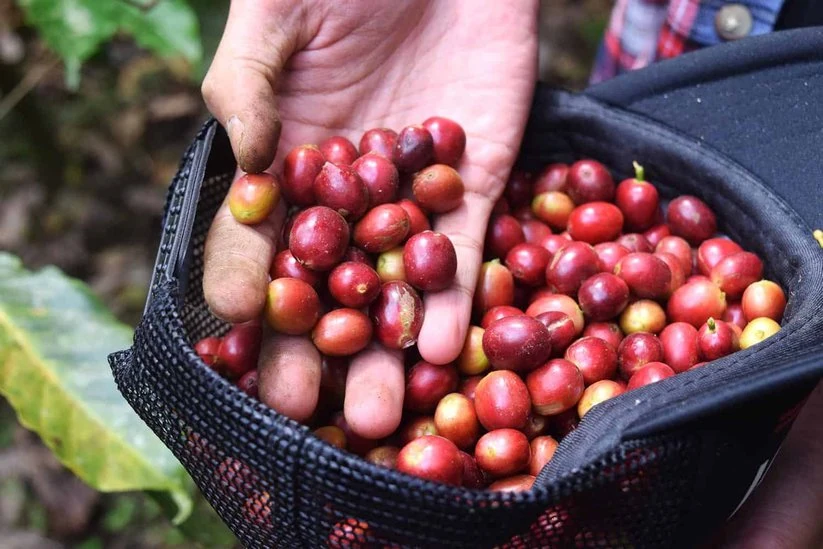
Among the various classifications of Mandheling, “Sumatra Mandheling DP Grade 1” and “Aged Sumatra Mandheling” are two particularly representative offerings. DP Grade 1 Mandheling is known for its long aftertaste and earthy, forest-soil aroma, offering a full-bodied taste with a hint of mustiness, making it a favorite among dark roast enthusiasts. “Aged Mandheling,” on the other hand, undergoes a three-year controlled aging process before export. Although termed “aged,” it does not refer to improperly stored old beans, but rather beans that have been slowly matured in a temperature- and humidity-controlled environment. This aging process results in a softened acidity, increased body, and a shift in flavor toward spices, walnuts, chocolate, and even slight hints of spice, yielding a more profound and captivating flavor complexity.
Mandheling coffee is often described as “unremarkable in appearance,” but many coffee experts believe that the rougher the Sumatran beans look, the richer and smoother their internal flavors tend to be. This type of coffee is suitable for single-origin enjoyment and is also often used as the backbone in blends to enhance overall body and aftertaste persistence. Its low acidity also makes it less prone to producing unpleasant sharp sourness during prolonged brewing or when making iced coffee.
Among the four common Mandheling types, the first recommendation is “Lintong Mandheling.” Grown near Lake Toba in northern Sumatra, the Lintong region sits at an elevation of approximately 1100–1600 meters, with Typica and Catuaí as the main varieties. The coffee here is mostly cultivated by smallholders without pesticides, and the beans are large and hard, though with a relatively higher defect rate, requiring strict hand sorting. Its flavor profile is rich and pure, with a balanced bitterness and sweetness, grounded in nutty and dark chocolate base notes.“Golden Mandheling” is widely recognized as a high-quality representative, produced by Indonesia’s officially certified PWN company. The beans come from the Gayo highlands in Aceh Province, at elevations of 1100–1600 meters. Although the variety is Ateng (the local name for Catimor), through a process of four rounds of manual selection, only beans of 19 mesh size or larger are retained, ensuring stable and consistent quality. It is recommended to use a medium-to-high water temperature (around 90–92°C) for roasting and extraction to bring out its rich notes of nuts, caramel, and delicate spices. For optimal brewing, use a Kono filter, 86°C water temperature, 1:15 coffee-to-water ratio, medium-fine grind (BG#6W), and a pulse pouring technique to fully showcase its full-bodied, smooth, and layered characteristics.
“Tiger Mandheling” gets its name from its high-quality selection criteria: only beans of 17 mesh size or larger with a defect rate below 4% are chosen. Mainly sourced from the Aceh region at elevations up to 1500 meters, the varieties include Typica, Catuaí, and Sidikalang. Its flavor profile is relatively clean and bright, with balanced acidity and sweetness, featuring citrus notes and a sweet aftertaste, making it suitable for drinkers who prefer medium body and clear flavor profiles.
Finally, there is “Aged Mandheling.” These beans are not simply stored for a long time, but rather undergo 2–3 years of controlled storage, during which the beans gradually experience reduced acidity, increased body, and thicker texture. The storage environment must be cool and ventilated to prevent mold or off-flavors. Aged Mandheling often exhibits complex flavors such as leather, burlap, or spices, with softened acidity and a more rounded, restrained overall profile. It is ideal for coffee lovers who enjoy deep flavors and the characteristics of aged beans.
The above content is compiled by CoffeeHunters, a coffee news website.


