







Introduction:This article provides an in-depth analysis of two popular anaerobic-processed coffee beans from Colombia—Floral Moonlight and Rose Valley. It breaks down their variety characteristics, processing methods, and flavor profiles, while also highlighting how they differ from traditional washed beans. Practical pour over recommendations and parameters are included to help coffee enthusiasts better master the brewing techniques and unique traits of high-altitude Colombian beans.
Located in the northwest of South America, Colombia enjoys a spring-like, mild climate along with the high-altitude terrain of the Andes Mountains, providing ideal growing conditions for coffee trees. Coffee farming here largely relies on manual picking, and washed processing is the mainstream method, resulting in a flavor profile that is well-balanced with moderate acidity and sweetness. In recent years, the rise of anaerobic fermentation processing techniques has enabled Colombian coffees to exhibit richer fruit notes and fermentation layers. Two standout examples in the market are the much-talked-about Floral Moonlight and Rose Valley beans.
Both of these beans use the widely grown Caturra variety, a Bourbon mutation known for its short plant stature, strong disease resistance, and stable yield—making it well-suited for high-altitude mountain cultivation. In addition, Colombia has been actively promoting the Castillo variety in recent years. Developed by official research institutions, this variety boasts good disease resistance and high yield potential, along with bright citrus acidity and rich aroma. One brand’s Isabella coffee bean, for instance, uses this variety and showcases layers of citrus, berries, and honey through semi-washed processing.
The Floral Moonlight and Rose Valley beans released by a certain brand share many flavor similarities, such as intense strawberry and floral aromas, but closer tasting reveals their distinct personalities. Rose Valley particularly stands out for its prominent floral notes, with rich aromas accompanied by noticeable fermented wine-like scents—taking you as if into a flower field with each sip. In contrast, Floral Moonlight has more subtle floral notes but excels with its intense strawberry jam aroma and peach-like mouthfeel. The taste is like sipping a slightly acidic yet sweet strawberry juice, yet the coffee liquid has a deep, wine-like color that is captivating.
It’s worth noting that both of these coffees employ the anaerobic processing method. The core of this technique involves fermenting the coffee beans in a low-oxygen or oxygen-free sealed environment. By precisely controlling variables such as temperature, pH, and time, microbial activity is guided to develop richer and more consistent fruit and fermentation flavors. Compared to traditional washed or natural processing, anaerobic fermentation can effectively reduce the risk of flavor instability, minimize issues like over-fermentation or off-flavors, and ensure that each batch of beans delivers the expected flavor profile.
Besides Floral Moonlight and Rose Valley, other beans such as a certain brand’s Geisha and Big Belly Tip also use anaerobic processing. The former showcases complex fruit notes like passionfruit, grape, and apricot, while the latter features blackcurrant, berries, and spices as its main tones—ideal for coffee lovers who enjoy bold fermentation flavors. To personally experience the unique charm of anaerobic processing, these beans are a great place to start and to feel the distinct aromas and layers compared to traditional washed beans.
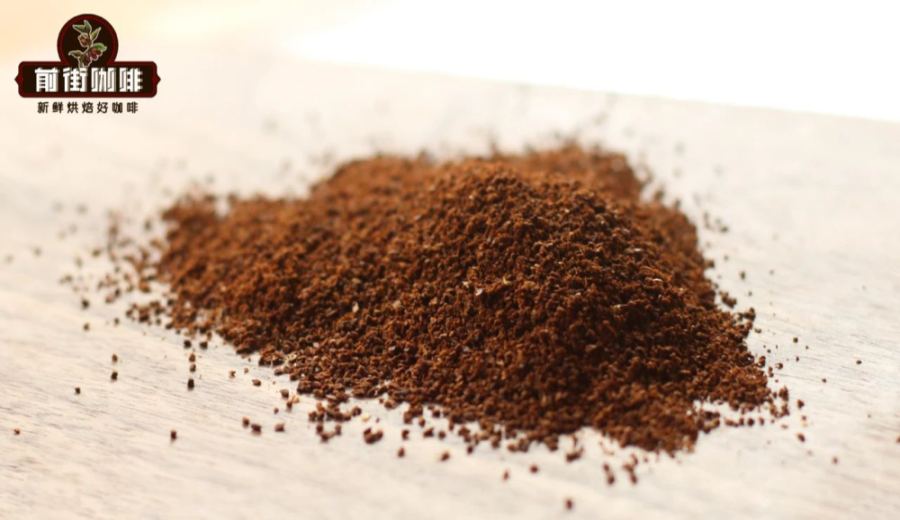
In terms of brewing recommendations, for high-flavor-profile anaerobic beans like Floral Moonlight or Rose Valley, you can use the following parameters to fully bring out their fruity notes and sweetness: Use 15 grams of coffee beans with a medium-fine grind size (approximately 70% to 75% passing through a #20 sieve), set the coffee-to-water ratio at 1:15, and the filter recommended is the Hario V60, whose conical design helps enhance extraction layers and flow rate control. Water temperature is advised to be around 91°C to avoid over-extraction from excessive heat or underwhelming flavors from too low a temperature.
The specific brewing steps are as follows: First, perform a 30-second bloom by pouring about 30 grams of water. This helps release carbon dioxide from the coffee grounds and prevents it from affecting subsequent extraction. Next, pour the second phase of about 100 grams of water, bringing the total to 130 grams, using a steady circular pouring method to enhance extraction efficiency in the early to mid stages and release more small-molecule flavor compounds. After waiting about 10 seconds, pour the remaining 95 grams of water, also maintaining a uniform circular motion. Finally, add 25 grams of water via a center pour to avoid overly disturbing the bottom layer of grounds and extracting excessive bitterness. This approach will result in a cup that showcases intense strawberry jam aromas, soft fermentation notes, and a silky, sweet chocolatey finish.
The above content is compiled by CoffeeHunters, a coffee news website.


