







Introduction:Understand the processing principles and flavor characteristics of the two major coffee processing methods—washed and natural—to help you choose the right beans based on your taste preferences. This article details the complete steps of the washed process, compares its pros and cons, and features five premium washed coffee beans from Ethiopia, Panama, Kenya, Rwanda, and Jamaica, perfect for pour over enthusiasts to explore in depth.
After coffee cherries are harvested, they must undergo specific processing procedures to become the green beans we’re familiar with. Different processing methods significantly influence the final flavor profile, among which the washed and natural processes are two historically significant and widely used techniques. These two methods not only differ markedly in their processing workflows, but also bring distinct effects on the acidity, sweetness, and body of the coffee. This article will delve into the processing steps and characteristics of the washed method, compare the flavor profiles of washed and natural beans, and recommend five high-quality washed coffee beans from renowned origins for your reference and tasting.
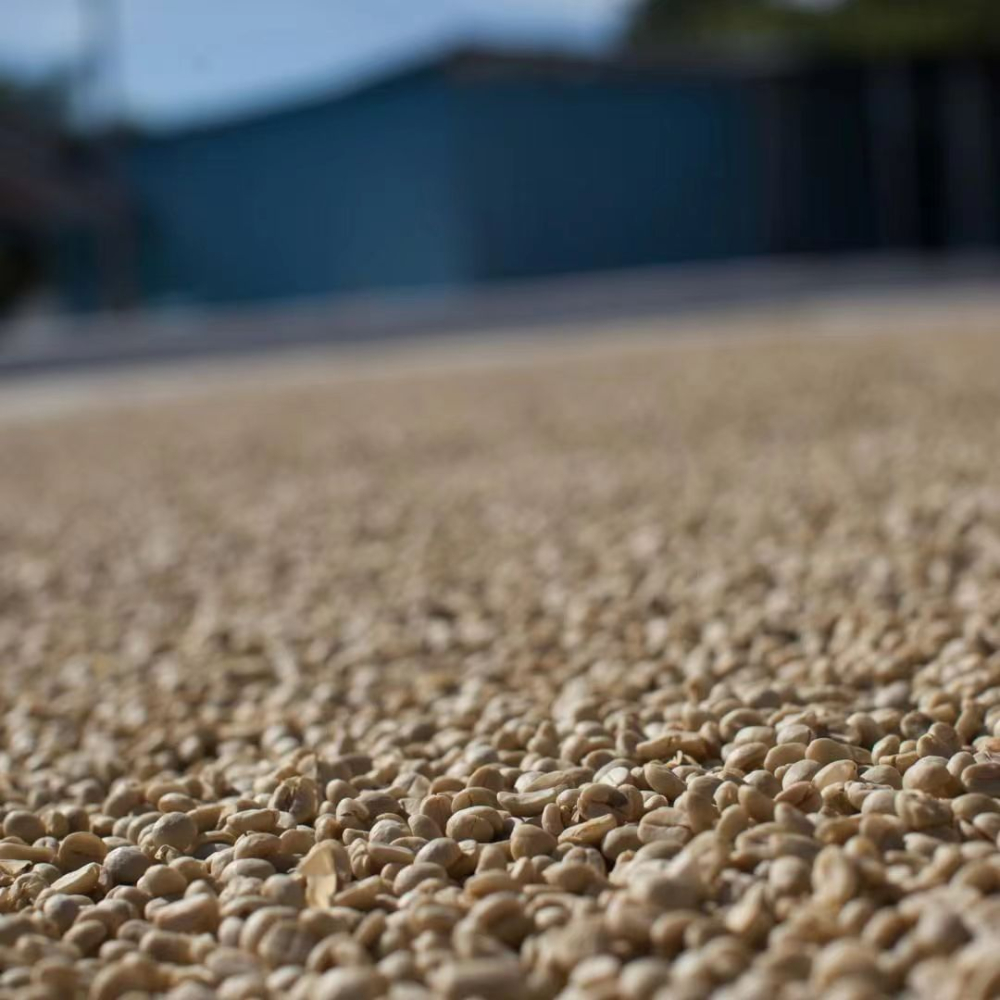
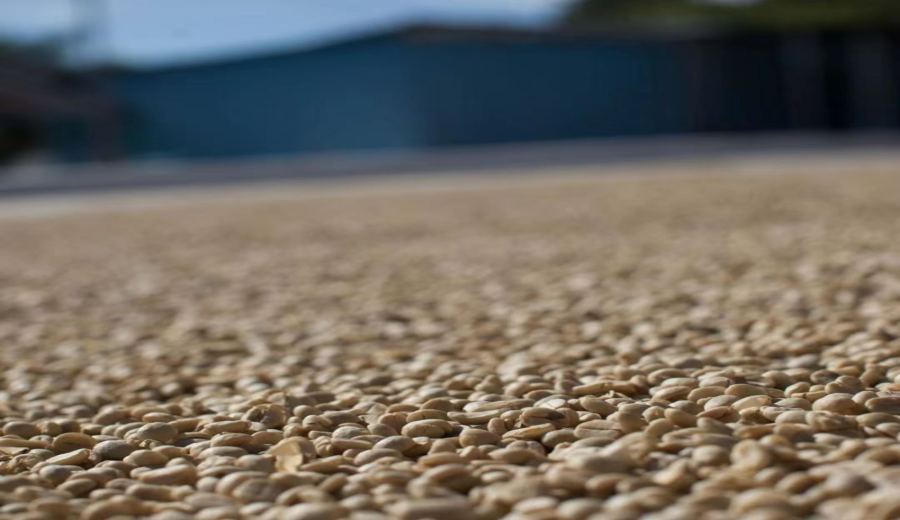
Washed Process (Wet process / Washed method)Originating in the Netherlands in the 18th century, it was initially developed to address situations in certain rainy and humid regions where the natural process could not be used. Though the workflow is more complex, it allows for effective quality control, and has now become one of the most widely adopted processing methods globally. The biggest difference between the washed and natural methods is that the former uses fermentation to remove the mucilage layer on the surface of the coffee bean, resulting in a cleaner and brighter final coffee flavor.
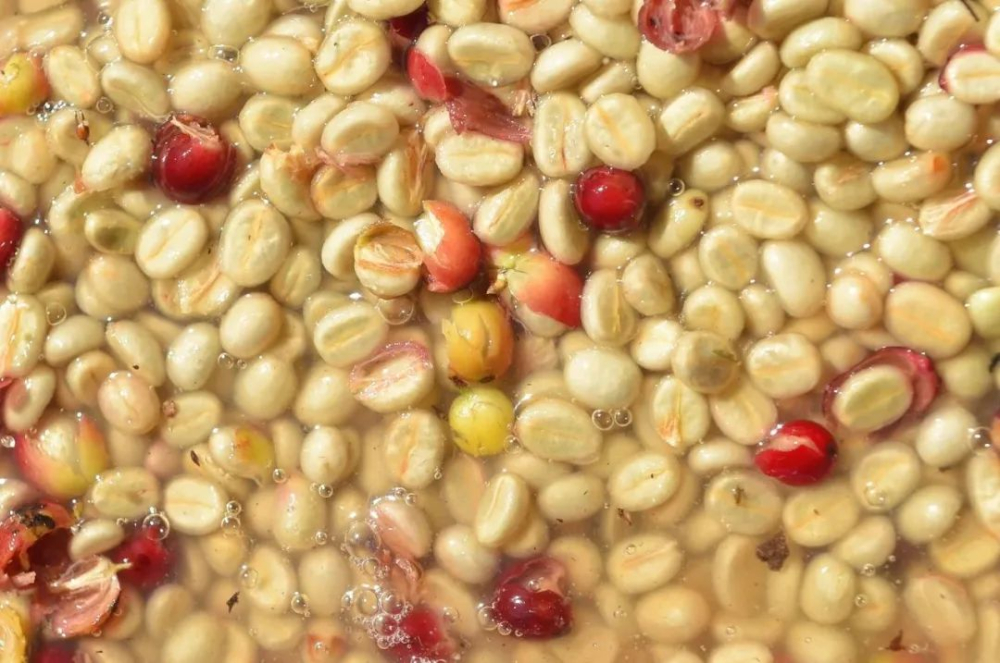
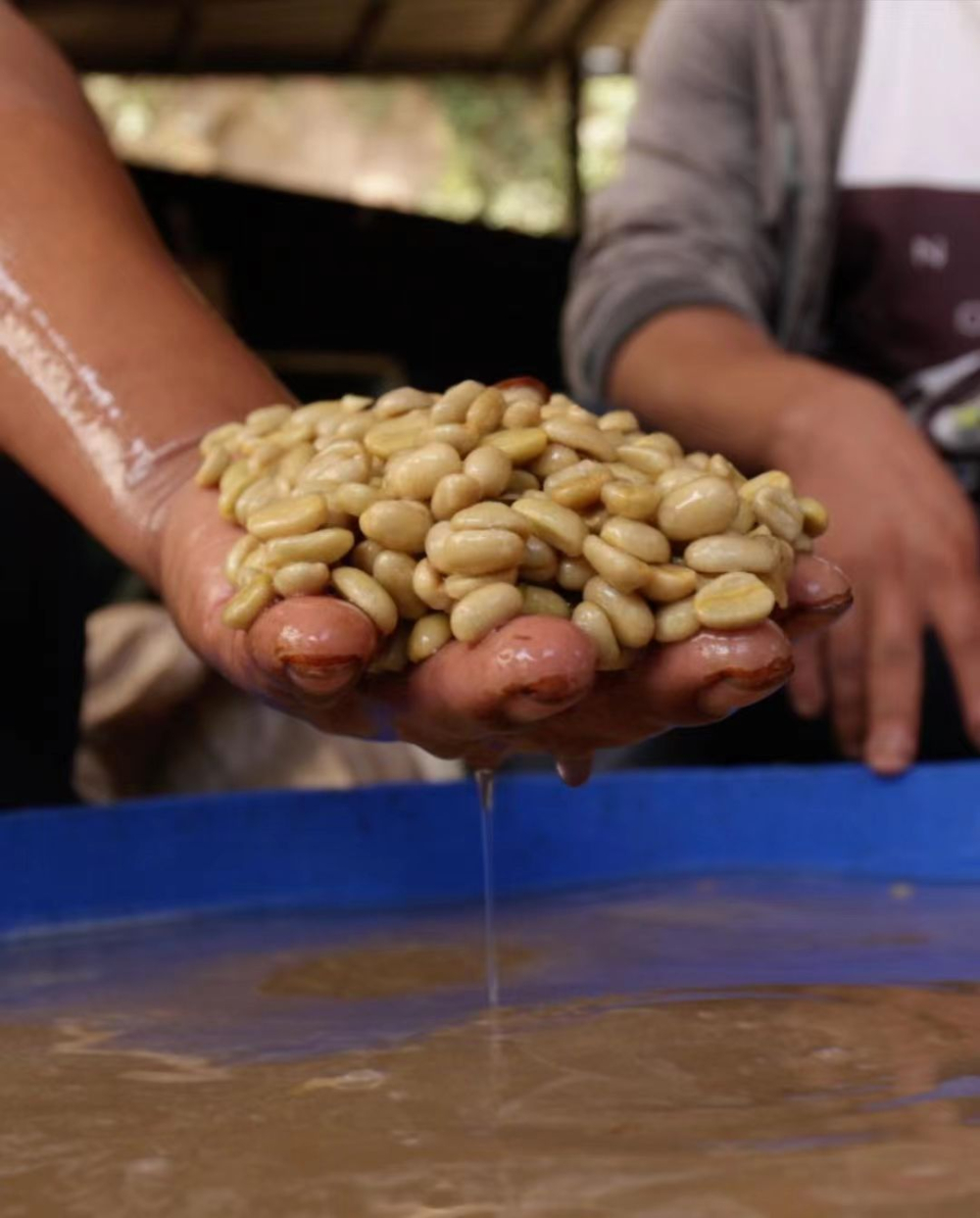
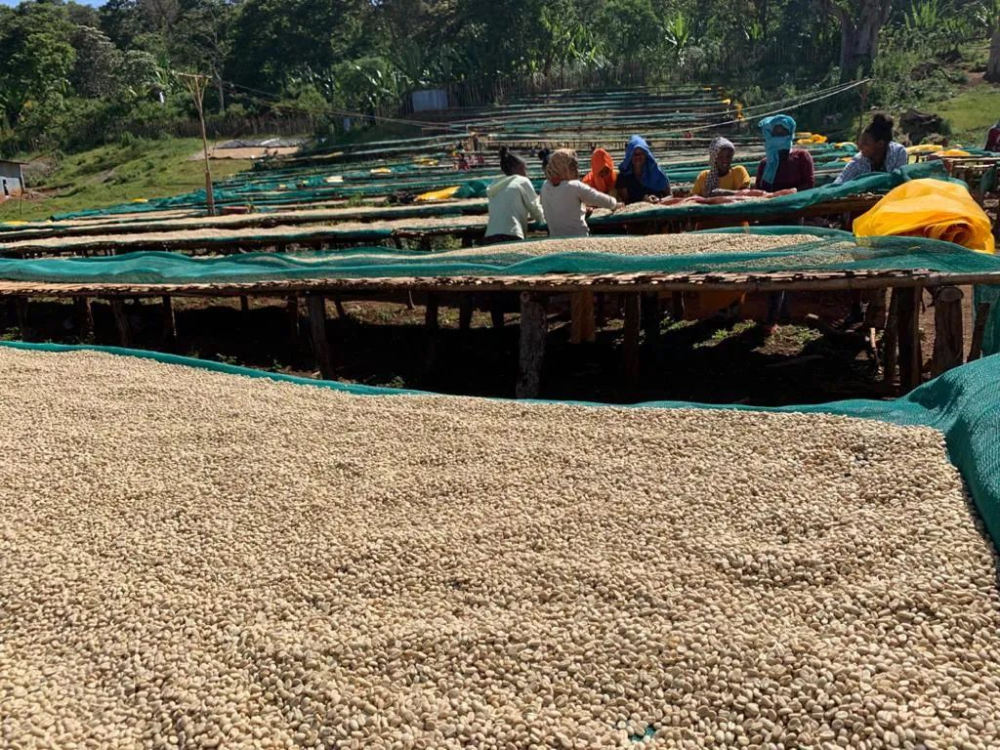
The washed process can generally be divided into eight steps. The first three steps are similar to those of the natural process: first, select coffee cherries at the appropriate level of ripeness; then, remove impurities and lower-quality beans; followed by using the floatation method to separate out defective beans with lower density. Next comes **pulping**, where the screened coffee cherries are fed into specialized equipment to remove the outer skin and pulp, leaving only the inner seeds. This is followed by the **mucilage fermentation stage**, where the sticky mucilage (also called pulp) covering the seeds is placed in a fermentation tank and gradually broken down through microbial action. After fermentation, the beans enter the **washing and cleaning phase**, where they are rinsed and filtered again, and defective beans with insufficient density will float and be removed during this stage. This step consumes a relatively large amount of water but is crucial for improving cleanliness. Subsequently, the coffee beans are dried by machine or sun-dried until their moisture content is reduced to 10%–14%. The final step is using a hulling machine to remove the parchment and silver skin, completing all processing procedures, after which the beans can be packaged and shipped.
The washed method has many advantages—for example, the processed beans have a neater appearance and fewer impurities, and since the pulp is removed early on, the risk of mold is greatly reduced, resulting in high overall quality stability. However, its disadvantages are also noteworthy: the entire process involves multiple stages, is operationally complex, and requires a large amount of water, making it difficult to promote in water-scarce regions and relatively costly.
When comparing washed beans with natural beans, their flavor profiles show clear differences. The natural process is the most traditional method and is relatively simple to operate. Although natural beans may have uneven coloration, because the beans ripen naturally within the fruit, they are less affected by external factors and often exhibit intense fruitiness, wine-like notes, and rich sweetness. In contrast, washed beans are typically harvested as soon as the cherries turn red, and the fermentation process produces bright acidity, resulting in a fresher and cleaner flavor; whereas natural beans, due to delayed harvesting, allow the seeds to fully absorb the sugars and aromas from the fruit pulp, and after sun exposure, deliver a more complex profile and fuller body.
Below are five highly acclaimed washed coffee beans from different origins, recommended for coffee lovers who enjoy pour over or want to deeply experience unique flavors.
1. Yirgacheffe Gu Ding Ding: Produced in the Yirgacheffe region of Ethiopia, at an altitude of about 2000–2100 meters, the variety is local landrace, processed using the washed method. The flavor profile includes orange, citrus, tea notes, and jasmine aroma.
2. Panama Geisha Flower Butterfly: Produced in Boquete, Panama, at an altitude of 1600 meters, the varieties include 70% Geisha as well as Caturra and Catuai, also processed with the washed method. The flavor features berries, citrus, and delicate floral notes.
3. Kenya Little Tomato: Produced in Thika, Kenya, at an altitude of 1550–1750 meters, the varieties are SL28 and SL34, processed with a 72-hour washed method. The flavor presents layers of cherry tomato, berries, pear, black plum, and brown sugar.
4. Rwanda Red Bourbon: From Southern Province, Rwanda, at an altitude of 1500–1700 meters, the variety is Red Bourbon, processed using the washed method. The flavor is dominated by berries, citrus, apple, and tea notes.
5. Jamaica Blue Mountain No.1: Produced in the Blue Mountain region of Jamaica, at an altitude of 1310 meters, the variety is Typica, processed with the washed method. The flavor showcases a balanced profile of nuts, chocolate, cream, and caramel, with well-coordinated acidity, sweetness, bitterness, and richness.
The above content is compiled by CoffeeHunters, a coffee news website.


