







Introduction:Many beginner coffee drinkers, upon first tasting single-origin coffee, often suspect it has gone bad due to its noticeable acidity. In fact, acidity is not a flaw but one of the key flavor characteristics of specialty coffee. This article delves into the sources of coffee acidity, teaches you how to distinguish good acidity from bad, and explains how parameters such as roast level, water temperature, and grind size affect the expression of acidity. It also introduces several African origin beans renowned for their fruity acidity, helping you build a correct understanding of coffee acidity.
In the world of specialty coffee, acidity is a flavor dimension that is often misunderstood. Many novice coffee enthusiasts, when first trying single-origin coffee, often doubt they’ve been served spoiled coffee because of its distinct acidity. In reality, acidity is not only a normal flavor characteristic of coffee but also one of the important indicators for evaluating coffee quality.
To understand coffee acidity, one must first familiarize themselves with the Coffee Taster’s Flavor Wheel, a professional tool that systematically categorizes various flavor characteristics of coffee. Among them, acidity, sweetness, bitterness, and saltiness are the four fundamental taste profiles in coffee evaluation. Notably, the expression of these tastes is closely related to the roast level of the coffee beans. Based on practical brewing experience, lighter roasts better preserve and highlight the inherent acidity of the coffee beans.
Where does the acidity in coffee come from? This is a common question among many coffee beginners. In fact, acidity and astringency are two distinctly different sensory experiences. Acidity is typically perceived as a tingling sensation and increased saliva production on the sides and back of the tongue; whereas astringency is an uncomfortable feeling on the surface of the tongue, throat, and palate, similar to swallowing coarse fibers. This astringent sensation usually indicates some kind of defect in the coffee production process.

In coffee evaluation, there is also good and bad acidity. Good acidity often presents as bright and lively, similar to the acidity found in high-quality fruits like lemons and citrus—this type of acidity is commonly found in specialty coffee beans from African origins. Conversely, poor acidity may exhibit sharp and unpleasant characteristics, often resulting from improper processing or failed roasting.
Common factors that lead to undesirable astringency in coffee include improper water temperature control (too high or too low), uneven brewing water flow, and unsuitable grind size (too fine or too coarse). These factors can all affect the balance of coffee extraction, leading to the release of undesirable flavors. It is particularly worth noting that higher water temperatures tend to extract excessive bitter and astringent substances, while lower temperatures may result in under-extraction, amplifying sour and astringent sensations.
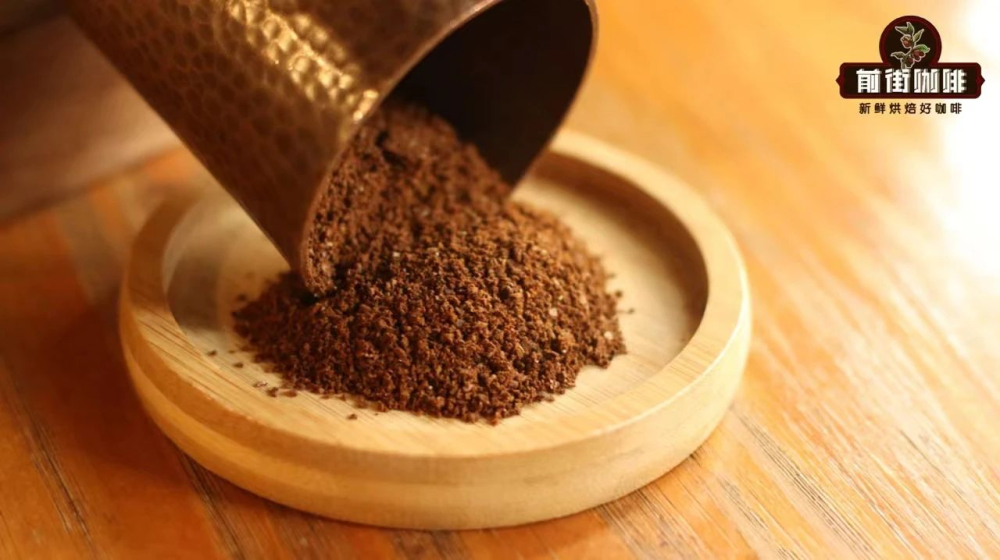
To adjust the intensity of coffee acidity, you can start with the following key parameters: first is grind size—coarser grinds generally bring out more pronounced acidity; second is brewing time—overly long extraction times can allow other flavors to mask the acidity; and last is water temperature control—higher temperatures accelerate the release of acidic compounds. Fine-tuning these parameters can significantly alter the final flavor profile of the coffee.
The acidity characteristics of coffee are inseparably linked to the roast level. Raw beans contain various organic acids such as citric acid, malic acid, quinic acid, and phosphoric acid, but these are not the primary sources of the acidity we perceive when drinking. In reality, lighter roasts better preserve the acidic compounds in coffee. For example, light to medium roasted coffee beans can exhibit bright citrus-like acidity, which is a typical feature of many African origin coffee beans.
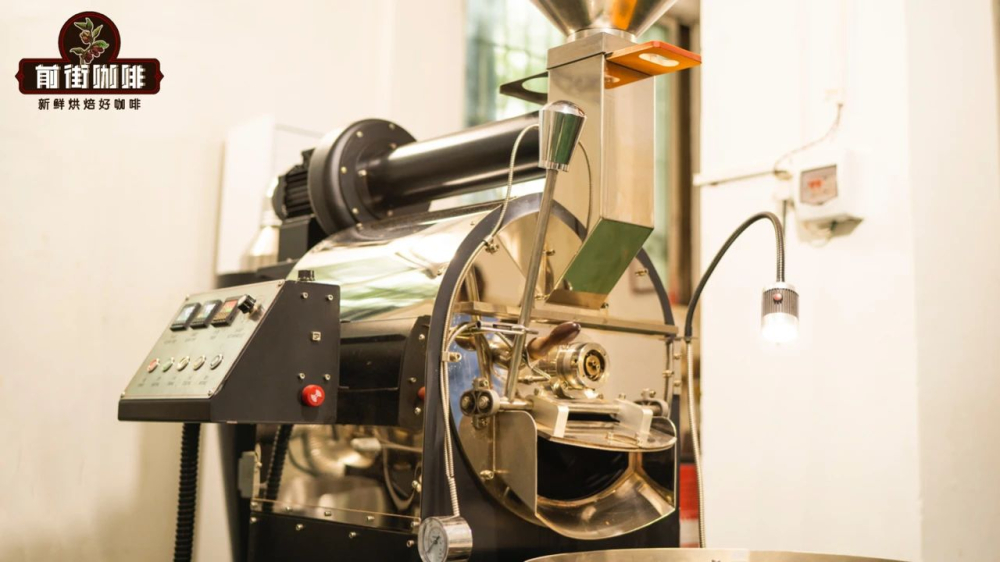
During the roasting process, chemical reactions inside the raw beans produce new acidic compounds. For instance, the breakdown of chlorogenic acids produces quinic acid, while the decomposition of oligosaccharides generates volatile acids such as formic and acetic acids. The products of these reactions change significantly with deeper roasting levels. Light to medium roasted beans are dominated by low-molecular-weight sweet and acidic compounds, while dark roasts are characterized by high-molecular-weight bitter and salty compounds.
It’s particularly noteworthy that African origin coffee beans are world-renowned for their distinctive fruity acidity. These beans are typically processed using the washed method, preserving more of their native flavor traits. For example, high-altitude coffee beans from Ethiopia’s Yirgacheffe region often feature bright citrus and lemon acidity, paired with honey and berry aromas, making them a top choice for fans of light roasts.

Another typical example is coffee beans from the Kenya region. These beans often undergo a 72-hour extended washed process, which results in a complex acidity structure. Common flavor descriptions include unique sweet-and-sour combinations such as black plum and cherry tomato, adding rich layers of complexity to the coffee. These characteristics make African origin coffee beans an excellent choice for exploring the features of coffee acidity.
The above content is compiled by CoffeeHunters, a coffee news website.


