







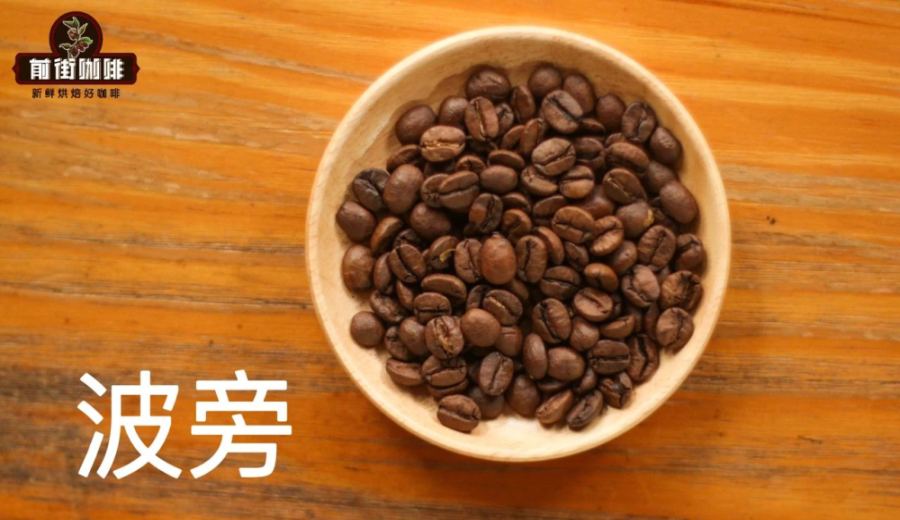
Introduction:As a classic and historic variety within the Arabica family, Bourbon coffee is renowned for its unique sweetness and diverse flavor profile. This article delves into the origins of Bourbon, its connection to Typica, major global producing regions, as well as the characteristics of rare variants such as red, yellow, pink, and peaberry Bourbon, helping readers gain a comprehensive understanding of this important specialty coffee and learn how to select the right Bourbon variety based on their flavor preferences.
Bourbon coffee is one of the oldest varieties within the Arabica species, standing alongside Typica but distinguished by its broader leaves and relatively higher yield potential. This variety originated in Yemen and was later named after being cultivated on the French colonial-era Île Bourbon (now Réunion Island). Bourbon coffee cherries are typically short, round, and dense, with flavors characterized by prominent sweetness and bright acidity, often accompanied by notes of cocoa and brown sugar, making it highly favored among specialty coffee enthusiasts.
Depending on the color of the cherries when ripe, Bourbon can be subdivided into red Bourbon, yellow Bourbon, orange Bourbon, and even the rare pink Bourbon and peaberry Bourbon. These variations not only differ in appearance but also directly influence flavor expression. For example, red Bourbon generally exhibits rich cocoa and caramel aromas, while yellow Bourbon is known for its brighter acidity and citrusy notes.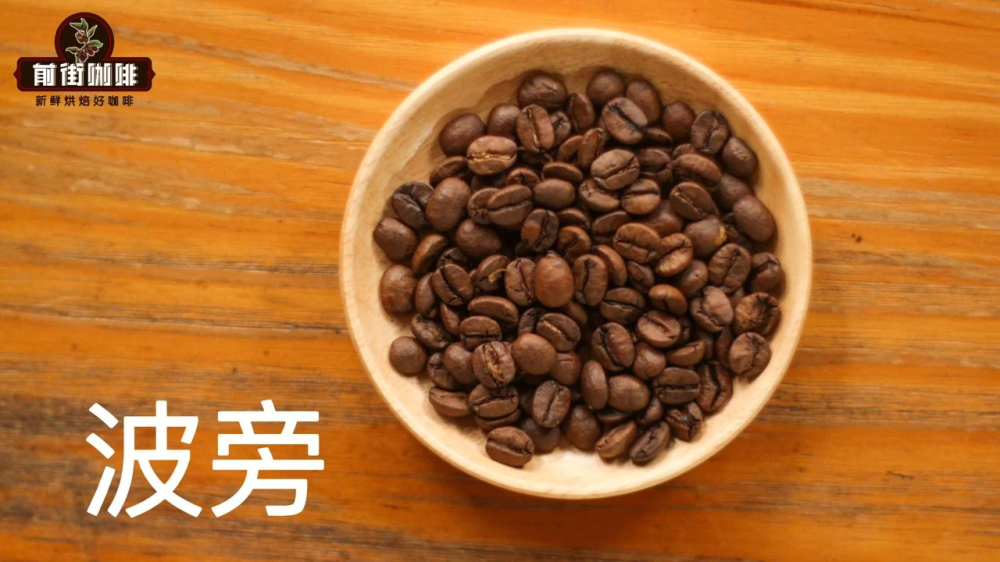
Both Bourbon and Typica belong to the Arabica species, originating from Ethiopia and are among the earliest coffee varieties cultivated by humans. Although both possess excellent flavor potential, they share challenges such as relatively weak disease resistance and lower yields. Bourbon has broader leaves than Typica, with plants growing more densely and yielding slightly more per unit area, yet it remains a low-yield variety and is susceptible to leaf rust. The cherries are mostly red, but there are also natural orange and yellow variants, with yellow Bourbon typically having brighter acidity and slightly less sweetness than red Bourbon.
The history of Bourbon dates back to the 18th century when it was first planted on Réunion Island (then called Île Bourbon), hence its name. The variety was introduced by the French from the Mocha region of Yemen and gradually spread to major coffee-producing regions around the world. In 1727, Bourbon was brought from the east coast of Africa to Brazil and then expanded into Central and South America. By 1732, the British also introduced the Yemen Mocha variety to Saint Helena Island—these round beans were early forms of the Bourbon lineage. Today, Bourbon has become an important variety in specialty coffee across Latin America, Africa, and parts of Asia.
The global spread of Bourbon has taken diverse and historically significant routes. Around 1860, Bourbon was introduced from the Campinas region in southern Brazil and quickly expanded to neighboring countries. It can still be found today in El Salvador, Guatemala, Costa Rica, and Peru, although many areas have gradually been replaced by varieties such as Caturra, Catuai, and Mundo Novo.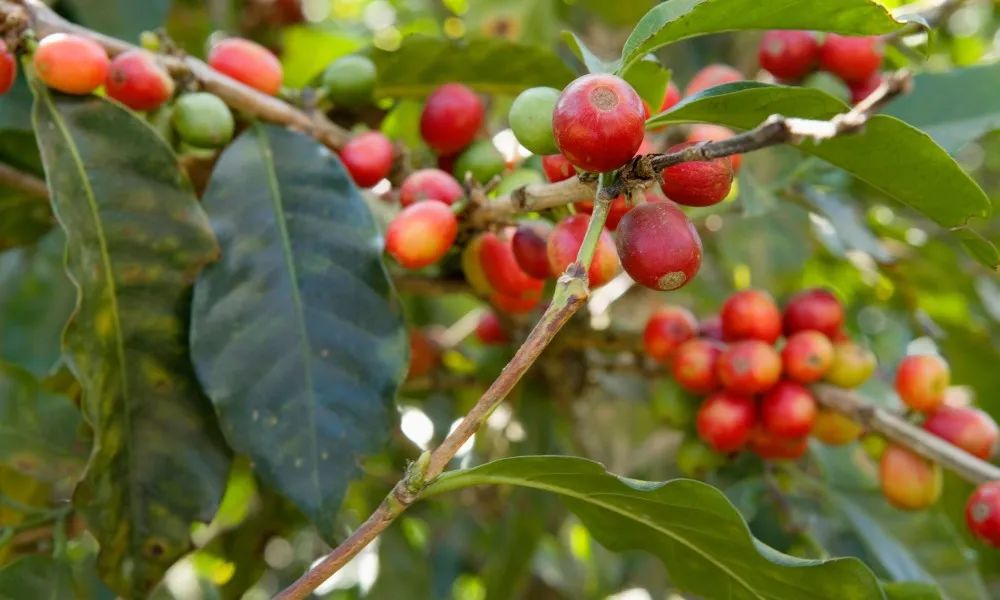
In Africa, French missionaries played a key role in promoting Bourbon. In the mid-to-late 19th century, missionaries from Réunion brought coffee seeds to Tanzania, Kenya, and other regions. While establishing multiple missionary outposts, they also introduced Bourbon cultivation techniques and seeds—these seeds later became known as "Mission Bourbon." Among them, the Kilimanjaro region in Tanzania continues to focus on Bourbon and Kent varieties, contributing to the unique flavor profile of its coffee.
Red Bourbon is the most common Bourbon variant, with cherries turning from green to red upon ripening, passing through stages such as light yellow and light orange, hence the name. Red Bourbon grown at high altitudes often displays richer aromas and brighter acidity, sometimes even exhibiting complex layers akin to red wine.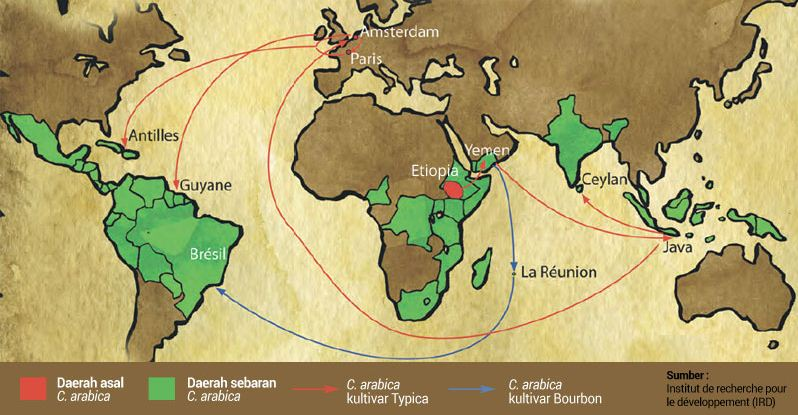
Yellow Bourbon is a relatively rare mutation, with ripe cherries appearing yellow. It was first discovered in Brazil. It is generally believed that yellow Bourbon may be the result of a mutation from a cross between red Bourbon and a certain Typica variant that produces yellow fruit (such as Amerelo de Botocatu). Due to its low yield and high environmental requirements, yellow Bourbon is not widely cultivated, but in high-altitude regions, its flavor performance is outstanding, with bright and layered acidity.
Pink Bourbon is an even rarer variety, created by crossing red and yellow Bourbon, with ripe cherries showing a romantic pink hue. Due to the recessive nature of the pollen genes, consistently producing pure pink coffee cherries is extremely challenging, making this variety exceptionally rare and highly regarded in the specialty coffee market.
Peaberry Bourbon (Bourbon Pointu), also known as Laurina, is an extremely unique Bourbon variant with slender beans and pointed ends, forming a stark contrast to the traditional round Bourbon. Peaberry Bourbon contains roughly half the caffeine of regular Bourbon, with delicate flavors that do not affect sleep, making it highly popular among European nobility and literati in the 18th and 19th centuries, including King Louis XV of France and writer Honoré de Balzac. However, due to its low yield and susceptibility to disease, peaberry Bourbon nearly went extinct in the mid-20th century before being revived in recent years on Réunion Island and in Colombia, now becoming an extremely precious specialty coffee item.
In addition to the above variants, Pacas is also an important natural mutation of Bourbon, first discovered in El Salvador in 1949. Pacas features shorter internodes and larger fruiting zones, allowing for more efficient use of planting space and increased yield per unit area. This variety is now widely cultivated in Honduras, El Salvador, and others, and is commonly found in blended coffee recipes, bringing vanilla, cream, and whiskey-like aromatic layers to the cup.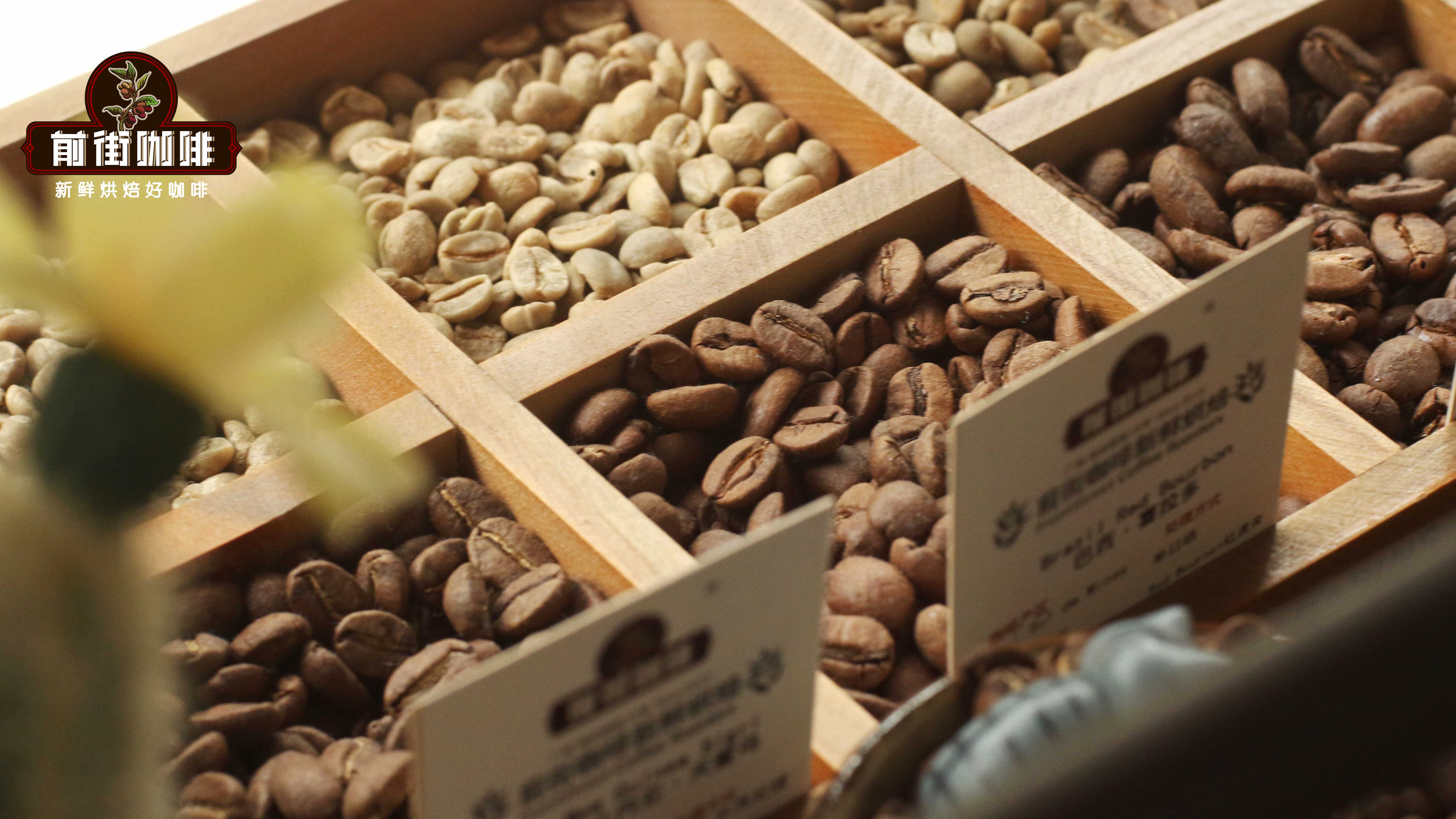
In summary, red and yellow Bourbons among the Bourbon varieties share a high degree of similarity in flavor profile, both showcasing notes of dark chocolate, cocoa, nuts, and caramel, with soft acidity and sweet aftertastes; pink Bourbon, on the other hand, is distinguished by its brighter acidity and fruity character. Whether you're a beginner or a seasoned coffee enthusiast, understanding the characteristics of these Bourbon variants can help you select the specialty coffee bean that best suits your personal taste.
The above content is compiled by CoffeeHunters, a coffee news website.


