







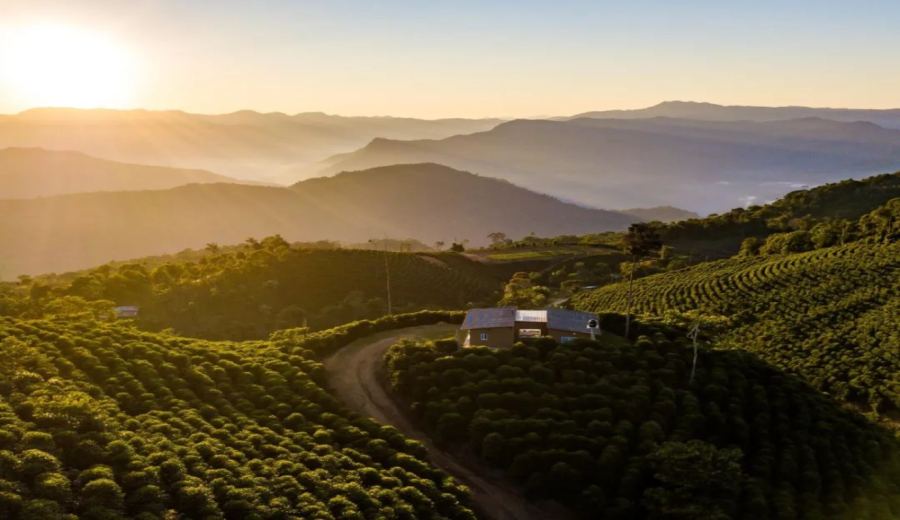
Introduction:This Caturra coffee from the Alasitas Estate in the Calavera region of La Paz, Bolivia, showcases intense fruity aromas and rich sweetness through its cocoa natural processing method. This article delves into how the region’s altitude, variety characteristics, and processing techniques shape its unique flavor profile, and provides professional roasting recommendations, cupping notes, and practical pour over parameters to help you fully experience the potential of this high-altitude specialty bean.
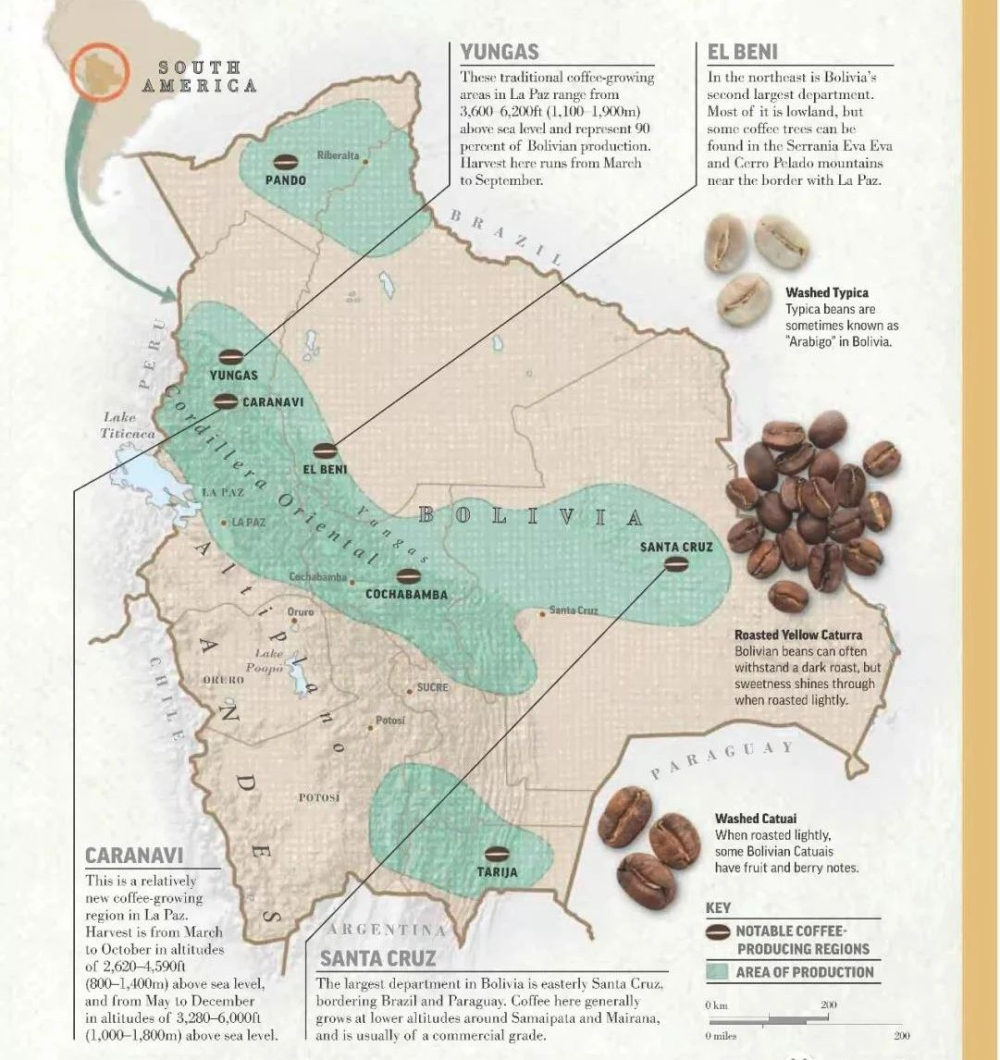
Although Bolivia is a small, landlocked South American country with limited economic development, its high-altitude terrain has given rise to surprising specialty coffee potential. Recently, a Caturra variety coffee bean from the Alasitas Estate in the Calavera region of La Paz has emerged on the market, presenting distinctive flavors through its signature cocoa natural processing method. The following will break down the unique aspects of this coffee—from regional environment and variety background to processing technology—and include tested roasting suggestions, cupping records, and recommended pour over parameters.
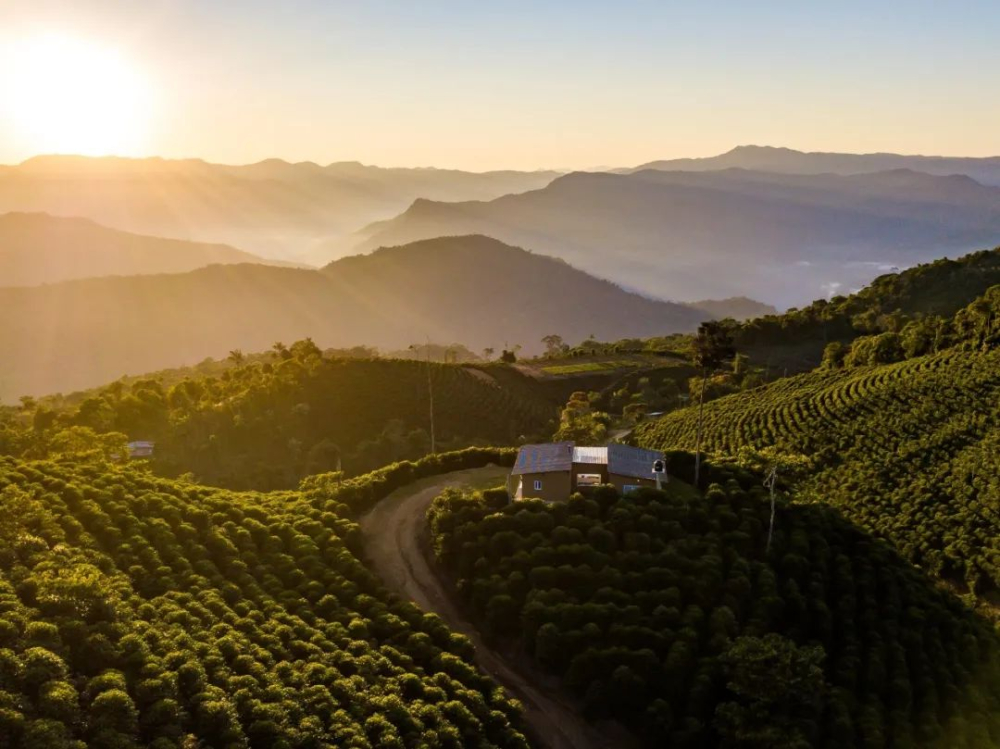
Bolivia is located in the central part of South America, bordering major coffee-producing countries such as Brazil and Colombia, yet its international reputation for specialty coffee has long been relatively low. However, in recent years, some estates located at elevations exceeding 1,600 meters have begun to stand out. Among them, the Alasitas Estate at 1,650 meters produces Caturra that, through cocoa natural processing, exhibits intense fruity aromas and rich sweetness, becoming a rising star in the market.
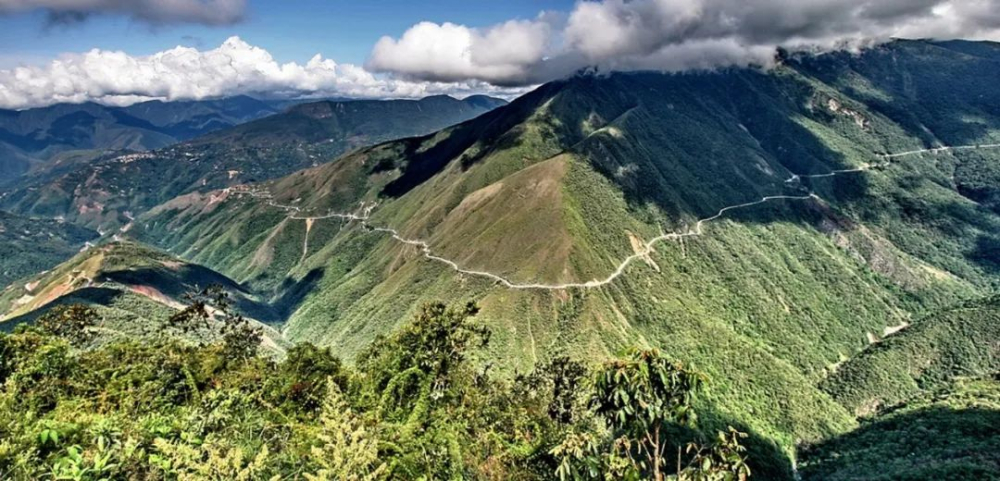
The Alasitas Estate is situated in the small Calavera sub-region, part of the Amazon Mountain range extension, with diverse ecology and stable climate. The estate is meticulously planned, and when viewed from above, resembles a giant fingerprint pattern, which not only facilitates management but also benefits sunlight exposure and drainage. This land is managed by the Rodriguez family, dedicated to improving the income of smallholder farmers. Their "Sun of Tomorrow" initiative, through technical guidance, collective processing, and sales support, stabilizes coffee quality and improves farmer earnings—an important reason why this bean maintains such a high standard.
The Caturra variety used in this coffee originated in Brazil in 1937 as a natural mutation of Bourbon. It features shorter plants but higher yields. Though originating in Brazil, it did not gain widespread cultivation there due to adaptability issues, instead becoming mainstream in Central and South American countries such as Colombia, Costa Rica, and Nicaragua. Caturra coffee cherries are mostly red, with bean shapes slightly curved at the tip and an overall slender, rounded form—distinctive features of this variety.
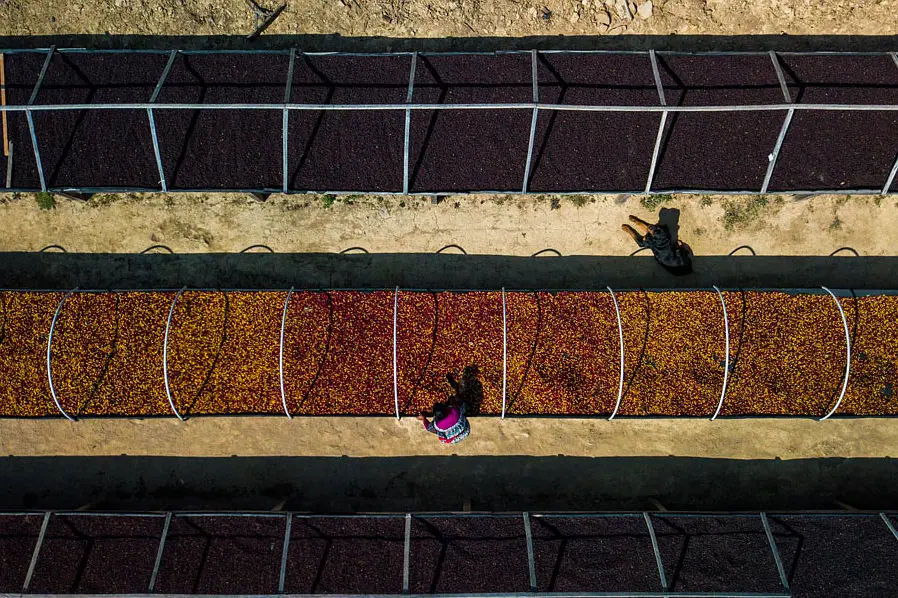
The highlight of this batch of coffee lies in its use of the "cocoa natural processing method," a common local practice in Bolivia that emphasizes selecting ripe fruits and controlling temperature for slow drying. Only fully ripe coffee cherries are handpicked during harvest and transported in crates to avoid bruising or premature fermentation. The process begins with washing to remove impurities, followed by placement on African-style raised beds, where they are turned regularly to ensure even drying over about a week. They are then moved to large steel tanks with temperatures controlled below 40°C for continued drying for approximately 35 hours, stirred every 30 minutes. Finally, mechanical hulling, UV, and natural light sorting ensure each bean meets high standards.
For roasting recommendations, it is advised to start with a drum temperature of 160°C, initial heat at 120, and air damper open to 3. When the turning point is reached (around 1 minute 32 seconds) and the drum temperature drops to 140°C, adjust the air damper to 4 while keeping the heat unchanged. Once the beans turn yellow and grassy aromas fade (around 154°C), the dehydration phase begins. When ugly wrinkles and black speckles appear (around 8 minutes 30 seconds), and roasty bread aromas transition into coffee scents, it marks the crucial moment just before first crack. Then, at 180°C drum temperature, reduce the heat to 70. First crack starts at 9 minutes 52 seconds; adjust the air damper to 5. As first crack continues to develop until 2 minutes 10 seconds, drop the beans at 196°C drum temperature to achieve a balanced and layered roasted flavor.
Based on actual cupping records, this coffee’s dry aroma displays distinct sugarcane and cocoa notes; during the wet aroma stage, complex fermented acidity emerges. Upon tasting, one can perceive rich fermented acidity paired with the bright sweetness of grape juice and a dense raisin-like finish, delivering a smooth mouthfeel and long-lasting aftertaste.
Practical pour over parameters based on testing are as follows: Use a Hario V60 filter cone, 15 grams of coffee, a 1:15 coffee-to-water ratio, and grind size set to medium-fine (approximately 76% passing through a #20 sieve). Water temperature should be controlled at 90°C. Use a pulse pouring method—first pour 30 grams of water for a 30-second bloom until the coffee grounds expand into a "hamburger" shape; second, gently pour 125 grams of water in a circular motion from the center at about 4 cm height, maintaining a flow rate of about 4 grams per second. When the water level drops to half the coffee bed, proceed to the third pour, moving from the center outward in circles until the total water volume reaches 225 grams. The total extraction time is around 2 minutes and 1 second. After extraction, it is recommended to gently swirl the coffee to evenly distribute the liquid before drinking.
The above content is compiled by CoffeeHunters, a coffee news website.


