








Introduction:Finca Esmeralda is not only known for its Geisha, but its Diamond Mountain series, primarily featuring the Caturra and Catuaí varieties, showcases a unique tropical character through its exquisite natural processing method. This article delves into the varietal origins, the terroir of the Boquete region, the details of the processing technique, and provides professional roasting profiles, cupping data, and pour over recommendations to help you fully grasp the potential of this premium bean.
In the world of specialty coffee, the name Finca Esmeralda is often synonymous with Geisha, yet the estate’s Diamond Mountain series is equally noteworthy. This coffee, primarily composed of the Caturra and Catuaí varieties, is refined through natural processing to deliver intense fruity aromas and rich layered flavours, offering coffee enthusiasts another window into the flavours of Panama.
The history of Finca Esmeralda dates back to 1964, when American banker Rudolph Peterson purchased this land in the Boquete region of Panama, initially using it mainly for livestock farming. It wasn’t until 1987 that his son, Price, introduced the Caturra and Catuaí varieties, laying the foundation for the future coffee business. The completion of the washed processing mill in 1994 marked the estate’s official entry into the coffee processing field.

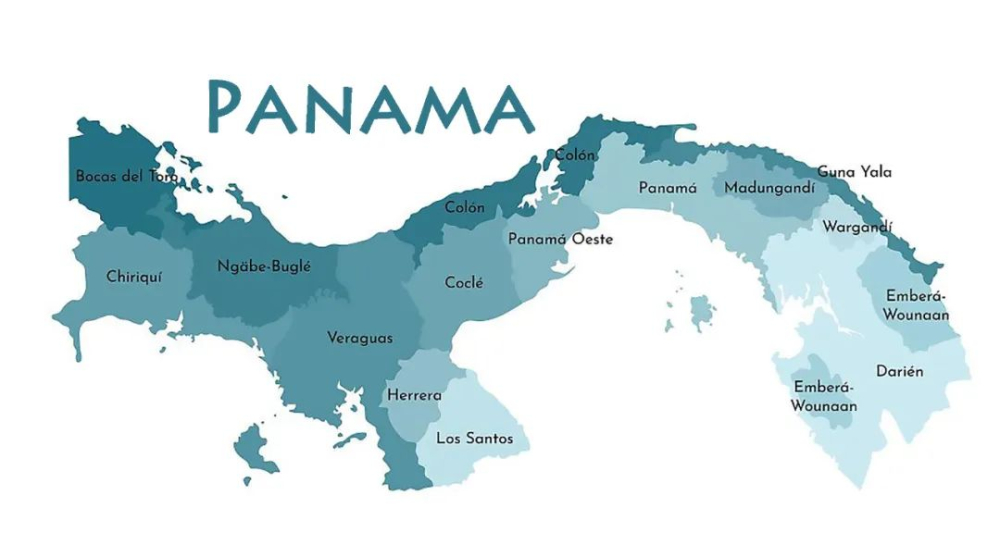
The Boquete region is located in northwestern Panama, bordering Costa Rica, with altitudes generally ranging between 1,400 and 1,900 metres. Influenced by the Barú Volcano, the area boasts fertile volcanic soils and a unique microclimate, with significant day-night temperature variations that create ideal conditions for sugar accumulation in coffee cherries. Finca Esmeralda further divides its planting areas into multiple brands based on altitude and microclimate, among which Diamond Mountain and Pamela focus on the Caturra and Catuaí varieties.
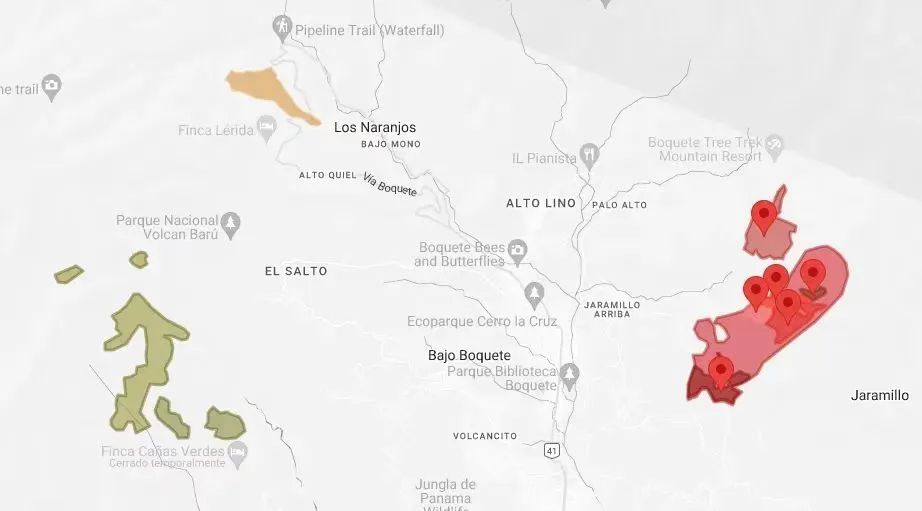
The coffee beans of the Diamond Mountain series are mainly grown at elevations of 1,400 to 1,700 metres in the Canas Verdes and Jaramillo plots. These areas are not only Rainforest Alliance certified but also strictly adhere to sustainable agricultural standards. Certification requirements include maintaining biodiversity (over 100 types of crops must be planted), controlling water usage, safeguarding farmers’ rights, and ten other core indicators to ensure that coffee production is environmentally and socially responsible.
Caturra is a natural mutation of the Bourbon variety, originating in Brazil in 1937. It is characterized by shorter plant height (making harvesting easier), strong disease resistance, a wide adaptability to altitude (700 to 1,700 metres), and increasingly refined flavours at higher elevations. Catuaí is a hybrid developed in 1949, resulting from a cross between Yellow Caturra and a New World variety (containing Robusta genes), with the breeding code H-2077. It offers excellent wind and rain resistance, but growers should be mindful of the potential threat of leaf rust.
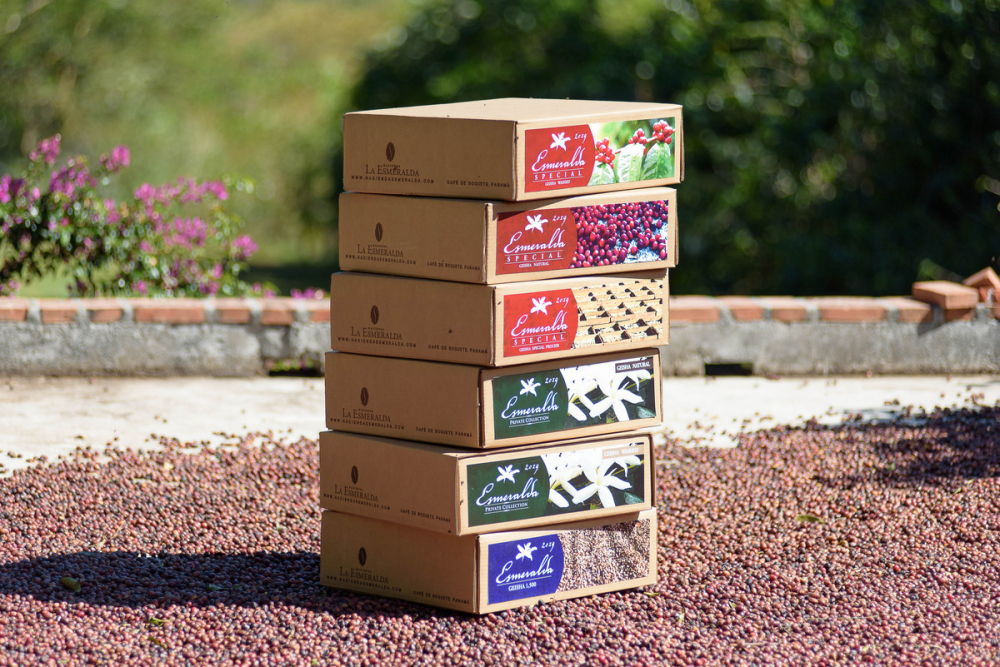
This naturally processed Diamond Mountain coffee is first dried on the concrete patios of the farm after harvest, for about 3 to 5 days (with 8 hours of sunlight per day). During this time, the fruit pulp and juice gradually seep into the beans, developing rich fruity aromas and fermentation notes. Once the moisture content reaches the desired level, the beans are transferred to a Guardiola dryer and rotated for 72 hours to stabilise the drying process and avoid over-fermentation. Finally, the pulp and skin are mechanically removed, leaving intact green beans.
Observing the natural green beans, one can notice their yellowish hue and heavier silverskin coverage. Caturra green beans are slender in shape with slightly curved tips, while Catuaí beans are flatter with sharper ends. Professional roasters recommend using a semi-direct flame roaster (such as the Yangjia 800N), starting with an initial drum temperature of 165°C. By precisely controlling the heat (initially 130, then gradually adjusting to 140 and then down to 110) and the damper opening (3 to 5), the roast is completed one minute and 20 seconds into the first crack at 191°C, achieving the desired balance of sweetness and flavour.
Cupping data shows (sample tested within 8–24 hours post-roast, using a 200ml ceramic bowl, 94°C water temperature, 20-number sieve with 70%–75% extraction rate, and a brew ratio of 1:18.18), this coffee presents bright citrus tones, accompanied by the creamy texture of honey and cocoa, with hints of fermented wine-like aromas. For pour over, it is recommended to use a V60 #01 filter, with water temperature controlled at 90–91°C, a dose of 15g and a brew ratio of 1:15, employing a three-stage extraction (30g bloom for 30 seconds, followed by pours to 125g and 225g, total brew time around 2 minutes), highlighting its crisp acidity and silky mouthfeel.
For coffee enthusiasts, the Diamond Mountain series is not only a quality choice for exploring Panamanian terroir, but also an excellent vehicle for understanding the characteristics of the Caturra and Catuaí varieties. From the complexity brought by high altitude to the tropical flair imparted by natural processing, this bean showcases the diverse possibilities of specialty coffee.
Whether you’re a beginner just stepping into the world of coffee or an advanced enthusiast seeking layered flavours, by understanding the varietal background, processing technique, and extraction parameters of this coffee, you can discover unique taste experiences in your own brewing. Remember, the charm of coffee often lies in the details — from altitude figures to water temperature adjustments, every step is a crucial piece of the flavour puzzle.
The above content is compiled by CoffeeHunters, a coffee news website.


