







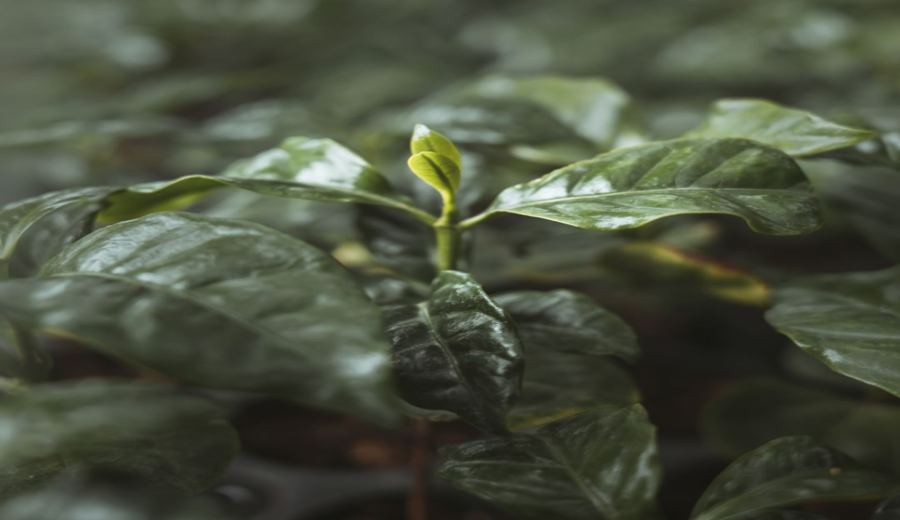
Introduction:Kenyan coffee is renowned for its bright acidity and rich fruity aroma, with AA and PB grade beans being top choices for many pour over enthusiasts. This article delves into the development background, regional characteristics, and grading system of Kenyan coffee, and provides a detailed comparison between two classic beans—Assaliya AA TOP and Sasicini PB. It also offers practical pour over brewing parameters and flavor notes to help you fully grasp the essence of Kenyan coffee from cultivation to cup.
Kenyan coffee holds a unique position in the global specialty coffee market with its intense fruit acidity and full-bodied fruity notes. Compared to its neighbor Ethiopian coffee, it presents a richer and more robust flavor profile. From growing environment and variety selection to rigorous grading and auction systems, Kenyan coffee demonstrates a high level of quality control. This article not only outlines the historical development and regional features of Kenyan coffee but also analyzes the roasting and pour over recommendations for two popular beans—Assaliya AA TOP and Sasicini PB—providing a comprehensive analysis from green bean to flavor.
The aroma of Kenyan coffee is rich, with bright and balanced acidity and distinct layers of fruitiness. Many coffee beginners often compare Kenyan and Ethiopian coffees. Although both belong to the fruit-acid family, Kenyan acidity is stronger and more robust, while Ethiopian tends to be lighter and more transparent. If you’re trying African region coffee for the first time, it’s recommended to start with Ethiopian beans such as Yirgacheffe before gradually exploring the profound expressions of Kenyan coffee.
The Development History of Kenyan Coffee
Although Kenya and Ethiopia are both in East Africa, Kenya’s coffee planting history started nearly a century later. During the British colonial period, Kenya began large-scale coffee cultivation, primarily for export and foreign exchange. In 1922, the Scott Agricultural Laboratories (Scott Labs) was established locally, and after years of research, it selected two main varieties—SL28 and SL34. These two varieties still account for 90% of Kenya’s coffee plantings, laying the foundation for the region’s unique flavor profile.
Since 1931, the Kenyan government has promoted industrial cooperation by establishing grower cooperatives and the National Coffee Board, and launched an auction system at the Nairobi Coffee Exchange in 1937 to ensure high-quality coffee is traded at fair prices. The AA, AB, and PB grade classifications introduced in 1938 remain important criteria for global buyers evaluating Kenyan coffee quality to this day.
Coffee Growing Conditions and Regional Characteristics
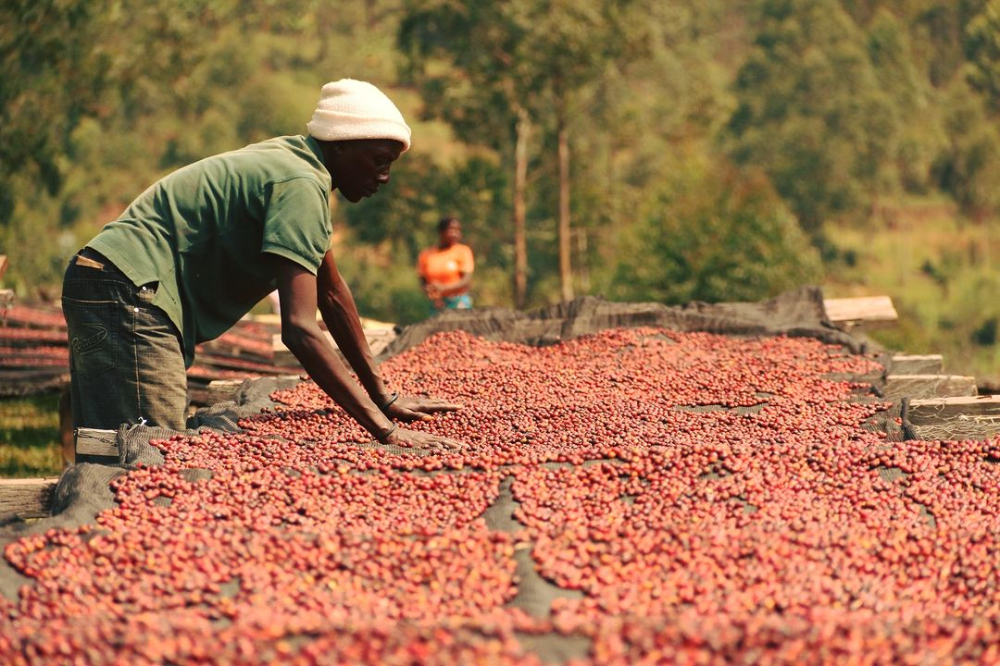
Kenyan coffee is mainly grown in the central and western highland areas of the country, with altitudes generally ranging from 1,400 to 2,000 meters. The soil is volcanic red earth rich in minerals, with good drainage and high organic content. The high-altitude environment results in significant diurnal temperature variations, slowing down the ripening process of coffee cherries and helping accumulate flavor compounds, which contribute to the distinctive strong fruit acidity and complex fruity aroma of Kenyan coffee.
Kenyan coffee is harvested twice a year, with major producing regions including Kiambu, Nyeri, Kirinyaga, and Embu. Due to differences in microclimates and soils, each region showcases its own flavor personality. For example, Nyeri is known for its citrus and floral notes, Kirinyaga offers delicate sweetness and solid acidity, while the Sasicini Estate PB beans are famed for their berry sweetness and honey finish.
Varieties and Grading System
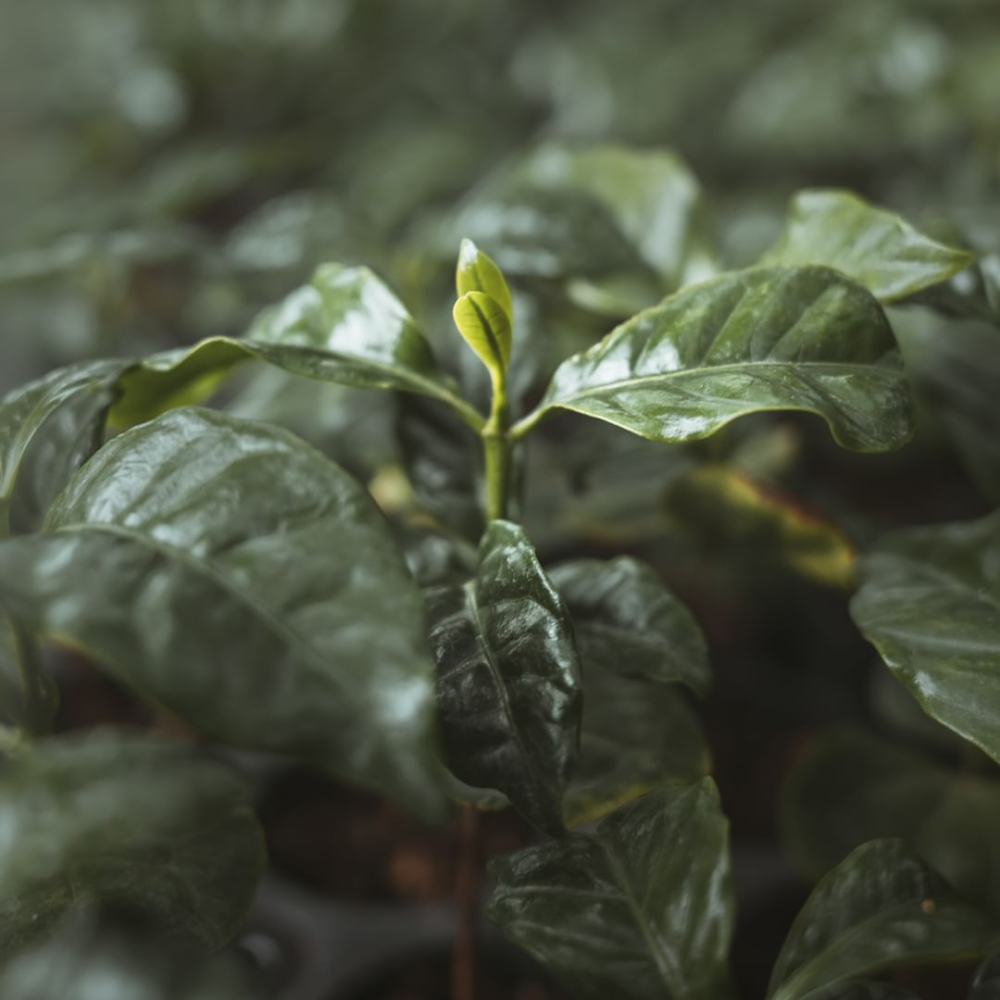
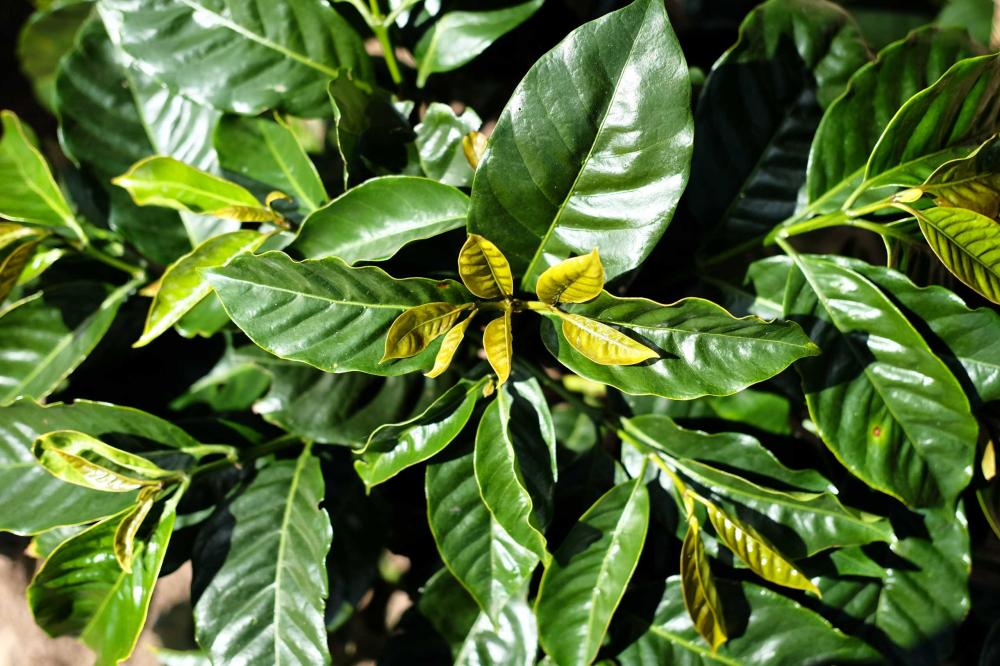
The main coffee varieties grown in Kenya include SL28, SL34, and Ruiru11. Among them, SL28 and SL34, cultivated by Scott Labs, are known for their strong acidity and rich fruitiness, forming the foundation of most top-tier Kenyan coffees. Ruiru11 is a disease-resistant hybrid variety that is stable but relatively ordinary in flavor expression. Currently, most high-grade Kenyan coffees on the market are primarily SL28 and SL34.
Kenya’s grading system is based on bean size and cupping quality, ranging from highest to lowest as E, AA (or AA+), AB, C, PB, TT, T. The AA grade beans have a diameter of about 17 to 18 mesh (approximately 6.7 to 7.1 mm) and are the most popular among the specialty market. PB refers to peaberry beans, accounting for about 10% of total production, and are favored for their high density and concentrated flavors. In addition, exporters often further subdivide into unofficial but widely used grades such as TOP, PLUS, and FAQ based on cupping results.
In-depth Analysis of Two Classic Beans
Kenya Assaliya AA TOP
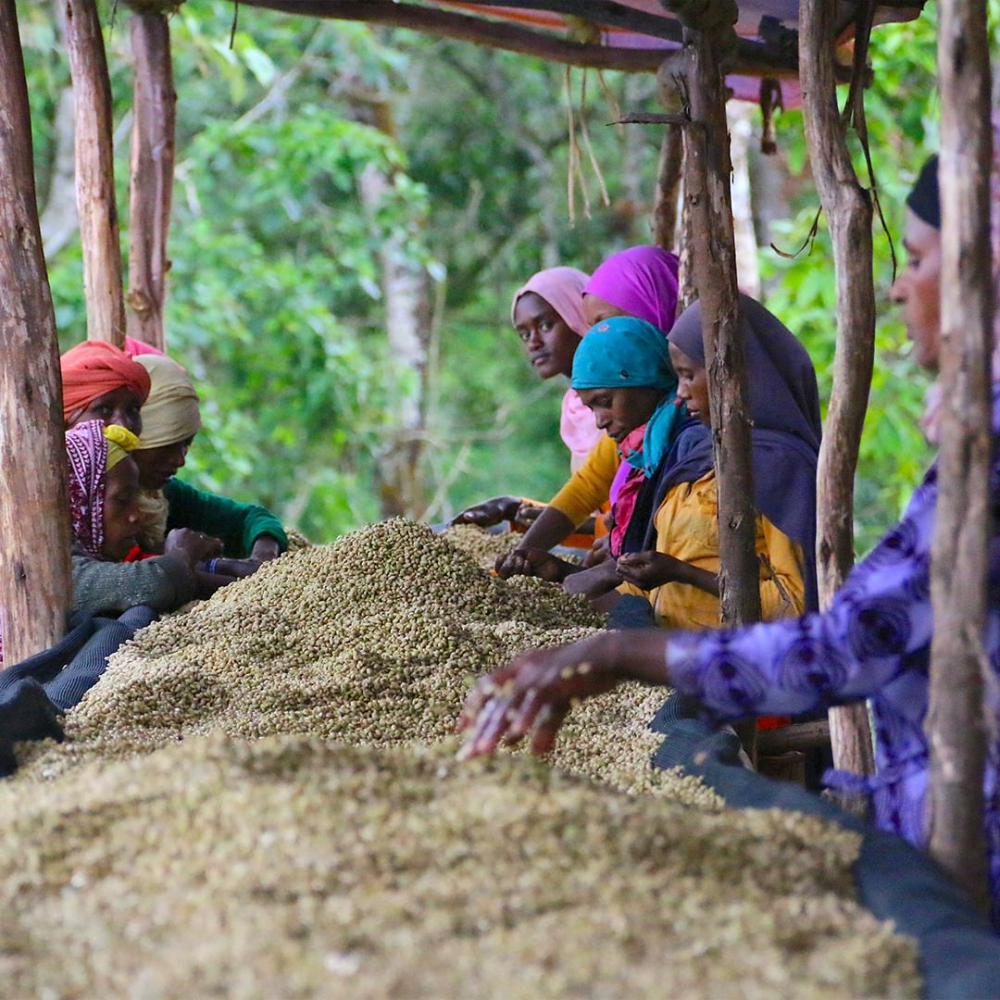
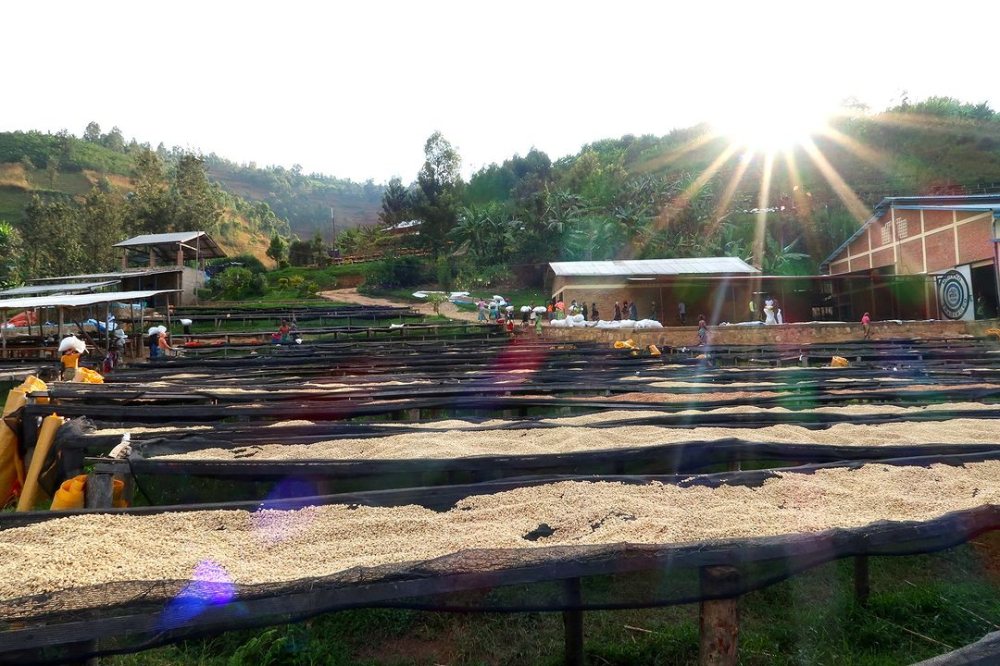
Produced at the Asali washing station in the Thika region, at an altitude of 1,550–1,750 meters, using the washed processing method, with varieties SL28 and SL34. This bean highlights its bright acidity and fruity aroma through light roasting. It is recommended to use a V60 filter, water temperature at 90°C, a 1:15 powder-to-water ratio, grind size around 20-mesh sieve with 80% passing rate (similar to fine sugar particles). Use 30 grams of water for a 30-second bloom, then pour in stages up to 225 grams, with a total extraction time of about 2 minutes.
In terms of flavor, this bean features complex layers such as tomato, Asian pear, dark plum, and brown sugar. On the palate, cherry tomato and dark plum acidity are prominent, the mid-palate is rich in sweetness, and the finish offers berry and green tea notes. The overall profile is clean and vibrant.
Kenya Sasicini Estate PB
Produced at the Sasicini Estate in the Kiambu region, at an altitude of 1,680 meters, also using the washed process, with varieties including SL28, SL34, and Ruiru. This peaberry bean is processed with light roasting. It is recommended to use the same V60 filter and water temperature settings, but adjust the grind slightly to BG#5I (20-mesh sieve with 80% passing rate) to suit its density and characteristics.
Flavor characteristics include a distinct dark plum and cherry tomato base, with almond notes emerging in the mid-palate and a honeyed sweetness in the finish. Overall, it displays the concentrated fruitiness and soft, clean acidity typical of the PB grade, making it ideal for pour over lovers who enjoy sweetness and berry profiles.
Flavor Differences Between AA and PB
Although both beans exhibit the typical Kenyan flavors of dark plum, cherry tomato, and honey, there are notable differences in acidity expression and structural layers. The AA grade features brighter acidity and richer layers, suitable for those seeking intense fruit acidity and juice-like sensations. The PB grade excels in soft sweetness and berry aromas, with a more rounded and restrained mouthfeel, making it an excellent entry point for Kenyan coffee exploration.
Conclusion
Kenyan coffee not only possesses distinct regional characteristics and a rigorous industry system, but its diverse producing regions and variety combinations also offer rich opportunities for pour over enthusiasts to explore. Whether you prefer the bold acidity and fruity layers of the AA grade or the soft sweetness and berry tones of the PB peaberry, you can find your preferred flavor profile in Kenyan coffee. By understanding regional traits, variety backgrounds, and suitable brewing methods, you’ll be able to more deeply appreciate this refined coffee from the East African highlands.

The above content is compiled by CoffeeHunters, a coffee news website.


