








Introduction:Brewing a rich and layered espresso at home is not as simple as just owning an espresso machine. This article will guide you from understanding the characteristics of espresso beans, to exploring the differences between blends and single-origin beans, and then diving into each step of the process—from dosing, distributing, tamping, to controlling extraction time and yield. It also provides practical parameters and tips to help you master professional-level espresso extraction techniques.
To make a cup of espresso with a rich mouthfeel and distinct layers at home, in addition to relying on a well-performing espresso machine, it’s even more crucial to choose the right coffee beans and master the correct extraction process. This article starts with the basics of espresso bean categories to help you distinguish between blends and single-origin (SOE) beans, then gradually breaks down the complete espresso-making process—including dosing, distributing, tamping, and how to control extraction time and yield—each step accompanied by specific reference parameters.
In addition, we’ll use real-life examples to illustrate the flavor profile and blending philosophy of a particular blend, helping you gain a deeper understanding of the potential expressions of espresso. Whether you’re a beginner or an experienced coffee enthusiast, you’ll find useful adjustment inspiration and operational suggestions here.
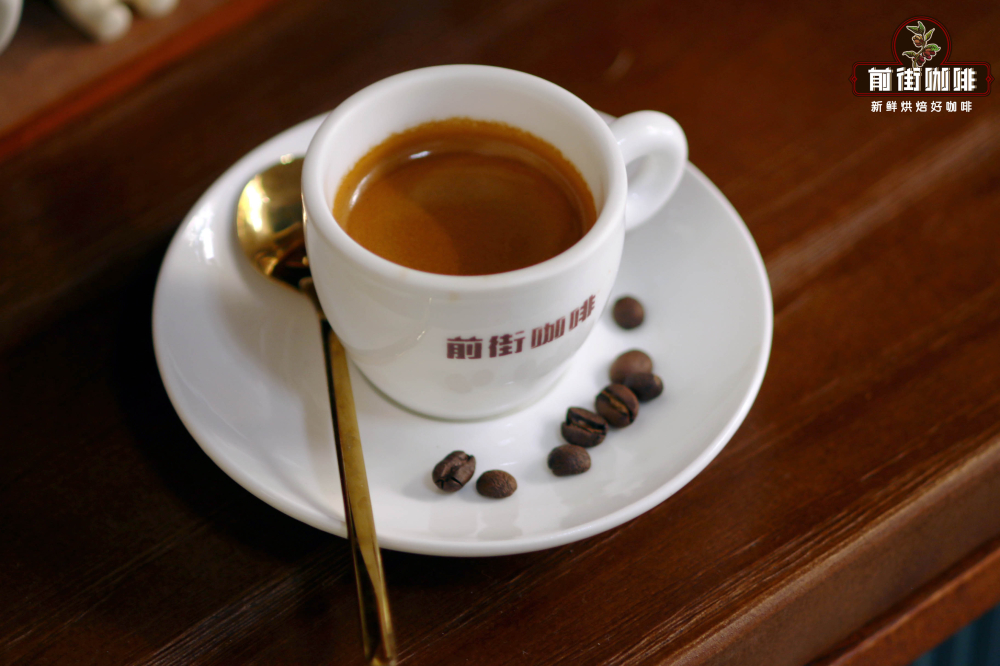
When you stand in front of the shelves at supermarkets or specialty coffee shops, have you ever been puzzled by the wide variety of espresso beans? Some are labeled as dark roast, others as light roast; some are blends, while others emphasize single origins. So what kind of coffee beans are actually suitable for making espresso? In fact, there’s no absolute standard, but starting from a few basic concepts can help you make a clearer choice.
The essence of espresso is a brewing method that extracts coffee quickly under high pressure and high temperature. This technique originated in Italy in the early 20th century and gradually became a daily beverage in households and cafés after the war. Even with ordinary-quality coffee beans, high-pressure extraction can release intense and full-bodied flavors, which is one of the reasons why espresso has gained widespread popularity.
In terms of usage, coffee beans on the market can generally be divided into two main categories: one is espresso beans specifically designed for pressurized brewing methods like espresso, and the other is suited for non-pressurized methods such as pour over, siphon, or cold drip. Among them, espresso beans usually require a darker roast level to bring out rich crema and a bold mouthfeel. Within espresso beans, they can be further divided into blends and single-origin (SOE) types.
Blends are typically made by combining two or more coffee beans from different regions, with roasters adjusting the blend based on cost, flavor stability, and overall performance. SOEs, on the other hand, use coffee beans from a single origin. There is no absolute superiority between the two. Many people believe that SOEs offer more pronounced flavors, but if blended skillfully using high-quality single-origin beans, it’s also possible to produce an espresso with rich layers and balanced flavors—sometimes even surpassing SOEs—though blends offer more flexibility in cost control.
For example, some well-known shops’ blends may combine the nutty notes of Central and South American beans with the fruity acidity of African beans, resulting in a complex and varied flavor profile. Such blends often showcase delicate aromatic layers within a bold base.
Next, we move on to the actual steps of making espresso. First, remove the portafilter from the machine and place it on an electronic scale, remembering to tare it to accurately measure the dose. Then, press the machine’s brew button to let the accumulated water in the pipe drain out, ensuring the stability of subsequent extraction.
In terms of dose control, if using a double spout portafilter, the recommended dose range is 18 to 21 grams, which can be fine-tuned slightly depending on the portafilter capacity and personal taste. At this point, grind size is one of the key factors affecting flavor expression. Espresso generally requires a finer grind to facilitate sufficient extraction under high pressure.
After pouring the coffee grounds into the portafilter, it’s recommended to gently level the coffee bed with your fingers to ensure a flat surface and avoid noticeable unevenness. Then, place the portafilter on a flat surface and use a tamper to apply even downward pressure, with a recommended force of 20 to 30 pounds. After tamping, you can lightly rotate the tamper to make the puck more compact and even, which helps ensure uniform water flow during extraction and avoids channeling.
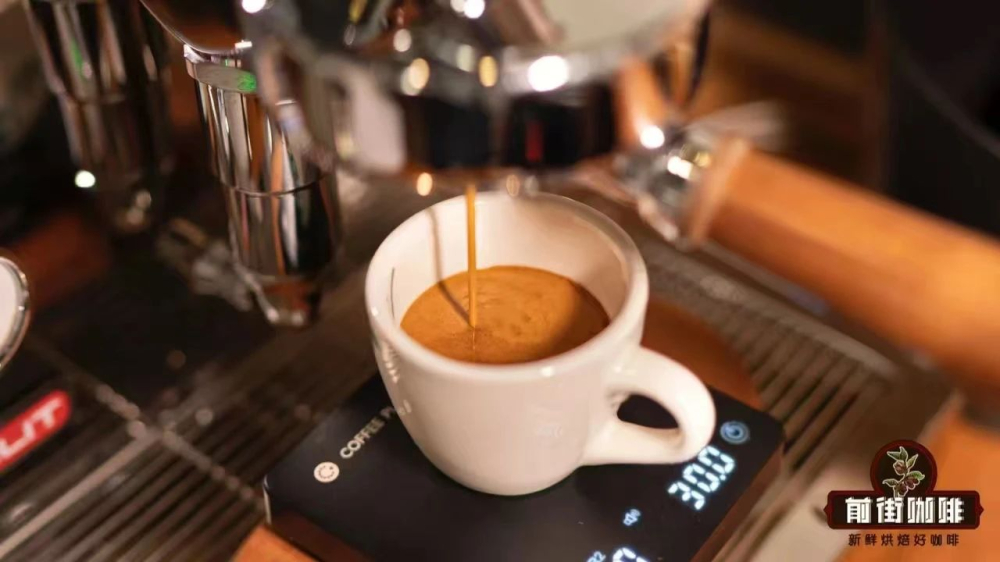
Reinstall the tamped portafilter into the machine, and place a preheated ceramic cup underneath to help maintain the coffee’s temperature and flavor. Once the extraction begins, the initial flow of coffee will be slow, but it will gradually form a steady, thin stream. The generally recommended extraction time is 25 to 30 seconds. When the coffee liquid turns golden or light yellow and the flow rate noticeably speeds up, it’s a sign to stop the extraction.
A common extraction parameter is a 1:2 brew ratio, meaning 18 to 21 grams of coffee grounds yield 36 to 42 grams of coffee liquid. This ratio achieves a good balance between intensity and balance. Of course, based on personal preference, you can also adjust the dose and extraction time appropriately to find the combination that best suits your taste.
Finally, regarding the drinking method, some people prefer to stir gently before sipping to distribute the flavors evenly, while others enjoy sipping directly to experience the transition from bold to delicate layers. Either way, you can gain a deeper appreciation of the unique charm of espresso.
The above content is compiled by CoffeeHunters, a coffee news website.


