







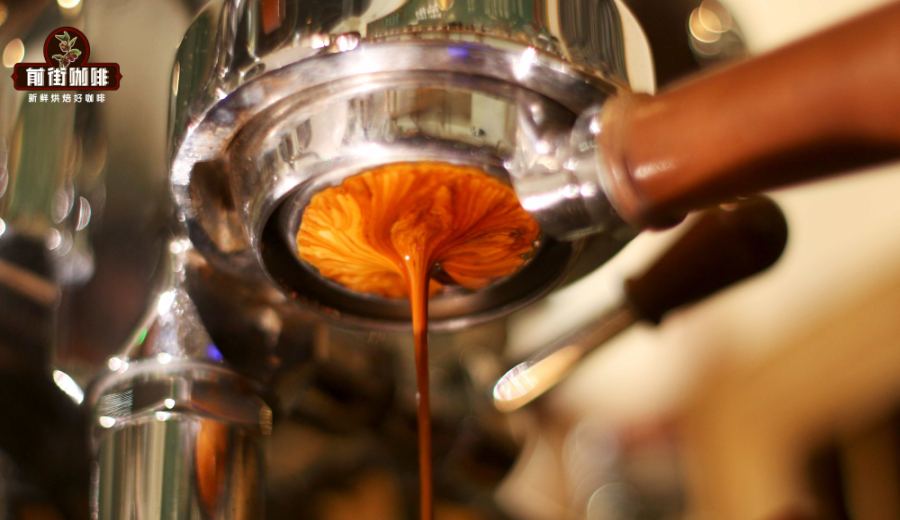
Introduction:Want to try making espresso with light roast coffee beans but worried about excessive acidity and unstable extraction? This article delves into the flavor profile of light roast beans in espresso brewing, common issues encountered, and offers recommended adjustments for key parameters such as grind size, dose, and pressure. It also includes home coffee bean recommendations suited for various needs and equipment, helping you master the extraction techniques for light roast espresso.
Can light roast coffee beans truly excel in the role of espresso? Many coffee enthusiasts, when trying it for the first time, often encounter problems such as overly prominent acidity, lack of crema, or uneven extraction. Based on multiple practical tests, this article re-examines the flavor characteristics and typical pain points of light roast beans in espresso preparation, and breaks down operational details like grind size, dose, and pressure in detail to help you avoid common extraction pitfalls. At the same time, according to different usage scenarios, we recommend several coffee beans that perform exceptionally well in home and office environments. Whether you prefer fruity notes, a full-bodied mouthfeel, or balanced flavors, you’ll find a suitable choice.
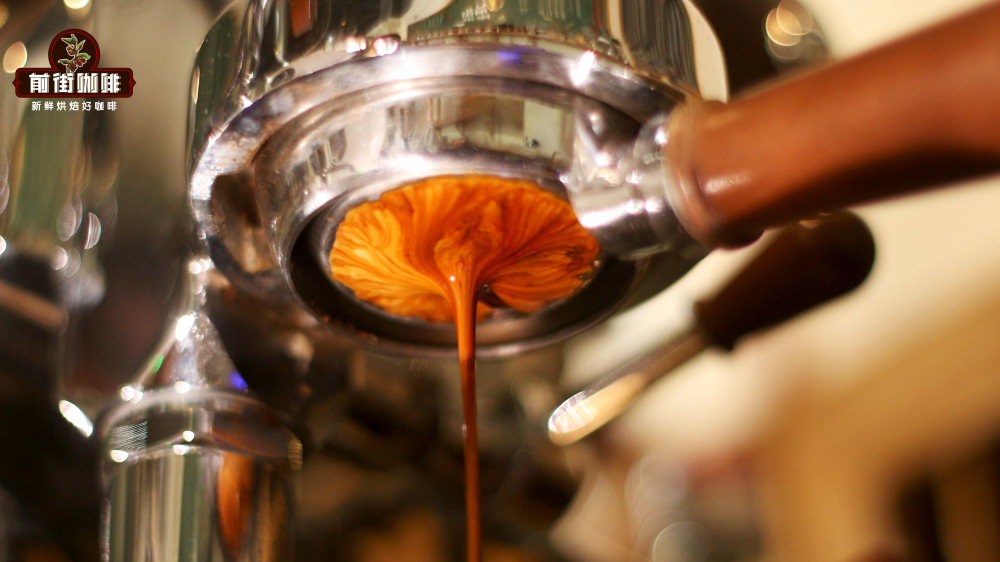 There was previously an article exploring “What happens when you use light roast beans for espresso?” which conducted practical tests on the suitability of several light roast beans for espresso. This article builds on that foundation, adding more hands-on observations and further analyzing the uniqueness and challenges of light roast beans in the Italian extraction process.
Many people’s first impression is that light roast coffee beans are not suitable for espresso, mainly because their acidity tends to be too pronounced. Since the flavor compounds in light roasts have not yet fully transformed during roasting, the proportion of acidic compounds is relatively high. Under high-pressure extraction, these acidic components are intensely released, resulting in a sharp and irritating taste that can even make one frown. In contrast, medium to dark roast beans undergo more thorough caramelization, achieving better acid-bitter balance and more stable crema layers, making them the preferred choice for most espresso brewing.
If you want your espresso to have rich crema and a smooth mouthfeel, you might consider blends containing a small amount of Robusta. Such formulations can enhance the body and crema performance of the espresso, providing a stable and beginner-friendly option for those new to espresso machines. Additionally, for those who prefer intense coffee aroma, single-origin beans that have undergone multiple screenings and are medium to dark roasted offer distinct notes of spice, caramel, and chocolate—suitable for those who dislike prominent acidity.
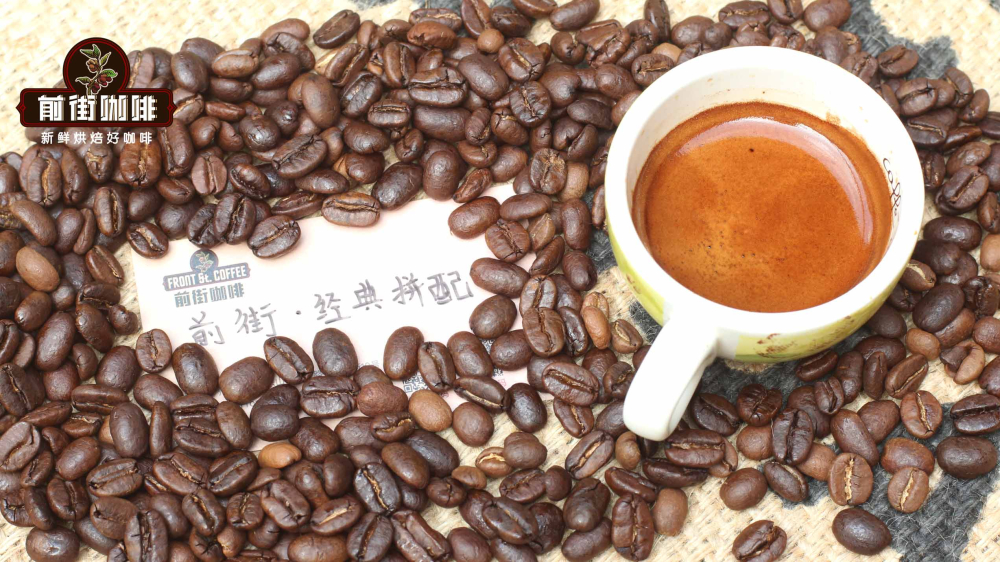
 If you’re pursuing an espresso with fruity notes, it’s recommended to choose medium-light roast blends that are honey-processed or sun-dried. When extracted properly, these beans can showcase sweet flavors reminiscent of berries and syrup, while maintaining moderate acidity and layered complexity. However, successfully extracting these flavors requires more precise adjustments to grind size, dose, and pressure.
One common mistake when extracting espresso with light roast beans is directly using the same grind size as for dark roast beans. Due to differences in density and water absorption, light roast beans have a significantly smaller volume per unit weight. If the grinder setting is not adjusted, water will pass through the coffee bed too quickly, leading to under-extraction, short brew times, and ultimately a sharp and thin-tasting shot. For first-time users, it’s recommended to adjust the grind finer by approximately 0.2 to 0.3 on the grind setting (the actual adjustment may vary slightly depending on the machine and grinder), and observe whether the extraction time falls within the ideal range of 25 to 30 seconds.
In addition to grind size, adjusting the dose is also crucial. Because the coffee puck from light roast beans is smaller in volume, if the dose isn’t increased appropriately, the distance between the puck and the filter increases, amplifying the water flow impact and easily causing channeling. This results in over-extraction in some areas and under-extraction in others. It is generally recommended to gradually increase the dose up to the basket's maximum capacity until the puck is flat, compact, and level with the basket’s rim. For example, if you originally used 20 grams of coffee, switching to light roast beans may require increasing the dose to 21–22 grams to ensure stable extraction pressure and flow rate.
Moreover, pressure settings are another key factor affecting the flavor of light roast espresso. While higher pressure can improve extraction efficiency, if the coffee puck isn’t properly prepared, it can easily extract undesirable woody or herbal off-notes. After confirming the grind size and dose, it’s advisable to reduce the brewing pressure to 6–7 bar, which helps balance acidity and sweetness while reducing the risk of over-extraction.
Based on comprehensive test results, when using light roast beans to make espresso, it is recommended to follow these basic guidelines: maintain a brew ratio of 1:2, and control the extraction time between 25 and 30 seconds. Compared to dark roast beans, light roast beans require a finer grind, a slightly increased dose, and lower brewing pressure. These three parameters are interrelated, so when adjusting one, it’s best to monitor the others to achieve overall balance. Whether the final extraction result is satisfactory also depends on real-world flavor feedback, which may call for fine-tuning the grind, adjusting the liquid yield, or making minor pressure adjustments again.
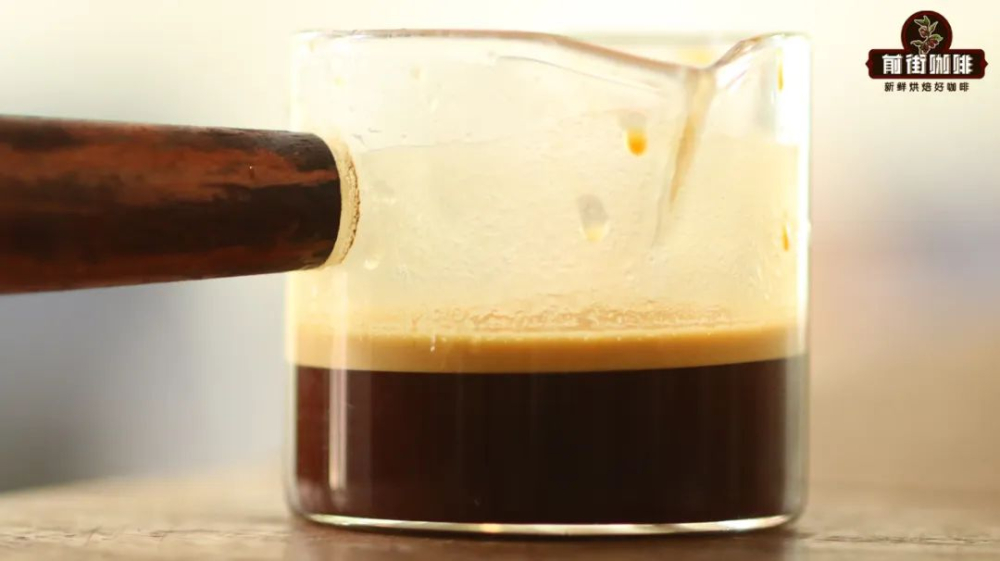
So, how does light roast espresso actually taste? For those unaccustomed to espresso, its acidity may seem too sharp, even carrying a saline-like crispness, and the body is noticeably lighter than that of medium to dark roasts. However, for enthusiasts familiar with espresso, the acidity of light roast espresso tends to be brighter, with occasional subtle saltiness in the aftertaste, and an overall refreshing mouthfeel resembling the delicate texture of cheese or cream.
When light roast espresso is diluted with water to make an Americano, its performance is often surprisingly good. The acidity is clear and layered, with sweetness and bitterness gradually balancing out in the mid-to-late sips, leaving a distinct aftertaste. It suits those who enjoy fruity notes and a refreshing finish. However, when used for milk-based drinks like lattes or cappuccinos, the bright floral and fruity notes of light roast beans can be overshadowed by the richness of the milk, resulting in a rather ordinary flavor that leaves only a faint trace of coffee. Therefore, light roast espresso is better enjoyed straight or with just a touch of milk to fully highlight its unique flavor characteristics.
The above content is compiled by CoffeeHunters, a coffee news website.


