







Introduction:Want to explore the diverse facets of Mandheling coffee in depth? This article starts with the naming logic, taking you on a journey to discover how Mandheling coffee beans are named based on region, brand, processing method, and competition honors. It also provides a detailed analysis of the characteristics and differences among four classic varieties: Lintong Mandheling, Golden Mandheling, Tiger Mandheling, and Aged Mandheling. Additionally, it explains the true meanings behind common grade indicators such as G1, AA, and SHB, helping you accurately choose coffee beans that match your flavor expectations.
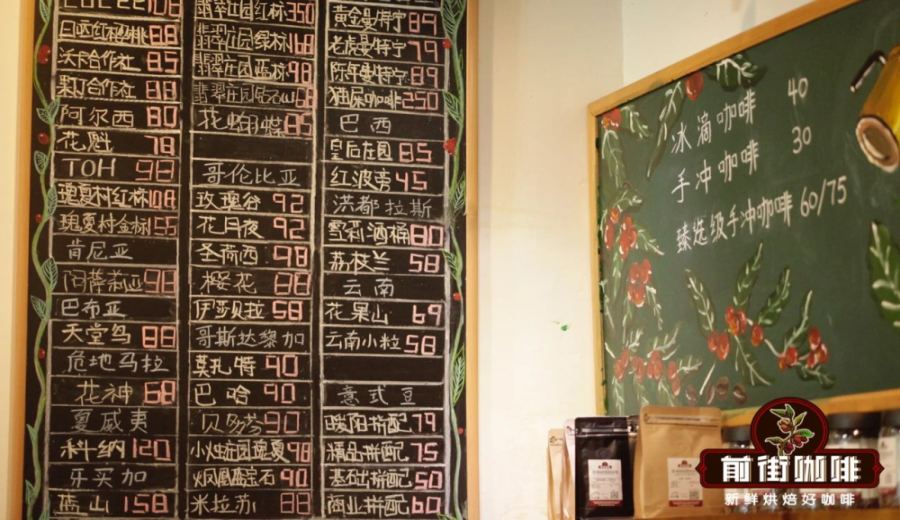
When walking into a café or roastery and looking at the wide array of coffee bean menus, have you ever wondered why these beans have such names? Some are labeled by origin, some by brand, and there are even those named after competition honors or processing methods. Understanding this naming logic can give you more direction when purchasing coffee and allow you to better appreciate the uniqueness of each bean.
Naming based on region or producer is the most common practice, as it directly reflects the origin of the coffee. For example, Yirgacheffe is a famous region in Ethiopia, and when followed by names such as Kochere or Biloya, it refers to specific cooperatives or processing stations within that region. In Central and South America, many coffee beans are named after well-known estates or regions, such as Huila in Colombia, Antigua in Guatemala, or Jamaica Blue Mountain—each a representative example.
Additionally, some coffee beans are named after titles won in international green bean competitions, such as COE (Cup of Excellence), TOH (Top of the World Coffee Competition), or BOP (Best of Panama). These coffees usually stand out due to their exceptional quality and unique flavors. For instance, the 2017 TOH champion “Huā Kuí” (Flower Queen) is a classic example.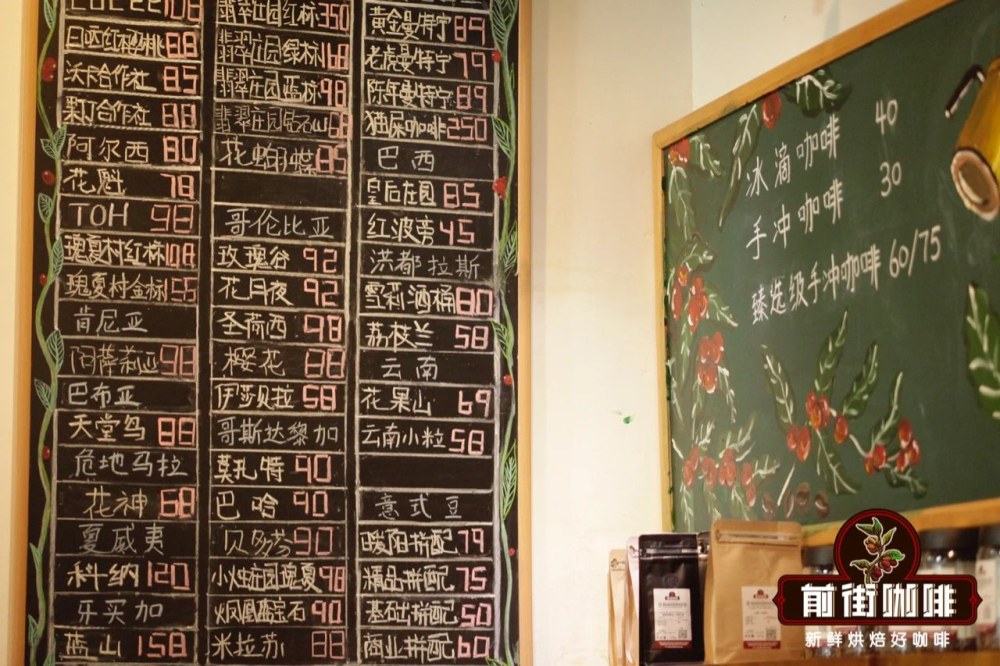
Many coffee beans are also named after the producing estate, especially those with unique varieties or flavors, often combining the estate name with the bean variety, such as Geisha or Pink Bourbon. Moreover, processing methods are another major factor influencing naming. Some estates use evocative names to label their coffees with special processing methods, such as the Musician Series, Rose Valley, or Sherry, allowing consumers to instantly associate them with their flavor profiles.
As for the name Mandheling, it is actually not a region or variety but originates from the name of the local tribe that grows coffee (originally transliterated as "Mandai Ning"). Nowadays, any Arabica coffee bean from northern Sumatra, Indonesia, can generally be called Mandheling. Depending on factors like origin, brand, and processing method, Mandheling can be subdivided into several classic varieties, including Lintong Mandheling, Golden Mandheling, Tiger Mandheling, and Aged Mandheling.
Among them, Lintong Mandheling is a representative named after the region. It comes from the Lintong area of Sumatra and features a rich profile of spices and herbal notes, making it a popular entry-level choice for many coffee enthusiasts exploring Mandheling.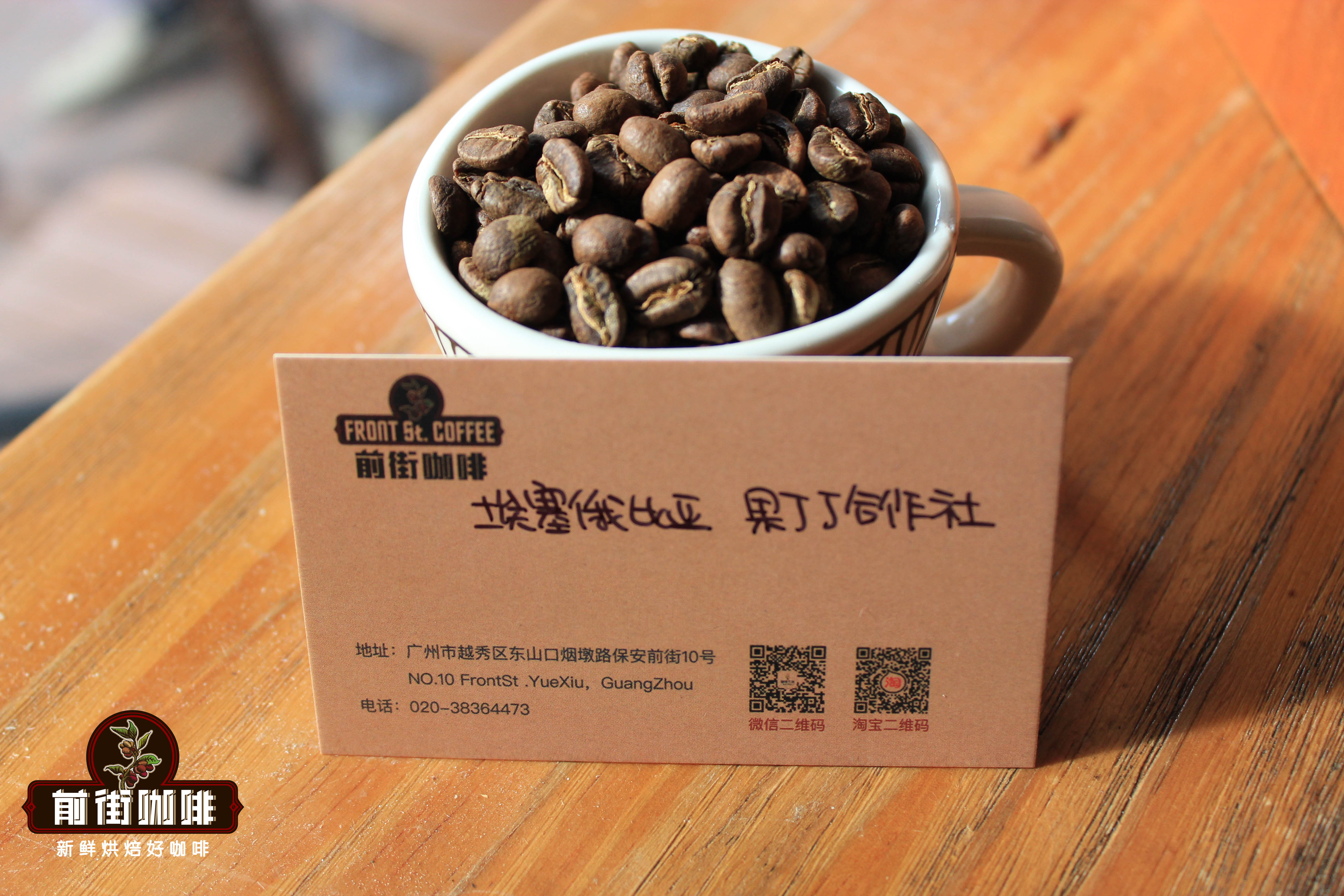
Golden Mandheling is a brand name, launched by Indonesia’s Pawani company. Its most distinctive feature is an extremely rigorous selection process: only beans larger than 18 mesh are chosen, and they undergo three rounds of manual sorting and one machine screening to ensure an exceptionally low defect rate and uniform bean size. As a result, it is hailed as one of the most stable and high-quality Mandhelings available.
Tiger Mandheling, officially named “Mandheling · Sumatran Tiger,” comes from the Lake Tawar area in the Aceh region. Its name comes from the herbal aroma in its flavor profile, and only beans larger than 17 mesh with a defect rate below 4% can be classified as “Tiger”-grade Mandheling. It offers a bold and layered flavor experience.
Finally, there is Aged Mandheling. These coffees involve wet-hulled beans that are placed in a controlled, constant temperature and humidity warehouse for maturation over 2 to 3 years. After prolonged aging, the originally pronounced fruit acidity gradually softens, while the body and complexity significantly increase, resulting in a deep and astonishingly satisfying taste experience.
When purchasing Mandheling, you might also see labels such as G1, AA, NO.1, or SHB. These are actually standards used by various producing countries to evaluate coffee grades. G1 and G2 are graded based on defect rates, with G1 representing the lowest defect rate and highest quality—for example, Yirgacheffe G1 is the top grade in that region. AA and AB are mostly based on bean size, such as Kenya AA, which usually represents the highest-grade coffee in that country. Meanwhile, SHB (Strictly Hard Bean) refers to very hard beans, primarily describing high-altitude coffee beans from Central and South America that are grown at elevation and possess high hardness, usually indicating better flavor potential.
In summary, understanding the naming logic and grading system of Mandheling coffee not only helps you shop with more confidence but also allows you to more deeply appreciate the stories and characteristics behind each coffee. Whether you prefer bright fruitiness, rich body, or aged flavors, the diversity of Mandheling can meet coffee needs at all levels.
The above content is compiled by CoffeeHunters, a coffee news website.


