








Introduction:Want to delve into the delicate flavors of pour over coffee but not sure where to start? This article will guide you through mastering professional-level coffee tasting skills — from the dry aroma after grinding, the wet aroma after pouring water, to the flavor changes at different temperatures — breaking down the 8 key dimensions of the COE cupping standards step by step. Not only will it teach you how to distinguish subtle differences in aroma, acidity, and aftertaste, but it will also help you understand the unique aromatic layers and taste characteristics of pour over coffee through practical tasting experience, building a systematic approach to coffee evaluation.
Tasting specialty coffee is like appreciating fine wine — the focus isn’t just on drinking, but on learning to perceive the subtle differences in each flavor and being able to describe them accurately using professional vocabulary. This article will explore both the complete tasting process and the diverse evaluation dimensions: first, we’ll detail the steps from smelling the dry aroma and wet aroma, to tasting at high and low temperatures; then, following the professional framework of COE cupping, we’ll deeply analyze the eight key elements — aroma, cleanliness, sweetness, acidity, mouthfeel, flavor, aftertaste, and balance — teaching you how to vividly describe the unique personality of a cup of coffee.
At the same time, we’ll also discuss why the term “flavor” is preferred over the narrower term “taste” in the coffee field, and focus on the special characteristics of pour over coffee in terms of aroma layers and mouthfeel expression. The article further combines real tasting experiences to help coffee enthusiasts develop a systematic tasting method, turning every pour over session into a sensory training grounded in evidence.

Elevating coffee tasting to a professional level shares many similarities with wine tasting. When facing a cup of specialty coffee, we not only aim to capture its flavor traits, but also strive to find the right language to concretize those sensations.
So, how should one systematically taste a cup of coffee? This question can be addressed from two perspectives: the specific tasting operation process, and the multiple angles of analysis. It’s worth noting that we often use “flavor” instead of “taste” to describe coffee because “taste” only covers perceptions related to the sense of taste, while a complete coffee tasting is actually a multi-dimensional experience involving aroma (sense of smell), taste (sense of taste), and mouthfeel (sense of touch). Therefore, tasting a cup of coffee is definitely not just about the single action of “drinking.”
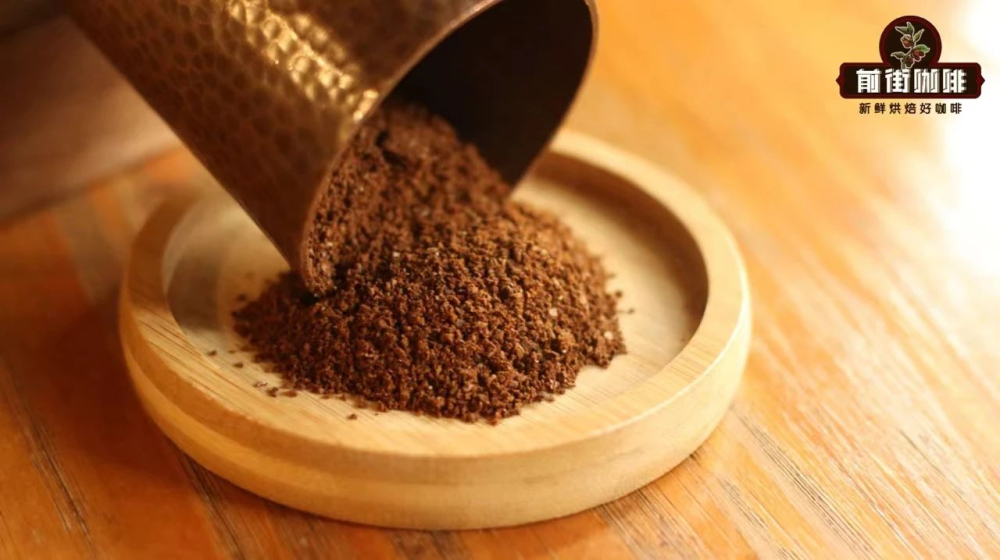
The moment coffee beans are ground into fine powder, a large amount of volatile aromatic compounds are rapidly released into the air — this is the first step in tasting: smelling the dry aroma. It’s important to note that the aroma of dry coffee powder often differs significantly from the final brewed coffee liquid. Therefore, after brewing and pouring the coffee into the cup, it’s recommended to smell it again. What you perceive at this stage is the wet aroma.
Only then do we move on to the stage of tasting flavor and mouthfeel. Many experienced coffee enthusiasts prefer to drink by sipping or slurping, as this technique aerates the coffee, allowing it to reach the olfactory receptors at the back of the nose and capture flavor details more clearly. Tasting usually involves evaluating both high and low temperature stages. As the temperature gradually drops, not only may the coffee’s flavor profile change, but the human sensitivity to those flavors may also vary. To fully evaluate a coffee’s potential, the entire tasting process typically requires at least ten minutes of focused attention.
To systematically describe a coffee’s flavor traits, you might refer to the professional scoring framework of the COE cupping, which includes eight key dimensions: aroma, cleanliness, sweetness, acidity, mouthfeel, flavor, aftertaste, and balance.
Aroma is arguably the soul of a cup of coffee, and it’s often what initially attracts coffee lovers. Aroma can be divided into two main types: dry aroma and wet aroma. Dry aroma comes from the fragrance released by freshly ground coffee powder, while wet aroma is the scent emitted by the brewed coffee liquid. Some coffee beans have highly distinctive aroma profiles — for example, Geisha often carries an elegant white floral note, Sherry coffee exudes a rich vanilla liquor aroma, and Tiger Mandheling presents a unique traditional Chinese herbal scent. Observing these aroma characteristics can help tasters quickly build a foundational understanding of different coffee styles.
Cleanliness refers to whether the coffee has any defective or unpleasant off-flavors. The presence of earthy, moldy, medicinal, iodine-like, oniony, or rubbery odors indicates that the coffee’s cleanliness does not meet the standard, directly affecting the overall drinking experience.
Sweetness is an important taste sensation, and excellent sweetness can significantly enhance a coffee’s overall performance. Many factors influence sweetness, including the growing environment (especially the ripeness of red cherries), processing methods (natural/dry processing often brings richer sweetness than washed processing), the caramelization reactions during roasting, and the brewing techniques and parameter settings. Sweetness can also be further divided into fruit sweetness, honey sweetness, caramel sweetness, and other types, offering a rich range of taste layers.
Acidity refers not only to the perceived sourness on the taste buds but also to the stimulation that induces saliva secretion on the sides of the tongue. When describing acidity, in addition to intensity, attention should also be paid to the texture and characteristics of the acid. For instance, Yirgacheffe is often described as having a bright citrus-like acidity, while Kenyan coffee exhibits distinct berry-like acid notes. It’s worth noting that there is also good and bad acidity — unpleasant sourness or sharp vinegar-like notes are considered negative attributes that can disrupt the coffee’s overall harmony.
Mouthfeel is a tactile perception, mainly used to describe the coffee’s body and fullness — what is commonly referred to as “body.” A coffee with an appropriate level of body often leaves a deep impression. Many people mistakenly believe that the higher the coffee’s concentration, the greater its body. In reality, the two are not the same — concentration refers to the total amount and proportion of soluble compounds in the coffee, while body mainly comes from the water-insoluble oils and fibrous textures in the coffee liquid. This tactile sensation can be made more tangible by comparing the differences between water, whole milk, and light cream.
Flavor is the overall taste sensation a drinker experiences after swallowing the coffee, formed by the combined effects of smell and taste. It directly reflects the coffee’s unique taste characteristics and is also the most intuitive reference when describing coffee. Describing flavor requires a certain ability to associate and draw analogies: for example, lemon evokes memories of tartness and fresh aroma, while cocoa conveys richness and slight bitterness. When a particular characteristic of the coffee triggers your memory or association with something specific, a natural flavor description will emerge. Therefore, mastering flavor description techniques hinges on continuous tasting and diverse comparisons.
Aftertaste refers to the lingering tastes and aromas that remain in the mouth after swallowing the coffee. If elegant flavors persist for a relatively long time, it can be said that the coffee has an excellent aftertaste. For example, Panamanian Geisha often exhibits aftertaste characteristics such as delicate floral notes and refreshing green tea-like finishes, perfectly concluding the overall drinking experience.
Balance is used to evaluate whether all aspects of the coffee achieve harmony and unity. For example, whether the acidity is overly prominent, or whether the bitterness is too pronounced — these are key criteria for judging whether a cup of coffee is well-balanced. Only when elements such as aroma, sweetness, acidity, and mouthfeel are mutually coordinated can a satisfying cup of specialty coffee be achieved.
The above content is compiled by CoffeeHunters, a coffee news website.


