







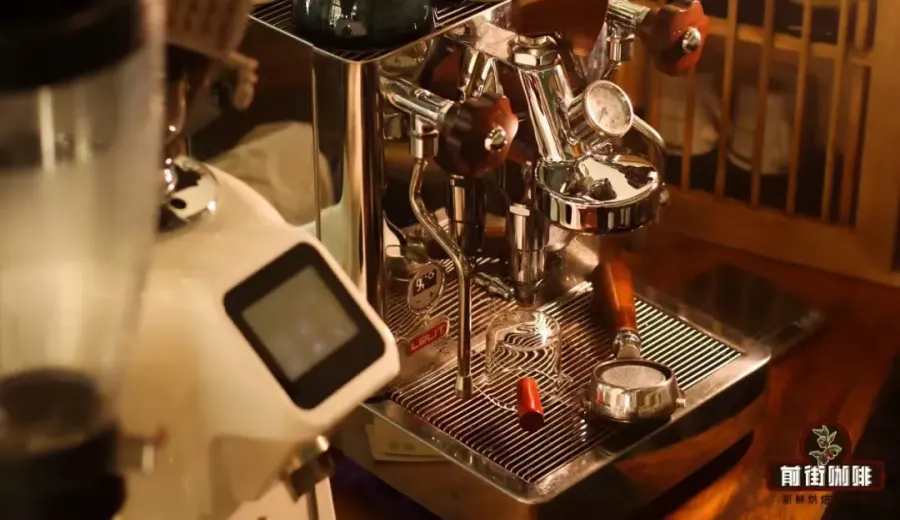
Introduction:When making espresso at home using a moka pot or semi-automatic espresso machine, choosing the right coffee beans is key. This article delves into why medium-dark roasted blends are better suited for espresso extraction, explores the potential issues with light roast beans, and recommends four medium-dark roasted blend options with diverse flavor profiles—ranging from winey, nutty, bold, to mildly acidic. It also provides practical extraction tips, such as using 20g of coffee grounds to yield 40g of liquid, aiming for the golden parameter range of 25–30 seconds, and how to judge extraction quality by observing the crema. These insights will help you brew espresso with your desired flavor profile.
Many home baristas who try making espresso often encounter a common issue: even when using good-quality beans, they can’t seem to achieve the rich and balanced taste found in cafés. One of the biggest reasons behind this lies in the choice of roast level and bean blend. Compared to pour over, espresso is far more sensitive to roast degree. Under high-pressure extraction, light roast beans tend to release excessive sharp acidity and tannins, resulting in thin or even harsh flavors. That’s why most cafés opt for medium-dark roasted blends for their espresso.
Why are blends more suitable for making espresso? While single-origin beans can showcase unique regional characteristics, their flavor profiles are more susceptible to seasonal and climatic variables, making it difficult to ensure consistent extraction quality across batches. Blends, on the other hand, are crafted by professionally combining beans from different origins and processing methods in precise ratios and then roasting them together, resulting in a more balanced and stable extraction—especially ideal for the high-pressure environment of espresso.
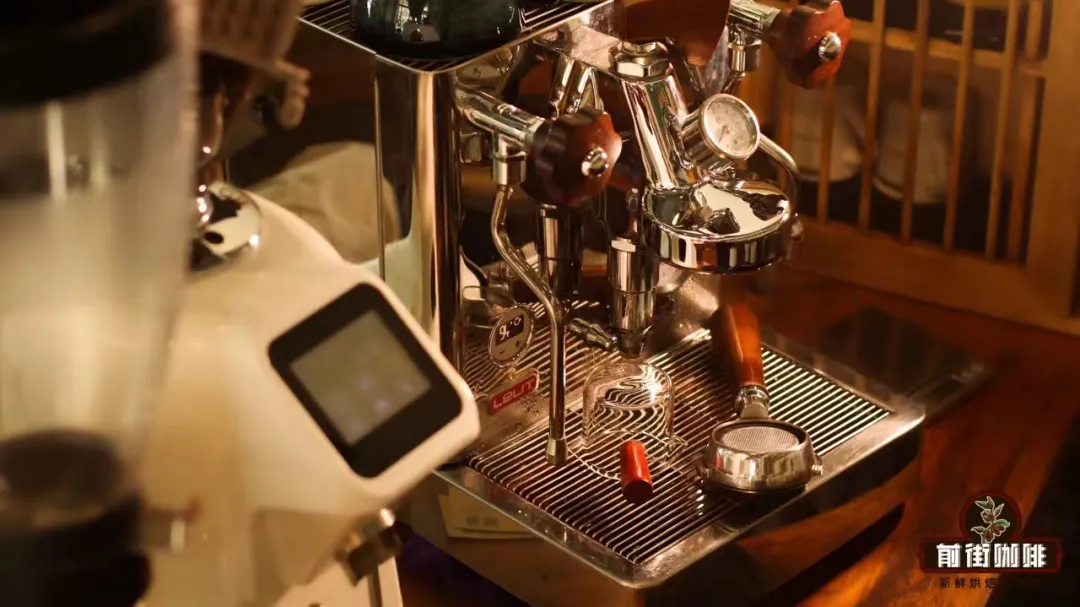
In fact, not all coffee beans are suitable for espresso. If you’ve ever tried extracting espresso directly from light roast beans, you may have noticed a pronounced sour or astringent taste, thin crema, and overall poor mouthfeel. This is because light roast beans have more prominent acidity, and under the intense pressure and high temperature of espresso extraction, these traits are amplified, leading to flavor imbalance. Moreover, when such beans are used in milk-based drinks like lattes or cappuccinos, the acidity often dominates, masking the intended creaminess and smooth texture.
Today, the vast majority of cafés aim for stable and layered flavor profiles and thus choose medium-dark roasted blends for their espresso. However, blends do not imply lower quality. In the past, blends had a poor reputation mainly because some coffee shops used inconsistent or low-grade beans and masked flaws with dark roasting. But as specialty coffee has become more mainstream, as long as high-quality green beans are used along with professional roasting and blending techniques, both single-origin and blended coffees can deliver specialty-grade results.
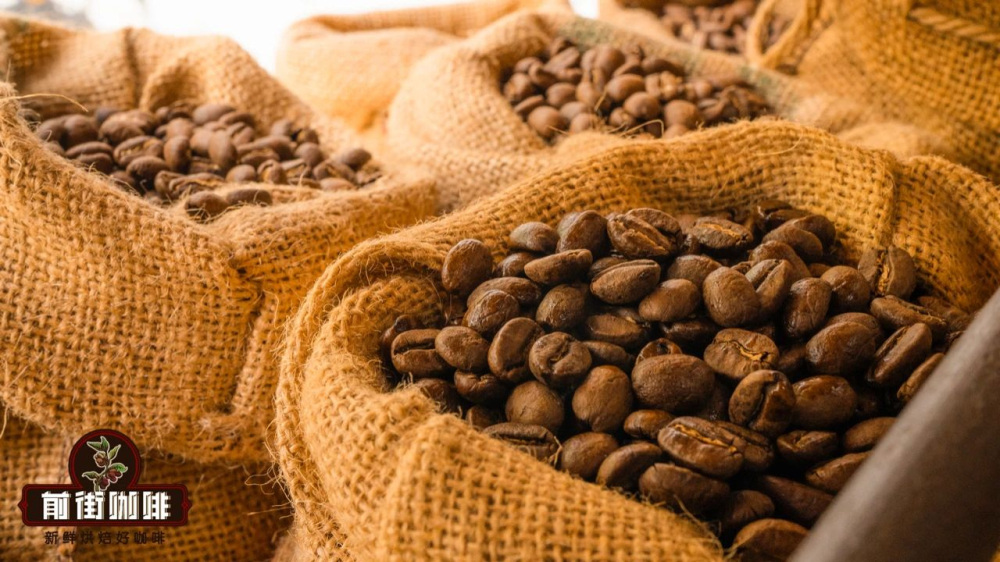
To cater to diverse palates, here are four medium-dark roasted blends specifically designed for espresso, each showcasing distinct flavor profiles suited to coffee lovers who enjoy winey, nutty, bold, or mildly acidic notes. It’s recommended to use the beans within five days of receipt to enjoy the optimal aroma and flavor from fresh roasting.
First up is the “Warm Sun Blend,” which highlights a winey character. It consists of 30% Ethiopian natural red cherry and 70% Honduran sherry cask-processed beans. This blend offers a rich wine-like aroma, complemented by vanilla cream, fruity acidity, and a finish of roasted nuts. It’s perfect for those who appreciate complex layers and vinous notes.Image placeholder: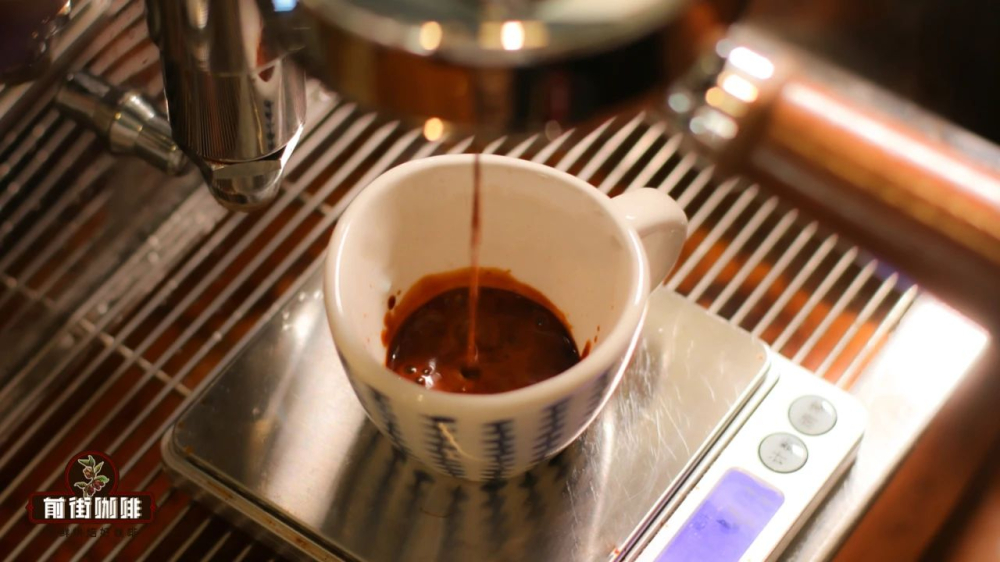
The second option is the “Premium Blend,” which emphasizes a nutty profile. It combines 30% Colombian washed beans and 70% Brazilian semi-washed beans. This blend delivers a mellow nuttiness paired with sweet notes of dark chocolate and caramel. It’s a classic, easy-drinking espresso blend suitable for everyday consumption or pairing with milk.
The third, the “Commercial Blend,” focuses on a bold and full-bodied taste. It consists of 10% Robusta washed beans, 30% Colombian washed beans, and 60% Brazilian semi-washed beans. This blend offers a rich and solid flavor with pronounced notes of nuts, cocoa, and caramel, catering to those who prefer a heavier mouthfeel and higher intensity. It’s also a popular choice among users of commercial espresso machines.
Lastly, the “Dark Cocoa Blend” is composed of 30% Yunnan washed small-bean beans and 70% Brazilian semi-washed beans. It presents gentle fruity acidity, caramel, and nutty tones with noticeable but not overpowering acidity. The overall balance makes it versatile for various brewing methods and especially appealing to those seeking a combination of mild acidity and bold body.
Note that differences in coffee machine and grinder designs can affect the optimal grind size and extraction performance, so there’s no one-size-fits-all “universal parameter.” However, for beginners, we recommend starting with the following parameters:20g of coffee grounds, withUsing a 1:2 coffee-to-water ratio (i.e., extracting 40g of coffee liquid), inAt 9 bar pressure, under, the target extraction time is controlled atWith a target extraction time of 25–30 seconds. These settings provide a balanced starting point for extraction, which you can then fine-tune based on actual flavor results.
How can you evaluate whether your espresso extraction is successful? Observing the crema—the fine, reddish-brown foam on the surface of the espresso—is a simple yet effective method. Crema forms when carbon dioxide and oils from the coffee beans are pressurized during extraction. A crema that is deep brown, even, and dense usually indicates good extraction and richer flavor. If the crema is too thin, pale, or has large bubbles, it may suggest the grind is too coarse, the pressure is insufficient, or the extraction time is too short. Conversely, if the crema is overly dark, oily, or has a burnt taste, it might mean the grind is too fine or the shot is over-extracted.
Finally, remember that for the best extraction and aroma, it’s advisable to grind your beans just before use to preserve their full volatile aromatic compounds. Also, depending on your machine’s pressure and grinder model, you may need to further adjust the above parameters to brew espresso tailored to your taste.
The above content is compiled by CoffeeHunters, a coffee news website.


