







Introduction:Want to accurately assess the potential of a new single-origin coffee bean? Cupping is the first step professionals take to evaluate its flavor. This article, based on SCA international standards, provides an in-depth analysis of key parameters in the cupping process, including grind size calibration, water temperature control, and coffee-to-water ratio. It further explains how to adjust your pour over grind size and brewing temperature based on cupping results, helping you understand the principles behind coffee flavor release from a professional perspective. Whether you're a hobbyist or a beginner barista, you’ll find it beneficial.
When you get your hands on a single-origin coffee bean you’ve never tried before, how do you evaluate its potential flavor profile? The answer lies in the professional cupping process. Many specialty coffee roasters conduct cuppings when introducing new beans to understand their characteristics, regardless of whether they will eventually be sold. This article, based on the cupping standards established by the Specialty Coffee Association (SCA), details the necessary tools, preparation parameters, and actual procedures for cupping, and further explores how to choose the right grind size and water temperature for pour over coffee based on cupping results.
First, it’s important to know that there are currently two main cupping standards: SCA and COE. Although their overall approaches are similar, there are slight differences in scoring details and weightings. This article focuses on the globally most representative SCA standard, guiding you step-by-step through the practical operation of professional cupping. The SCA was formed through the merger of two major specialty coffee organizations in Europe and the United States and has since become an internationally recognized authority in coffee quality evaluation.
Before conducting an SCA cupping, you need to prepare a series of standardized tools and set specific parameters, including cupping bowls, cupping spoons, a dedicated grinder, etc. The handling of sample beans is particularly crucial. According to SCA guidelines, sample beans should be cupped within 8 to 24 hours after roasting and, once cooled to room temperature (approximately 20°C), stored in an airtight, non-porous container to avoid exposure to air or odors—but there’s no need to refrigerate or freeze them.
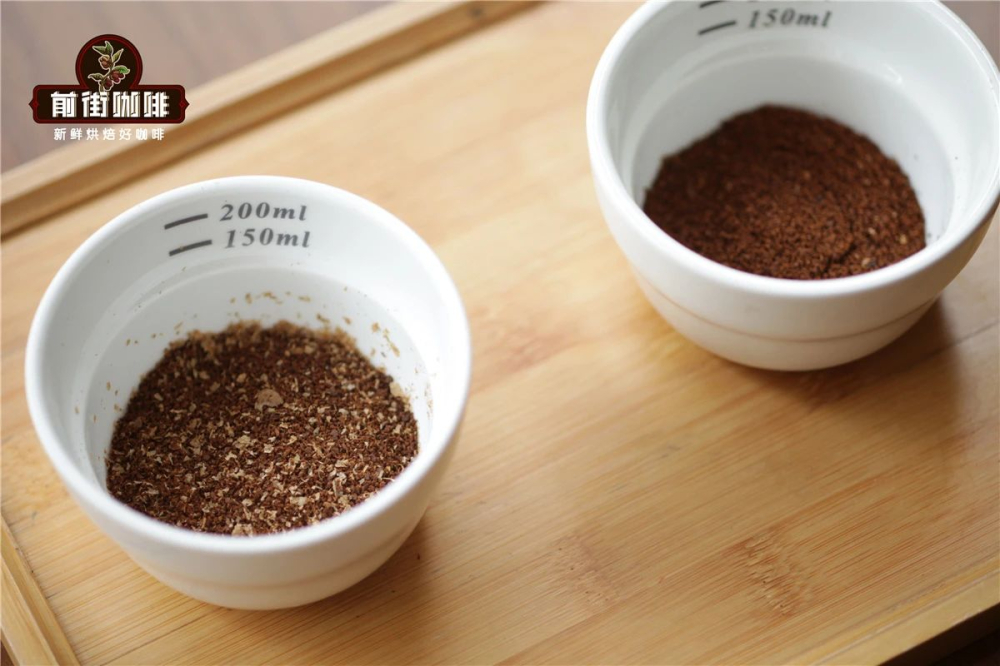
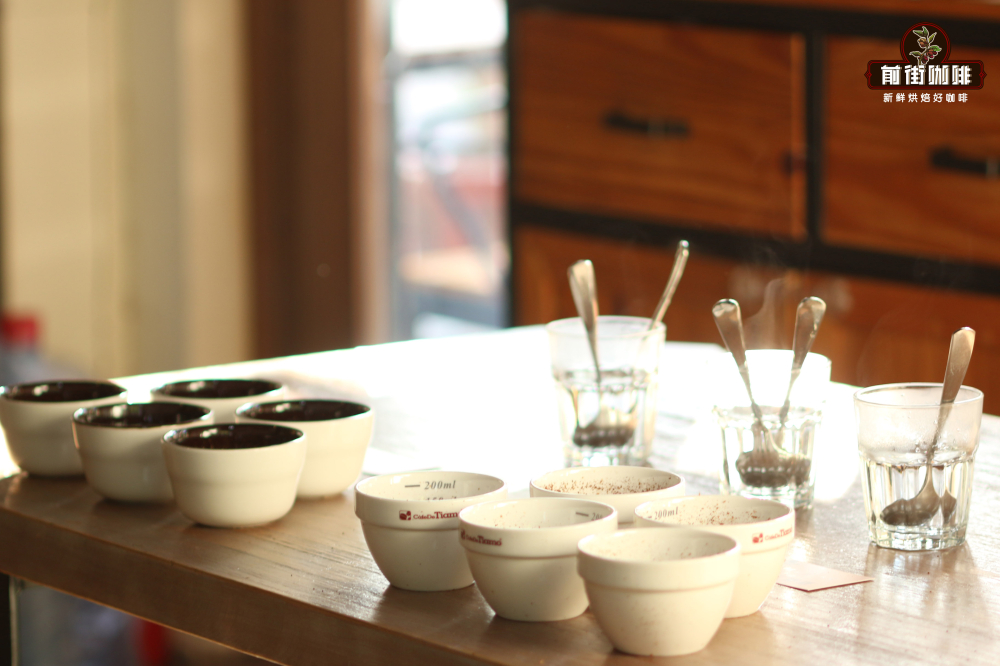
Setting the correct cupping grind size is even more critical. The SCA standard is a #20 sieve (0.85mm aperture), with a required extraction rate between 70% and 75%. In practice, the industry calibrates the grind size before each cupping session to ensure it falls within this range, and dry aroma evaluation is conducted immediately after grinding. Additionally, the choice of cupping bowl matters—ceramic, odorless bowls with a capacity of about 200ml are recommended. Although some cupping bowls may have volume markings, it's still advisable to periodically recalibrate using actual weighing to avoid discrepancies caused by different brands or batches.
In terms of coffee-to-water ratio, the SCA standard is 1:18.18, which means using 11 grams of coffee grounds with 200 milliliters of hot water. For water quality, the total dissolved solids (TDS) should be between 125 and 175 ppm, but not lower than 100 ppm or higher than 250 ppm. Therefore, it is not recommended to use unfiltered tap water directly for cupping, as it may interfere with the assessment of the coffee’s inherent flavors. As for water temperature, due to the higher coffee-to-water ratio, 94°C is the ideal temperature to fully activate the coffee’s aromatic and flavor compounds.
During the cupping process, the environment must remain quiet to avoid interfering with evaluations. The actual procedure is carried out with five cups per group, arranged in an Olympic rings pattern to assess the consistency of the coffee. First is the dry aroma phase, where ground coffee is placed in the cupping bowl, covered with a lid, and then all participants simultaneously remove the lids to evaluate the aroma. This step usually takes no more than 15 minutes. Next is the pouring of water: following the standard ratio, 94°C hot water is poured in all at once, and timing begins immediately. At this stage, the wet aroma can also be assessed. About four minutes later, it’s time for the cracking and skimming process—using a cupping spoon, the surface of the coffee is gently stirred three times, after which the floating grounds are skimmed off. Be sure to rinse the spoon with hot water before each use to avoid cross-contamination of flavors.
The optimal time for tasting is when the coffee is still slightly warm, allowing you to clearly perceive details such as flavor, acidity, sweetness, aftertaste, and body. It’s worth noting that although the SCA cupping form has been used for many years, industry experts point out that attributes like sweetness are gaining increasing importance, and the design of the scoring sheet is moving towards more detailed descriptions and cultural adaptability to reflect global drinking habits and flavor vocabularies.
After cupping, the next step is applying the insights gained to everyday pour over brewing. It’s important to note that the cupping grind size is not suitable for other brewing methods. Based on a 0.85mm sieve, the extraction rate standards vary for different brewing devices: cold brew > pour over/siphon (80%) > moka pot/American drip (75–80%) > cupping (70–75%) > French press (65–70%). For pour over coffee, light roasts are recommended to use a 75% to 80% extraction rate, considered medium-fine grind, paired with a water temperature of 90 to 91°C to fully bring out vibrant acidity and sweetness. Medium roasts are advised to use a 65% to 70% extraction rate, considered medium-coarse grind, with water at 88 to 89°C, which helps regulate the release pace of fuller-bodied flavors and avoid over-extraction.
Why are the grind strategies for light and medium roasts different? Mainly because light roast beans have brighter flavor compounds and prominent acidity, making finer grinds suitable for enhanced extraction. In contrast, medium roasts emphasize caramelization and deeper tones like nuts and cocoa. Slightly coarser grinds help slow down the release rate, resulting in a more balanced overall taste. Mastering these details enables you to more precisely highlight the unique character of each coffee during pour over brewing.
The above content is compiled by CoffeeHunters, a coffee news website.


