







Introduction:Due to their ease of brewing and portability, drip bags have become a daily choice for many coffee enthusiasts. This article delves into the origins of drip bags, their global popularity and market performance, analyzes their ability to preserve flavor and suitable usage scenarios, and answers common questions such as whether they can be brewed twice. It also offers practical purchasing advice and three major flavor-oriented recommendations to help readers find the right drip bag based on their personal taste preferences, thereby enhancing the overall brewing experience.
As a brewing method that combines convenience with flavor performance, drip bags have gradually gained popularity among coffee lovers worldwide. This innovative design originated in Japan, initially launching in the 1990s in a single-sided drip bag form, and only truly entered the international market by 2011. That year, global sales reached 1.4 billion packs, with over 90% concentrated in Japan, demonstrating extremely high acceptance.
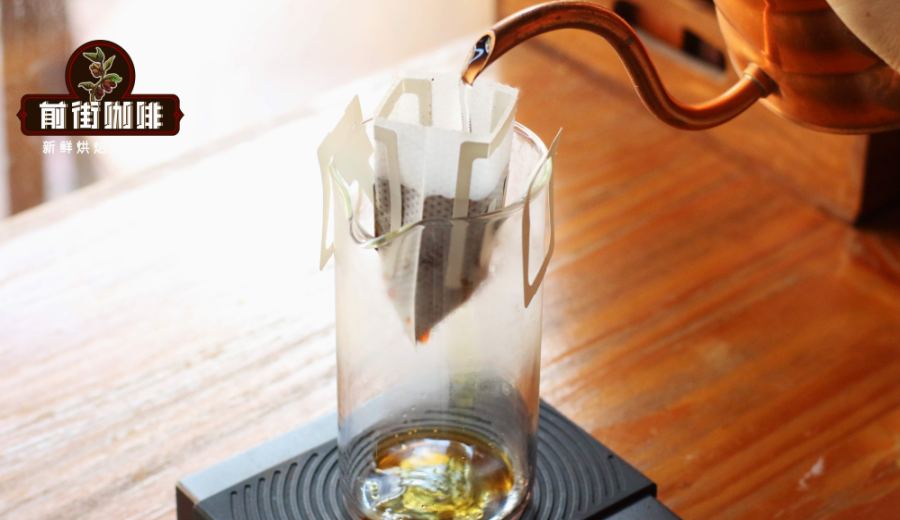
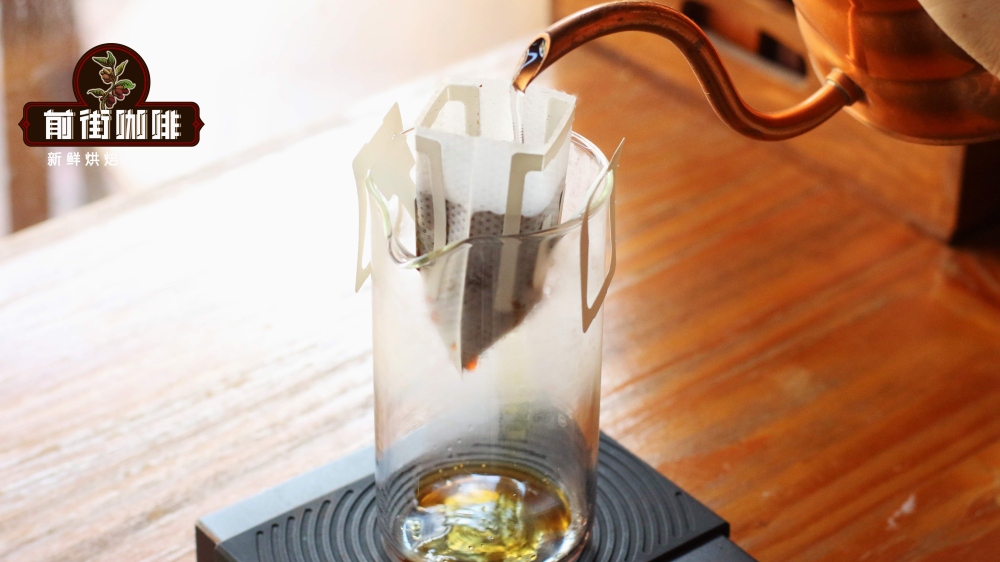
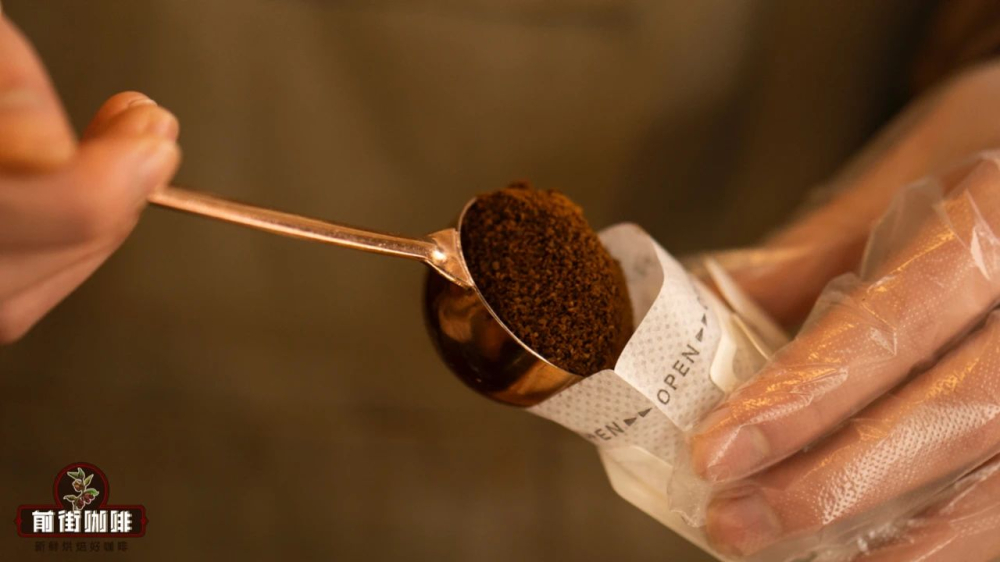
Drip bags refer to pre-packaged, finely ground coffee placed in a filter pouch, with each side of the pouch equipped with cardboard support structures resembling "little ears." During use, these supports are hung over the edge of a cup, and hot water is slowly poured in for brewing. This design not only eliminates the need for the complex equipment required in traditional pour over brewing but also greatly simplifies the brewing steps, allowing users to enjoy a cup of coffee with flavors close to freshly ground coffee using just hot water and a cup.
In terms of flavor performance, since the coffee grounds in drip bags are typically made from high-quality beans and sealed shortly after grinding, the original aroma and some flavor compounds of the coffee are effectively preserved. When stored properly, this form of coffee can showcase distinct regional characteristics, such as fruity notes, floral aromas, or clean nutty finishes, with flavor layers that can even rival those of professional pour over coffee.
However, regarding the commonly asked question of whether drip bags can be brewed a second time, the answer is usually no. The main reason is that during the first brew, approximately 30% of the soluble flavor compounds in the coffee grounds have already been released, with the remaining 70% mainly consisting of woody fibers and other less extractable components. A second brew not only fails to yield desirable flavors but may also release bitter, astringent, and coarse woody off-notes, negatively affecting the overall drinking experience. Therefore, it is recommended to remove the drip bag promptly after brewing to avoid prolonged steeping.
For readers new to drip bags, here are some practical purchasing and brewing tips. First, pay attention to the roast date and expiration date on the packaging, and opt for products that have been recently roasted to ensure freshness. Second, choose drip bags with different flavor profiles based on your personal preferences, which can significantly enhance your satisfaction.
For consumers who enjoy bright acidity and vibrant fruity or floral notes, it is recommended to select products described as having lemon, citrus, or white floral characteristics. These drip bags are often medium to light roasts and can showcase refreshing features such as tropical fruits, roses, or dried fruits. If you prefer a richer and more full-bodied coffee, medium to dark roast drip bags are usually a better choice. These products often feature nutty, chocolatey, caramel, and creamy smooth textures, making them suitable for drinkers who enjoy bold flavors.
Additionally, for coffee enthusiasts seeking complexity and unique flavors, you can try drip bags with wine-like aromas, fermentation notes, or special processing methods. These products, processed in unique ways or made from specific regional bean varieties, can deliver distinctive flavors such as sake-like notes, berry, or complex fruit aromas, adding variety and fun to your everyday coffee experience.
In summary, although drip bags are positioned as a simplified version of freshly ground pour over coffee, their convenience and relatively good flavor performance make them a top choice for many coffee lovers in daily life or while traveling. By understanding their historical background, brewing characteristics, and flavor differences, consumers can make smarter choices suited to their preferences and avoid common brewing mistakes, further enhancing the quality and enjoyment of every cup of coffee.
The above content is compiled by CoffeeHunters, a coffee news website.


