







Introduction:Although both are of the Geisha variety, coffees from Ethiopia and Panama exhibit distinctly different flavor profiles. This article provides an in-depth comparison between two renowned Geisha-producing regions—the Panamanian Hacienda Esmeralda and the Ethiopian Gesha Village Estate—exploring everything from varietal origins, grading systems, processing methods, to actual brewing performance. It analyzes the subtle differences in aroma, acidity, sweetness, and aftertaste, and offers professional roasting and pour over parameters to help coffee enthusiasts choose the most suitable Geisha beans based on their personal preferences.
The Geisha (Geisha) coffee variety became a legend in the specialty coffee world after its breakthrough victory at the Panama BOP competition in 2004. However, few people know that its place of origin is actually the Gesha Forest in southern Ethiopia. With the rise of the specialty coffee movement, Ethiopia has gradually developed its own Geisha-producing regions that can rival those in Panama, among which the Gesha Village Estate in the Bench Maji region is the most representative. This article focuses on the two major producing areas—Panama's Hacienda Esmeralda and Ethiopia's Gesha Village Estate—to provide a detailed comparison of their historical backgrounds, grading systems, processing techniques, and actual flavor performances.
The Geisha variety was first discovered in 1931 in Ethiopia’s Gesha Forest, and was later introduced to Kenya, Uganda, Tanzania, and Costa Rica, but it wasn’t until the 1970s that it was brought to Panama. Initially, due to its low yield and challenging cultivation, Geisha was mostly used as a windbreak tree and went unnoticed. It wasn’t until the late 1980s when workers at Hacienda Esmeralda accidentally mixed Geisha cherries with other coffee during harvest. After cupping, its unique floral, fruity, and citrus notes were discovered, marking the beginning of Geisha’s golden era.

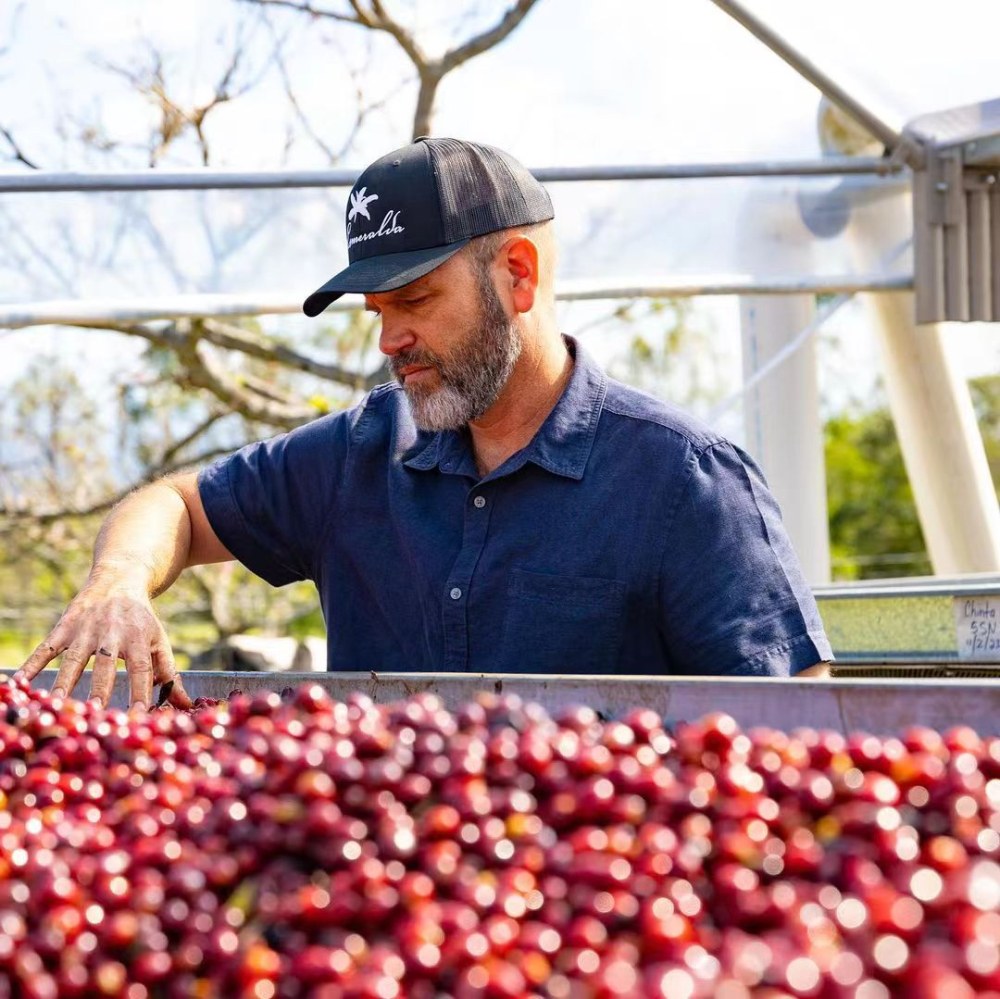
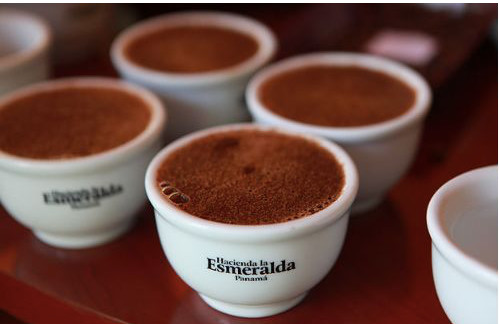
Established in 1964, Hacienda Esmeralda originally focused on livestock farming. After 1987, it transitioned to coffee cultivation and built a washed processing plant in 1994. Geisha trees, due to their scarce yield and difficult management, were long used as windbreaks until their exceptional potential was revealed through cupping. In 2004, the estate entered Geisha in the BOP competition and won the championship, thereby establishing its status in the specialty coffee scene. Based on altitude, microclimate, and cupping results, the estate categorizes its Geisha into three main grades: Red Label, Green Label, and Blue Label, each with its own unique flavor characteristics and processing methods.
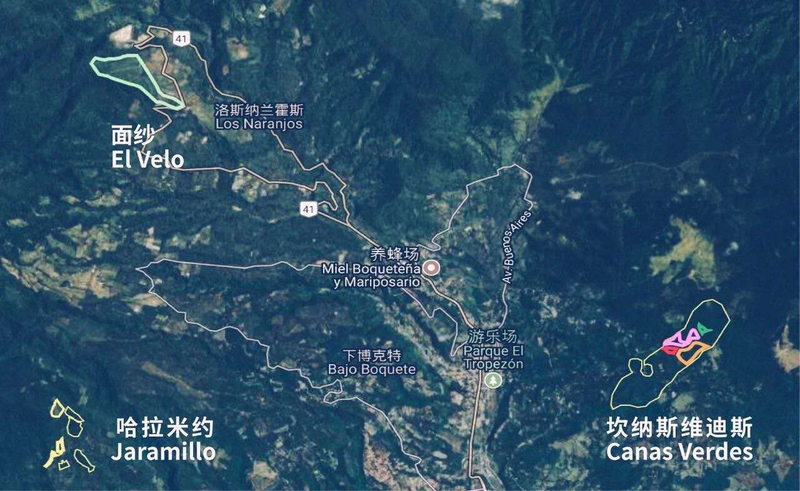
The Geisha planting areas of Hacienda Esmeralda are concentrated in three elevation zones: Jaramillo, Canas Verdes, and El Velo, corresponding respectively to Red Label, Green Label, and Blue Label. Among them, Red Label Geisha is selected exclusively from beans grown at elevations of 1600–1800 meters in the Jaramillo and Canas Verdes regions with cupping scores above 90, and is chosen through independent auctions, making it the estate’s top-tier offering. Green Label consists of blended lots from multiple micro-batches. Though not auctioned, it still retains the classic floral and fruity acidity of Geisha, offering excellent value for money. Blue Label originally came from the Gesha 1500 region at elevations of 1400–1500 meters, now renamed Volcanic Gesha, primarily processed using the washed method. Its flavor profile is crisper and more refreshing, suitable for those who prefer lighter-tasting coffees.
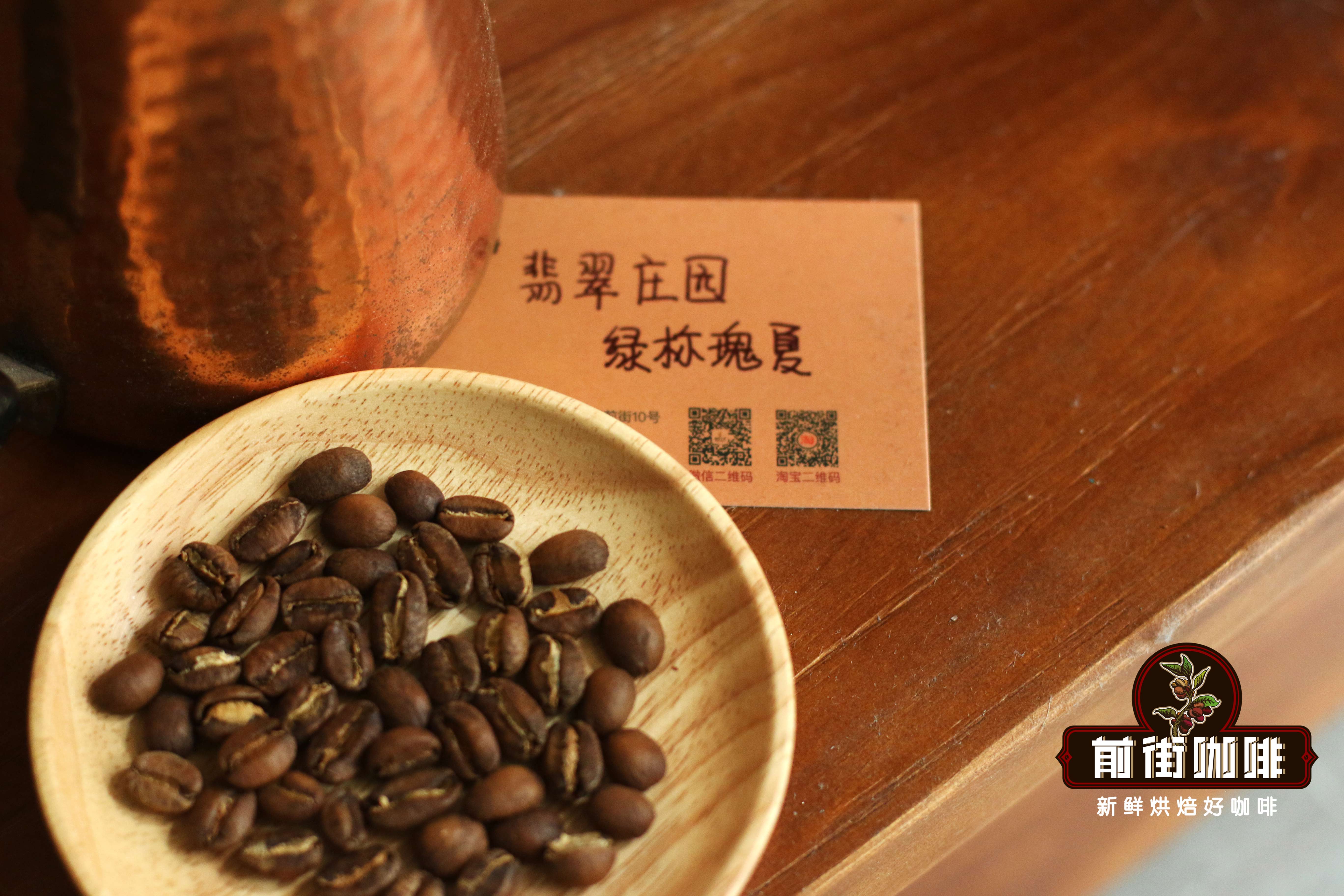
Red Label Geisha is usually processed using the natural (sun-dried) method, showcasing intense citrus, rose tea, and honey aromas, with bright and layered acidity.Country: Panama, Region: Boquete, Elevation: 1700 meters, Variety: Geisha, Processing: Natural, Flavor: Citrus, Complex Fruits, Rose Tea, Honey.Green Label mainly uses a blended natural process, featuring aromas of jasmine, citrus, melon, and berries. Its taste is round, with balanced acidity and sweetness.Elevation: 1700 meters, Variety: Geisha, Processing: Natural, Flavor: Jasmine, Citrus, Melon, Berries.Blue Label (Volcanic Gesha) is mostly washed, offering a fresher profile with notes of lemon, oolong tea, cane sugar, and peach.Elevation: 1400–1500 meters, Variety: Geisha, Processing: Washed, Flavor: Lemon, Oolong Tea, Cane Sugar, Peach.
In contrast, Ethiopia’s Gesha Village Estate is a rising star in the Geisha scene in recent years. In 2007, documentary director Adam Overton and photographer Rachel Samuel discovered wild coffee trees with Geisha potential while filming in the Bench Maji region. In 2011, with the help of mule farm owner Willem Boot, they found the original Geisha variety in the Gori Gesha Forest and established the Gesha Village Estate on this foundation. The estate spans approximately 471 hectares, with 320 hectares dedicated to coffee cultivation. The soil is reddish-brown loamy, the altitude is ideal for Geisha growth, and it collaborates with local communities to promote sustainable agriculture and educational development.
Gesha Village Estate adopts a grading system similar to Panama’s but with greater diversity, including Auction, Gold Label, Red Label, Green Label, and Chaka lots. The Auction lots account for only 3.7% of the annual production and are the crème de la crème, available only through global auctions. They often score over 90 points in cupping, with extremely complex flavors.Country: Ethiopia, Region: Bench Maji, Elevation: 1900–2040 meters, Variety: Geisha 1931, Processing: Natural, Flavor: Citrus, Lemon, Tropical Fruits, Cream, Nuts, Tea-like.Gold Label makes up about 5% of production, also with outstanding flavors, and is commonly used in international coffee competitions.Region: Bench Maji, Elevation: 1909–2069 meters, Variety: Gori Gesha, Processing: Natural, Flavor: Coconut, Licorice, Cream, Chocolate, Toffee, Citrus, Almond, Strawberry.Red Label offers full traceability, with slightly less complexity than Gold Label but good value.Elevation: 1909–2069 meters, Variety: Gori Gesha, Processing: Natural, Flavor: Citrus, Cherries, Berries, Honey, Fermented Notes.Green Label is a single-terroir lot, not yet fully released to the market, though some information has been made public. Chaka lots are blends of three varieties: Gori Gesha, Geisha 1931, and Illubabor, combining citrus, grapefruit, cream, and caramel aromas.
In terms of roasting and brewing, both regions’ Geishas are recommended to be lightly roasted to highlight floral-fruity notes and bright acidity. For Hacienda Esmeralda Green Label, it’s advised to start roasting at 160°C, develop for about 1 minute 20 seconds after first crack, and reach a drop temperature of 192.5°C. For Gesha Village Green Label, start at 175°C, develop for 1 minute 30 seconds post-first crack, with a drop temperature of 193.5°C. For pour over, use 15 grams of coffee, a 1:15 coffee-to-water ratio, a grind size of about 78% passing through a #20 sieve, water temperature at 90°C, employing a three-stage extraction with a total brew time of around 2 minutes to fully express the delicate flavor layers of Geisha.
Overall, Hacienda Esmeralda’s Geisha shines with its Auction and Red Label offerings, presenting luxurious floral notes, citrus tones, and honey sweetness—ideal for coffee lovers seeking high-level aroma and complexity. On the other hand, Ethiopia’s Gesha Village Estate stands out with its Auction and Gold Label, offering fruit-forward profiles with creamy and tea-like qualities, softer acidity, and long-lasting aftertastes. Both have their unique strengths, allowing consumers to choose the Geisha experience that best suits their personal taste preferences.

The above content is compiled by CoffeeHunters, a coffee news website.


