







Introduction:Did you know? Even professional coffee shops make minute adjustments to their grinders multiple times a day, all in pursuit of the most stable extraction performance. This article delves into the science behind grind settings, from how burr spacing affects water flow and particle size, to how you can assess grind consistency through sight and touch. Whether you’re using a traditional hand grinder or modern electric equipment, we provide practical tips ranging from basic setup to advanced parameter tuning—including the key interplay between puck thickness, dose, and extraction time—to help you consistently brew coffee with your desired flavor profile.
Why do specialty coffee shops insist on daily grinder calibration? The answer lies in those microscopic, barely visible changes—coffee bean moisture content fluctuates with storage conditions, while air pressure and room temperature variations can alter extraction flow rates. Especially under the high-pressure environment of an espresso machine (over 90 psi), these factors are magnified dramatically, causing the same beans to yield vastly different flavors from one day to the next. Mastering the core logic of grind adjustments is the key to ensuring consistent espresso shot after shot.
Baristas calibrate their grinders daily—not just as routine. Once green beans are roasted and pulled from the hopper, their moisture content shifts with ambient temperature and humidity. Add to that the gradual wear on grinder burrs over time, and these variables directly impact extraction results. For those with exacting standards, some shops even fine-tune settings every five hours to ensure that, under high-pressure extraction, water flows through the coffee bed at the optimal speed, extracting the intended aromas and balanced acidity-sweetness.
To understand grind theory, start with the core concept: burr spacing. When the gap between two rotating steel burrs is smaller, coffee beans are chopped into finer, denser particles. This compact puck significantly increases water resistance, lengthening extraction time. Conversely, widening the burr gap produces coarser particles that form a looser structure, allowing water to pass faster and shortening extraction. It’s akin to filling a container with stones versus fine sand—water flows through stone gaps far quicker than it seeps through sand.
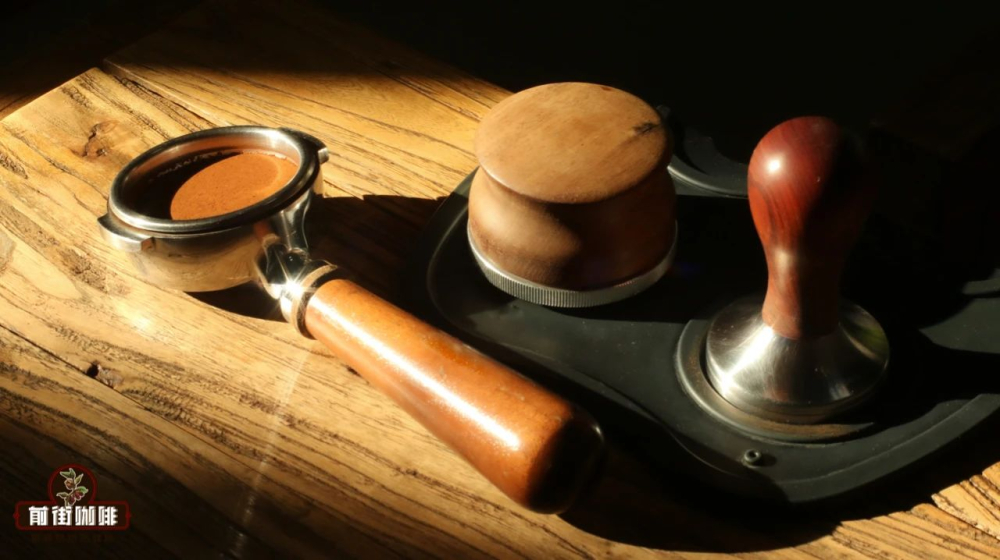
How do you tell if your grind is just right? The most straightforward method is to feel the freshly ground coffee. Ideally, it should have a fine, powdery texture with a slight grittiness reminiscent of sandpaper. If your fingers sink in too smoothly, like flour, the grind is too fine; if it feels rough and distinctly grainy, the burrs need to be brought closer together. These subtle differences directly determine the final cup’s intensity and flavor complexity.
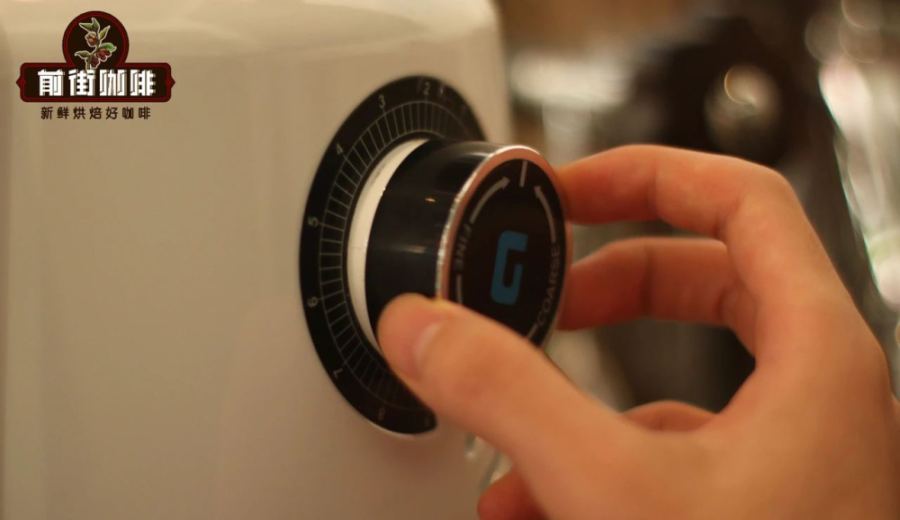
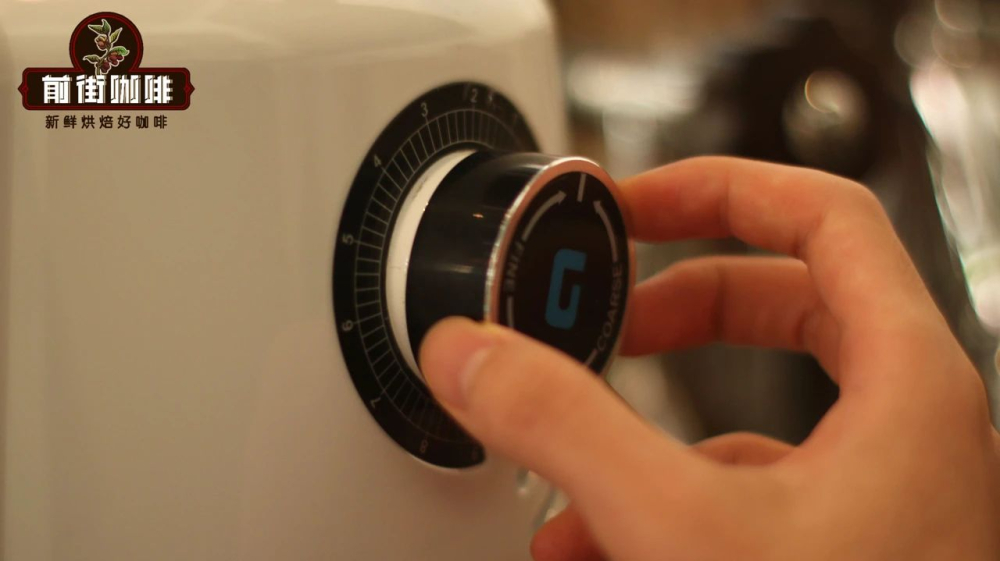
When adjusting traditional manual or gear-driven grinders, the first priority is familiarizing yourself with your device. Each model’s dial design varies—some feature numbered markings, others rely on experience. Before operating, consult the manual to confirm the direction and limits of the adjustment screw’s rotation. In practice, turning the dial just under 3 mm can result in a noticeable 3–5 second change in extraction time. Start by running the grinder empty for about ten seconds to discard unstable initial grounds, then dose a small amount to pull an espresso shot. Use the actual extraction time and taste feedback to fine-tune further.
Moving into the realm of electric grinder calibration, the focus shifts to the delicate balance between dose and grind level. These machines typically control output by grind time rather than precise weight measurement. The key is maintaining a golden gap of 5–6 mm between the puck and the outlet—too thick a puck restricts flow, too thin risks over-extraction. Adjust in increments of 0.2–0.3 seconds at a time, reassessing each change for clarity, acid-sweet balance, and body. Note that narrowing the grind setting naturally reduces the dose per unit time due to tighter burr spacing, and vice versa; mastering this interplay requires patient, repeated testing.
Regardless of your grinder type, the foundation of stable extraction lies in understanding how parameters interact. Beginners should fix their dose at 18 g and experiment with liquid-to-coffee ratios like 1:1, 1:2, and 1:2.5, noting how each combination affects purity of taste, acidity expression, and body. Through systematic comparison, you’ll identify your ideal espresso ratio and sharpen your sensitivity to grind nuances—the true hallmark distinguishing professionals from enthusiasts.
The above content is compiled by CoffeeHunters, a coffee news website.


