







Introduction:Cold brew coffee is a popular refreshing choice in summer, but to achieve outstanding flavor, bean selection and extraction parameters are key. This article delves into the types of coffee beans suitable for cold brew, the golden coffee-to-water ratio and grind size settings, and walks you through the entire production process. It also features three practical bean recommendations with distinct flavor profiles—whether you prefer bright fruity notes or rich wine-like undertones, you’re sure to find one that suits your taste.
On a hot summer day, sipping a cool and smooth cold brew coffee is the go-to refreshment for many coffee enthusiasts. Compared to traditional hot brewing, cold brew has a relatively low barrier to entry—just master a few key elements, and you can easily enjoy delicious coffee at home. However, to produce an astonishingly flavorful cup, selecting the right coffee beans and adjusting the extraction conditions appropriately is definitely the first step to success.
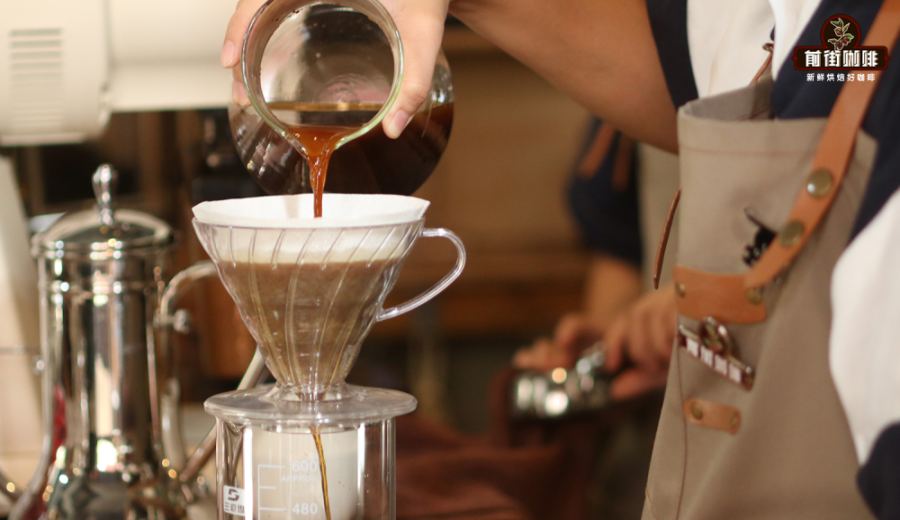
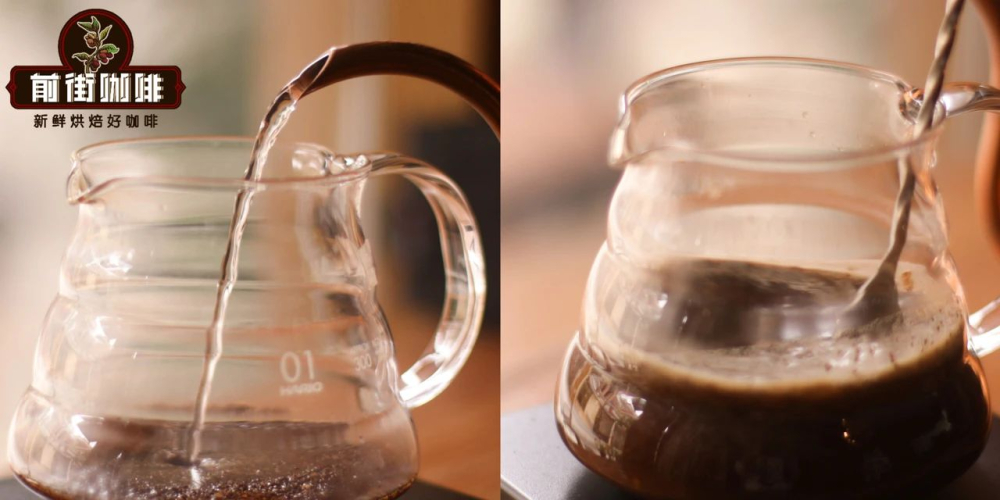
Taking a common cold brew method as an example, it’s recommended to use about 50 grams of coarsely ground coffee beans, mixed with 400 milliliters of room temperature water and 200 grams of ice cubes, totaling approximately 600 milliliters of water, which translates to a coffee-to-water ratio of about 1:12. The grind size here can be referenced as roughly 85% passing through a standard #20 sieve—a coarseness similar to that of a French press. This helps ensure even extraction during the extended steeping time without over-releasing bitter substances. After mixing the coffee grounds with the ice water, remember to stir well, then seal and refrigerate. The steeping time is generally recommended to be between 12 to 24 hours, adjustable according to personal preference for strength.
After steeping, use filter paper or a filter cloth to remove the coffee grounds, and you’ll get a clear and smooth coffee liquid. Some methods suggest letting the filtered coffee liquid sit in the refrigerator for about 4 more hours to allow the flavors to meld further, resulting in a smoother taste. This kind of cold brew coffee liquid usually has a fuller mouthfeel and a unique rich layered profile—not as thin as hot brew, nor as overly clear as cold drip.
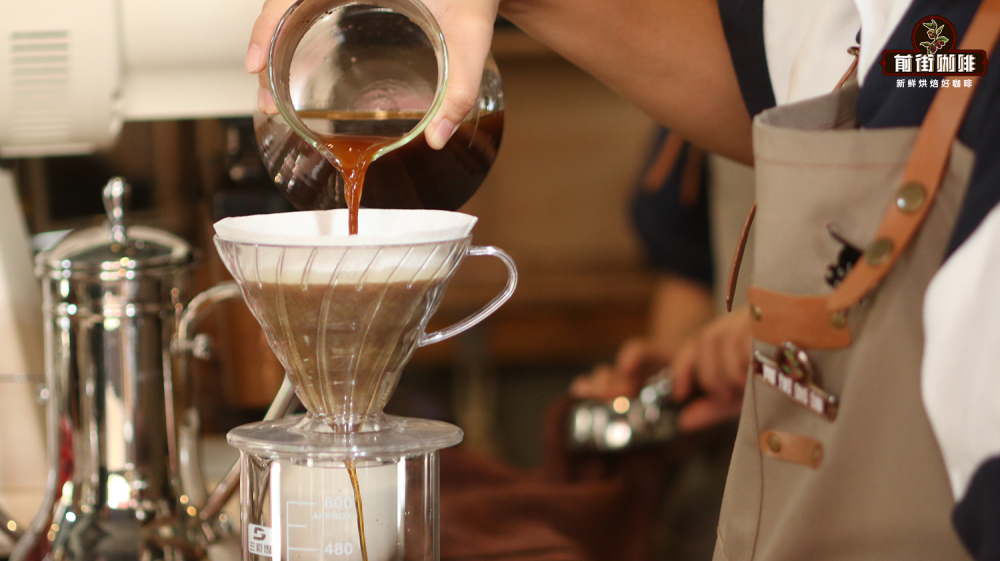
When it comes to coffee beans suitable for cold brew, since the release of flavor compounds is slower during the cold brew process, it’s recommended to prioritize medium to light roasted beans. These help highlight a clean and refreshing character and better preserve fruity and floral notes. Overly dark roasts can easily make the cold brew taste burnt or monotonously charred, undermining the refreshing experience that chilled coffee should deliver.
The first recommendation is Panama Geisha Honey (also known as "花蝴蝶"), a washed-processed coffee bean containing about 70% Geisha variety, offering excellent cost-performance. In cold brew, it often showcases bright citrus notes, delicate floral aromas, and a unique flavor reminiscent of oolong tea. The overall flavor profile is clear and crisp, making it ideal for coffee lovers who enjoy refreshing taste profiles.
The second is the Ethiopia Yirgacheffe Red Cherry Project, a classic washed-processed bean from this renowned origin. Yirgacheffe is known for its rich fruitiness, and the Red Cherry Project is a standout among them. Using it for cold brew brings out sweet berry aromas, a honey-like finish, and a dynamic layered complexity—every sip is full of surprises, making it perfect for those who prefer intense fruit flavors.
The third is Mozart from Costa Rica’s Musician Series, a line known for its highly distinctive flavor profiles. Mozart is processed using anaerobic honey fermentation, and when brewed cold, it often releases intense osmanthus and grape aromas, accompanied by a soft fermented wine-like undertone. The flavor is rich yet balanced, making it an ideal choice for those who enjoy bold wine-like notes or complex layers.
In summary, cold brew coffee is not only simple to make, but also allows for diverse flavor expressions by adjusting factors such as bean selection, coffee-to-water ratio, and grind size. As long as you choose medium to light roasted beans suited to cold brew, master the golden 1:12 coffee-to-water ratio and appropriate steeping time, you can easily enjoy café-quality iced coffee at home. Why not start with the three recommended beans above and find the one that best suits your palate?
The above content is compiled by CoffeeHunters, a coffee news website.


