








Introduction:The extraction quality of espresso is the key factor that influences the flavor of a milk-based coffee. This article delves into the advantages of blends, the importance of daily fine-tuning of extraction parameters, and provides a step-by-step breakdown of the entire process from preheating, dosing, tamping to extraction. It also covers common operational pitfalls, techniques for observing flow rate and evaluating extraction through tasting, along with professional reference parameters to help you consistently pull balanced and layered espressos.
Many coffee enthusiasts focus on steaming milk and latte art, but in reality, the core of a great milk coffee lies in the extraction quality of the espresso itself. Poor extraction will result in an unsatisfactory final product, no matter how velvety the milk foam or how exquisite the latte art. This article will focus on all the details of espresso extraction, offering comprehensive and practical guidance — from foundational concepts and the rationale behind using blends, to daily parameter adjustment techniques.
Why Choose an Espresso Blend?
As agricultural products, coffee beans are highly susceptible to variations in climate, soil, and processing methods from different regions. Even batches from the same origin can vary significantly. The advantage of espresso blends lies in combining beans from multiple sources to achieve balanced and stable flavors. One brand uses a 3:7 ratio of Ethiopian Yirgacheffe Natural Red Cherry and Honduran Sherry coffee beans. When extracted under high pressure, it delivers intense wine-like aromas, soft fruit acidity, and a lingering finish of nuts and cocoa. This Sunflower Warm Sun blend also features distinct whiskey notes and a nutty aftertaste, making it an ideal base for milk coffee.

Why Adjust Extraction Parameters Daily?
Even when using the same blend, the amount of carbon dioxide released by the coffee beans varies each day, which in turn affects extraction performance. Additionally, factors such as the characteristics of each coffee machine, the grind size of the grinder, and ambient temperature and humidity can also lead to different optimal parameters. For example, for a Lelit machine, the recommended initial settings are a pressure of 9 bar, water temperature of 94°C, extraction time of 30 seconds, and a brew ratio of 1:1.7 to 1:2. A double espresso uses 20 grams of coffee grounds, with a target yield of about 40 milliliters. However, these values are for reference only — in practice, adjustments based on flow rate observation and actual tasting are essential to find the optimal settings for the beans at hand.
Complete Process and Key Points for Espresso Extraction
Before extraction, the first step is to remove the portafilter and clear out any residual coffee grounds. At this stage, two points should be noted: the portafilter should remain on the group head to stay heated — avoid placing it on cooling surfaces such as a cup warmer tray, as this may cause the water temperature to drop and affect extraction consistency; also, the coffee grounds from the previous extraction should not be cleaned away immediately, as they can absorb any unwanted odors from the hot copper group head.
After reattaching the portafilter to the group head, press the extraction button to flush, while continuously shaking the portafilter to ensure all residual grounds are thoroughly removed. Skipping this step may lead to the re-extraction of leftover grounds, resulting in bitter and off-flavored coffee. This step also serves to preheat and cool down the system, preventing over-extraction due to excessively high water temperatures.
Next, use a clean towel to thoroughly dry the filter basket and spout inside the portafilter, ensuring the coffee grounds are completely dry before dosing. Any moisture inside the basket can lead to premature extraction, affecting the overall flavor balance; wet grounds are also prone to clumping, causing uneven tamping and channeling. The area around the spout should also be cleaned to prevent stray coffee particles from falling into the cup and affecting taste.
You can then proceed to grind the coffee beans and dose the grounds. It’s recommended to grind fresh for each use to avoid oxidation of the coffee powder in the air, which can impact flavor. While grinding, use the lever of the dosing tool to control the flow and prevent old grounds from remaining inside. Ensure the freshly ground coffee enters the portafilter immediately. After dosing, use a distribution tool to evenly spread the coffee grounds in the basket — uneven distribution can cause water to prefer flowing through looser areas, leading to inconsistent extraction and channeling.
The next step is tamping, which aims to compact the coffee bed and reduce the chances of channeling. During tamping, pay attention to applying even pressure to ensure uniform density across the puck. Then quickly reattach the portafilter to the group head and immediately start the extraction process — the whole procedure should be done in one smooth motion to avoid leaving the coffee grounds in a high-temperature environment for too long, which can lead to overheating and bitterness.
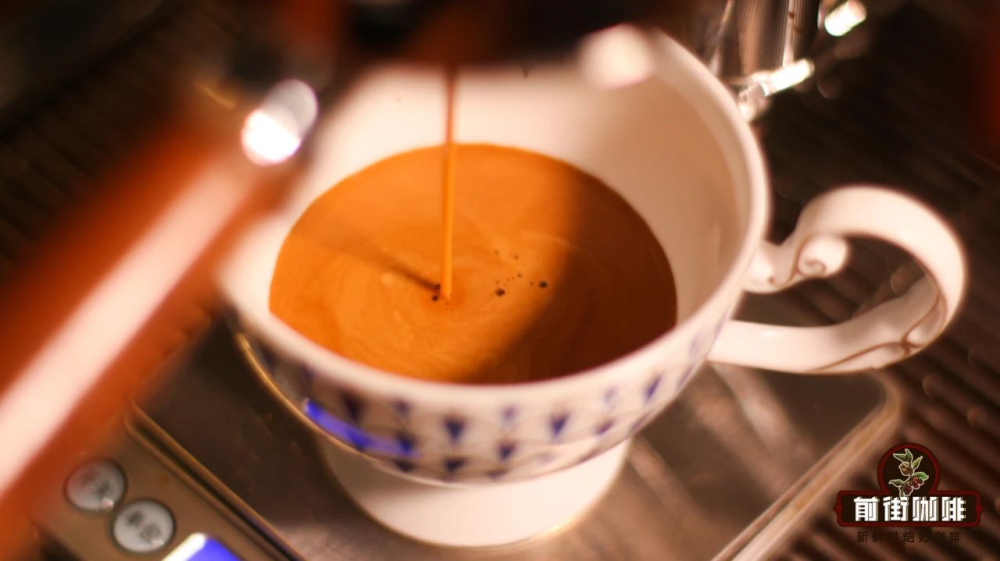
The ideal extraction flow should be steady, like a thick paste, rather than spurting or dripping slowly. If the flow is too fast, it may indicate a grind that is too coarse or insufficient tamping; if it’s too slow or dripping, it could mean the grind is too fine or the pressure is too high. Stable tamping technique ensures that the extraction time varies by no more than 1 second per shot, otherwise the flavor consistency will be noticeably affected. After extraction, check that the surface of the puck is flat without any indentations — this is an important indicator of even tamping.
Finally, you can dilute the extracted espresso with water to make black coffee (Americano) and evaluate its clarity and aftertaste. If there are no obvious off-flavors or astringency upon drinking, and the bitterness dissipates quickly, it indicates good extraction. If you can consistently maintain stable extraction times and flavor profiles across multiple shots (5 to 10), it shows that your technique has matured.

The above content is compiled by CoffeeHunters, a coffee news website.


