







Introduction:In recent years, decaffeinated coffee has become a new choice for many coffee enthusiasts. But does the decaffeination process affect the flavor? This article delves into Colombian Huila Swiss Water decaf coffee beans, exploring the principles of decaffeination, green bean varieties, roast profiles, and practical pour over parameters to help you understand the true flavor profile and brewing techniques of decaf coffee.
Decaf coffee is gradually becoming an important part of the coffee market, especially for consumers who wish to enjoy the aroma of coffee while reducing caffeine intake. It’s a friendly option for many. However, there are still quite a few questions surrounding decaf coffee: Is it really completely caffeine-free? Does the decaffeination process strip the coffee of its original flavors? This article will use a Colombian Huila decaf coffee bean processed with the Swiss Water method as an example, breaking down the mystery of decaf coffee from definition, processing, variety, roast, to pour over recommendations — helping you find your ideal decaf coffee experience.
First, let’s clarify what decaf coffee is. Generally, the caffeine content in coffee beans is calculated by weight ratio. Arabica beans contain about 0.9% to 1.4% caffeine (averaging around 1.2%), while Robusta beans have even higher levels, ranging from 1.8% to 4% (averaging about 2.2%). Decaf coffee can be divided into two main categories: naturally low-caffeine and artificially decaffeinated. Among naturally low-caffeine coffees, the most representative variety is Coffea Laurina (also known as Laurina), which contains only about 0.6% caffeine — roughly half that of regular Arabica — and due to its genetic characteristics, it often exhibits softer and more delicate flavors. Artificially decaffeinated coffee, on the other hand, must meet international standards. For instance, the EU stipulates that decaffeinated coffee must contain no more than 0.1% caffeine by weight of the green beans, while the U.S. FDA requires at least 97% of the original caffeine to be removed, meaning the residual caffeine should be below 3%.
So, is decaf coffee completely caffeine-free? The answer is no. In reality, even after decaffeination, about 2% to 3% of caffeine still remains. That translates to a cup of decaf espresso potentially containing 0 to 7 milligrams of caffeine. While the amount is not high, it’s still something to be mindful of for those who are extremely sensitive. However, for most people, this residual level is not enough to cause significant stimulation or affect sleep.
Currently, common decaffeination methods on the market can be broadly divided into the following types: direct solvent process, indirect solvent process, supercritical carbon dioxide process, Swiss Water process, and mountain water process. The direct solvent method uses chemical solvents such as dichloromethane or ethyl acetate. Steam is used to open the pores of the coffee beans, allowing the solvent to bind with the caffeine, which is then removed, followed by a second boiling to eliminate residual solvents. Although dichloromethane is suspected of having potential health risks, according to FDA regulations, its residual level must be below 0.001%, making its actual impact minimal. If ethyl acetate (commonly derived from sugarcane) is used, this method is sometimes also called the sugarcane decaf method, and some decaf processes in Colombia use this approach. However, since ethyl acetate is flammable, extra care must be taken during operation.
The Swiss Water process is a more natural and widely acclaimed decaffeination technique. Its principle involves first soaking the green beans in hot water, known as “flavor-charged water,” which has fully extracted the flavor compounds from the beans but leaves the caffeine behind. Activated carbon filters are then used to remove the caffeine from the water, leaving behind hot water rich in flavors. This same water is then reused to soak new coffee beans, preserving their flavor compounds while effectively removing the caffeine. Since this process does not use chemical agents, it is often considered a healthier option.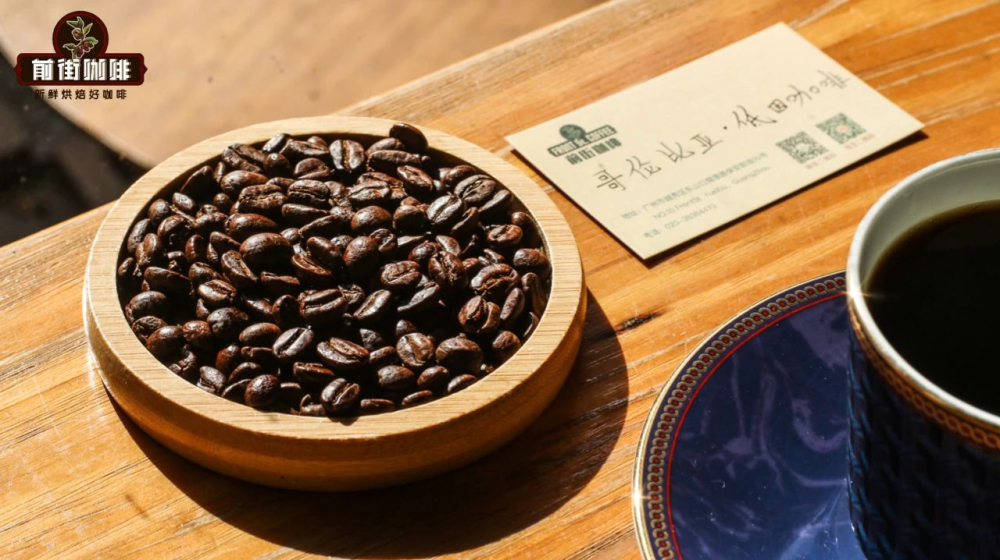
Another technique is the supercritical carbon dioxide process. This involves first hydrating the coffee beans to make them swell, loosening the caffeine molecules. Then, under high-pressure conditions (exceeding 100 atmospheres), liquid carbon dioxide is injected. Due to its high selectivity for caffeine, it removes the caffeine without affecting other flavor components. The carbon dioxide used can also be recycled. While this method is highly efficient and has low human health impact, it is relatively expensive.
The mountain water process is similar in concept to the Swiss Water method, but it uses pure glacial water for extraction and filtration, which is said to preserve flavors even more effectively. However, this method is relatively rare and is mainly used by specific brands.
So, is decaf coffee necessarily bad-tasting? The key actually doesn’t lie in the decaffeination process itself, but in the choice of raw materials. Many decaf coffees, in order to reduce costs, use commercially lower-grade beans that are inherently less flavorful, and are often high-caffeine Robusta varieties. Even without decaffeination, their flavors are hard to showcase. On the other hand, if high-quality Arabica varieties are selected, even after decaffeination, they can still retain rich aromas and layers of flavor. Therefore, choosing the right beans is the key.
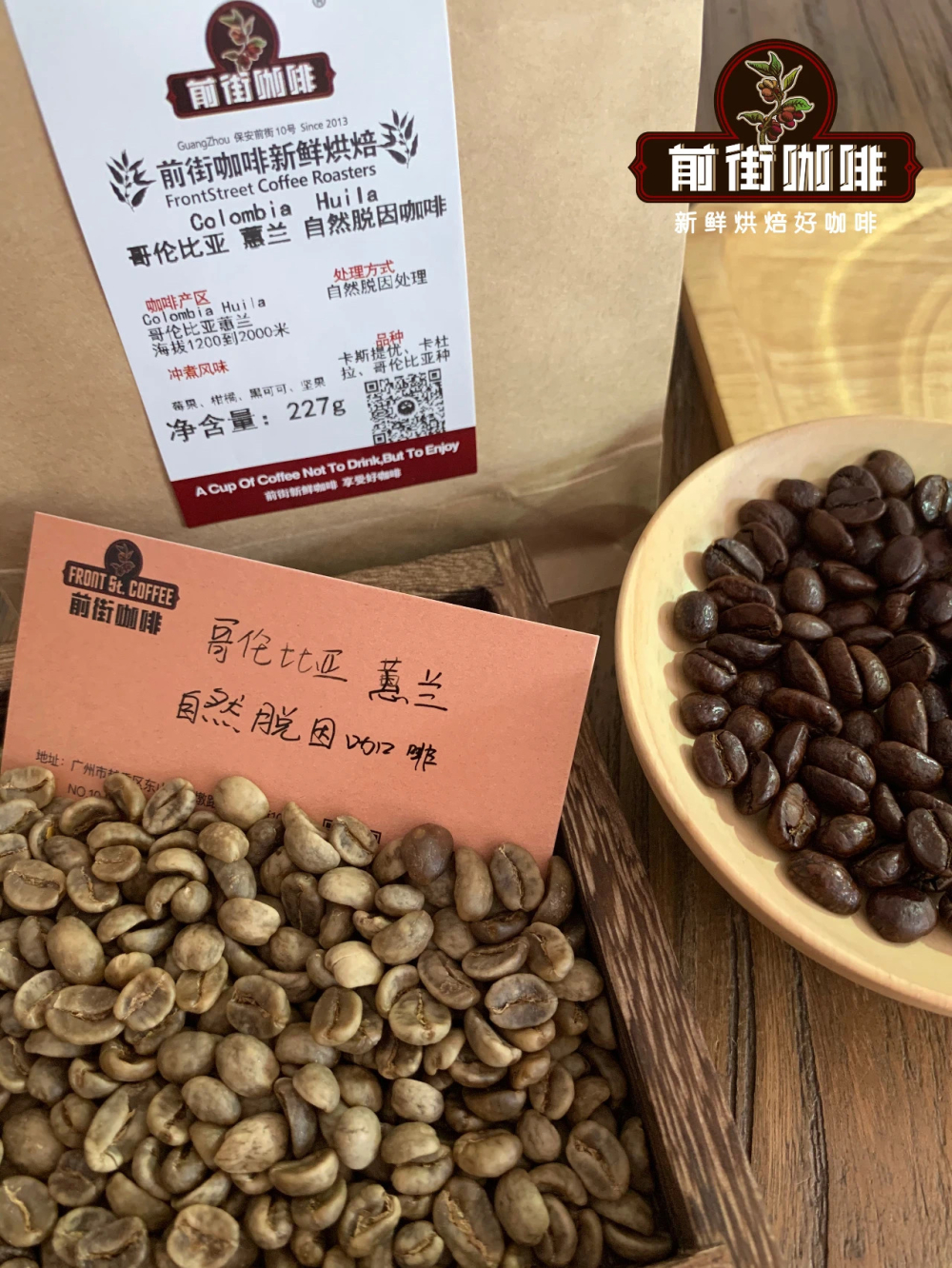
The Colombian Huila Swiss Water decaf coffee introduced here is grown at an altitude of 1750 meters. The varieties include Typica, Caturra, and Castillo, and the grade is Supremo, which is the highest quality in the official Colombian grading system. Typica, one of the oldest Arabica varieties, offers sweet and layered flavors. Caturra is adaptable and thrives in sunny environments. Castillo is a hybrid of Colombian and Caturra varieties, which has gained increasing attention in the market in recent years. These varieties, after undergoing Swiss Water processing, not only have significantly reduced caffeine content, but also deliver outstanding flavor performance.
Colombian coffee is renowned for its rigorous quality control and refined washed processing. Before export, beans undergo density sorting and manual selection to ensure each one meets high standards. The Huila region is particularly known for its high-altitude beans selected by state-owned entities and is often regarded as Colombia’s national treasure coffee. When roasted to a medium level, these beans often exhibit rich notes of vanilla and dark chocolate, with a full-bodied and balanced mouthfeel.
In terms of roasting, the barista adopted a stable medium-heat ramp-up strategy. The turning point to yellow occurred at around 6 minutes and 15 seconds, after which the air vent was adjusted to initiate the Maillard reaction. First crack occurred at approximately 183.2°C and lasted for about 2 minutes and 30 seconds before dropping the beans. The final roasting temperature was about 194.2°C. This roast curve helps preserve the beans’ original flavors while making the decaf characteristics more pronounced.
In actual cupping, this decaf coffee exhibits notes of dark chocolate, caramel, and nuts. The mouthfeel is full-bodied and smooth, with a flavor complexity that rivals that of regular coffee.
If you’d like to try pour overing this decaf coffee at home, it is recommended to use a Kono filter. Control the water temperature at 90°C, use 15 grams of coffee, with a 1:15 coffee-to-water ratio, and a medium-coarse grind (about 70% through a Chinese standard No. 20 sieve). The brewing method can follow a three-stage approach: start with 30 grams of water for a 30-second bloom, then pour in a small circular motion until reaching 125 grams for the first pour. Wait for the water level to drop, then pour up to 225 grams before removing the filter. The total brew time is about 3 minutes. These parameters can fully bring out the sweetness and full body of the beans, making it suitable for black coffee drinkers.
In summary, decaf coffee is not a subpar or unenjoyable alternative. As long as you choose the right origin, variety, and processing method, you can still enjoy a rich coffee experience. The Colombian Huila Swiss Water decaf coffee is a classic example worth trying.
The above content is compiled by CoffeeHunters, a coffee news website.


