








Introduction:To brew an espresso with balanced flavors, choosing the right coffee beans is key. This article delves into the reasons why medium to dark roasts are commonly used for espresso beans and their extraction characteristics. Based on practical applications, we’ve carefully selected five blends that offer great value and consistent performance. Whether you’re a pure espresso enthusiast or a café owner, you can find a suitable option based on your needs. The article also details the origin profiles, flavor characteristics, and recommended usage scenarios for each blend.
The reason why espresso beans are generally roasted to medium-dark or darker levels is mainly to meet the dual demands of espresso and milk-based drinks. Under high-pressure extraction, medium-dark roasts help release a richer crema (coffee foam) while bringing out pronounced caramel, chocolate, and nutty notes. These flavors can still maintain their complexity even when mixed with milk. If a too-light roast is used, not only will the crema performance be poor, but the unique characteristics of the coffee can easily get lost in the milk.
In addition, because espresso beans are used in large quantities daily, they are often sold in larger packages of 1 pound (about 454 grams) or 1 kilogram. Compared to single-origin beans, they are also more affordable and cost-effective. Below are five blends that offer both great value and distinctive flavors, suitable for different scenarios and needs.
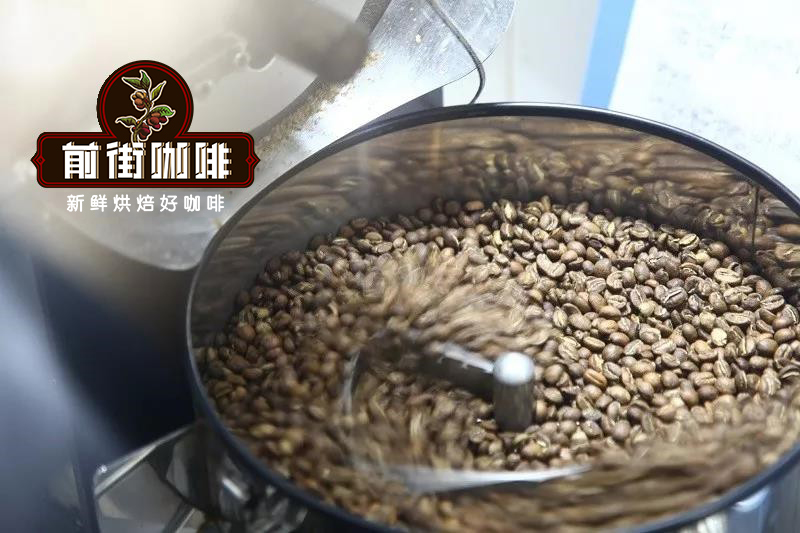
1. Classic Espresso Blend (Brazil, Indonesia Mandheling, Vietnam)
This blend focuses on stability, with a rich crema and a prominent caramel aroma upon tasting, accompanied by intense nutty and dark chocolate notes. The finish is sweet and pleasant. It’s suitable for consumers who enjoy a bold flavor profile and performs excellently whether enjoyed straight as espresso or paired with milk.
2. Premium Espresso Blend (Colombia Huila, Brazil Cerrado)
Combining the slight acidity of Colombian Huila beans with the sweetness and smoothness of Brazilian beans, this blend achieves a well-balanced flavor and a smooth mouthfeel. It has a hint of grassy aroma, with a balance of bitter and sweet notes, and a refreshing aftertaste. Ideal as a daily base bean for cafés, it caters to most customers’ tastes and is also suitable for beginners to try.

3. Commercial Espresso Blend (Colombia, Brazil, Robusta)
This blend incorporates a suitable proportion of Robusta beans, significantly enhancing crema performance and overall body. The flavor features a classic caramel sweetness, along with layers of nuts, cocoa, and dark chocolate. The balance between acidity and sweetness is just right, and the aftertaste is long-lasting. Suitable for all types of cafés and beverage shops for daily high-volume use, it offers exceptional value for money.
4. Dark Cocoa Espresso Blend (Yunnan AA, Brazil)
Based on high-altitude Yunnan beans and Brazilian Cerrado, this blend delivers a soft flavor with bright fruit acidity, alongside a rich caramel sweetness and deep nutty and dark chocolate notes. It has a smooth texture and good body, making it suitable for small cafés, bakeries, or users with budget constraints who still seek stable performance. It’s also highly suitable for home use.
5. Strawberry Candy Espresso Blend (Costa Rica, Colombia, Ethiopia)
Blending honey-processed Costa Rican Tarrazú, Ethiopian beans (the birthplace of coffee), and Colombian beans, this blend creates an espresso with fruity characteristics. It produces a rich crema and a dense texture, with a mild sweet-and-sour flavor reminiscent of strawberry gummies. Ideal for consumers who prefer a less intense and bitter taste profile.
The above content is compiled by CoffeeHunters, a coffee news website.


