







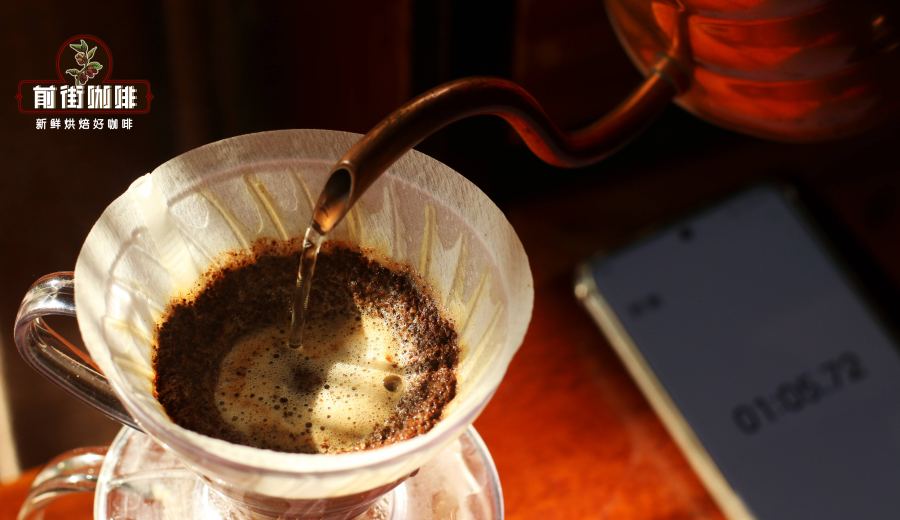
Introduction:The grind size of coffee is a key factor that influences extraction efficiency and flavor expression. This article delves into five common grind levels—extra fine, fine, medium-fine, medium, and coarse—explaining which brewing methods they are suited for, such as pour over, French press, siphon, and espresso. It also explores how grind size affects flow rate, extraction time, and flavor. With practical parameters and examples, it helps you find the grind settings best suited to your taste.
The grind size of coffee is an important variable that determines the flavor profile of a cup. Whether you’re a beginner just starting with pour over or an enthusiast familiar with various brewing devices, understanding how different grind sizes affect extraction allows you to more precisely adjust to achieve your ideal flavor. This article will detail five common grind levels—from extra fine to coarse—and their correspondence to different brewing methods such as espresso, drip bags, pour over, siphon, and French press. It provides practical parameter suggestions and flavor observations to help you adjust the grind size appropriately based on bean characteristics and equipment type.
Grind size directly affects the speed and resistance of water passing through the coffee bed, which in turn alters extraction time and the proportion of soluble substances released from the coffee. The finer the grind, the denser the coffee particles are packed together, increasing water resistance and extending extraction time. This helps release richer flavor compounds, but over-grinding can lead to over-extraction, resulting in woody or harsh bitter notes. Conversely, the coarser the grind, the larger the gaps between particles, allowing water to flow more smoothly and shortening extraction time. The resulting coffee tends to be lighter in flavor, but if too coarse, it can lead to under-extraction, resulting in a thin and dull cup.
Generally, coffee grinds can be divided into five main categories: extra fine, fine, medium-fine, medium, and coarse. Each grind size is suited to specific brewing devices and flavor profiles. Below, we’ll explain each one in detail.
1. Extra Fine: Designed for Espresso and Moka Pot
Extra fine grind is similar in texture to powdered sugar or even finer. It is designed for high-pressure brewing devices such as espresso machines and moka pots. When making espresso, the coffee bed needs to be compacted under high pressure to withstand the high temperature and pressure of the water, extracting a rich and balanced shot. If the grind is not fine enough, the coffee puck won’t effectively resist the water flow, leading to channeling and affecting extraction uniformity.
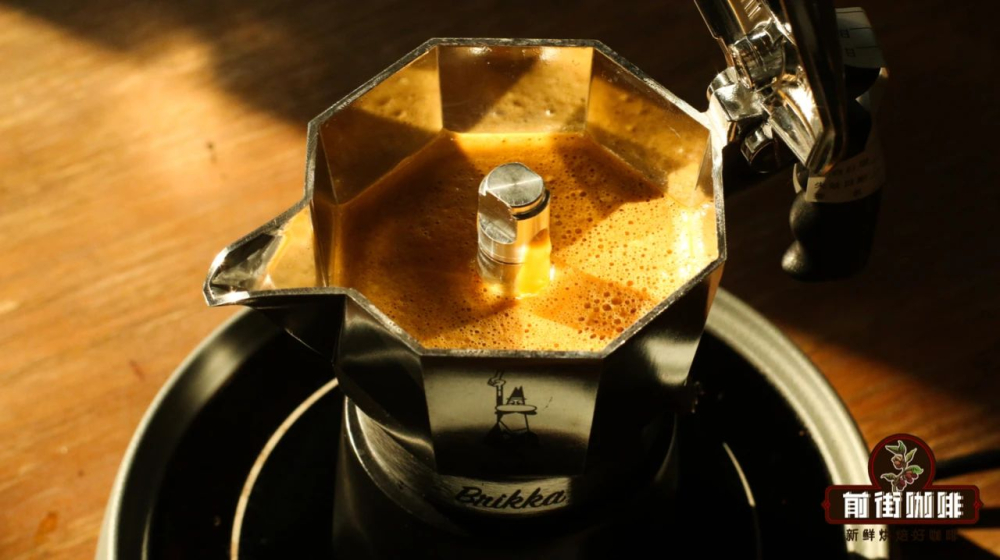
The moka pot also works well with extra fine grind, but since its pressure is less stable than that of an espresso machine, over-grinding can lead to over-extraction, burnt bitterness, and even clog the steam valve, posing safety risks. Therefore, it’s recommended to fine-tune the grind according to the device’s characteristics, aiming for crema while balancing flow rate and flavor.
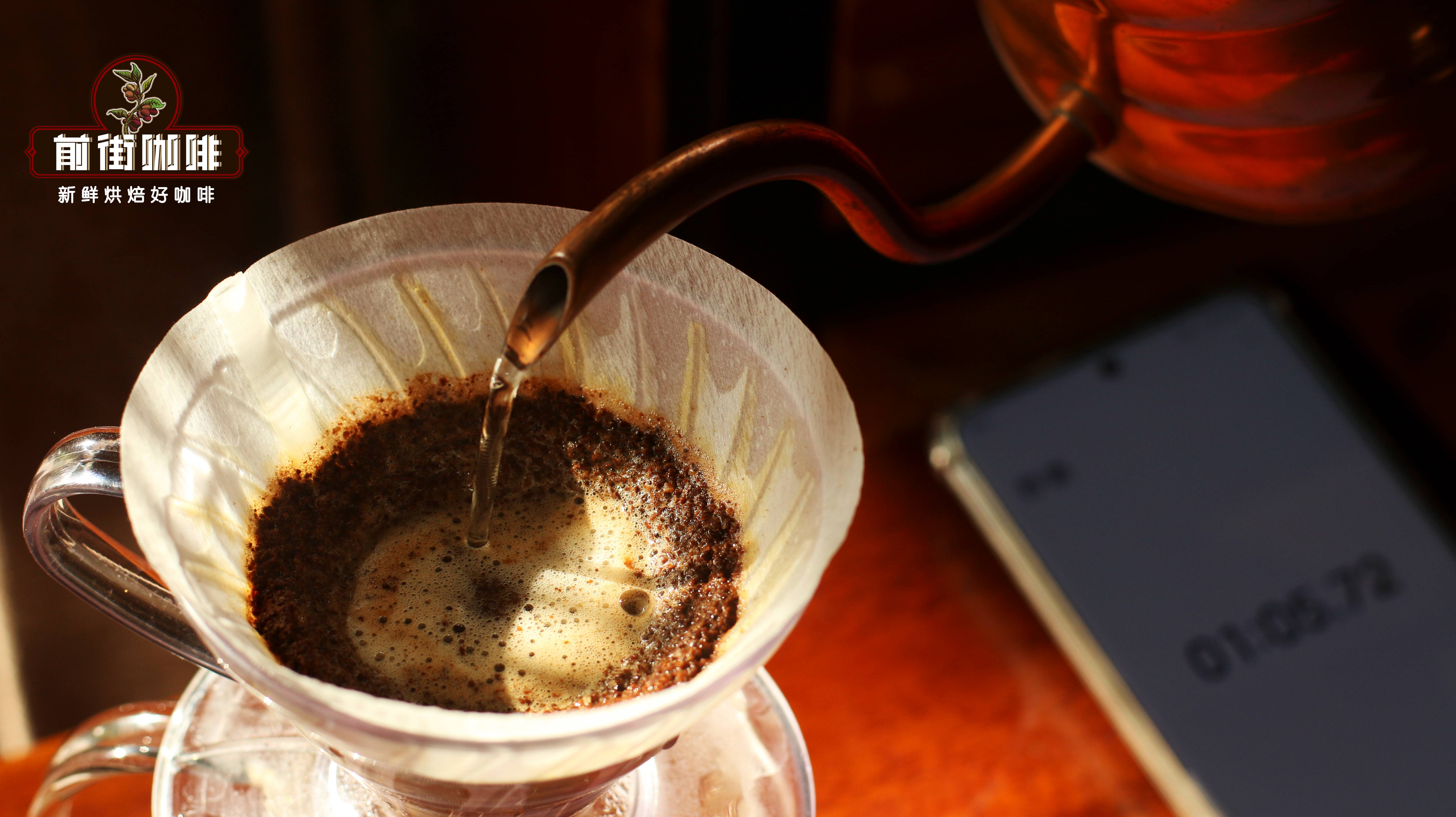
2. Fine: Suitable for Drip Bags, Recommended for Blooming
Although drip bags are convenient, their paper filter structure results in a relatively fast flow rate. Using a fine grind extends the contact time between water and coffee, improving extraction yield. Many people mistakenly believe drip bags should use medium or coarse grinds. In fact, if you want a more complete flavor profile, blooming is recommended.
Experiments show that drip bags that undergo blooming—whether drip or immersion style—can exhibit richer fruit acidity, sweetness, and aroma layers. Even without blooming, different pouring techniques can still adjust extraction to some extent. But to fully unlock the coffee’s potential, taking the time to bloom is a wiser choice.
3. Medium-Fine: First Choice for Light Roast Pour Over
Medium-fine grind is similar in texture to the fine sugar commonly found in supermarkets and is the preferred range for most pour over enthusiasts, especially for light roast coffee beans. These beans typically have bright flavors and vibrant acidity, and medium-fine grinding helps bring out their fruity, floral, and subtle fermented aromas.
Take Panama Geisha from Boquete as an example. Using a V60 filter, 90°C water temperature, and a 1:15 brew ratio, along with a grind fineness of 80% through a Chinese No. 20 sieve, you can extract complex flavors of tropical fruit, honey, and cocoa, with a smooth mouthfeel and distinct layers.
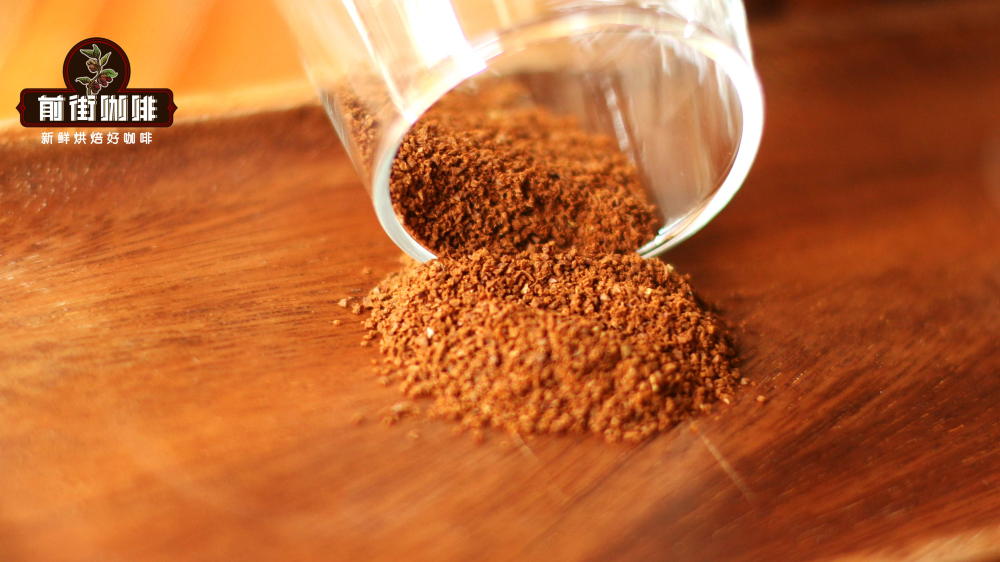
4. Medium: Balanced Choice for Medium Roast
Medium grind is similar in texture to coarse sugar and suits medium-roasted beans, which usually have a balanced acidity and sweetness with nutty and caramel notes. Beginners are advised to start practicing pour over with medium grind because it offers a higher margin for error in water flow control, reducing the risk of significant impact from over- or under-extraction.
Take Brazil Huang Bourbon from Queen Estate as an example. Using a KONO filter, 88°C water temperature, and a 1:15 brew ratio with a medium grind, it showcases noticeable sweetness, lemon aroma, and a rich nutty finish. The overall profile is rounded and easy to drink.
5. Coarse: Ideal for French Press and Siphon
Coarse grind falls between coarse sugar and brown sugar in texture, suitable for use in French press and siphon pots under high water temperature conditions. These brewing methods involve longer steeping times, and if the grind is too fine, it can easily lead to over-extraction and bitterness. Coarse grind ensures even extraction without going overboard, making it ideal for highlighting the chocolatey, caramel, and malty aromas of medium to dark roasts.
For example, Indonesian Golden Mandheling, using a KONO filter, 88°C water temperature, and a 1:15 brew ratio, through a step extraction method, can present a full-bodied, clean flavor with woody and malty notes, a long-lasting finish, and multi-layered complexity.
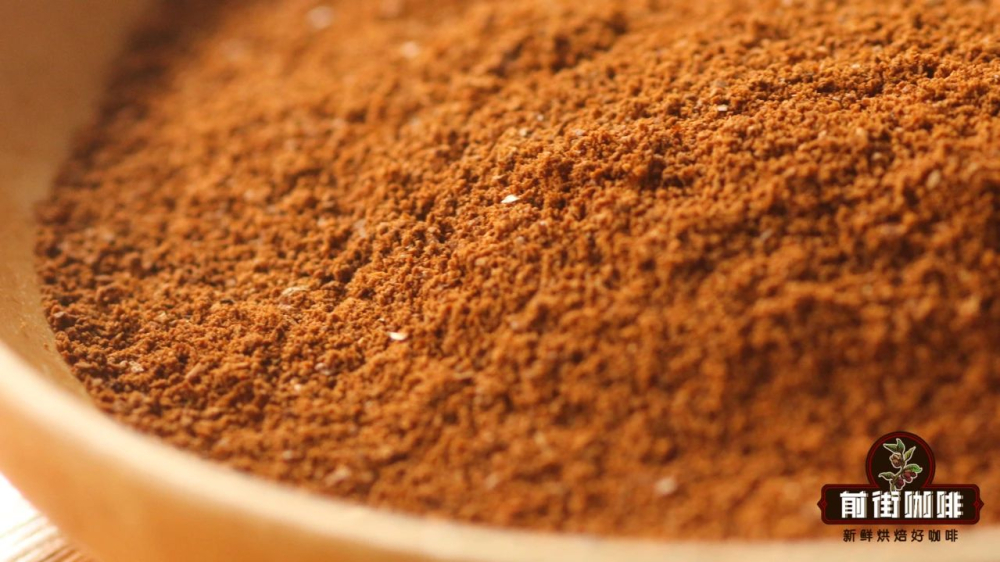

Finally, note that the scale markings on different grinders are not universal. Even for the same model, differences in burr wear or calibration can result in varying grind sizes at the same setting. Therefore, it’s advisable not to rely too heavily on numerical settings, but rather to observe the actual particle size and adjust brewing parameters to find the grind settings best suited to your taste. Additionally, particle uniformity is crucial—too many extremely coarse or fine particles can affect overall extraction performance and flavor balance.
The above content is compiled by CoffeeHunters, a coffee news website.


