







Introduction:Grind size is a key variable that affects the extraction efficiency of coffee and the release of its flavors. Different brewing methods such as pour over, French press, or espresso machines all require specific grind adjustments. This article delves into the relationship between grind size and extraction time, flavor performance, provides practical reference parameters, and explains how to adjust grind settings based on the roast level and hardness of the beans — helping you master the extraction balance of every cup of coffee.
During the coffee brewing process, grind size is one of the most critical factors influencing the final flavor. The particle size of ground coffee determines the contact surface area between hot water and coffee grounds, thereby affecting extraction rate and speed. When the grind is finer, the contact surface increases, and the resistance to water flow rises, which not only extends the extraction time but can also easily increase the overall extraction rate. If not handled properly, this can lead to over-extracted bitterness. Conversely, if the grind is too coarse, there's insufficient contact between coffee and water, resulting in under-extraction, thin flavors, and difficulty in aroma release.
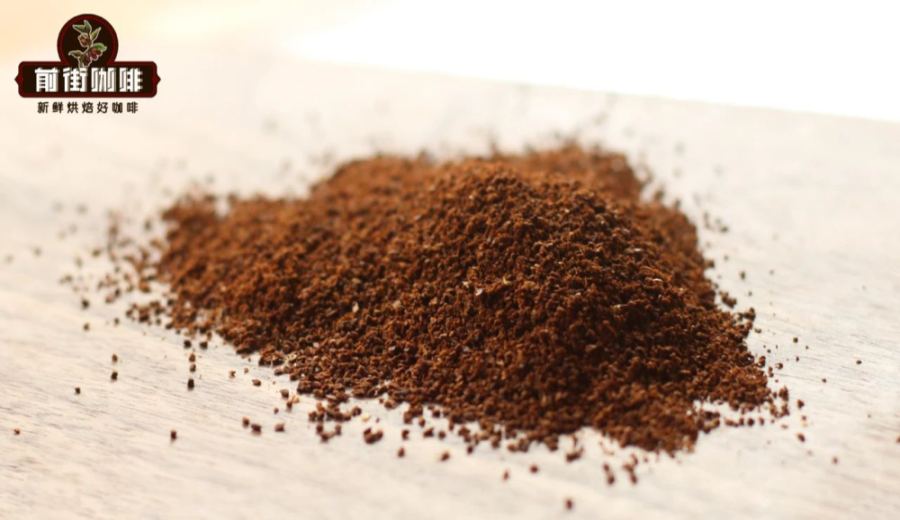
Different brewing methods have vastly different grind requirements. For example, a Turkish coffee pot requires extremely fine coffee powder, as fine as flour; whereas a French press prefers coarser grounds, close to the texture of sea salt. Pour over and siphon brewing fall in between, considered medium grind, with a feel similar to fine sugar. Understanding these differences is the foundation for achieving ideal extraction.
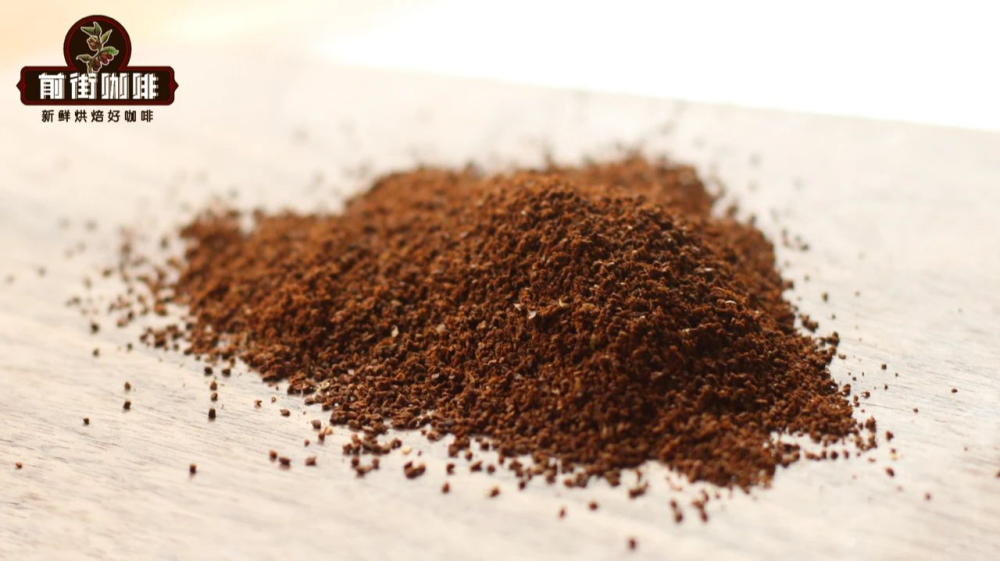
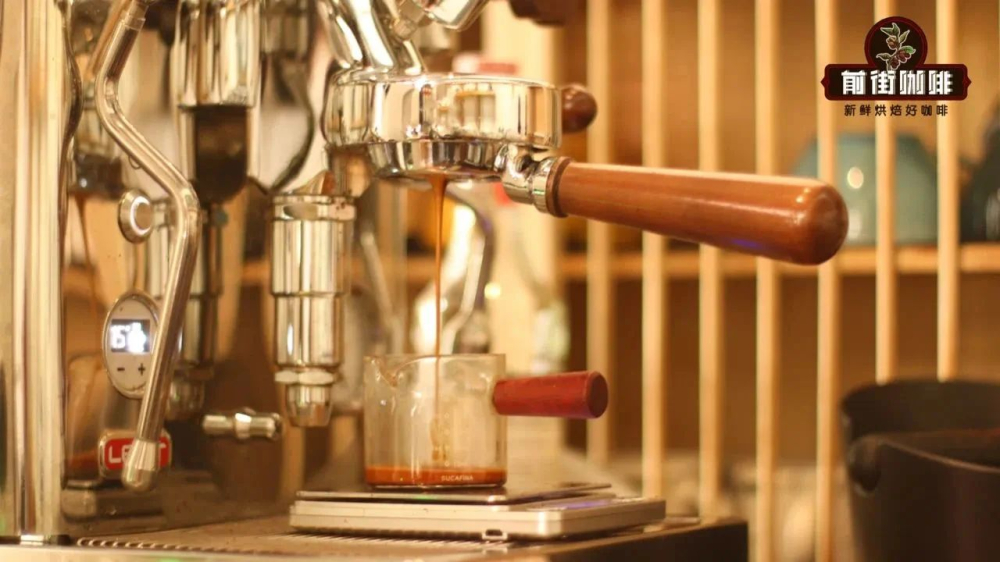
For espresso, the precision of grind is especially important. Since espresso machines use high-pressure hot water for extraction, the coffee grounds need to be compressed into a compact puck to withstand the high pressure. In this case, uneven or improperly sized grinds will directly impact extraction pressure and flow rate. Too fine a grind may result in slow flow, highlighting over-extracted flavors; too coarse leads to fast water flow, under-extraction, and a lack of complexity. Therefore, espresso demands much higher requirements for grind uniformity and scale accuracy than other brewing methods.
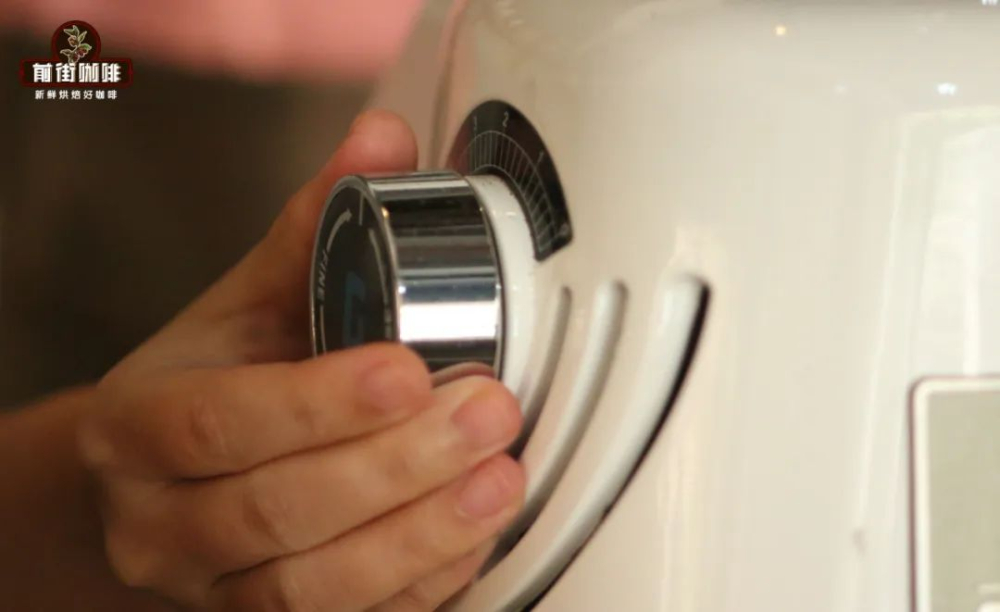
Taking common home grinders as an example, such as models with multiple grind settings, adjustments need to be made very carefully. Even seemingly minor changes in grind setting — for instance, from setting 2 to 1.9 — may not be visibly obvious, but in actual brewing, they can significantly affect flow rate and flavor. For example, using 20 grams of coffee to brew 40 grams of liquid, a mere 0.1 difference in grind setting could shorten the extraction time from 32 seconds to 29 seconds, greatly altering extraction rate and taste balance.
The roast level of coffee beans is also an important basis for adjusting grind size. Generally speaking, light roasted beans have a more intact fiber structure and are harder in texture, requiring a finer grind to enhance extraction, but care must be taken to avoid over-extraction that leads to sharp acidity. Dark roasted beans, due to greater heat damage to their fibers, are more brittle and suitable for slightly coarser grinds to prevent over-extraction that can bring out excessive burnt or bitter notes. Therefore, adjusting grind size according to the roast depth of the beans is a necessary step toward ideal extraction.
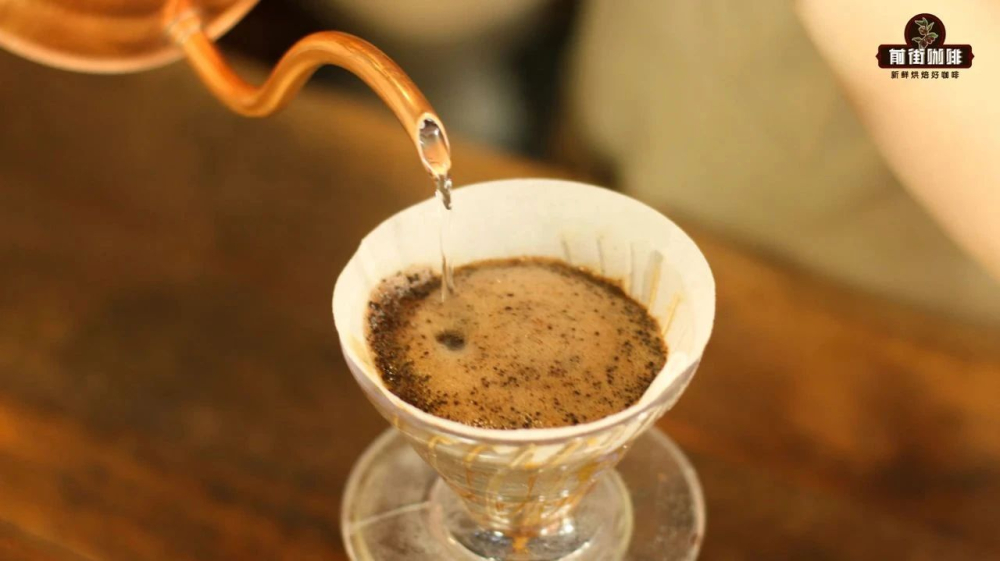
The recommended grind sizes from finest to coarsest for different brewing methods are: Turkish coffee pot, espresso machine, moka pot, pour over, siphon, French press. Among them, the Turkish coffee pot and espresso machine require the finest grinds, close to the texture of flour, with particle diameters of about 200 micrometers; pour over and siphon are medium grinds, with a feel similar to fine sand, particle diameters around 600 micrometers; the French press is the coarsest, with a particle feel close to sea salt, diameters about 850 micrometers.
According to data from the European Specialty Coffee Association, the grind size for French press roughly breaks down each coffee bean into 100 to 300 particles, with diameters around 0.7 millimeters; electric drip machines are medium grind, with each bean producing 500 to 800 particles, diameters about 0.5 millimeters; the medium grind for pour over and siphon produces 1000 to 3000 particles per bean, diameters around 0.35 millimeters; espresso’s fine grind produces about 3500 particles per bean, with diameters of only about 0.05 millimeters; while Turkish coffee requires extremely fine grinding, breaking each bean into 15000 to 35000 particles, nearly flour-like.
The core principle of adjusting grind size is: under the same extraction rate conditions, the finer the grind, the shorter the extraction time required; the coarser the grind, the longer the time needed. This principle is related to physical contact surface area — finer particles increase the contact between water and coffee, accelerating flavor release. However, overly pursuing a fine grind may cause channeling or over-extraction, so it’s recommended to find the optimal balance through practical testing and tasting.
To set a grind size that suits you, it’s advised to start with the grinder’s factory default settings, then fine-tune according to the actual characteristics of the coffee beans you’re using. Grind scale markings can vary between different grinder brands, so it’s not advisable to directly apply others’ parameters. Beginners are encouraged to first record the current grind setting, brew ratio, water temperature, and extraction time, then gradually adjust and observe flavor changes to develop an intuitive sense for grind and extraction.
Finally, the daily maintenance of your grinder should not be overlooked. The burrs are consumable parts; long-term use can lead to uneven grinding due to oil buildup or leftover coffee dust. It’s recommended to regularly disassemble and clean them, and replace the burrs according to usage frequency. If you notice inconsistent grind sizes or a mix of obviously large particles and fine powder, it’s likely a sign that the burr sharpness has declined — timely maintenance is essential to ensure stable performance in every brew.
The above content is compiled by CoffeeHunters, a coffee news website.


