







Category: Coffee Knowledge
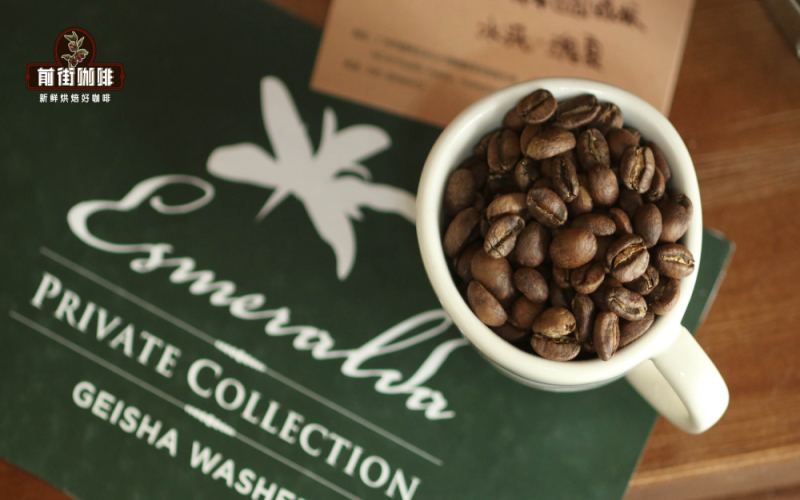
Panama Geisha Pour Over Guide: Features of the Boquete Region, Iced Brewing Methods, and Green Label Flavor Analysis
The Boquete region in Panama, with its volcanic soil and microclimates, produces world-renowned Geisha coffee. This article delves into the terroir characteristics of the region, helping you understand the dry and wet aroma profiles of Boquete Geisha. It also provides practical V60 pour over parameters and steps. Additionally, it focuses on the Geisha grading system at La Esmeralda Estate, analyzing the cupping flavors and layered complexity of the Green Label washed Geisha, to help you master brewing techniques and tasting highlights—whether hot or prepared as an iced drip, you can savor its delicate fruit and floral notes. [more…]

Pour Over Coffee Bean Buying Guide: Flavors from African to Central & South American Origins and Recommended Entry-Level Single Origins
When beginners are selecting pour over coffee beans, they are often overwhelmed by the rich diversity of origins and varieties. In fact, by understanding the typical flavor characteristics of the three major coffee-producing regions—Africa, Central and South America, and Asia—you can quickly clarify your own taste preferences. This article details the characteristics of representative pour over coffee beans from each region, including Yirgacheffe, Kenyan "little tomatoes," Mandheling, Huila, and Brazilian Red Bourbon, and provides practical brewing tips to help you explore the world of single origin coffee step by step, starting with entry-level options. [more…]
Pour Over Single-Origin Coffee Bean Flavor Classification: Seven Categories for Bean Selection Reference
The charm of pour over coffee lies in its ability to clearly showcase the unique flavors of single-origin beans. However, with hundreds of beans on the market differing in origin and processing methods, beginners often don’t know where to start. This article categorizes popular pour over single-origin beans into seven flavor profiles based on their flavor characteristics, including fruity, floral, fermented, sweet, balanced, full-bodied, and nutty-chocolatey tones. It also provides detailed analyses of classic beans such as Yirgacheffe, Geisha, Costa Rican honey-processed, Blue Mountain, Mandheling, and Brazilian Queen Estate, along with information about their producing regions. [more…]
How to determine the pour over coffee powder-to-water ratio? What’s the most balanced amount of water to use with 15 grams of coffee?
The charm of pour over coffee lies in its ability to highlight different flavor layers by adjusting the powder-to-water ratio. Mastering the right ratio not only controls the strength but also affects extraction efficiency and overall taste. This article delves into the principles and practical applications of powder-to-water ratios, and introduces useful tips and parameter settings for three-stage pouring techniques. Whether you're a beginner or an advanced enthusiast, you can find your ideal extraction balance. [more…]
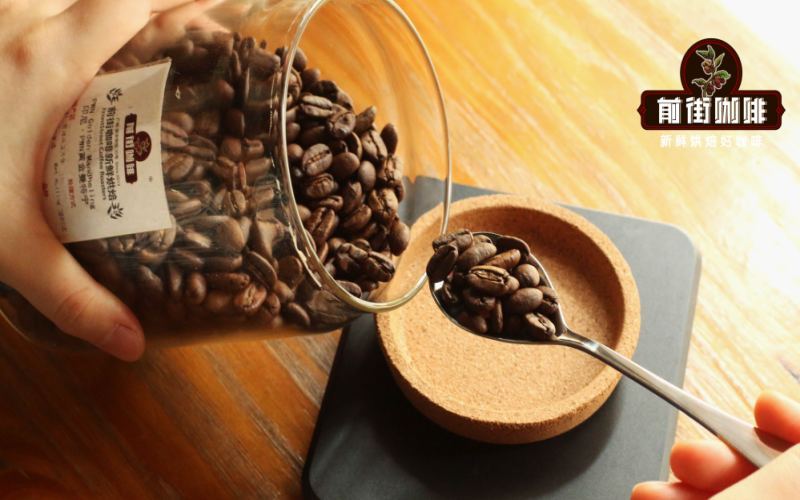
How to Store Coffee Beans? Master the 3 Key Factors of Degradation and Optimal Storage Tips
The flavor performance of coffee beans is closely related to their freshness, and how they are stored is key to maintaining that freshness. This article delves into the three major enemies that affect the flavor of coffee beans—light, moisture, and oxygen—and compares the practical effectiveness of different packaging types such as one-way valve bags and vacuum canisters. It also provides clear and easy-to-understand advice on common questions like whether to refrigerate, the difference between best-by date and shelf life, helping you effectively extend the optimal drinking period of your coffee beans. [more…]
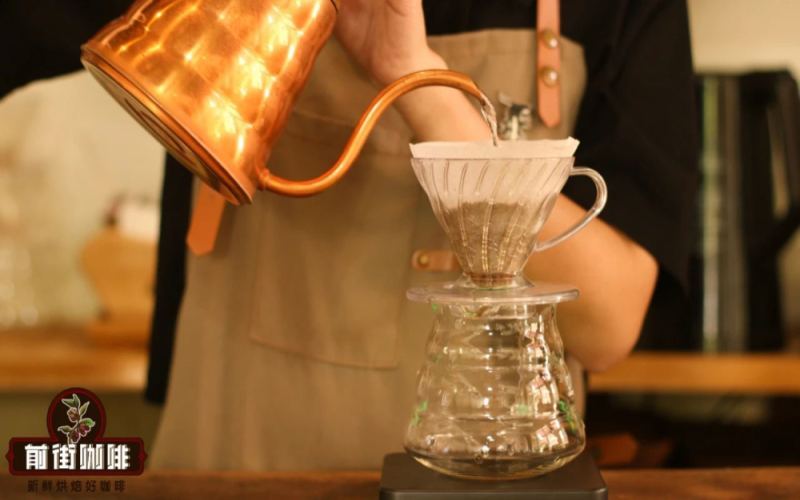
Pour Over Coffee Beginner’s Guide: Detailed Explanation of Coffee Dosage, Coffee-to-Water Ratio, and Seven Key Parameters
Pour over coffee may seem simple, but it involves many subtle details that affect flavor. From calculating coffee dosage, selecting the coffee-to-water ratio, to precisely controlling grind size, water temperature, and extraction time—each step determines the final quality of your cup. This article systematically analyzes the core parameters of pour over brewing, provides the scientific basis for the golden ratio of 1:15, and delves into the seven key factors that influence extraction, helping you consistently brew clean and layered coffee. [more…]
Panama Green Tip Geisha Deep Dive: From BOP Champion to Deborah Savic Series Pour Over Guide
An in-depth exploration of the varietal origins of Panama Green Tip Geisha and the high-altitude terroir advantages of Volcán, focusing on the unique processing methods and flavor profiles of the renowned Savic series from a well-known estate. From BOP championship history to tested pour over parameters, this guide provides a complete extraction plan with medium-fine grind and 92°C water temperature, helping you master the brewing techniques for this auction-grade Geisha. [more…]
Analysis of the Single-Cup Price of Panamanian Geisha | A Complete Guide to the Deborah Savic Anaerobic Natural Flavor & Processing
Panamanian Geisha has long topped the list of specialty coffee prices, and the Savic series from the Deborah Estate is particularly renowned for its anaerobic natural sun-dried processing. With such a high single-cup price, what kind of charm does this coffee actually hold? This article starts with the origin of the Geisha variety, analyzes the advantages of high-altitude cultivation, delves into the processing techniques of Deborah Savic, and provides practical pour over parameters to help you fully grasp the flavor essence and value of this top-tier Geisha. [more…]

Pour Over Latte Art Beginner's Guide: Complete Mastery of Milk Foam Temperature Control and Pouring Techniques
Having trouble with blurry patterns or uneven blending when learning latte art? This guide delves into the aeration and texturing stages of milk frothing, key details in pouring techniques, and control of posture and angle when creating designs—helping both beginners and advanced learners master the skills to consistently pour exquisite patterns. Make every cup of coffee a showcase of professional-grade visuals and flavor. [more…]
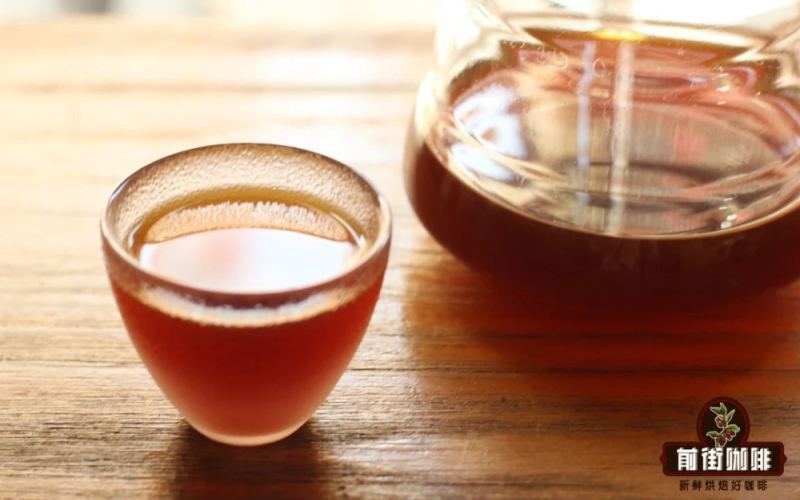
A Complete Guide to Colombia’s Five Premier Coffee Regions: Pour Over Parameters & Flavor Profiles
Dive deep into five key regions of Colombia—Medellín, Santander, Huila, Cauca, and Nariño—to explore the unique coffee varieties, processing methods, and flavor profiles of each. This guide offers detailed pour over recommendations and roasting parameters to help coffee enthusiasts master the optimal brewing methods for each bean. From altitude and climate to bean variety, it provides a comprehensive breakdown of the regional flavors of Colombia’s specialty coffees. [more…]
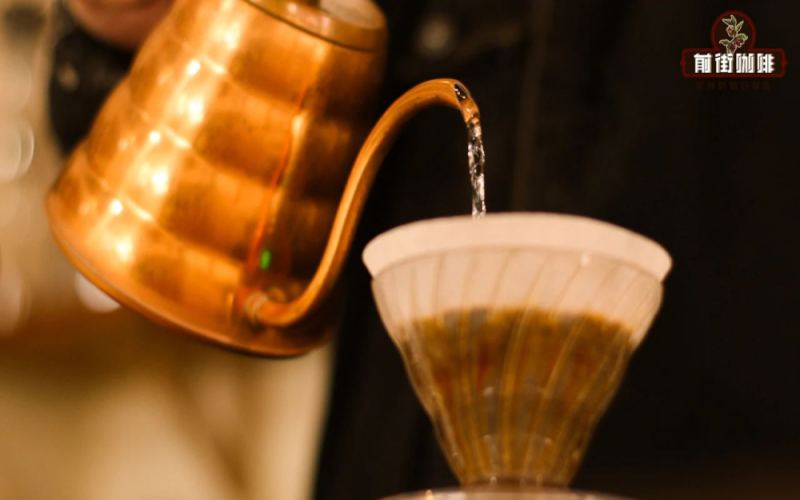
How to Brew Medium-Dark Roast Coffee with Pour Over? Master Key Techniques of Water Temperature, Grind Size, and the Kono Dripper
Medium-dark roasted coffee beans are often misunderstood as not suitable for pour over brewing. In fact, by adjusting the right parameters, they can also showcase a rich and layered flavor profile. This article delves into the characteristics of medium-dark roast beans, analyzing in depth the ideal grind size, water temperature range, and coffee-to-water ratio. It also details the advantages and operational specifics of using the Kono dripper, along with a three-stage pour over method, to teach you how to consistently brew a great cup of coffee that balances sweetness and body. [more…]
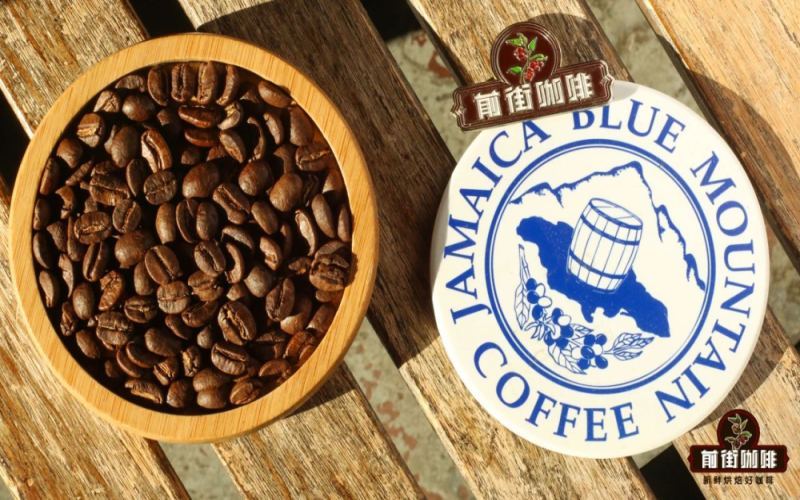
In-depth Analysis of Jamaican Blue Mountain No.1 Beans: Origin, Flavor, Authenticity, and Pour Over Guide
Jamaican Blue Mountain coffee enjoys global renown, but the genuine beans grown in the high-altitude regions of the Blue Mountains are exceedingly rare. This article explores the terroir, varietal characteristics, and flavor differences between washed and natural processing methods, guiding you through the history and government-regulated system of Blue Mountain coffee. It also details the key criteria for identifying authenticity and understanding grade classifications. Additionally, it offers expert pour over recommendations and tested extraction parameters to help you fully appreciate the charm of this premium coffee. [more…]
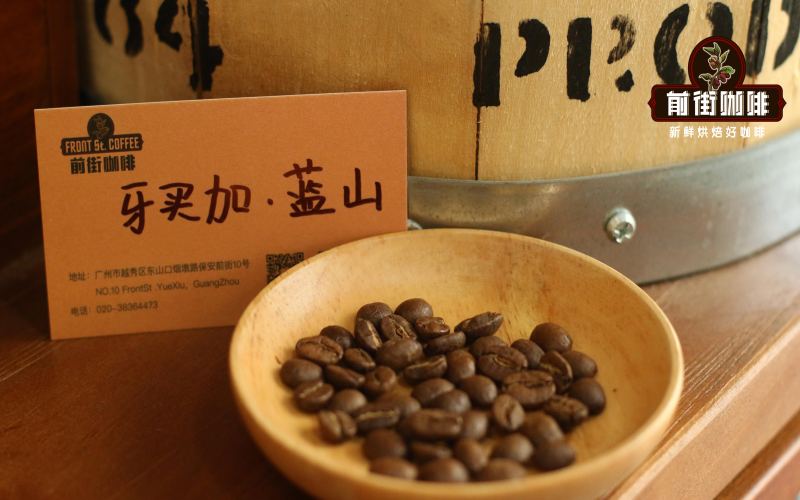
The Ultimate Guide to Jamaican Blue Mountain No. 1 Coffee: Flavor, Brewing, Price, and How to Identify It
Renowned as the “King of Coffees” for its rich and well-balanced flavor, Jamaican Blue Mountain No. 1 coffee is, however, surrounded by counterfeits and confusion in the market. This article delves into the origin, growing environment, grading system, meticulous processing methods, and the reasons behind its high price of Blue Mountain No. 1. It also provides expert recommendations on water temperature, grind size, and pour over parameters to help you identify authenticity and brew the most authentic Blue Mountain flavor. [more…]
Complete Guide to Indonesian Mandheling Coffee: Flavors of the Lintong Region, Wet-Hulling Process, and Pour Over Parameters
Is Mandheling a coffee variety or a place name? Why is Mandheling from Sumatra's Lintong region often considered an ideal entry-level daily drinker bean? This article delves into the origin of the name "Mandheling," explores the cultivation environment of Sumatra, highlights the unique flavor characteristics of the Lintong region, and details how the wet-hulling process shapes its bold and rich taste. It also provides practical recommendations for roasting and pour over parameters to help you fully understand this intensely flavored Indonesian Arabica coffee. [more…]
Is civet coffee considered black coffee? A complete guide to flavor profile and pour over brewing techniques
Civet coffee (also known as cat poop coffee or Kopi Luwak) is renowned for its unique animal-in-body fermentation process. It is known for its high price and scarce production. But is it actually classified as black coffee? Where does its acidity come from? How can you brew it properly with a pour over to bring out its rich body and herbal aroma? This article delves into its production principles and flavor characteristics, and provides professional-grade brewing parameters and practical tips. [more…]

Unveiling the Flavors of Indonesian Civet Coffee & Brewing Guide: From Wild Harvest to Extraction Parameters
Indonesian civet coffee, also known as "kopi luwak," is one of the most legendary specialty coffees in the world. With its unique fermentation process and rare origin, it has become a prized delicacy among coffee enthusiasts. This article delves into its background, flavor characteristics, and the reasons behind its market price, while also providing professional brewing recommendations and parameter settings to help you fully appreciate the charm of this exceptional coffee. [more…]
Differences Between Indonesian Kopi Luwak and the Yunnan Version | Flavor Analysis & Brewing Parameters
Indonesian kopi luwak, also known as civet coffee, was once renowned in the specialty coffee market for its rarity and unique processing method, often commanding high prices. But how do the origins, production processes, and flavor profiles of this legendary coffee compare to the more recently emerged Chinese Yunnan civet coffee? This article will delve into the history, processing characteristics, and actual flavors of Indonesian kopi luwak, compare it with the Yunnan version, and provide professional-grade roasting and pour-over parameters to help you gain a more comprehensive understanding of this special coffee. [more…]
Complete Guide to Kopi Luwak Civet Coffee: Is It Arabica? Understand Its Flavor & Brewing in One Go
Kopi Luwak, commonly known as civet coffee, is one of the most controversial and legendary coffees in the world. This coffee is not a specific variety but a rare bean processed through the unique fermentation in the digestive tract of civet cats. Is it actually Arabica? How does the processing method influence its flavor? And how should you brew it to highlight its characteristics? This article will delve into the variety background, processing principles, suitable brewing parameters, and typical flavor profiles of civet coffee, giving you a comprehensive understanding. [more…]
A Comprehensive Guide to Indonesian Civet Coffee: From History to Brewing, Flavor & Origin Analysis
Civet coffee, commonly known as "cat poop coffee," is one of the most expensive and talked-about coffees in the world, produced in tropical rainforest regions of Indonesia such as Sumatra. This article delves into its historical origins, the differences between wild and farmed varieties, regional characteristics, bean variety processing methods, and provides detailed pour over parameters along with flavor analysis to help you gain a deeper understanding of this controversial yet unique coffee category. [more…]
Demystifying Civet Coffee: A Complete Breakdown from Fermentation in the Palm Civet’s Digestive Tract to Pour Over Richness
Civet coffee (Kopi Luwak), with its unique production process and rare output, has long been one of the most talked-about and controversial coffees in the world. This article will delve into its formation principle, flavor characteristics, historical background, and offer practical pour over tips and extraction parameters to help you fully understand this intriguing coffee and learn how to enjoy it. [more…]