







Category: Coffee Knowledge
How to Drink Indonesian Civet Coffee? A Complete Guide to Fermentation Secrets, Flavor Profiles & Brewing Techniques
Indonesian civet coffee, commonly known as "kopi luwak," is famous for its unique origin and high price. But is this coffee more acidic or bitter? Can natural fermentation truly enhance its flavor? This article delves into the truth behind fermentation inside the civet's body, compares wild-harvested beans with those from captive animals, explains the rarity and market value of this coffee, and provides practical brewing parameters along with flavor descriptions to help you truly understand this legendary brew. [more…]

Kopi Luwak Flavor Analysis: The Science of Internal Fermentation, the Truth Behind the Price, and Pour Over Parameters
Kopi Luwak (civet coffee) holds a unique position in the specialty coffee world due to its special processing method and rarity. But what is its true value and flavor profile? This article delves into how the civet’s digestive process affects the coffee beans, unraveling the scientific principles behind internal fermentation, and detailing the reasons for its market pricing and actual taste. It also provides professional pour over parameters and flavor descriptions to help coffee enthusiasts understand whether it’s worth trying, while also recommending a variety of alternative beans for those with different taste preferences. [more…]
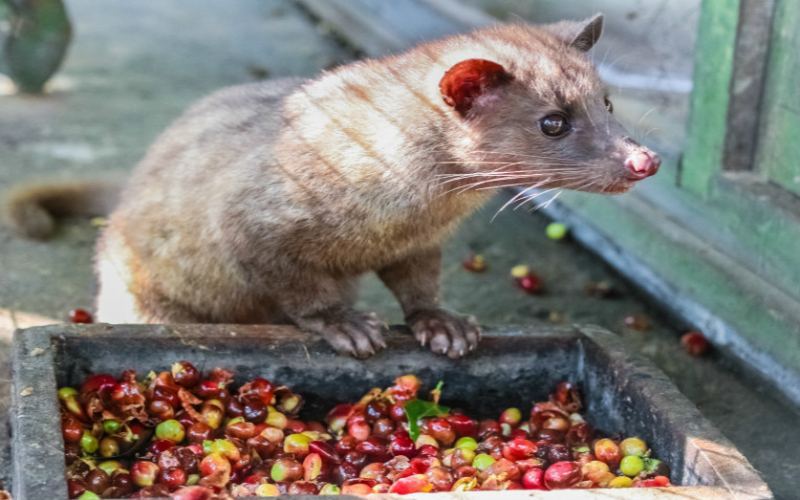
How to Drink Indonesian Civet Coffee? A Complete Guide to Flavor Profile & Pour Over Parameters
Kopi Luwak, or civet coffee, is one of the rarest coffees in the world, renowned for its unique fermentation process and rich flavor. This article provides an in-depth analysis of the origin of authentic civet coffee, its true flavor characteristics, how to identify counterfeit products on the market, along with professional pour over recommendations and extraction parameters to help coffee enthusiasts better understand the charm—and potential controversies—of this special coffee. [more…]
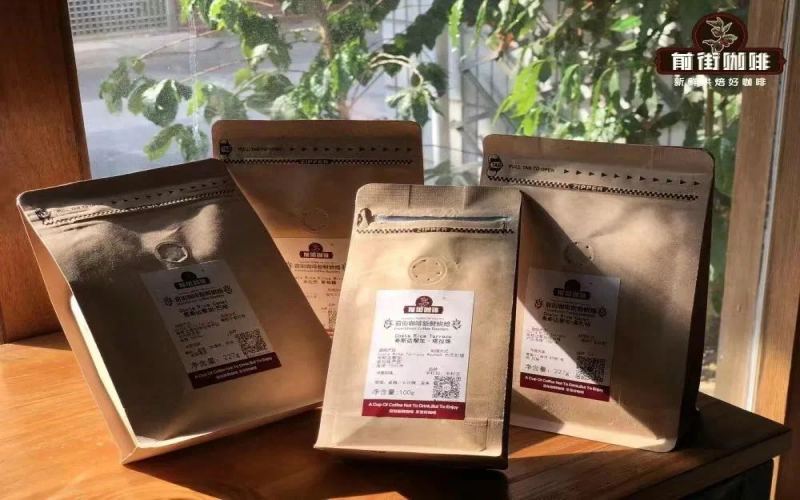
How long is the optimal flavor period for roasted coffee beans? A complete guide to storing and degassing single-origin beans
The flavor of coffee beans doesn’t last forever — even unopened, time will eventually affect brewing performance. This article dives deep into the difference between a coffee bean’s "shelf life" and "optimal flavor window," helping you understand the importance of degassing, the environmental conditions for storing single-origin beans, and how to extend their flavor lifespan after opening. Whether you're a pour over beginner or a seasoned coffee enthusiast, these practical tips will help you enjoy more aromatic and flavorful coffee. [more…]
What to do about uneven extraction in pour over coffee? A comprehensive guide to causes and parameter adjustments
Do you often encounter under-extracted sourness and thinness, or over-extracted bitterness and off-flavors in your pour over coffee? This guide delves into the principles of extraction, breaking down common issues step by step—from coffee beans, water temperature, grind size, pouring technique, to filter choice—and offers practical suggestions for adjustment to help you precisely control extraction parameters and consistently brew pour over coffee with clear layers and balanced flavors. [more…]
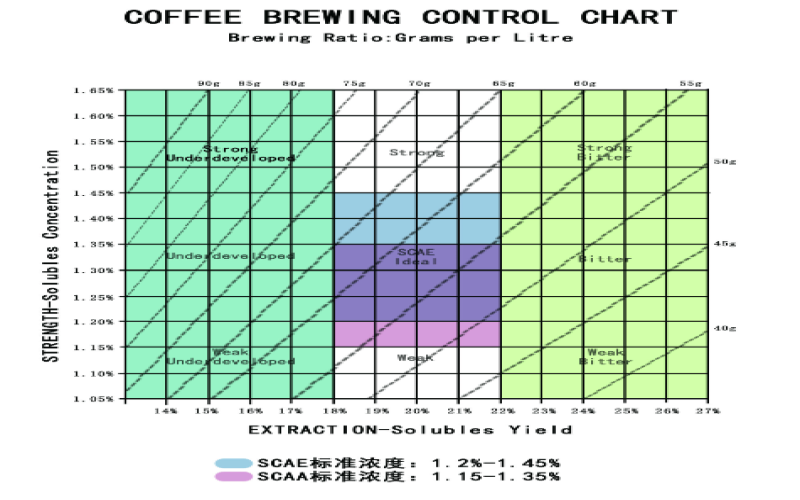
Pour Over Coffee Golden Cup Extraction Guide: How to Calculate Strength and Extraction Yield? Analysis of SCAA Standard Ranges
To brew a cup of pour over coffee with balanced flavors, understanding the Golden Cup extraction criteria is key. This article delves into the definitions and calculation methods of extraction yield and strength, and explains the reference ranges from both the Specialty Coffee Association of America and Europe. Through practical pour over examples, it takes you step-by-step through mastering the use of a strength meter and data analysis techniques to find your own ideal extraction balance point. [more…]
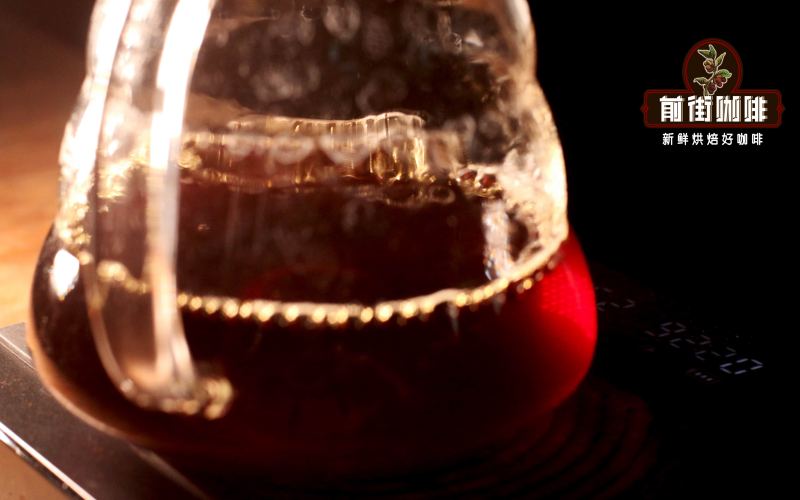
How to adjust the pour over coffee powder-to-water ratio? Master the Golden Cup standard and avoid over-extraction techniques
The flavor variations in pour over coffee often leave people puzzled, but the key actually lies in precisely controlling extraction yield and concentration. This article delves into the 18%~22% extraction yield and 1.15%~1.35% concentration range in the Golden Cup extraction theory, explaining the scientific basis behind a powder-to-water ratio of 1:12~1:15. Through practical examples, it demonstrates how to calculate extraction yield, adjust pouring parameters, and avoid over-extraction issues, helping you brew balanced pour over coffee at home. [more…]
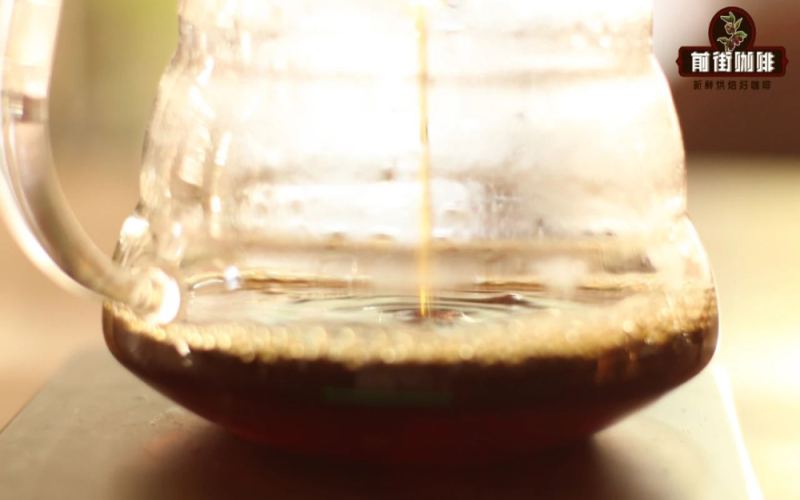
How to Adjust the Grind Size for Pour Over Coffee? A Complete Guide to Sieve Calibration and Extraction Issues
Even when following the correct steps at home, your pour over coffee might not taste as good as expected? This article dives deep into how to assess grind distribution using 0.85mm and 0.25mm sieves, provides reference values for ideal pass-through rates and extraction times for light roast beans, and lists six common causes—such as bitterness, off-flavors, and sourness—along with corresponding adjustment techniques, helping you precisely master grind size and brewing parameters. [more…]
How to Choose the Grind Size for Pour Over Coffee? A Complete Guide from Sieve Testing to Brewing Parameters
The flavor performance of pour over coffee largely depends on precise control of grind size. Grinding too fine can lead to over-extraction, resulting in bitterness and astringency; grinding too coarse may cause under-extraction, leading to flat flavors. This article will delve into the ideal grind range for pour over coffee, introduce the testing standards of 0.85mm and 20-mesh sieves, discuss different parameter settings for light-to-medium and medium-to-dark roasted beans, and provide practical brewing suggestions to help you consistently present the layers and flavors of your coffee. [more…]
Why is Geisha coffee so expensive? A complete breakdown from its variety origins to pour over parameters
Geisha coffee is renowned for its distinctive floral and fruity aromas, as well as its richly layered sweetness. However, its often sky-high price tag of several thousand yuan has left many curious about the reasons behind it. This article delves into the history of the Geisha variety, its cultivation conditions, the factors driving its price, and offers practical pour over tips and parameter recommendations to help coffee enthusiasts fully understand the allure and challenges of this top-tier bean. [more…]
A Comprehensive Guide to the Six Major Pour Over Techniques: From Single-Pour to Stirring Method – Master Flavor Profiles and Brewing Skills All in One Go
The charm of pour over coffee lies in how diverse brewing methods can bring out entirely different flavor profiles. This article takes an in-depth look at six classic pour over techniques — including single-pour, three-stage, 4-6 method, three-temperature, volcano pour, and stirring method. We break down everything from pouring rhythm and brew ratio settings to flavor characteristics, while also supplementing practical operation details and common pitfalls. Whether you're a beginner aiming to build a solid foundation or an advanced enthusiast seeking breakthroughs, you'll find key insights to elevate your extraction quality. [more…]
A Comprehensive Guide to Six Pour Over Coffee Techniques: Single-Pour, Three-Stage, 4-6 Method, and More – Flavor Comparisons and Practical Parameters
One of the charms of pour over coffee lies in how various brewing techniques can bring out distinctly different flavor profiles. This article provides an in-depth analysis of six classic pour over methods, including Single-Pour (一刀流), Three-Stage (三段式), 4-6 Method (四六法), Triple Temperature (三溫暖), Volcano Pour (火山衝), and Stirring Method (攪拌法). We break down each technique’s characteristics step by step—from the brewing principle and coffee-to-water ratio, to grind size adjustments and extraction time—and explain which types of coffee beans and brewing scenarios each method is best suited for, helping you find the approach that best highlights the potential of your beans. [more…]
Pour Over Coffee Beginner’s Guide: Master Perfect Extraction from Water Temperature to Technique
The charm of pour over coffee lies in its simplicity with subtle details, but replicating café-quality flavors at home isn’t easy. This guide will deeply analyze key parameters such as water temperature, grind size, and brew ratio, while introducing five common pour over techniques—including the three-pour method, Japanese drip, and one-pour style. It also provides specific adjustments for blooming degassing, pouring rhythm, and common extraction mistakes, helping you consistently brew coffee with clear layers and distinct flavors. [more…]

How to Make Cold Brew Coffee? A Bean Selection and Parameter Guide from Roast Level to Grind Size
Want to brew a cup of cold brew coffee with captivating flavors? It's not just about choosing the right beans—you also need to master the art of pairing roast levels with grind sizes. This article takes an in-depth look at how light, medium, and dark roasted coffees perform in cold brew, explains why a coarse grind is the go-to choice for cold brew, and recommends suitable beans for different flavor preferences to help you easily dial in the perfect iced drip or cold brew. [more…]

Beginner's Guide to Pour Over Coffee: 7 Keys to Mastering Stable Extraction from Water Quality to Pouring Technique
Pour over coffee may seem simple, but it hides many details that affect flavor. This article systematically analyzes the core elements of pour over brewing, including water quality selection, coffee bean freshness, filter cone and grind size pairing, water temperature control, blooming techniques, and pouring methods. With a special focus on the V60 three-stage extraction method, it provides specific parameters and operational suggestions to help beginners establish a stable brewing logic and gradually improve coffee quality. [more…]
Essential Guide for Pour Over Beginners: High-Value Single-Origin Beans & Bean Selection Tips
For those just stepping into the world of pour over coffee, choosing the right coffee beans is far more crucial than investing in high-end equipment. This article features a selection of high-value single-origin coffee beans from renowned global regions such as Brazil, Ethiopia, and Panama. It provides a detailed analysis of each bean’s flavor profile and recommended brewing methods, along with trusted roasting brands, to help readers easily find their ideal entry-level beans and enjoy the pure pleasure of pour over. [more…]
Analysis of Starbucks Blend Logic: How to Choose Espresso Beans? A Complete Guide to Roast Levels and Flavor Profiles
Want to understand how major chains like Starbucks maintain consistent flavors through their blends? This article delves into the design philosophy behind espresso blends, compares them with single-origin beans, and explains why light-roast pour over beans aren’t suitable for espresso. We also explore key extraction parameters for espresso—including water pressure, temperature, grind size, and brew time—to help you master the essentials of a balanced shot. [more…]
A Complete Guide to Coffee Bean Roasting: Differences Between Light, Medium, and Dark Roasts & Pour Over Recommendations for Yirgacheffe
Understand how coffee bean roasting affects flavor — from light to dark roast, each stage delivers a distinctly unique taste experience. This article delves into the Maillard and caramelization reactions, introduces the characteristics of eight roasting levels, and curates a selection of Yirgacheffe beans ideal for pour over brewing, complete with practical brewing parameters to help you master the key to flavor. [more…]
In-depth Analysis of Coffee Roasting: A Complete Guide to Flavor Profiles from Light to Dark Roast and the Roasting Parameters of Blue Mountain No. 1
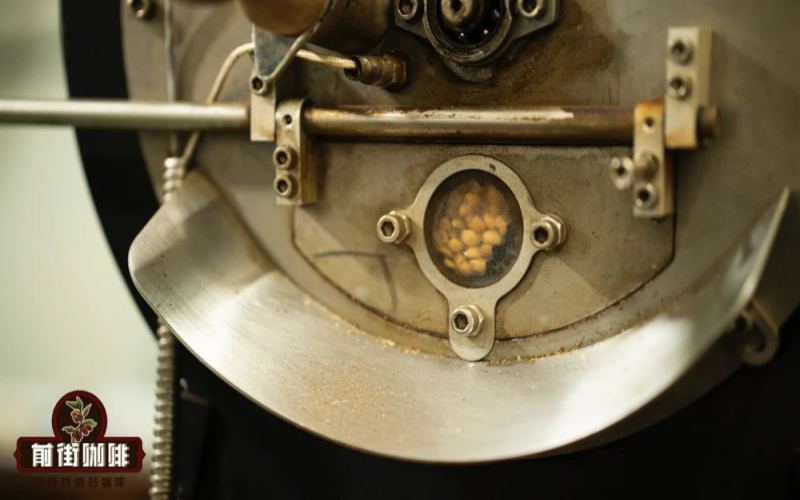
Understanding the roast level of coffee beans is key to mastering a great cup of coffee. This article provides an in-depth analysis of the roasting curves for light, medium, and medium-dark roasts—from bean loading and drying phases to first crack and second crack—along with the scientific assistance of Agtron color values for judgment. Using actual cupping data and parameters such as yellowing point and development time, it helps readers clearly identify how different roast levels affect flavor, and also provides roasting references for classic beans such as Blue Mountain No. 1. It’s a must-read for coffee enthusiasts. [more…]
How to choose between light, medium, and dark roasted coffee beans? Understand flavor differences and fat-burning potential all in one go
The roast level of coffee beans not only shapes their unique flavors but may also influence their potential to aid in fat loss. From bright and refreshing light roasts to rich and bold dark roasts, each roast level has its ideal growing regions and brewing methods. This article provides an in-depth analysis of the flavor characteristics of light, medium, and dark roasts, introduces classic representative beans, and explores the relationship between roast level and chlorogenic acid content, helping you make a smarter choice based on your drinking goals and taste preferences. [more…]