







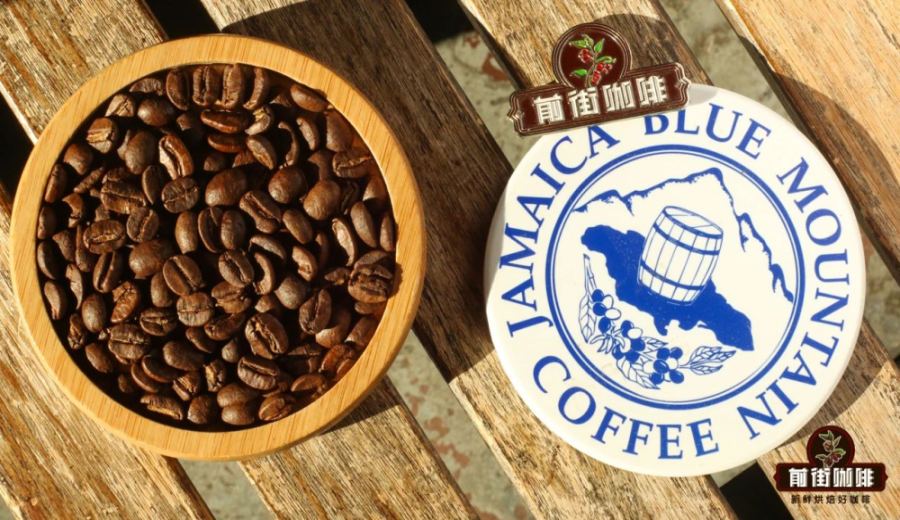
Introduction:Jamaica Blue Mountain coffee enjoys global renown, but authentic beans truly grown in the high-altitude regions of the Blue Mountains are exceedingly rare. This article delves into the growing environment, varietal characteristics, and flavor differences between washed and natural processing methods, guiding you through the history and government regulatory system of Blue Mountain coffee. It also explains the key criteria for identifying authenticity and the grade classifications. Additionally, professional pour over recommendations and tested extraction parameters are provided to help you fully appreciate the allure of this top-tier coffee.
Blue Mountain coffee is practically a legend in the coffee world—famous far and wide—but most products on the market labeled as “Blue Mountain” are merely flavored blends, vastly different from genuine beans grown at high elevations in Jamaica’s Blue Mountains. So what exactly qualifies as authentic Jamaica Blue Mountain No. 1 beans? What makes them the dream beans in the hearts of coffee enthusiasts? This article will provide a comprehensive analysis, covering everything from origin background, varietal features, processing differences, historical evolution, grading system, to how to authenticate and pour over suggestions—all in one go.
Origin and Varietal: The Perfect Combination of High Altitude and Typica
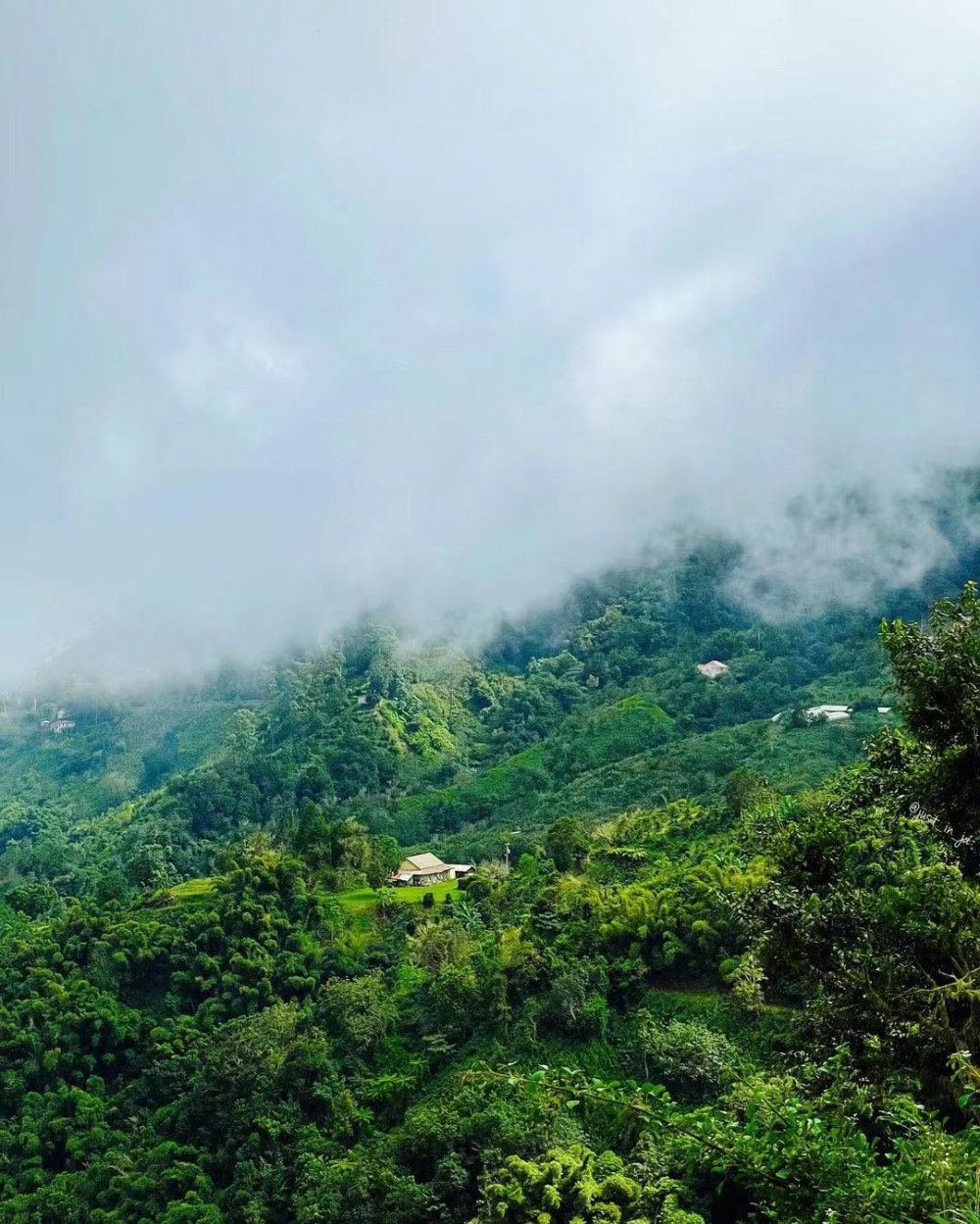
The selected Jamaica Blue Mountain No. 1 beans come from the Clifton Estate in the Blue Mountains of Jamaica, at an altitude of approximately1310 meters, representing a typical high-altitude cultivation environment. The area features a cool climate, year-round cloud cover, and mineral-rich volcanic soil, providing ideal growing conditions for the Typica variety. Although Typica has relatively low yields, it offers exceptional flavor purity, forming the foundation of Blue Mountain coffee’s classic taste profile.
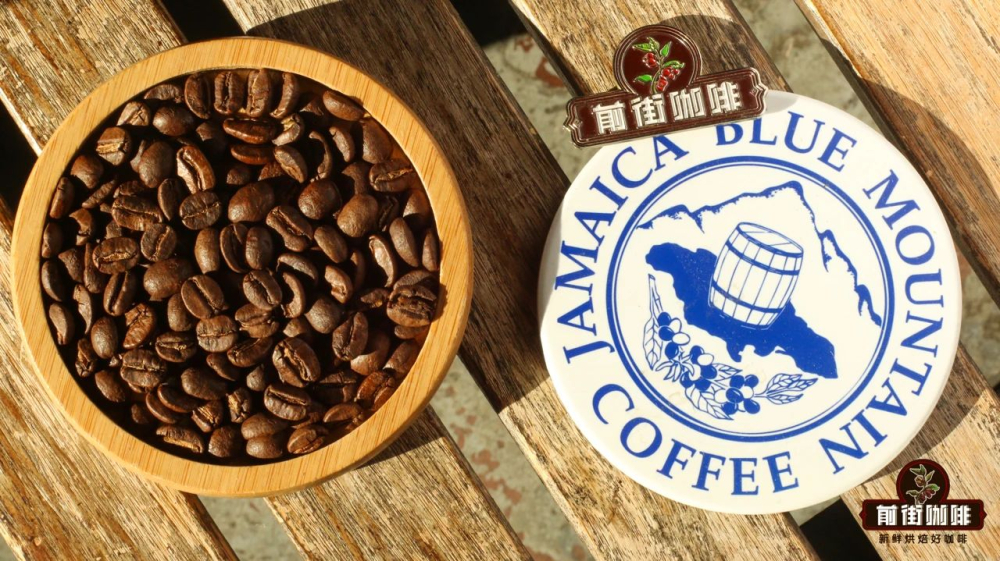
The Clifton Estate is also the only coffee plantation in Jamaica to have received “Rainforest Alliance Certification,” an accreditation issued by the Rainforest Alliance that requires farms to strictly adhere to multiple rigorous standards in environmental protection, sustainable management, and ecological diversity. Only those that pass can display the certification mark featuring a green frog. Therefore, if you see a Blue Mountain coffee barrel stamped with a green frog symbol, it most likely comes from this premium estate.
Washed and Natural: Flavor Profiles of the Two Processing Methods
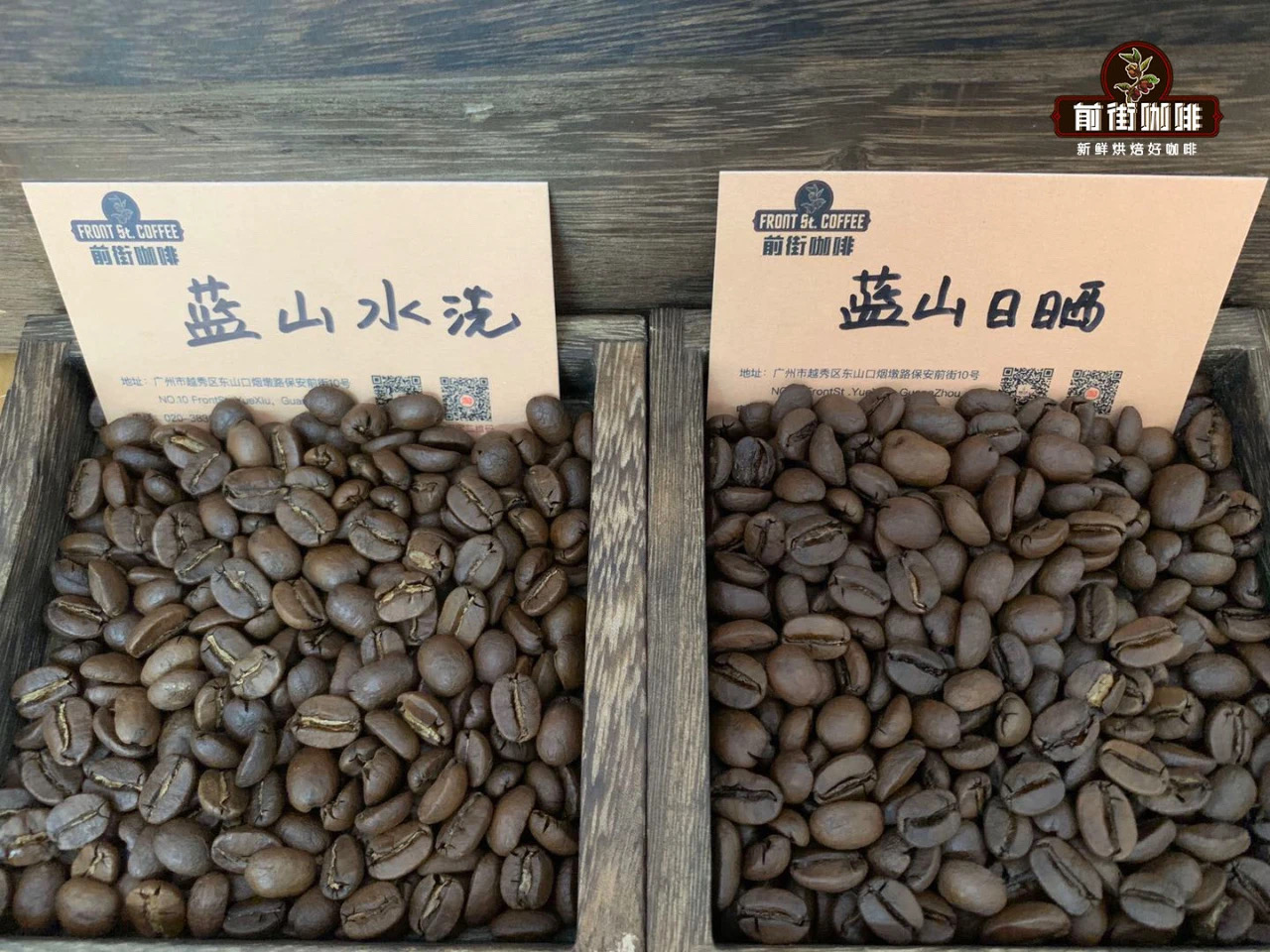
Traditionally, Blue Mountain coffee has almost exclusively been processed using the washed method, which more clearly highlights the terroir-driven characteristics of Blue Mountain coffee—such as clean, bright acidity and delicate sweetness. Washed Blue Mountain often presents a sweet note akin to brown sugar along with vibrant berry acidity, followed by nutty and cocoa undertones in the mid-to-late stages. The overall mouthfeel is silky smooth with distinct layers.
The natural processing method, on the other hand, has emerged in recent years to meet the diverse demands of the specialty coffee market. Although implementing natural processing at high altitudes in the Blue Mountains poses challenges, it can still yield unique flavor profiles—such as rich dark chocolate and nutty tones—with a full-bodied yet clean taste, well-balanced acidity, sweetness, and bitterness, and an overall very bright expression.
The History and Evolution of the Blue Mountain Region
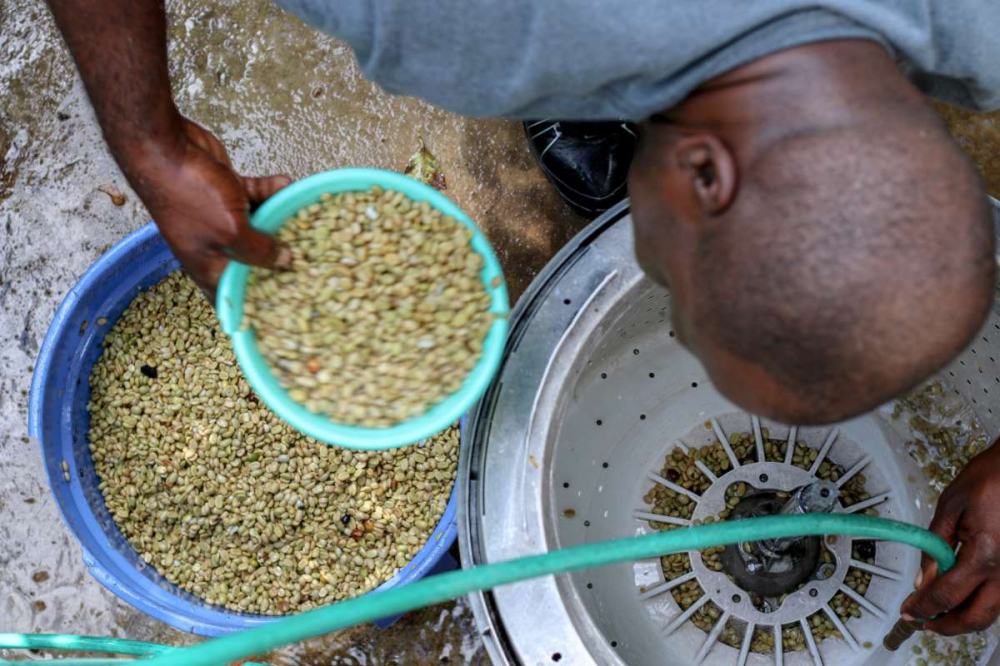
The history of Blue Mountain coffee dates back to the 18th century, when British colonists introduced the Typica variety to the Blue Mountain region of Jamaica. The area’s altitude, climate, and soil conditions contributed to the coffee’s exceptional quality, quickly making it a favorite among royalty and nobility. In the early 19th century, the number of Blue Mountain plantations once reached 686, with considerable export volumes.
However, following the abolition of the slave trade in 1807 and the full emancipation of slaves in 1838, a severe labor shortage led to a sharp decline in production. The plantation system gradually disintegrated, shifting to smallholder farming. But due to a lack of technology and management, quality deteriorated significantly. It wasn’t until 1944, when the Jamaican government established a central washing factory, and further set up the Coffee Industry Board in 1950, that the quality of Blue Mountain coffee gradually recovered.
In 1971, Jamaica signed an agreement with Japan to export 90% of its annual production to Japan, making the amount of Blue Mountain coffee available on the global market even scarcer. Today, the Jamaican government, through the Jamaica Coffee Industry Board (CIB), strictly controls the origin, grading, and export of Blue Mountain coffee to ensure its rare and high-quality positioning.
How to Identify Authentic Jamaica Blue Mountain No. 1 Coffee Beans?
Authentic Jamaica Blue Mountain coffee must be grown in specific areas of the Blue Mountains at elevationsabove 2200 feet (approximately 670 meters), and certified and graded by the government agency CIB. Currently, exported Blue Mountain coffee is divided into four grades: No. 1 to No. 3, as well as Peaberry (PB), with No. 1 being the highest grade. These beans are large in size, with a defect rate below 3%, and are widely recognized as top-tier quality in the market.
To confirm whether it’s truly Jamaica Blue Mountain No. 1, you can identify it through three key criteria:
- Possession of a quality certificate issued by the Jamaica Coffee Board (CIB)
- Authorization documents from a government-certified processing facility and exporter
- An origin certificate accompanying each batch of Blue Mountain coffee
Additionally, Blue Mountain coffee is one of the few regions that still ships green beans in wooden barrels—a key feature distinguishing it from other coffees packaged in jute sacks. The official certification marks commonly found on the barrels can also serve as supplementary indicators for verification.
The Grading System of Blue Mountain Coffee
Blue Mountain coffee is categorized into the following four main grades based on bean size, defect rate, and processing method:
- NO.1: 96% of beans screened at 17/18 mesh, defect rate ≤2%; the highest grade, and the most precious No. 1 Blue Mountain available on the market
- NO.2: Primarily screened at 16 mesh, defect rate ≤2%
- NO.3: Primarily screened at 15 mesh, defect rate ≤2%
- PB (Peaberry): Single round beans, screened at 10 mesh, defect rate ≤2%
Among these, No. 1 is considered the pinnacle of Blue Mountain coffee due to its rarity, balanced flavor, and consistent quality, and is accordingly priced higher.
Pour Over Recommendations and Tested Extraction Parameters
Testing recommends using the KONO filter cone for pour over brewing, as it effectively highlights the rich and rounded mouthfeel of Blue Mountain coffee while enhancing flavor layering. Although the KONO’s straight ribs provide slightly weaker ventilation, they extend the water-coffee contact time, aiding in extracting more soluble flavor compounds.
Basic parameters are as follows:
- Coffee dosage: 15 grams
- Coffee-to-water ratio: 1:15
- Brewing temperature: 88–89°C
- Grind size: Medium-coarse (approximately 75% passing through a #20 sieve)
Pour over steps:
- Start with a 30g bloom for 30 seconds
- Then pour water in small streams from the center outward in circles up to 100g (total 130g)
- When the coffee bed has descended halfway, switch to a larger stream and quickly pour 65g of water to reach a total of 195g
- Once all the coffee liquid has dripped through the filter cone, remove it. Total brew time is about 1 minute and 50 seconds
Flavor Profile Comparison:
The above content is compiled by CoffeeHunters, a coffee news website.


