







Introduction:Pour over coffee may seem simple, but it hides many details that influence flavor. From calculating the coffee dosage, selecting the coffee-to-water ratio, to precisely controlling grind size, water temperature, and extraction time—each step determines the final outcome of your cup. This article systematically analyzes the core parameters of pour over brewing, provides the scientific basis for the golden 1:15 ratio, and delves into the seven key factors affecting extraction to help you consistently brew clean, well-layered coffee.
For those just starting with pour over coffee, the most common questions are: "How much coffee powder should I use for one serving?" and "How do I adjust the coffee-to-water ratio so it’s not too strong or too weak?" These concerns all revolve around the ratio between coffee grounds and water. Through practical experience and scientific data, we can find a balance point that makes the pour over process more stable and the flavors more outstanding.
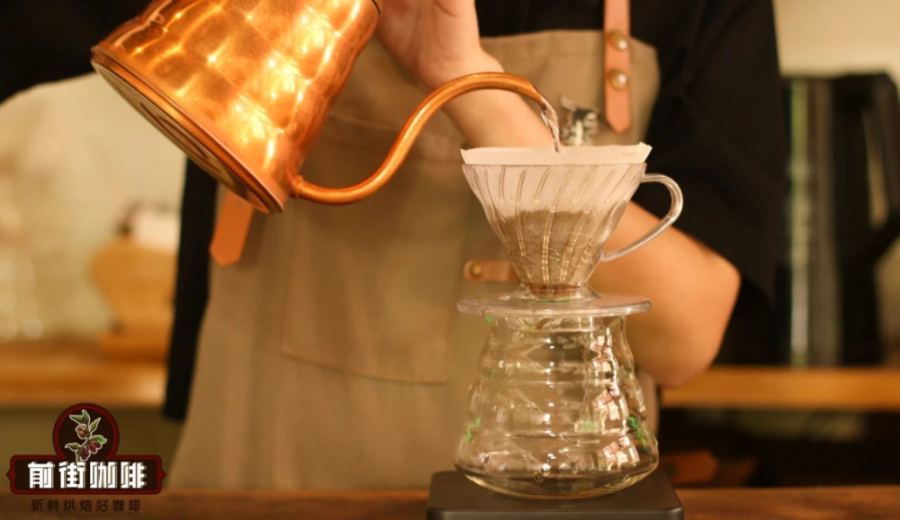
The basic principle of pour over coffee is to place moderately ground coffee in a filter cone and extract it slowly with a steady stream of water under normal atmospheric pressure. Though the process seems straightforward, it is influenced by multiple factors: the freshness of the coffee beans, grind coarseness, water temperature, pouring method, filter cone design, and even differences in water quality—all can significantly alter the final flavor. Therefore, mastering the basic parameters and key techniques is the first step toward brewing great coffee.
Scientific Setting of Coffee-to-Water Ratios
The coffee-to-water ratio refers to the weight of coffee grounds compared to the total volume of brewed coffee. According to the Specialty Coffee Association of America (SCAA), the ideal coffee concentration should be between 1.2% and 1.45%. In practical terms, this translates to a coffee-to-water ratio of roughly 1:12 to 1:15. For example,1:15using 10 grams of coffee powder, the total water poured should be 150 grams. This ratio is widely considered a balanced benchmark suitable for most coffee beans—bringing out their flavors adequately without being overly intense or weak.
Breaking it down further,1:15a single serving typically yields about 225 grams of brewed coffee using 15 grams of coffee powder. For two servings, you can proportionally increase the amounts, such as 30 grams of powder with 450 grams of water. However, this is not an absolute standard—ratios like 1:14 or 1:17 are also viable, depending on personal taste preferences. It's recommended to start with1:15the 1:15 ratio and then adjust gradually based on actual experience.
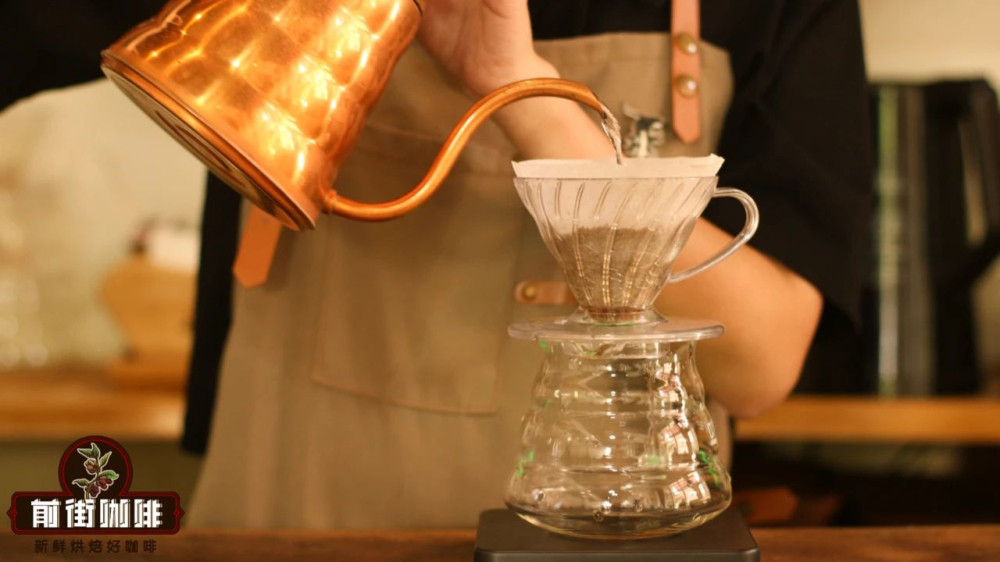
Experiments have compared the effects of different coffee-to-water ratios: a diluted 1:20 ratio can make the coffee flavor too thin and lack complexity, while a concentrated 1:10 ratio tends to highlight bitterness and unwanted over-extracted flavors. After multiple tests,1:15the 1:15 ratio has been proven to be a stable choice in most scenarios, especially for medium to light roasted coffee beans.
The Core Meaning of Coffee Concentration
The SCAA’s concentration recommendations are fundamentally linked to coffee extraction yield. Extraction yield refers to the percentage of soluble substances dissolved from the coffee bean relative to its original weight. Generally, coffee beans contain about 30% soluble substances and 70% insoluble fiber. The ideal extraction range is between 60% and 70%: below 60% may lead to underdeveloped flavors, while above 70% can produce negative over-extracted tastes, such as harsh bitterness or woody notes.
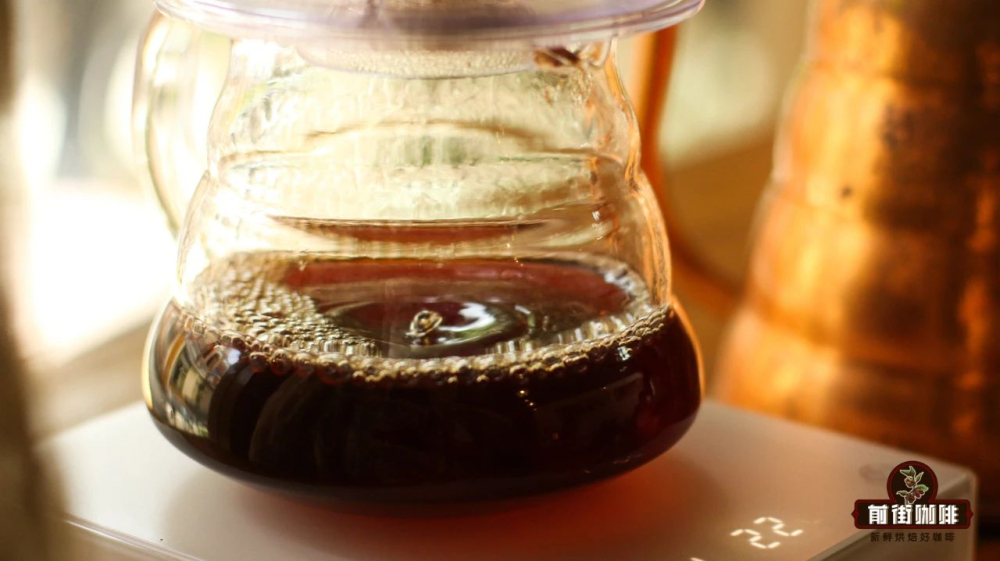
This scientific basis is exactly why1:15the 1:15 ratio is recommended. By controlling the coffee-to-water ratio and extraction time, it’s possible to more accurately hit the optimal extraction zone, ensuring balanced and clean coffee flavors.
Seven Key Factors in Pour Over Coffee
In addition to the coffee-to-water ratio, the quality of pour over coffee is directly influenced by the following seven elements:
1. Coffee Bean Freshness
Freshly roasted coffee beans generally have the best flavor within 30 days of roasting. Over time, carbon dioxide is gradually released, and aromatic compounds diminish, resulting in flat-tasting coffee. Therefore, choosing freshly roasted beans is fundamental.
2. Grind Size Calibration
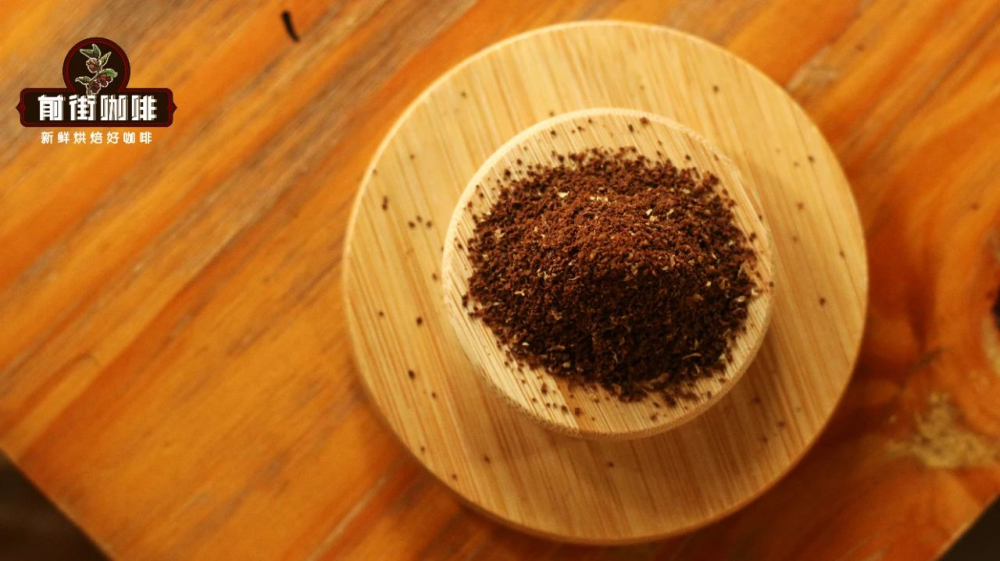
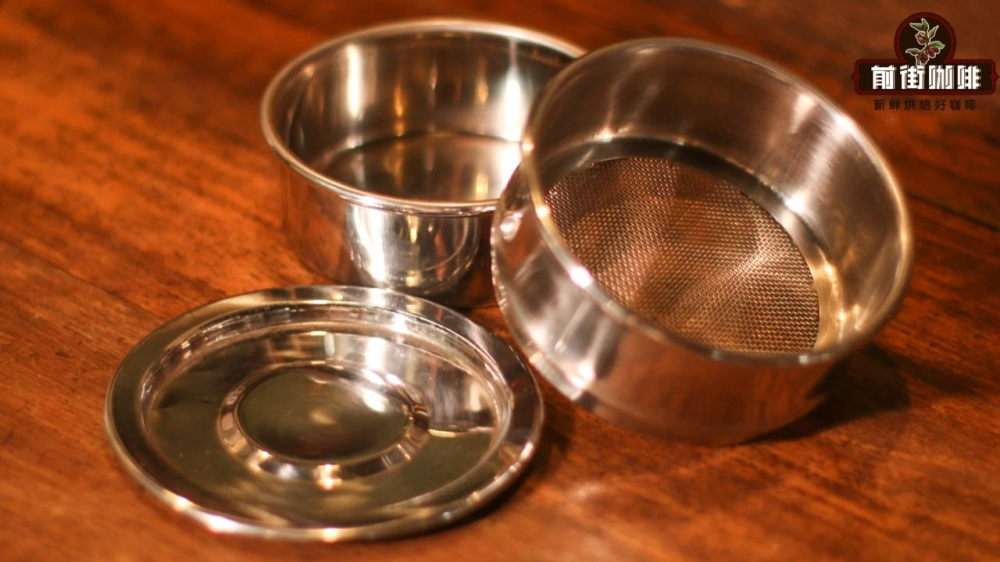
Grind coarseness greatly affects extraction efficiency. Too fine a grind increases water resistance, prolongs extraction time, and may bring out woody or over-extracted flavors; too coarse a grind leads to under-extraction and weak flavors. It’s suggested to use a #20 sieve for testing: for medium to light roasted beans, an ideal passing rate is about 80% (10 grams of powder sieves out 8 grams), and for medium to dark roasted beans, 70%-75% (sieving out 7-7.5 grams). Adjust the grind setting slightly based on actual flow rate.
3. Water Temperature Control
Water temperature directly influences the dissolution rate of soluble substances. For medium to light roasted beans, it’s recommended to use90-91°Chotter water to fully bring out acidity and fruity floral notes; for medium to dark roasted beans, lower it to87-89°Cto avoid extracting excessive bitter substances.
4. Water Quality Impact
Minerals such as calcium and magnesium in water affect coffee extraction capability. It’s advised to avoid using tap water directly and opt for filtered or mineral water for a purer flavor expression.
5. Filter Cone Selection
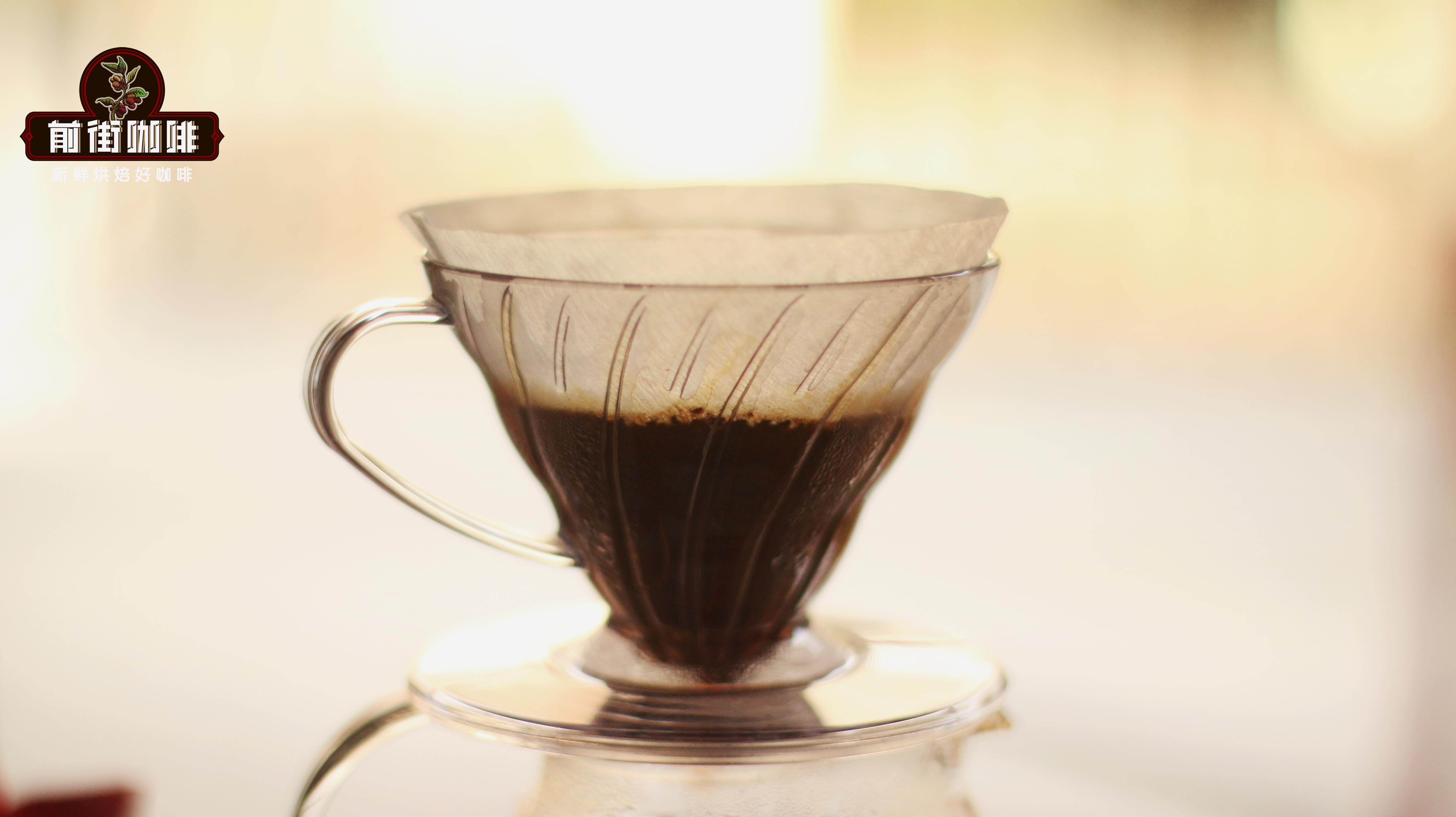
Beginners are recommended to use the V60 #01 filter cone. Its conical design and spiral ribs help with air release, improving extraction uniformity. Although the taste tends to be cleaner, it clearly highlights layers of acidity, sweetness, and aroma.
6. Coffee-to-Water Ratio Adjustment
Based on taste preference, three common ratios can be used:
・Bold Flavor: 1:10-1:11 (high concentration, close to the Golden Cup standard of 1:12.5-1:13.5)
・Moderate Flavor: 1:12-1:13 (well-balanced, close to the Golden Cup standard of 1:14.5-1:15.5)
・Light & Refreshing: 1:14-1:16 (low concentration, close to the Golden Cup standard of 1:16.5-1:18.5)
7. Brewing Time Management
Extraction time directly affects flavor development. For example, using 15 grams of coffee powder at a 1:15 ratio, the total brewing time is recommended to be kept within2 to 2 minutes and 30 secondsto avoid over-extraction in the early phase or flavor loss in the later phase.

Principles of Pour Over Coffee Extraction
The complete extraction process can be divided into three stages:
・Wetting (Bloom): Hot water contacts the coffee grounds, causing them to expand and release carbon dioxide, paving the way for subsequent dissolution.
・Dissolution: Soluble substances dissolve into the water, defining the main flavor profile.
・Diffusion: Remaining molecules enter the water through osmosis, forming the complete brew.
Be sure to stir the final coffee liquid to evenly blend acidity, sweetness, and bitterness, delivering a richer layered experience.
With a grasp of these foundational parameters and principles, you’ll be able to confidently adjust your pour over process and brew a clean, well-balanced cup of coffee.
The above content is compiled by CoffeeHunters, a coffee news website.


