








Introduction:Indonesian civet coffee, also known as kopi luwak, was once one of the legends in the specialty coffee market due to its rarity and unique processing method, commanding high prices. But how do the origins, processing methods, and flavor profiles of Indonesian civet coffee compare with the more recently emerged Chinese Yunnan civet coffee? This article will delve into the origins, processing characteristics, and true flavors of Indonesian civet coffee, compare it with the Yunnan version, and provide professional-grade roasting and pour-over parameters to help you better understand this unique coffee.
When it comes to legends in specialty coffee, "civet coffee" undoubtedly holds a place. As early as 2002, a pound of Indonesian civet coffee was priced as high as $500 on the New York market. Behind such an astronomical price were not only its limited production but also its unique production process and flavor traits. However, is this coffee bean, produced inside an animal’s body, truly as delicious as the legend claims, or is it merely a product of marketing hype? This article will explore the origin, processing method, and flavor profile, while comparing the versions from Indonesia and Yunnan, China, and also reveal professional roasting and pour-over recommendations.
The Origin of Civet Coffee: From Dutch Colony to Global Buzz
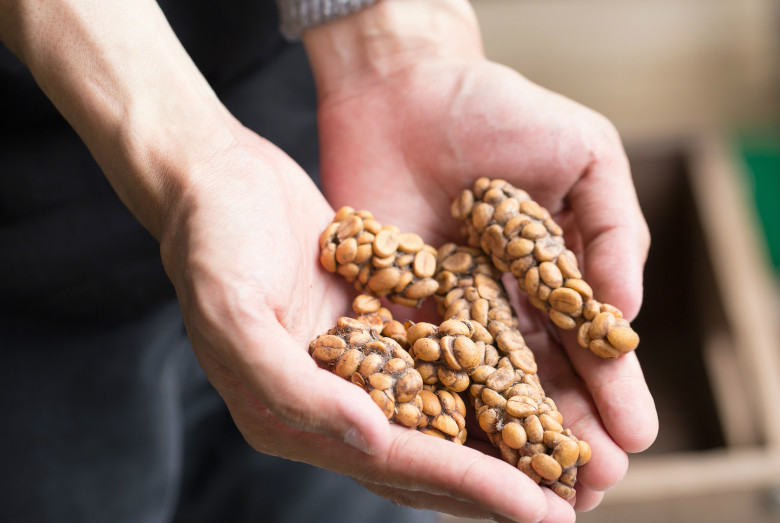
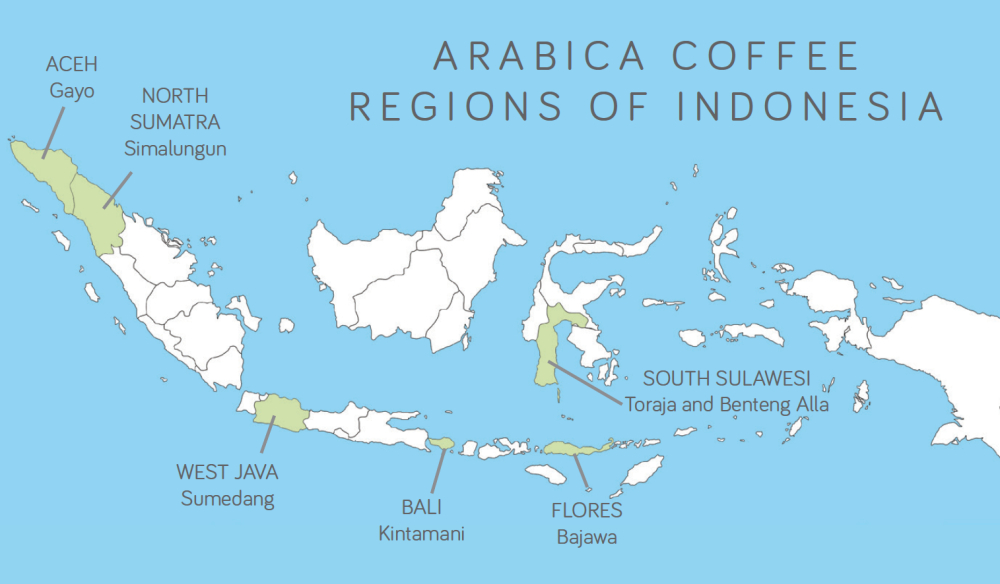
Civet coffee originally comes from Indonesia, specifically traceable to the early 18th century when Dutch colonists introduced coffee trees to Sumatra and Java and restricted local residents from consuming coffee cherries. However, a unique wild feline native to the area—the civet—had a particular fondness for ripe red coffee fruits, often selecting the sweetest ones to eat. The civet’s digestive system could only break down the coffee pulp, while the hard coffee beans remained undigested and were eventually excreted in feces.

Initially, farmers discovered that these “special excretions” of coffee beans, after being cleaned and processed, exhibited a rich, bold flavor with a unique sweetness. This accidental discovery gradually spread locally. However, once Dutch colonists learned of its existence, civet coffee was exported in large quantities to European royalty, becoming an extremely expensive luxury item, even surpassing the price of Blue Mountain coffee at one point.
It’s worth noting that the commonly seen "civet coffee" on the market mostly refers to that produced by Indonesian civets. Other regions such as Vietnam and Myanmar also produce it, but their quality and output are generally less stable than Indonesia’s, and the prices are relatively more affordable.
Flavor Traits of Civet Coffee: How Does It Differ from Indonesian Mandheling?
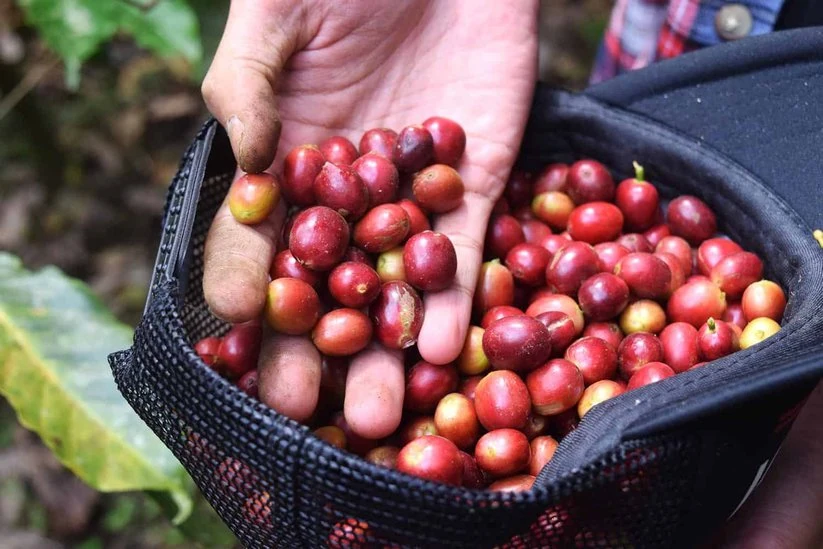
Civet coffee is often described as having intense herbal, nutty, and dark chocolate aromas, along with unique fermentation layers and a rich mouthfeel. However, such flavors are actually related to the local Indonesian coffee varieties such as Typica and Robusta, especially because civets prefer to consume highly ripe coffee fruits, so the beans are already higher in sugar content at the “selection” stage.
In addition, Indonesia’s uniquewet-hulling processis also one of the key factors shaping the flavor profile of civet coffee. This method enhances the coffee’s body and gives it more pronounced herbal and earthy notes. Interestingly, the civet itself does not perform fermentation; rather, it indirectly influences the final flavor by selecting highly ripe coffee fruits.
Compared to well-known Indonesian producing regions such as Sumatra’sPWN Golden Mandheling,which also emphasizes selection of fully ripe fruits and multiple rounds of manual sorting, standardized processing can also yield rich layers and a full body, with even better stability in flavor and quality control.
Professional cuppers note that civet coffee doesn’t always score higher than conventional specialty coffee. Its flavor may appear somewhat monotonous in terms of acidity and aromatic detail, especially for drinkers unaccustomed to the strong earthiness and herbal notes typical of Indonesian coffee. The acceptance threshold is therefore higher. If you enjoy the complexity and intensity of aged Mandheling, you might appreciate the alternative charm of civet coffee.
The Truth About “Fermentation” Inside the Civet: More Marketing Than Science?
Regarding the special origin of civet coffee’s flavor, there is a common belief that “fermentation inside the animal’s body” enhances the coffee’s flavor profile. Supporters argue that the strong acidic environment and special enzymes in the civet’s digestive tract can break down proteins, generating more short-chain peptides and amino acids, thereby enriching the coffee’s aroma and taste.
But according to most research and practical observations, once civets consume coffee cherries, they typically excrete the beans within just one to two hours. This duration is too short to produce significant biochemical changes. In fact, the civet’s main contribution lies in “selecting ripe coffee fruits,” rather than actual “internal fermentation.” The excreted beans still need to undergo traditionalIndonesian wet-hulling processingto complete the final production.
Therefore, the so-called “internal fermentation” is more marketing rhetoric than scientific fact. Consumers should focus more on the bean variety, processing method, and regional characteristics when making choices, rather than over-mythologizing the animal-involvement aspect.
How Do Indonesian and Chinese Yunnan Civet Coffees Differ?
Aside from the original Indonesian variety, in recent years, China’s Yunnan region has also introduced so-called “civet coffee,” mainly produced through artificial civet rearing or by simulating animal bean selection. However, there are notable differences between the two regions in terms of variety, altitude, and processing techniques.
Indonesian civet coffee is mostly grown at altitudes of 1600–2100 meters, with varieties including Typica and Robusta hybrids, and is traditionally processed using the wet-hulling method, resulting in a flavor profile that is bold, herbal, and earthy. In contrast, the Yunnan version is mostly planted in high-altitude areas, predominantly Arabica, and employs washed or natural processing methods. Its flavor is fresher, with pronounced fruit acidity, but overall market acceptance and scarcity still lag behind the original Indonesian product.
Brewing and Roasting Recommendations: How to Fully Unleash the Potential of Civet Coffee?
If you have the chance to taste Indonesian civet coffee, it is recommended to use a medium-to-dark roast to enhance its bold base and herbal layers. Below are professional-grade roasting and pour-over parameters for coffee enthusiasts to reference:
【Roasting Recommendations】
Equipment: Yangjia 800N
Preheat the roaster to 200°C, charge the drum at 160°C, with fan speed at 3 and heat at 130
Turning point at 1’28”, maintain heat until 5’40” when the bean surface turns yellow, entering the drying phase
Adjust heat to 140, fan speed to 4, developing wrinkles and toast-like aromas
Reduce heat to 100, fan speed to 5, watch for first crack starting at 9’15”
Develop for 4’25” after first crack, drop temperature at 203°C
【Pour-Over Parameters】
Filter: KONO
Water temperature: 86–87°C
Coffee-to-water ratio: 1:15
Grind size: Medium-coarse (75% passing rate through a 20-mesh Chinese sieve)
Brewing method: Bloom for 30 seconds (30g water), then pour in small streams to 125g, continue to 225g total, total brew time around 2 minutes
Flavor Profile: Herbal, nutty, dark chocolate, with a hint of fermentation, full-bodied and smooth mouthfeel, suitable for those who enjoy intense layers and low-acidity flavors.
The above content is compiled by CoffeeHunters, a coffee news website.


