







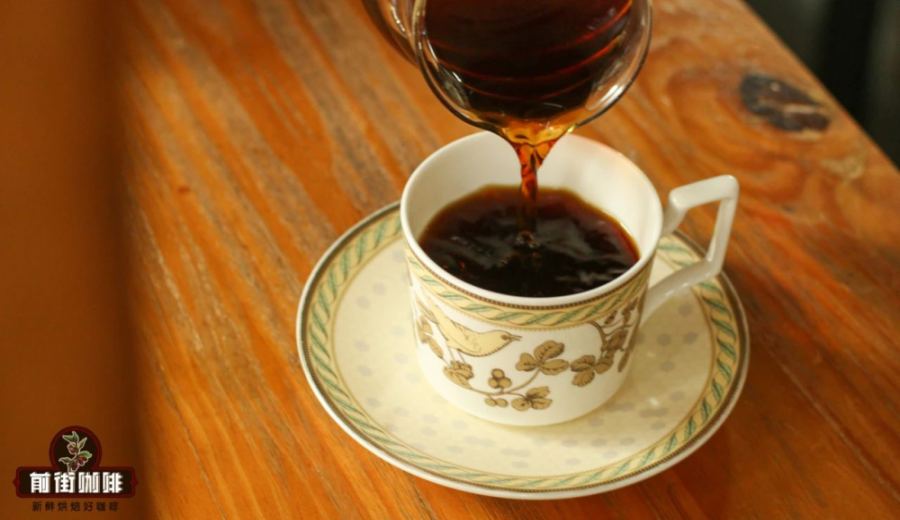
Introduction:The charm of pour over coffee lies in its ability to highlight different flavor layers by adjusting the coffee-to-water ratio. Mastering the right ratio not only controls strength but also influences extraction efficiency and overall mouthfeel. This article delves into the principles and practical applications of coffee-to-water ratios, and introduces you to the practical techniques and parameter settings of three-stage pouring, helping both beginners and advanced enthusiasts find their own optimal extraction balance.
The reason pour over coffee is so widely loved is its ability to present diverse flavor profiles through fine-tuned parameters, with the coffee-to-water ratio being one of the core elements that shape the overall flavor direction of the cup. This ratio not only directly determines the strength of the coffee but is also closely tied to extraction yield and mouthfeel structure.
Simply put, the coffee-to-water ratio refers to the proportion between the weight of coffee grounds used for extraction and the total volume of hot water poured. For example, if you use 15 grams of coffee grounds with 225 milliliters (i.e., 225 grams) of hot water, the ratio is 1:15. This value is very common in the daily output of professional shops and serves as a reference benchmark for many pour over enthusiasts when starting out.
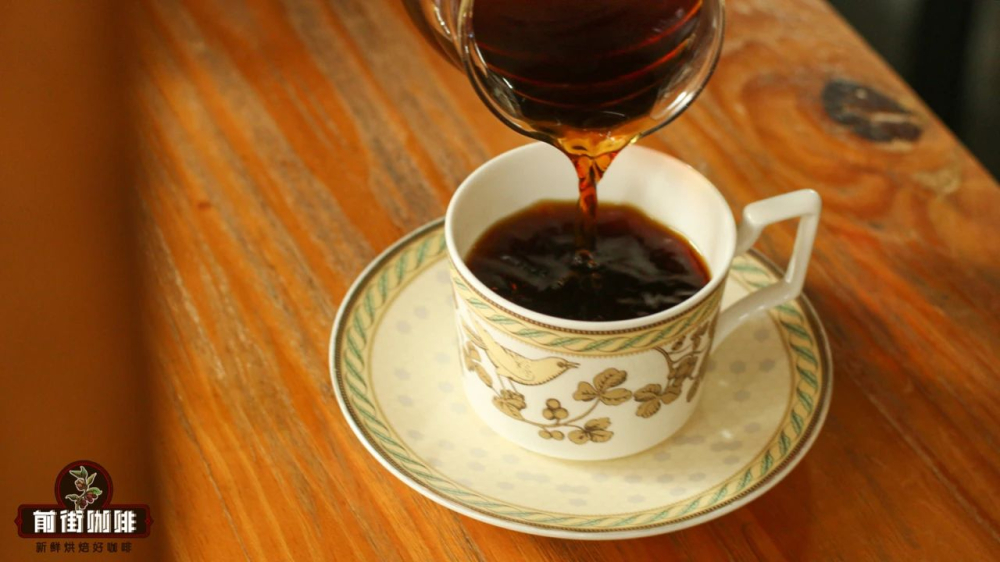
When other variables are kept constant, adjusting the coffee-to-water ratio directly impacts the coffee’s strength and flavor presentation. A lower ratio (such as 1:13 or 1:14), meaning less water is used to extract the same amount of coffee grounds, results in a stronger brew—but if not managed properly, it may also carry the risk of over-extraction, making bitterness more pronounced. Conversely, a higher ratio (e.g., 1:17 or 1:18) yields a lighter coffee, with a cleaner taste but potentially reduced complexity.
Many people new to pour over often wonder: how much water should be used for 15 grams of coffee? In truth, there’s no absolute answer, but based on shared experiences and practical operations,1:15 to 1:18 is the most suitable range for beginners to practice and explore, which translates to using approximately 225 to 270 milliliters of water for 15 grams of coffee grounds.
Of course, the coffee-to-water ratio isn’t the only factor influencing coffee flavor. Water temperature, grind size, pouring technique, filter design, and even the origin and processing method of the coffee beans all collectively shape the final flavor profile. Therefore, it’s recommended that beginners first try adjusting the coffee-to-water ratio while keeping other conditions constant, to develop sensitivity to changes in strength.
Many pour over enthusiasts may have heard of the term “pulse pouring” or “staged pouring,” a technique often employed by professional baristas during extraction. Staged extraction refers to dividing the total pouring process into several stages, pausing between stages as needed to allow the coffee bed time for adequate extraction, thereby controlling the rhythm of flavor release.
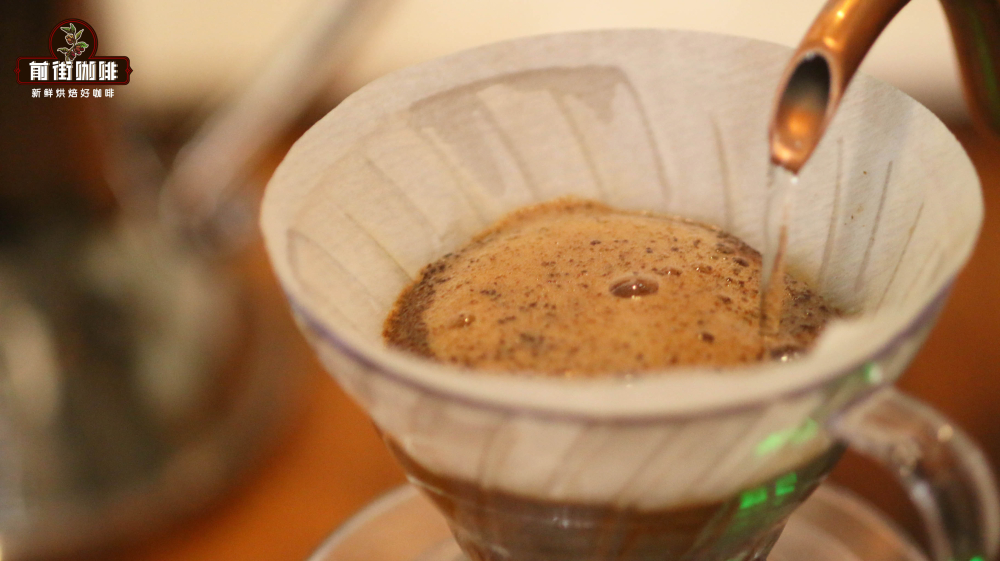
Common staging methods include two-stage, three-stage, or even more stages, with the “three-stage pour” becoming a common choice among both beginners and professionals due to its stability and operational flexibility. The term “three-stage” means that after the bloom, the total water volume is divided into three major pours administered in sequence, allowing for more precise control over each stage of extraction.
The first step in the pour over process is usually the “bloom,” which involves evenly wetting the coffee bed with a small amount of hot water (typically twice the weight of the coffee grounds, e.g., 30 milliliters for 15 grams) before the main pour. The purpose is to release carbon dioxide from the coffee grounds to avoid affecting the uniformity of subsequent extraction. The bloom time is generally controlled at around 30 seconds, making it an easy starting point for beginners.
Next comes the actual operation of the three-stage pour. Taking 15 grams of coffee grounds and a 1:15 ratio as an example, the total water volume is 225 milliliters, which can be allocated as follows: first stage 30 milliliters (bloom), second stage 95 milliliters, third stage 100 milliliters. This distribution balances flavor extraction layers and overall extraction time control.
In practice, it’s recommended to use medium-light roasted coffee beans to practice three-stage pour over, such as a washed Ethiopian bean that often features bright citrus notes, floral aromas, and soft acidity—particularly well-suited for extraction with medium-high water temperature (around 92°C to 93°C) and medium-fine grind (similar to the coarseness of granulated sugar).
For equipment, the V60 filter cone is a popular choice among many pour over enthusiasts due to its center spiral channel design, which effectively helps release air and promotes uniform extraction. However, be mindful that too coarse a grind may lead to under-extraction and a weak flavor, while too fine a grind can cause over-extraction and channeling, resulting in unwanted bitter or astringent off-notes.
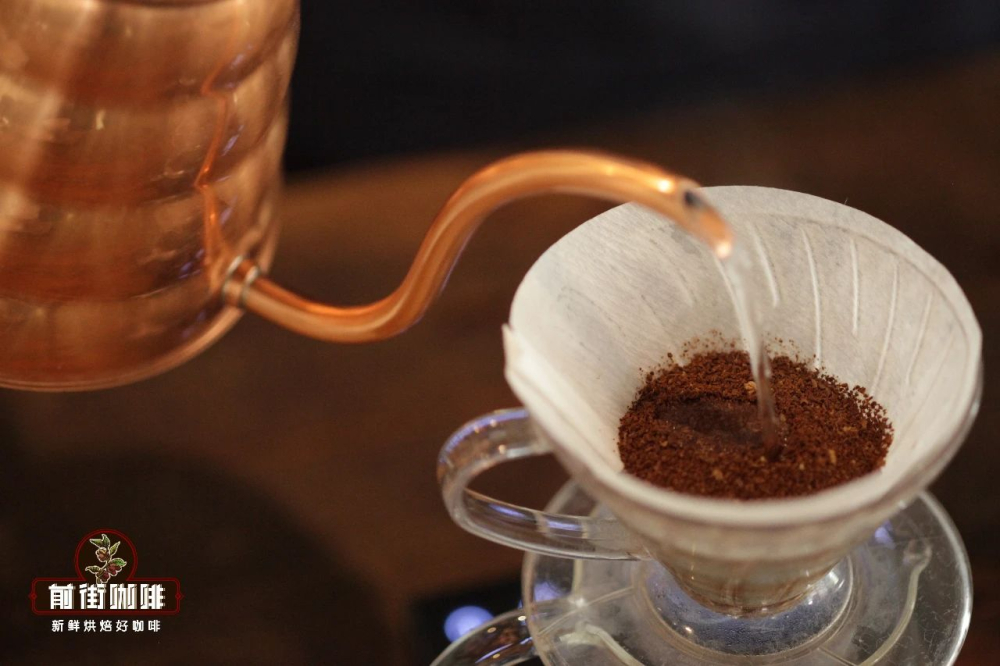
Based on comprehensive hands-on experience,if starting with 15 grams of coffee grounds, it’s recommended to aim for a coffee-to-water ratio between 1:15 and 1:16, with fine adjustments possible according to personal taste. Those who prefer a stronger taste can opt for 1:15, while those wanting to highlight clearer floral and fruity acidity layers might try the higher water-to-coffee ratio of 1:16.
During actual operation, start by wetting the filter paper and placing it in the filter cone. After taring the scale, add the coffee grounds. Pour 30 grams of water for the bloom and start the timer. Once the 30-second bloom is complete, proceed to the second stage by steadily pouring 95 grams of water with a slightly stronger flow, aiming to finish around the 55-second mark, bringing the total water poured to 125 grams. For the final stage, pour 100 grams of water, using a smaller stream and circular motion to avoid disturbing the coffee bed excessively. The total dripping time is recommended to be around 2 minutes.
It’s important to note that the above parameters are for reference only and can be fine-tuned based on the characteristics of the coffee beans, personal preference, or current environmental conditions. Pour over is essentially an experiment combining science and sensory perception. Only by understanding the meaning behind each parameter can you gradually develop your own extraction logic and brew the cup of coffee that suits your taste best.
The above content is compiled by CoffeeHunters, a coffee news website.


