







Introduction:Kopi Luwak, commonly known as civet coffee, is one of the most controversial and legendary coffees in the world. This coffee is not a specific variety, but rather a rare type of bean that has undergone a unique fermentation process through the digestive tract of the civet. Is it really an Arabica? How does the processing affect its flavor? And how should it be brewed to highlight its characteristics? This article will delve into the varietal background, processing principles, recommended brewing parameters, and typical flavor profile of civet coffee, giving you a comprehensive understanding of the true nature of this high-priced coffee.
Kopi Luwak, commonly referred to in Chinese as "cat poop coffee," is one of the most attention-grabbing and talked-about premium-priced coffees in the world. But it is not a single coffee variety. Instead, it refers to coffee beans that have been eaten by civets (Luwak, also known as musang) and then specially processed through their digestive systems. These beans originally come from Indonesia, where wild civets consume coffee cherries. Unable to digest the seeds, the civets excrete them in their feces, which are then collected and processed to become what we know as "civet coffee."
This peculiar “internal fermentation” process exposes the coffee beans to the combined action of stomach acid, enzymes, and microorganisms. It is believed to alter the protein structure and amino acid composition within the beans, thereby imparting unique herbal, earthy, and full-bodied flavors. Civets typically choose to eat coffee cherries that are ripe and of higher quality, thus playing a role as a kind of “natural selector” to some extent.
Civets mainly inhabit tropical and subtropical mountainous regions below an altitude of 2100 meters, with activity ranges including foothills, jungle edges, and shrub grasslands. They are omnivorous animals and although they also consume small animals, insects, and amphibians, they prefer plant berries, including coffee fruits. However, since their digestive system is primarily adapted to animal proteins, the impact on the coffee beans is mainly through the chemical action of enzymes and stomach acid.
Traditionally, civet coffee is collected by gathering the feces of wild civets, picking out the undigested coffee seeds, and then processing them into green beans through steps such as washing, sun-drying, and hulling. However, with the increase in market demand, some merchants have resorted to caging civets and force-feeding them coffee cherries to boost production, leading to animal welfare issues and affecting the final quality of the beans. Therefore, high-quality Kopi Luwak today often emphasizes wild collection and beans excreted by healthy, naturally raised civets.
In terms of variety, the more well-known Kopi Luwak products on the market, such as those from the Sumatra region of Indonesia, mostly use Arabica varieties, particularly common types in the area like Typica or Catimor. These Arabica beans inherently possess bright acidity and complex aromatic potential, and after undergoing the civet’s internal fermentation, they often present a flavor profile that is distinctly different from conventionally washed or sun-dried processed beans.
In terms of roasting, many roasters opt for a medium to dark roast to balance its unique herbal and full-bodied characteristics. A medium-dark roast allows the beans to release more caramelized compounds while retaining the unique layers brought by the original processing. For example, Kopi Luwak from Sumatra, Indonesia, is often rated as G1 grade, indicating it is among the highest quality green coffee beans with an extremely low defect rate.
If you want to brew civet coffee at home to bring out its ultimate flavors, it is recommended to use a coarse grind (similar in fineness to granulated white sugar) and a water temperature in the medium-light to medium-dark range, around 86 to 87°C. The coffee-to-water ratio is advised to be set at 1:15, meaning 15 grams of coffee grounds to 225 milliliters of water. This ratio allows the coffee to fully showcase its full-bodied taste without losing its unique herbal and nutty nuances.
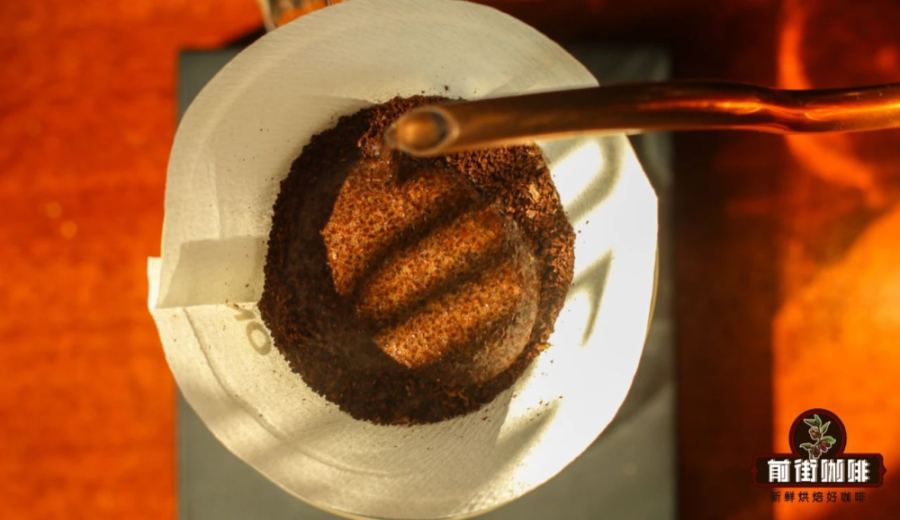
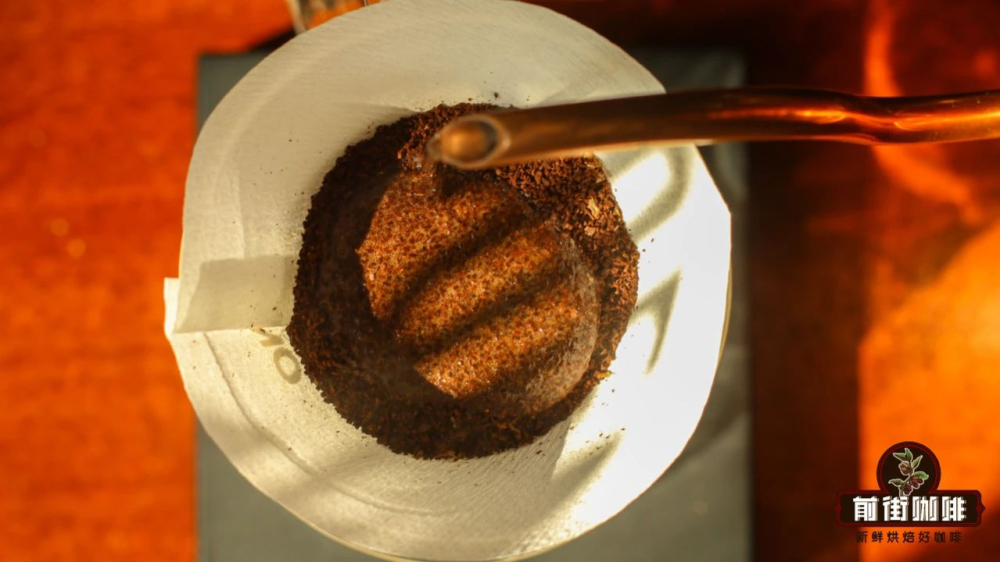
The specific brewing steps are recommended as follows: First, perform a bloom with about 30 grams of water for approximately 25 seconds to help the coffee grounds degas and initiate extraction. Then pour about 125 grams of water, and when the water level drops to halfway through the coffee bed, pour the final amount of water to reach a total of 225 grams. The overall extraction time should be controlled between 1 minute 50 seconds and 2 minutes. Using a filter cone like the KONO type can extend the contact time between water and coffee grounds, helping to improve extraction efficiency and enhance body.
In terms of flavor, high-quality Kopi Luwak often exhibits distinct herbal aromas paired with soft nutty tones. It feels smooth and full-bodied on the palate, with an aftertaste that carries hints of soil and woody notes. The overall profile is rich and layered. However, due to its high price and unique sourcing, coffee enthusiasts are advised to choose products with reliable sources and transparent processing methods to ensure the best tasting experience.
The above content is compiled by CoffeeHunters, a coffee news website.


