







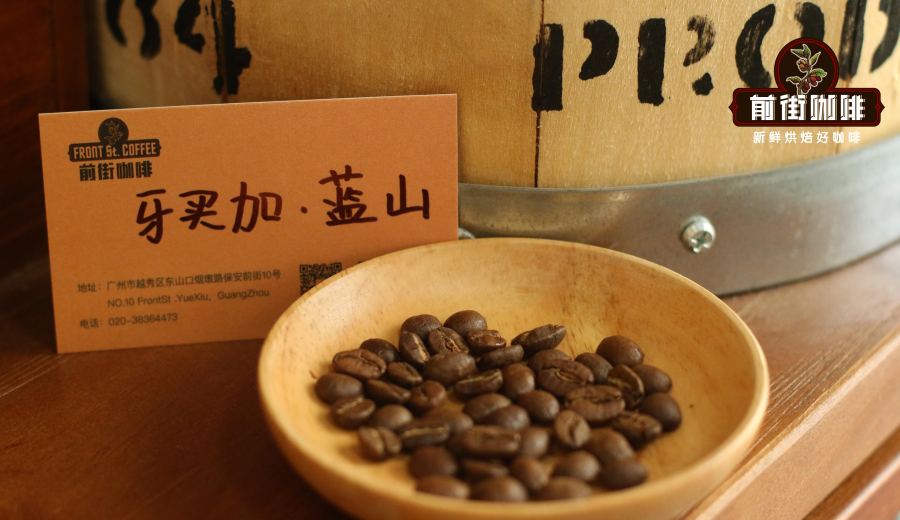
Introduction:Jamaica Blue Mountain No. 1 coffee is hailed as the "King of Coffee" for its rich and balanced flavor, yet the market is riddled with counterfeits and confusion. This article delves into the origins, growing environment, grading system, meticulous processing methods, and reasons behind the high price of Blue Mountain No. 1, while also offering expert recommendations on water temperature, grind size, and pour over parameters to help you identify authenticity and brew the most authentic Blue Mountain flavor.
Blue Mountain coffee has long been known as the "King of Coffee," but in the market, many products labeled as "Blue Mountain" have little to do with genuine Jamaica Blue Mountain No. 1. From dark roast blends touting a "Blue Mountain flavor" to cheap imitations, the gap between price and quality is enormous. This article will fully unpack the past and present of Blue Mountain No. 1, from its historical background, terroir, varietal characteristics, strict grading, processing techniques, to how to authenticate the real deal, and includes practical pour over parameters to give you a true understanding of this legendary coffee in its entirety.
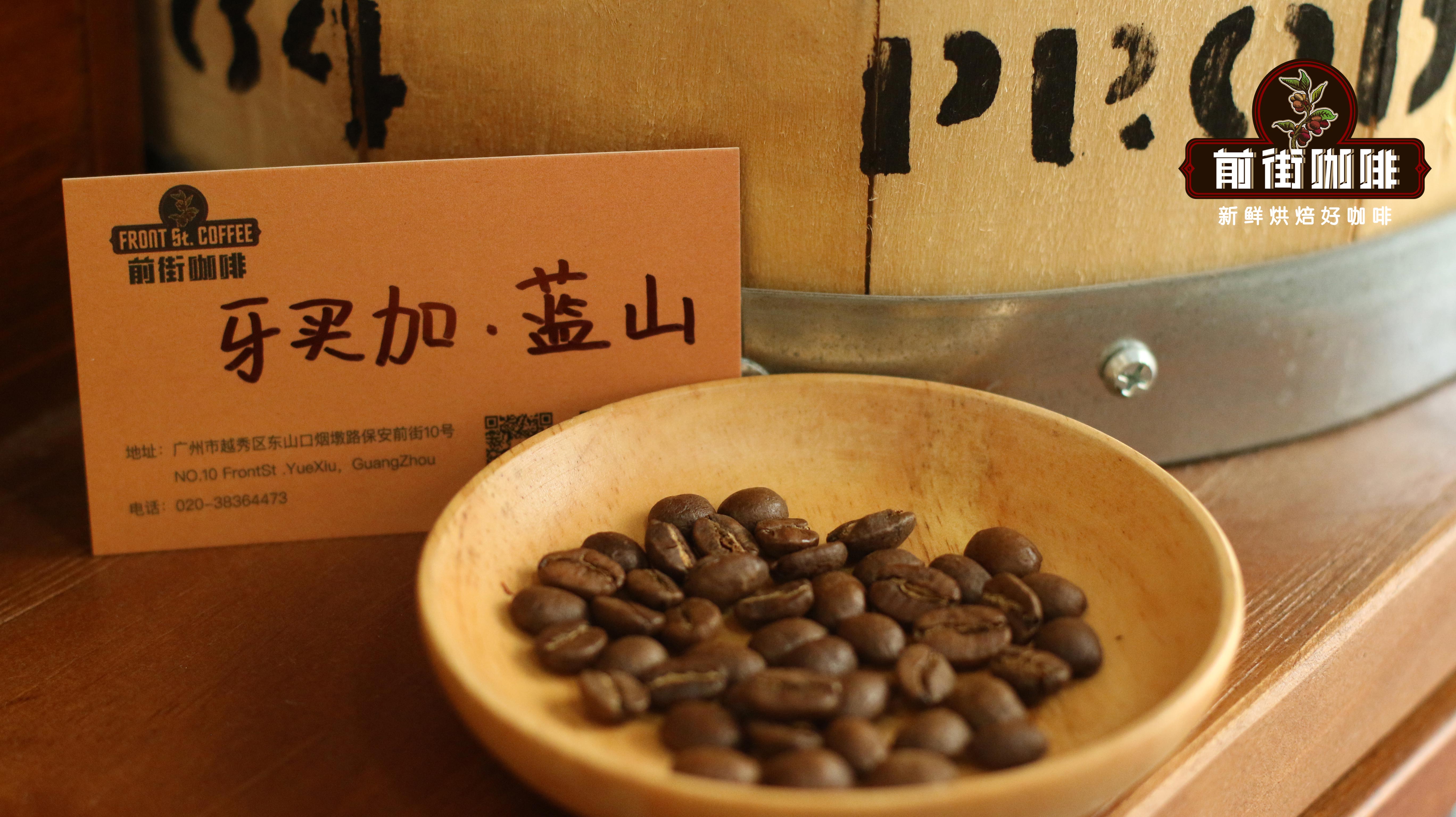
For years, many media outlets pointed out that it’s very difficult to obtain authentic Blue Mountain coffee in the Chinese market, but the situation has improved since 2010. Blue Mountain No. 1 coffee is known for its rich and standardized black coffee flavor, but due to its extremely limited production, it is hailed as the "King." In the early days, imports were indeed challenging, and although it is now exported to markets including Taiwan, many so-called "Blue Mountain flavor" products on the market are merely dark roast blends mimicking the taste of Blue Mountain, with no relation to authentic Blue Mountain No. 1, and thus are naturally much cheaper.
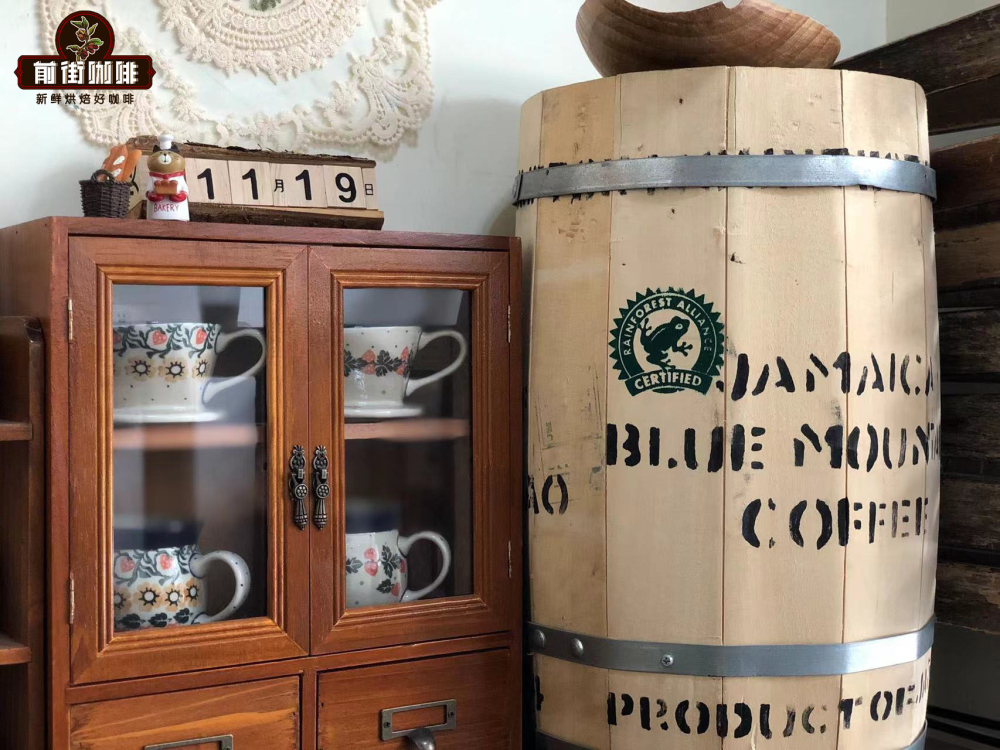
It is worth noting that not all coffee beans labeled "Blue Mountain" are genuine. Take one well-known shop as an example: the Blue Mountain No. 1 they sell holds official certification from the Jamaica Coffee Industry Board, and the wooden barrels used for packaging feature a green frog logo (you can refer to the actual photos taken during the green bean procurement by that shop, see ). In addition, they choose Blue Mountain No. 1 with Rainforest Alliance certification, sourced from the Clifton Estate, which is also the only region in the world that still uses wooden barrels to transport green beans. The ultimate flavor expression of Blue Mountain No. 1 lies in its intense aroma and balanced taste, with no single flavor being overly prominent, which is also the main reason for its high price: scarce production, irreplaceable flavor, and extremely strict quality control.
When it comes to Blue Mountain coffee, most people immediately think of "having a cup of Blue Mountain." However, although Blue Mountain No. 1 coffee is world-famous, its production is extremely limited, and it has a long history—even consumers unfamiliar with specialty coffee have heard of it. Common market terms such as "Blue Mountain No. 1," "Blue Mountain flavor," and "Blue Mountain blend" vary widely, and if you’re not careful in your selection, you can easily end up buying a fake. So how do you distinguish real Blue Mountain from fake? Let’s start with the origins of Blue Mountain coffee.
The story of Jamaica Blue Mountain coffee dates back to the 18th century. In 1717, King Louis XV of France ordered coffee to be planted in Jamaica. By the mid-1720s, then-Governor Sir Nicholas Lawes introduced Arabica seeds from Martinique and was the first to promote their cultivation in the Saint Andrew area. These coffee trees were later brought to the Blue Mountains and, depending on altitude, were divided into high-altitude Blue Mountain coffee, high mountain coffee, and regular Jamaican coffee, with noticeable differences in pricing among the grades.
The Blue Mountains are located in eastern Jamaica and are named for the sapphire-like hue reflected off their peaks when sunlight hits the surrounding Caribbean Sea. The highest elevation reaches 2,256 meters, making it the tallest point in the Caribbean and a popular tourist destination. The Blue Mountains lie within the coffee belt and boast fertile volcanic soil, fresh air, high humidity, and a foggy, rainy climate (average annual rainfall of 1,980 mm and average temperature of about 27°C), conditions that create the unparalleled flavor of Blue Mountain coffee and make it one of the most expensive coffees in the world.
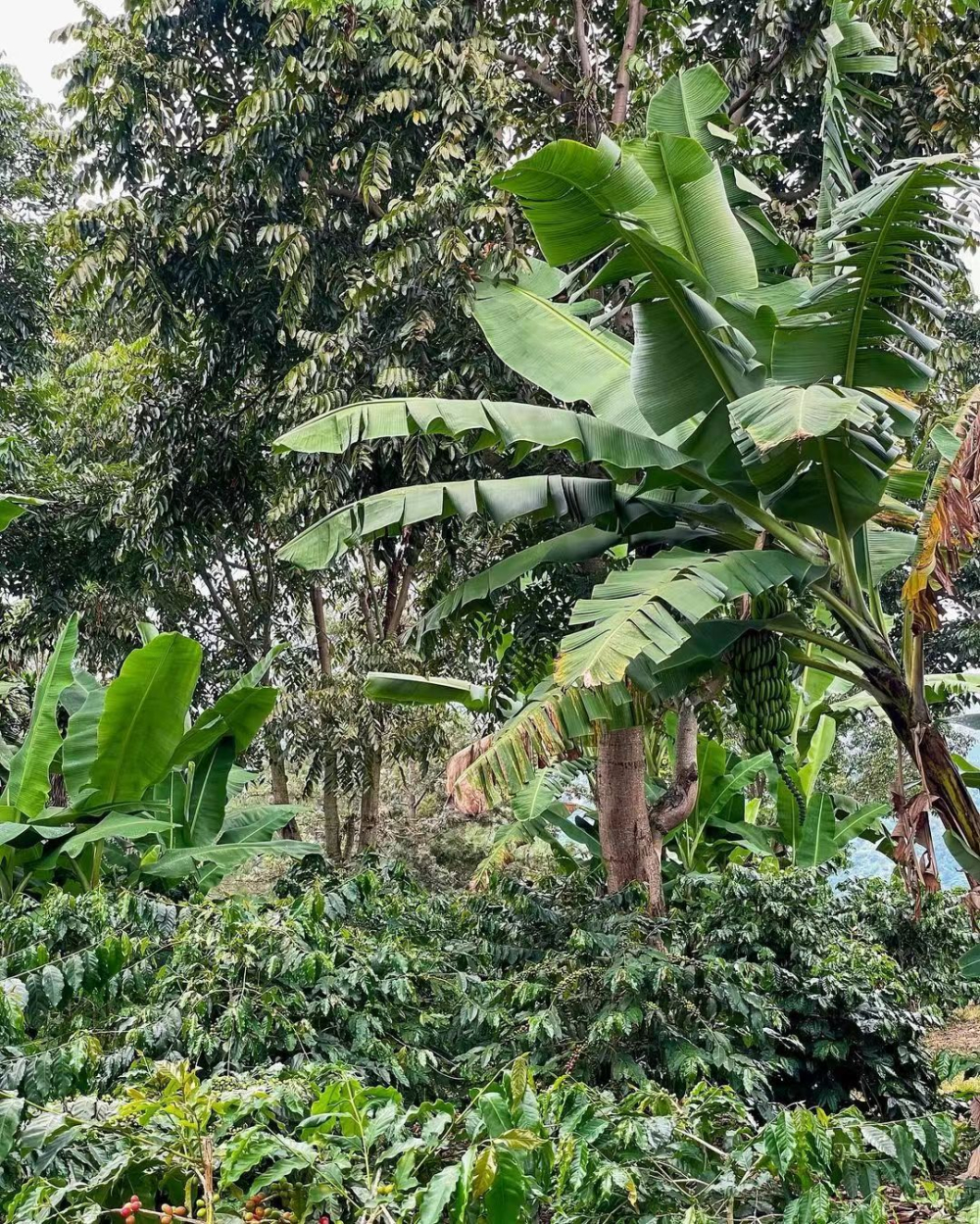
Authentic Blue Mountain coffee is grown exclusively in the Blue Mountains of Jamaica, particularly in the area north of Kingston. The terrain is rugged, and coffee trees are mostly planted on steep slopes, coexisting with crops such as bananas and avocados, forming a unique terraced farming model. Harvesting here relies entirely on skilled female workers because the steep terrain makes picking difficult and requires precise judgment of the ripeness of the coffee cherries—overripe or underripe beans can severely impact the final flavor.
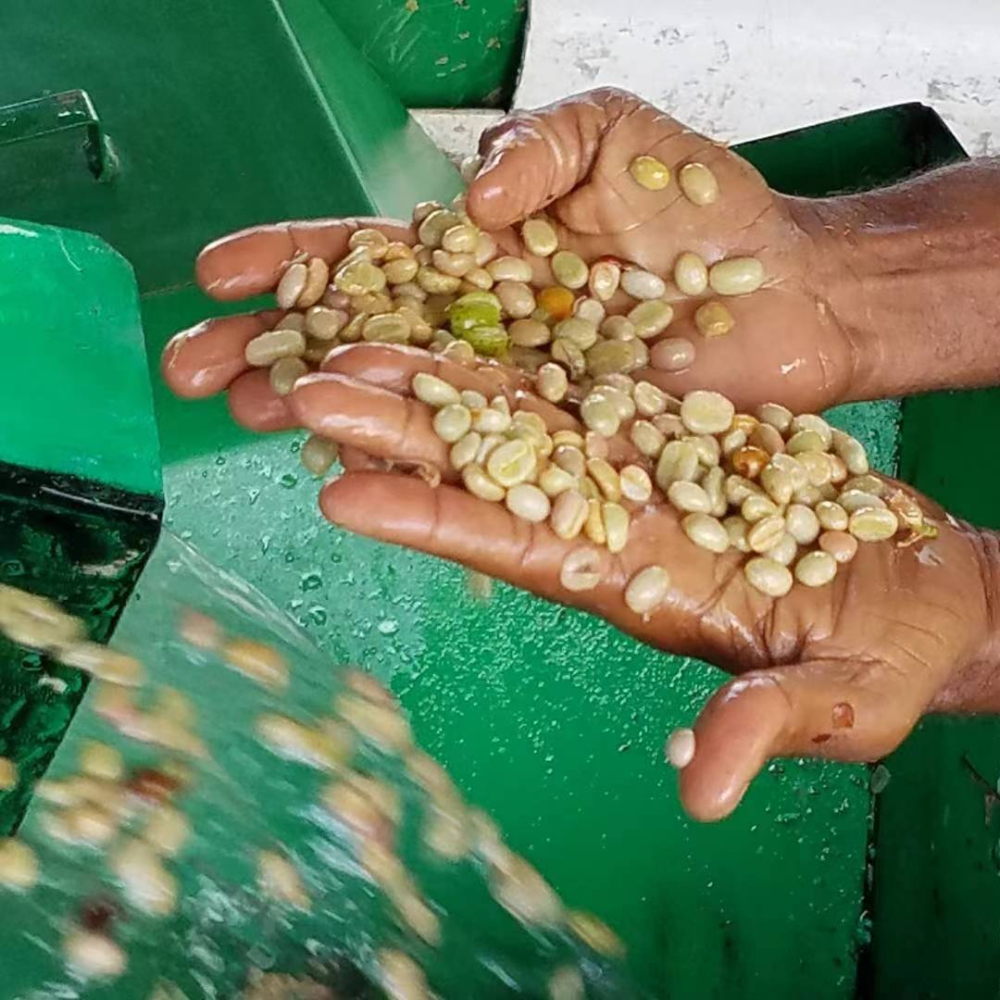
In terms of processing, Blue Mountain No. 1 previously only used the washed process, removing the pulp and mucilage through washing and fermentation. The washed process requires a washing tank and a stable water source: first, the skin is removed, followed by 12–18 hours of fermentation, then the beans are cleaned using water flow and friction against the beans until the surface is smooth. The washed beans still retain their parchment layer, with a moisture content as high as 50%, and must be sun-dried for a long time to reduce it to 12–14% before screening and storage. It’s worth mentioning that sun-dried Blue Mountain may appear in the market in the future, though still rare, gradually introducing more flavor possibilities.
Blue Mountain coffee is primarily distributed across three main regions: Saint Andrew, Portland, and Saint Thomas. Well-known estates such as Wallenford Estate, Silver Hill Estate, and Atlantic Estate all belong to this area. Though mostly family-run small-scale farms, these estates have histories of over two hundred years. The official certification and regional labeling of Blue Mountain coffee include six major certification marks, clearly indicated on the wooden barrels.
Blue Mountain coffee belongs to the Typica variety, with leaves that have a reddish-copper tip, hence it's also called "Red Top Coffee." The Typica variety features tall trees with slanted branches, low yield, and weak disease resistance, but it also produces a delicate and elegant flavor profile. It’s worth noting that the Jamaican government established the Coffee Industry Board in 1950, and with Japanese financial aid, the quality was elevated, leading Japan to account for over 80% of Blue Mountain coffee exports for a long time. However, in recent years, China’s consumption share has gradually increased, reportedly accounting for 15% globally.
Jamaica is the only country in the world with an official coffee management agency—the Jamaica Coffee Industry Board (CIB), under the Ministry of Agriculture and Fisheries, responsible for quality control, technical guidance, and brand maintenance. According to CIB standards, only Blue Mountain coffee grown at altitudes above 666 meters can be called "Jamaica Blue Mountain," and it is categorized by bean size into NO.1, NO.2, NO.3, and PB (peaberry). Among them, NO.1 is the highest grade, requiring beans larger than 17 mesh, a defect rate below 3%, and a moisture content of around 13%. To date, Blue Mountain coffee only uses the washed process, with other methods such as natural drying not yet adopted.
Authentic Jamaica Blue Mountain No. 1 comes with a quality certificate issued by the Jamaica Coffee Board, a producer’s authorized sales certificate, and a certificate of origin—three documents that ensure its source and quality. Commercially available Blue Mountain coffee generally falls into three categories: Blue Mountain coffee, high mountain coffee, and regular Jamaican coffee. Blue Mountain coffee is further subdivided into multiple grades by altitude, with NO.1 being the top tier, offering the most balanced acidity, sweetness, bitterness, body, and rich aroma. High mountain coffee is the closest in quality to Blue Mountain and is suitable for consumers who want to experience Blue Mountain flavor but have a limited budget.
True Blue Mountain green beans are bluish-green in color and expand fully after roasting. When hand-ground, they feel crisp and smooth, with a rich and solid aroma—key aspects that counterfeits struggle to replicate. In terms of taste, Blue Mountain No. 1 performs extremely balanced, with acidity, sweetness, bitterness, and body harmoniously blended, and no single flavor overpowering the rest, which is also the most critical indicator for distinguishing real from fake.
For brewing recommendations, the Kono filter is advised, with water temperature controlled at 86°C to reduce the risk of over-extraction. The grind size is suggested as BG#5J (approximately 80% passing through a Chinese No. 20 sieve), with a coffee-to-water ratio of 1:15 and a total coffee dose of 15 grams. Use a three-stage pouring method: first, pour 30 grams of water for a 30-second bloom, then pour in a small circular motion to 125 grams and pause, wait for the liquid level to drop, then pour to 225 grams to finish, with a total extraction time of about 2 minutes. These parameters fully highlight the delicacy and layers of Blue Mountain No. 1.
Finally, a reminder: the commonly seen "Blue Mountain blends" or "Blue Mountain flavor" coffees on the market are mostly dark roast blends that merely mimic the taste of Blue Mountain and have no relation to authentic Blue Mountain No. 1. These products are affordably priced, but their flavor is worlds apart from the real thing. When purchasing, be sure to check for certificates and origin sources to avoid paying a premium for a counterfeit.
The above content is compiled by CoffeeHunters, a coffee news website.


