







Category: Coffee Knowledge

A Complete Guide to Jamaican Blue Mountain No.1 Coffee: Flavor Profile, Price Factors, and Authentic Identification
Jamaican Blue Mountain No.1 coffee is often hailed as the pinnacle of the coffee world, but does its legendary exceptional flavor and high price tag truly live up to the hype? This article delves into the history, growing conditions, grading system, and official certification standards of Blue Mountain coffee, while also detailing the unique characteristics of the Typica variety and the washed processing method it undergoes. Additionally, we provide practical recommendations for roasting and pour over parameters to help coffee enthusiasts fully understand the true nature and key tasting points of this top-tier coffee. [more…]

Blue Mountain Geisha vs. Blue Mountain No. 1: Flavor Analysis and Pour Over Parameters of the New Release from Jamaica's Clifton Estate
In 2020, Jamaica's Clifton Estate planted the Geisha variety in the Blue Mountain region for the first time, and released a limited-edition Blue Mountain Geisha using the washed processing method. This article delves into the origin background, variety characteristics, processing, and roasting techniques of this innovative bean. Through actual cupping and a comparison of pour over parameters, it helps you understand the similarities and differences in flavor profiles between this coffee and the classic Blue Mountain No. 1. It also provides practical brewing suggestions to help you better capture the potential of this rare coffee. [more…]
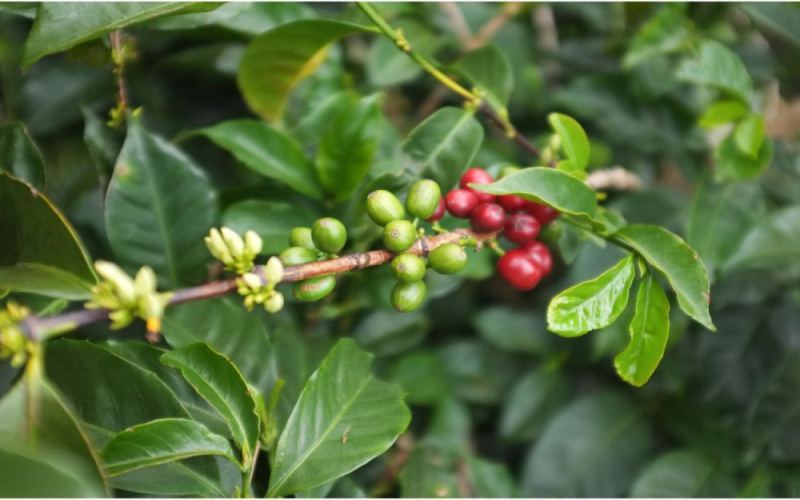
Introduction to the Yunnan Typica Coffee Variety and Analysis of Its Pour Over Flavor Characteristics
Dive deep into the origins of Yunnan’s small-grain coffee and the unique characteristics of the Typica variety — from the historic seeds of 1892 to the premium growing conditions in the Baoshan region today. This article will explore the plant features of the Typica variety, the altitude range and climate it thrives in, and provide a detailed breakdown of its flavor profile in brewing, including aroma, acidity-sweetness balance, and aftertaste. It aims to help coffee enthusiasts choose the right brewing method to fully experience the charm of this classic flavor. [more…]

How to Adjust Espresso Grind Size? A Complete Guide from Bean Selection to Extraction Parameters
Adjusting the grind size for espresso is a challenge many coffee enthusiasts face. Factors such as bean freshness, air humidity, and extraction conditions all influence the final flavor. This guide will delve into how to adjust grind coarseness based on different scenarios, master the balance between coffee-to-water ratio and extraction time, and recommend blend types suitable for home use and beginners—helping you consistently brew balanced and layered espresso shots. [more…]
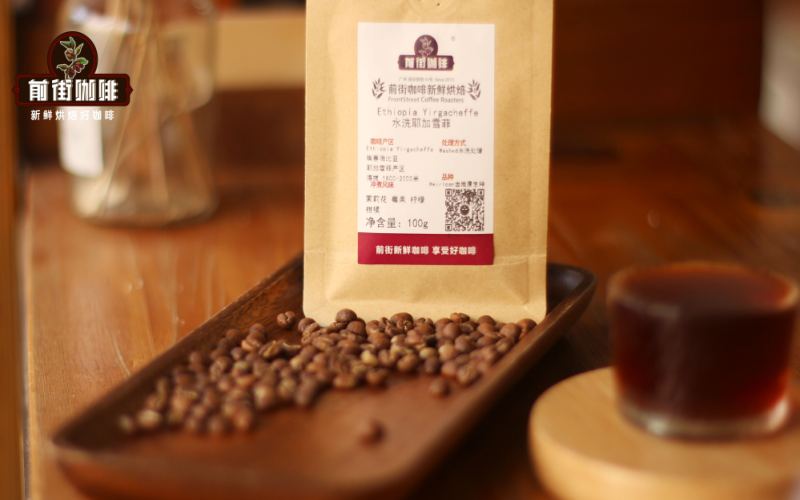
What's the difference between Ethiopian Yirgacheffe and Sidamo? A full breakdown of regions, processing methods, and pour over flavors
Yirgacheffe and Sidamo in Ethiopia are starting points for many coffee beginners to explore specialty coffee. Though both are high-altitude regions, they showcase distinctly different flavor profiles: Yirgacheffe is renowned for its bright acidity and floral notes, while Sidamo offers a rounder sweetness with chocolatey undertones. This article explores their regional histories, altitude differences, processing techniques, and includes practical pour over parameters and flavor notes to help you understand their unique characteristics and find your preferred coffee style. [more…]

How to adjust the espresso powder-to-water ratio? Characteristics of four blends and home brewing guide
Are you having trouble getting the powder-to-water ratio right when brewing espresso at home? This article delves into the golden extraction parameters for espresso, from portafilter capacity limitations to the scientific rationale behind the 1:2 powder-to-liquid ratio. It helps you understand the connection between flow rate and flavor release. We also break down in detail the blend ratios, flavor profiles, and ideal usage scenarios of four popular espresso blends, along with professionally recommended tasting tips to help you upgrade your extraction experience—from basic parameters to flavor perception. [more…]
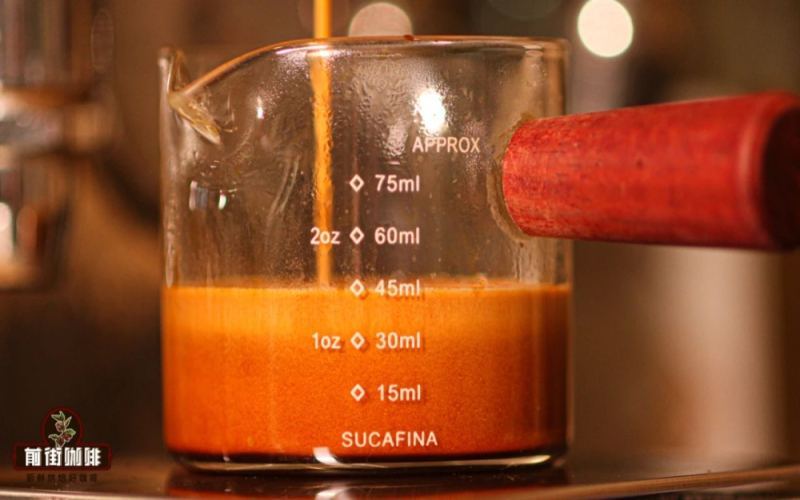
A Complete Guide to Tasting Espresso: From Crema to Flavor, Mastering the Correct Drinking Methods and Extraction Techniques
Espresso is not only an essential base for many classic coffee drinks but also an art of drinking that pays attention to detail. This article will delve into the core components of espresso: the golden crema, coffee oils, and soluble flavor compounds, while exploring the principles and key parameters of high-pressure extraction. From brew ratio and temperature control to drinking suggestions, it provides a comprehensive guide on how to properly enjoy this rich and bold coffee, uncovering its subtle aromas, textures, and aftertastes. [more…]
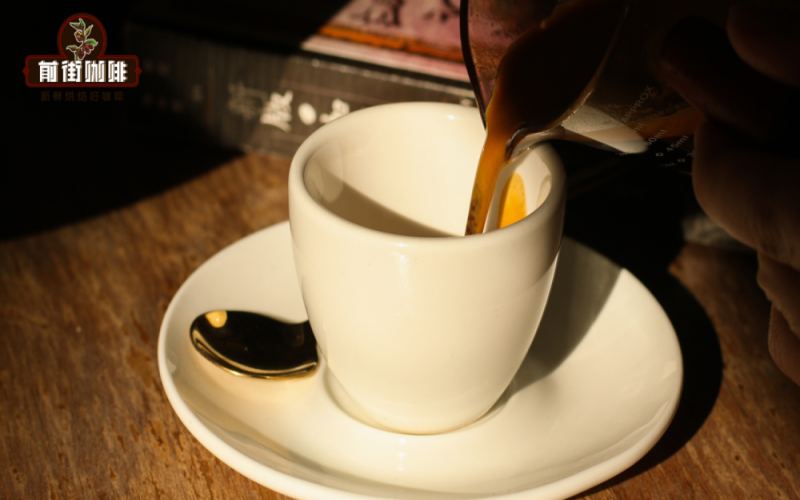
How to Brew the Perfect Espresso? A Complete Guide to Coffee-to-Water Ratio, Grind Size, and Extraction Time
To successfully brew a well-balanced, flavor-concentrated shot of espresso at home, mastering the coffee-to-water ratio, grind size, and extraction time is key. This article not only introduces the standard 1:2 coffee-to-water ratio and common parameter settings, but also dives deep into how to adjust grind size based on flow rate, and shares practical tips to help you fine-tune according to your actual extraction results. Even beginners can gradually brew their own perfect shot of espresso. [more…]

Complete Guide to Brazil's Cerrado Coffee Region: Master Pour Over Parameters and Flavor Profiles in One Article
Gain an in-depth understanding of Brazil — the world’s largest coffee-producing country — its coffee culture, and regional characteristics. This article focuses on the geographical environment, climate conditions of the Cerrado region, as well as the unique flavors of the coffee it produces. It also provides a detailed breakdown of ideal pour over parameters for Cerrado coffee, including practical suggestions on water temperature, grind size, coffee-to-water ratio, and more, helping coffee enthusiasts easily extract its classic low-acidity, full-bodied flavors with nutty and chocolatey sweetness. [more…]
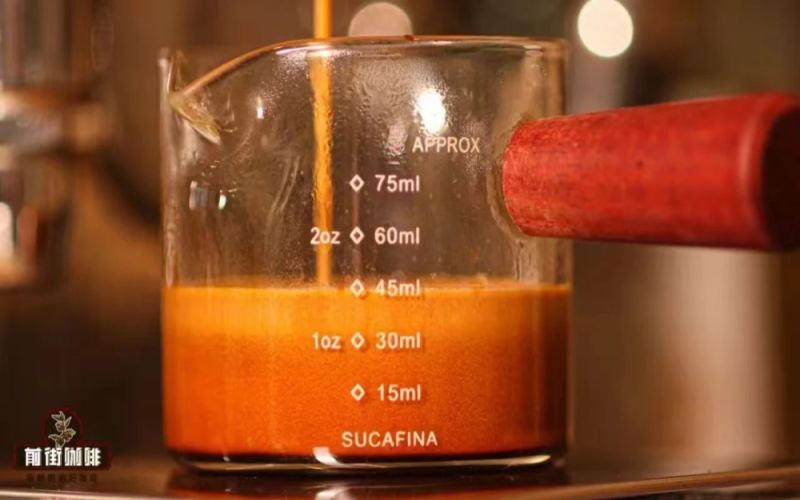
How to Drink Italian Blended Coffee Beans? A Complete Guide to Espresso Tasting and Extraction Parameters
Espresso is both an entry-level challenge for many coffee enthusiasts and a technical benchmark for professional baristas. Understanding the correct way to taste it can help you uncover layers of caramel, nuts, and chocolate in your shot. This article starts with the principles of extraction and crema formation, then guides you through the three steps of aroma, color observation, and tasting. It also analyzes how milk or water additions affect the flavor. Additionally, we take an in-depth look at two classic Italian blends—exploring their regional characteristics, roasting strategies, and actual extraction performance—to help you truly understand what you’re drinking. [more…]
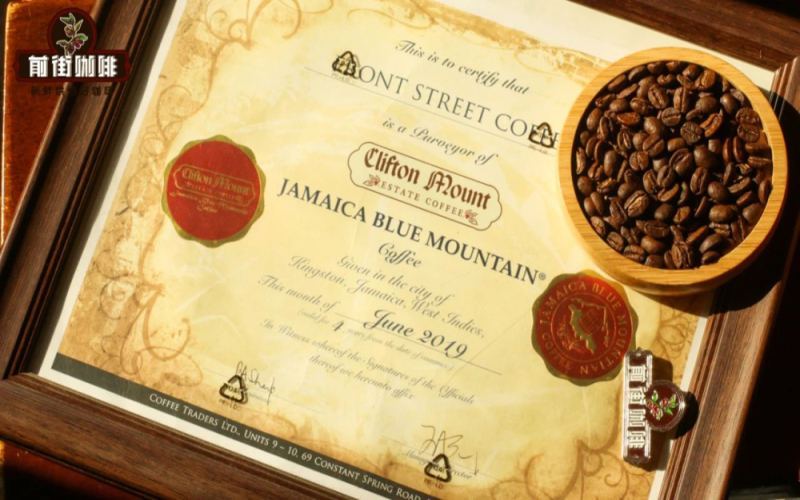
Is Jamaican Blue Mountain coffee Arabica? Practical tips for picking high-value authentic Blue Mountain beans
Jamaican Blue Mountain coffee is renowned for its delicate and balanced flavor, but there are many counterfeit products on the market with wildly varying prices. This article delves into whether Blue Mountain coffee belongs to the Arabica species, and teaches you how to identify genuine beans based on key indicators such as origin, price, certification, and aroma. It also provides practical advice for selecting high-cost-performance authentic Blue Mountain beans, ensuring you get both the taste and value. [more…]
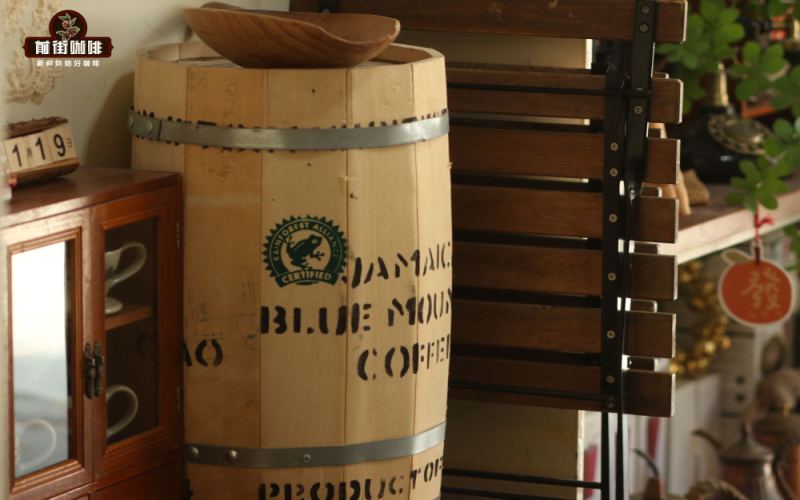
How to Choose Jamaican Blue Mountain No. 1? A Complete Guide to Authentic Certification, Pour Over Parameters & Flavor Profile
Jamaican Blue Mountain coffee is renowned for its balanced and delicate flavor, but the market is flooded with various "Blue Mountain-style" blends. So how can you identify genuine No. 1 Blue Mountain? This article delves into the production region regulations, grading system, and barrel packaging characteristics of Blue Mountain No. 1, helping you understand the essential criteria for authenticity. It also provides expert pour over recommendations and flavor profiles under medium-dark roasting, so you can truly appreciate this world-class single-origin coffee. [more…]
The Complete Guide to Jamaican Blue Mountain No.1: Region, Grade, Flavor, and Pour Over Parameters
Jamaican Blue Mountain coffee is hailed as the "Emperor of Coffees," yet few truly understand its value. This guide will take you deep into the legal growing regions of Blue Mountain No.1, the CIB grading system, the characteristics of the Typica variety, and the differences between washed and natural processing methods. It also provides detailed green bean analysis, roasting profiles, cupping data, and practical pour over parameters to help you fully grasp the charm and key identifiers of this top-tier coffee. [more…]

A Comprehensive Guide to Jamaican Blue Mountain No.1 Coffee Beans: From Regional Grading to Pour Over Parameters and Authenticity Identification
Jamaican Blue Mountain coffee has long been hailed as one of the finest luxury coffees in the world. In particular, the No.1 grade is not only highly priced but also renowned for its exceptional balance and rich, smooth flavor. This article will delve deeply into the grading system of Blue Mountain coffee, the unique characteristics of its three major growing regions, the traits of the Typica variety, and the differences between washed and natural processing methods. We’ll also provide expert pour over recommendations and tips on how to identify authenticity—helping you fully grasp the essence of this premium coffee. [more…]

Make cold drip coffee at home: Equipment-free DIY method and single-origin bean pairing suggestions
Want to enjoy cold drip coffee but find the cold drip brewer too expensive and seldom used? In fact, with just two filter drippers, you can easily make 1–2 servings of cold drip coffee at home. This article introduces a simple method that mimics cold drip using a double dripper setup, explains the low-temperature extraction principles and flavor characteristics, and provides recommendations on suitable coffee beans—so you can enjoy high-quality cold drip with minimal equipment. [more…]

How to Drink Espresso: A Complete Guide with Reasons for Ice Water and Flavor Tasting
Espresso is an essential starting point for many coffee enthusiasts, yet many still have only a vague understanding of the correct way to enjoy it. This article delves into the historical background of espresso, how it differs from pour over coffee, and explains in detail why it's commonly paired with ice water. It will guide you through the professional steps of tasting espresso—from rinsing your mouth, stirring, sipping in stages, to experiencing the aftertaste—while also sharing the extraction logic behind classic blend beans, helping you understand every sip of espresso. [more…]

Complete Guide to Espresso Tasting: Blending Bean Selection and the Right Steps for Enjoyment
Dive deep into the art of tasting Espresso and the principles behind blending coffee beans. From sensory preparation to sipping techniques, this guide walks you through experiencing the essence of espresso step by step. It also recommends three blends with distinct flavor profiles — including wine-fruity acidity, nutty chocolate, and commercial balanced profiles — to help you find the Espresso beans that best suit your taste. [more…]
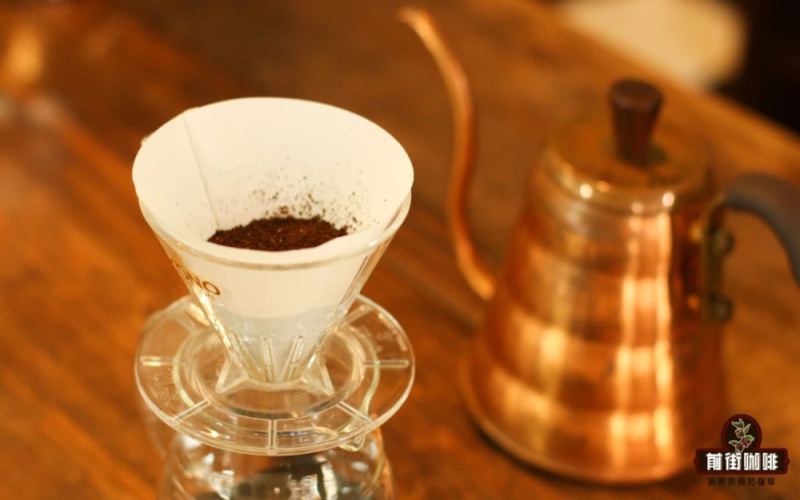
An Introduction to Pour Over Coffee Terminology in English & A Beginner’s Guide to Single-Origin Bean Selection
As one of the representative brewing methods of specialty coffee, pour over has diverse and often confusing English expressions. This guide delves into the differences between terms such as pour over and hand drip, systematically introduces essential equipment setups like filter cones and grinders, explains key extraction parameters such as coffee-to-water ratio, water temperature, and grind size, and recommends five beginner-friendly single-origin beans from major producing regions. All of this is designed to help you explore coffee flavor profiles within a reasonable budget. [more…]
How do you say pour over coffee in English? Essential guide for beginners on single-origin bean selection and three-pour brewing techniques
While pour over coffee has a unified term in Chinese, in English it is referred to by various names such as pour over, hand drip, and filter coffee—each with its own specific context and emphasis. This article not only explains the differences among these English terms but also delves into the historical origins of pour over coffee, essential beginner equipment, and dripper selection. It also provides practical recommendations for single-origin coffee beans and step-by-step instructions for the three-pour brewing method to help beginners get started. [more…]

A Comprehensive Review of 13 Starbucks Pour Over Beans | A Guide to Choices from Bright Acidity to Rich Body
Faced with Starbucks' 13 pour over coffee beans, do you know which ones have bright acidity and which are rich and full-bodied? This article reorganizes the flavor profiles of these beans based on acidity intensity and body strength, and analyzes the unique flavor characteristics of origins such as Kenya, Ethiopia, and Sumatra from three major producing regions: Africa, the Americas, and Asia, to help you find your perfect pour over experience. [more…]